Julieta Suárez-Cao
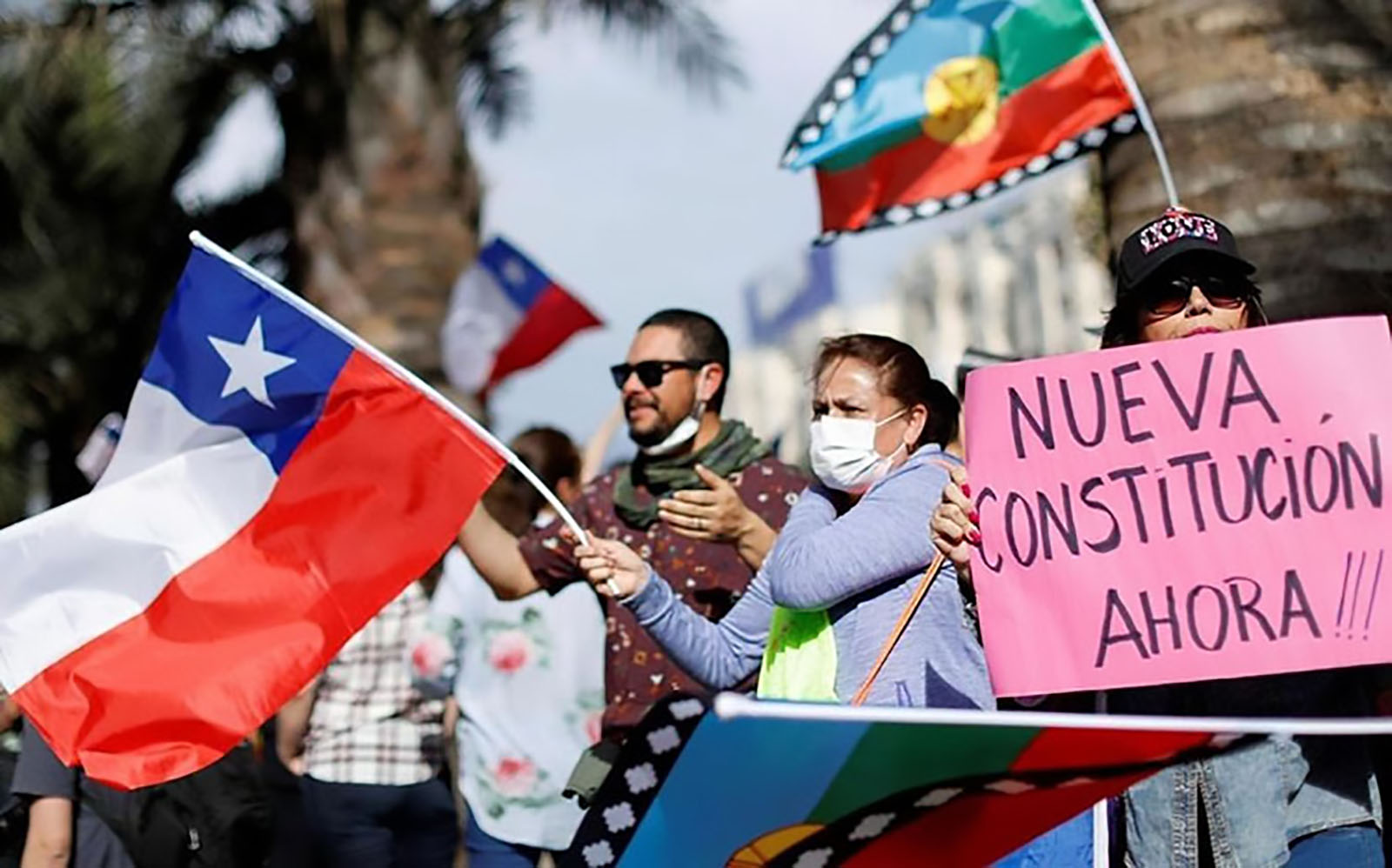
Chile’s constitutional reform started after massive social protests in 2019. With gender parity, reserved seats for indigenous people, and a significant number of seats for independent delegates, Julieta Suarez-Cao argues that the country's assembly is on track to rebuild democratic legitimacy in the years to come Read more
Fabian Habersack
Populist radical right parties have been remarkably successful in recent decades, yet strategies to contain them regularly fail. Can non-radical parties do anything to counter them? Fabian Habersack suggests mainstream parties could signal ‘responsiveness’ while remaining committed to their policy goals Read more
Laura Dean
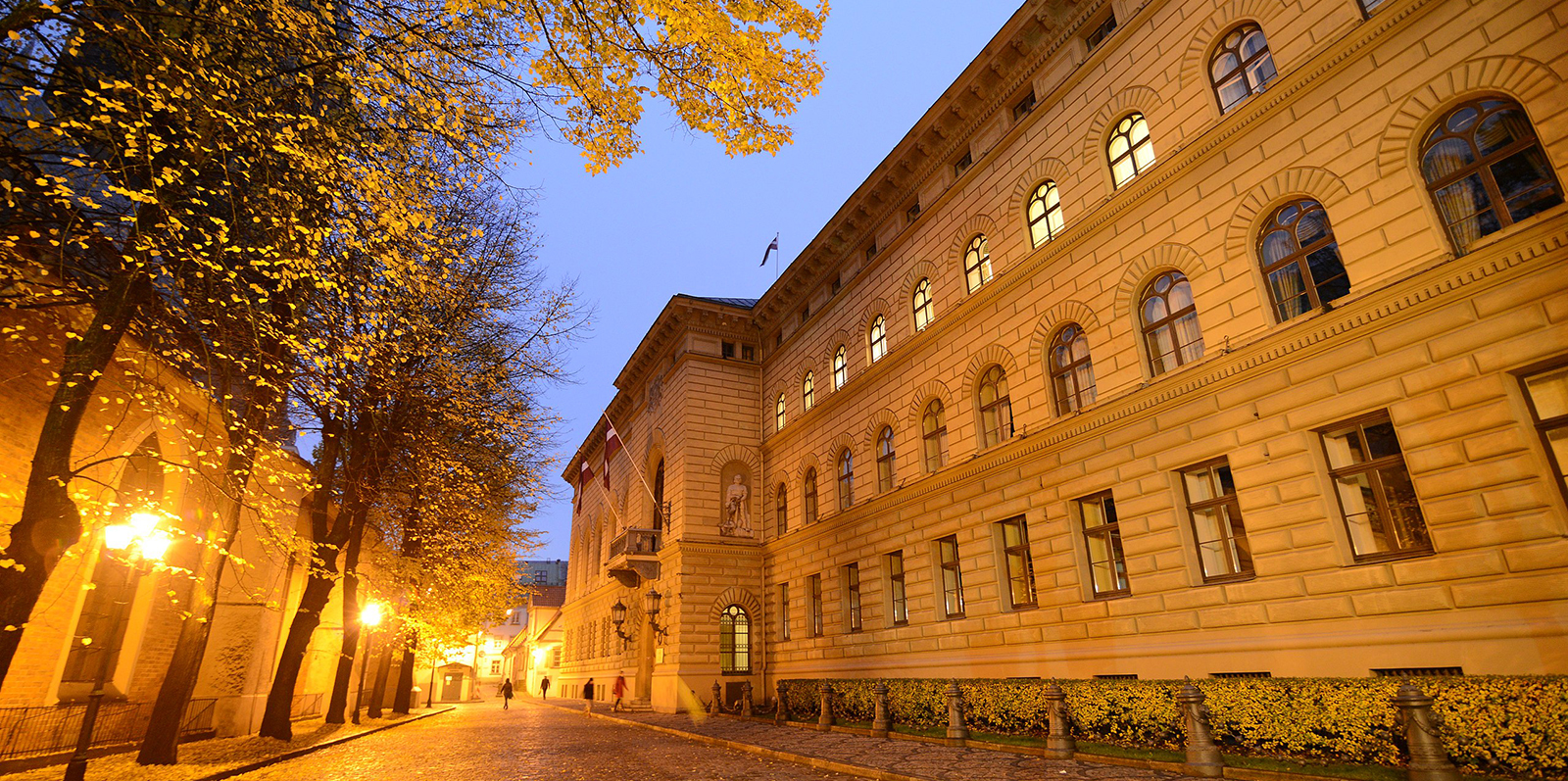
Candidate lists in Latvia contain only 38.6% women. Latvia is unlikely to improve women’s representation in its municipal elections unless Latvian voters adopt preference voting, and 'plus' their women candidates, writes Laura Dean Read more
Martín Portos
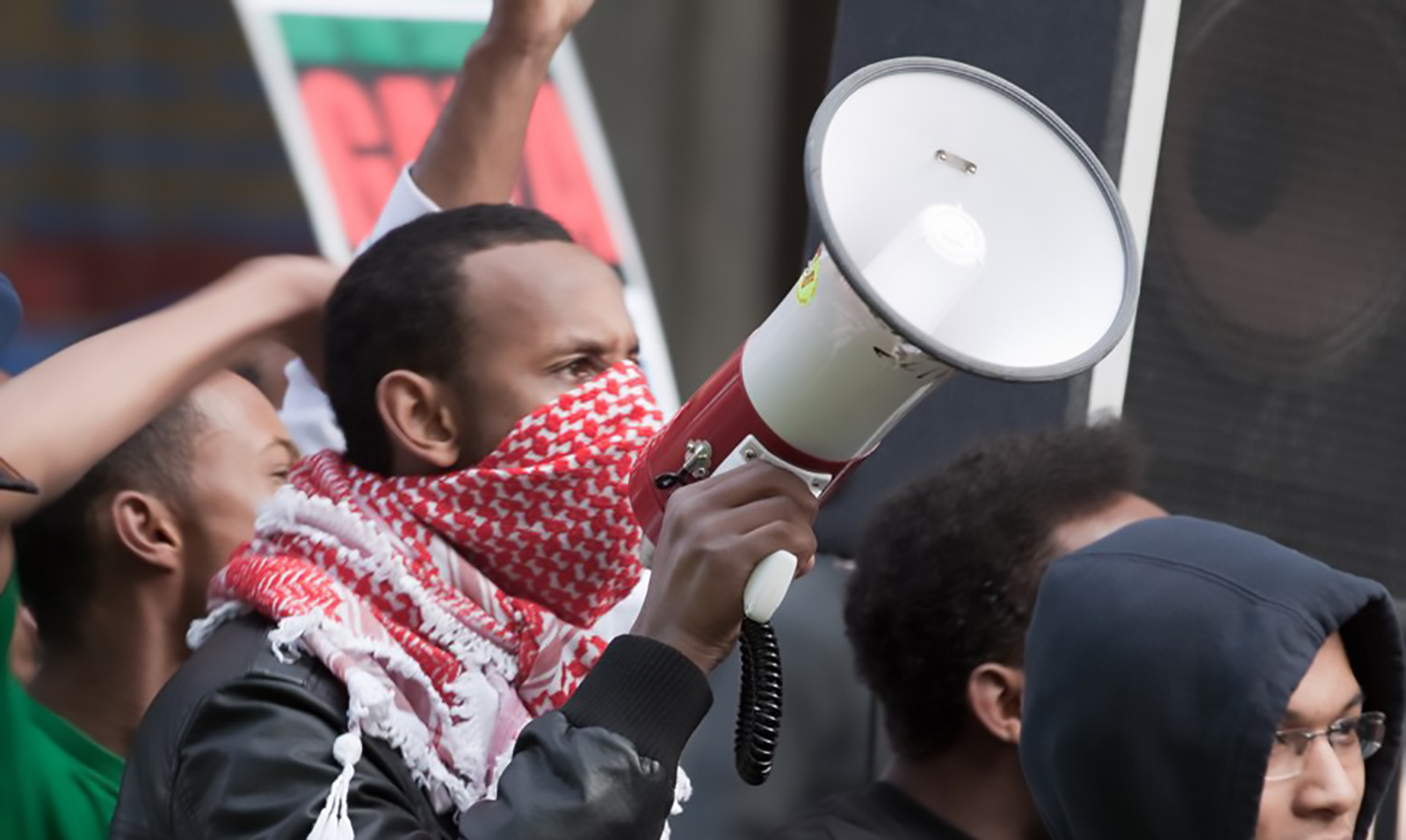
The fight against corruption has been at the heart of recent mass protests across the world. But does corruption drive political participation, and if so, who is it mobilising? Research by Raffaele Bazurli and Martín Portos suggests – counterintuitively – that people with less education are the most likely to rise up Read more
Felix Stein
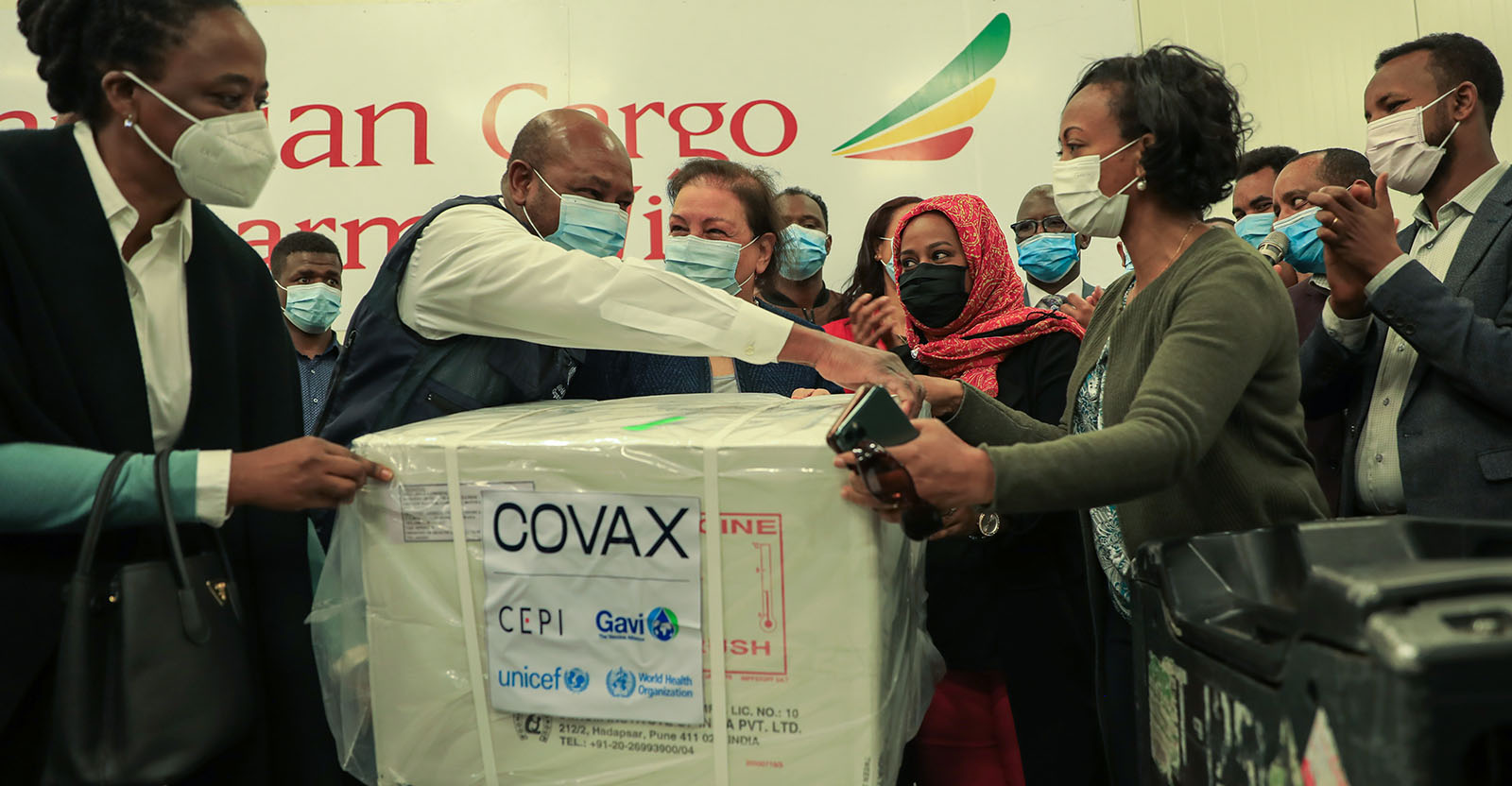
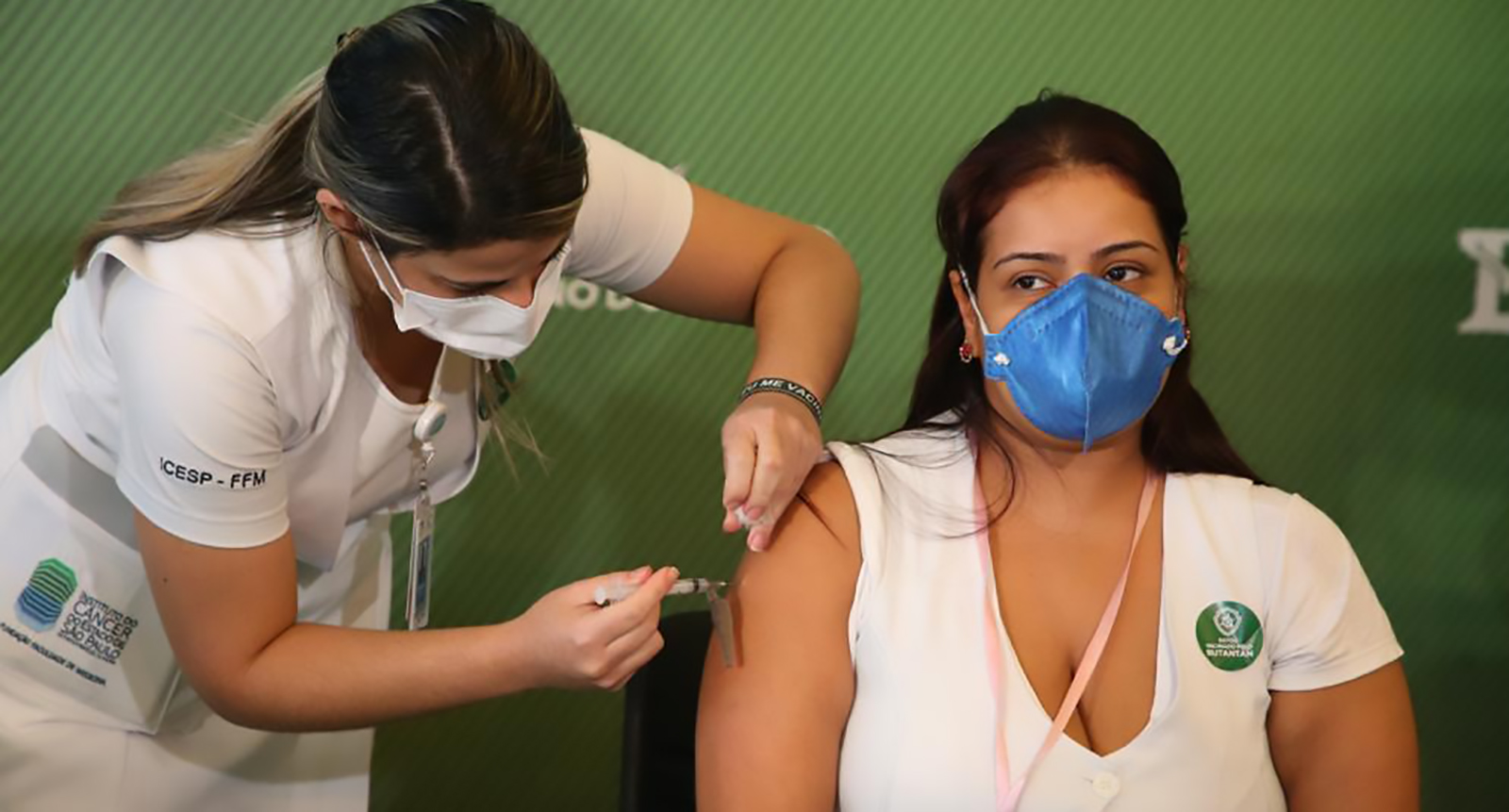
Taking health equity seriously during the pandemic requires some minimal degree of vaccine price control. Countries should make vaccine contract details public, specify a fair price, and outline how they plan to meet it, argues Felix Stein Read more
Vittorio Bufacchi
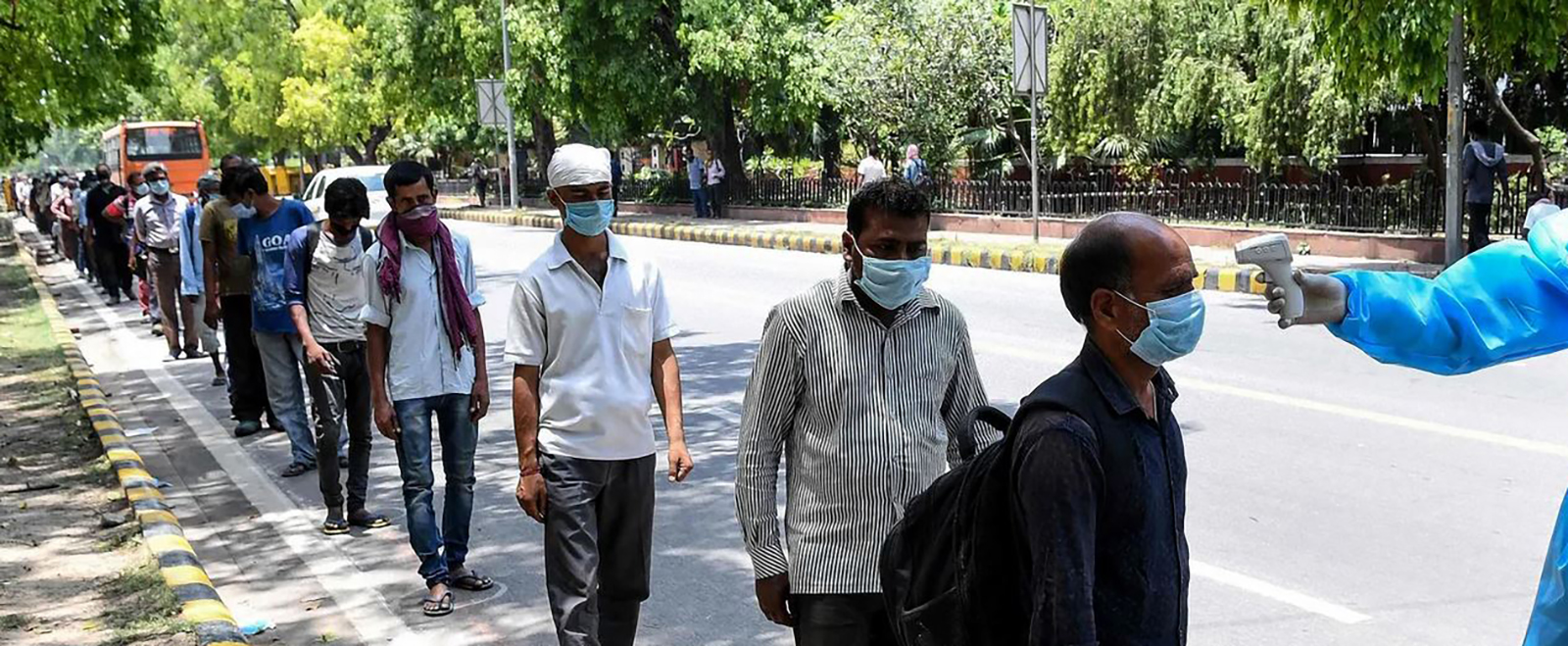
India is the seventh-richest country in the world. Yet it recently recorded the highest-ever daily death toll from Covid-19. It's a disaster, write Vittorio Bufacchi and Urmi Bhattacharyya, caused by India’s gross inequalities, along with misguided political decisions and policies throughout the country's pandemic response Read more
Emmanuelle Bertout
Religious freedom is deteriorating in France. Laws aimed at maintaining the confessional neutrality of the French state are turning into attacks on individuals’ right to religious freedom, writes Emmanuelle Bertout In February 2021, the French National Assembly adopted the highly controversial bill Consolidating the Principles of the Republic. The Senate followed suit in April. The […] Read more
Marta Mendes da Rocha
Despite their constitutional powers, South American presidents have not managed the Covid-19 pandemic effectively, write Marta Rocha, Luciana Santana and Magna Inácio. This is worrying in a region desperate to overcome economic decline, inequality, unemployment, and extreme poverty Read more
We use cookies to ensure that we give you the best experience on our website. If you continue to use this site we will assume that you are happy with it.