Isak Nilsson
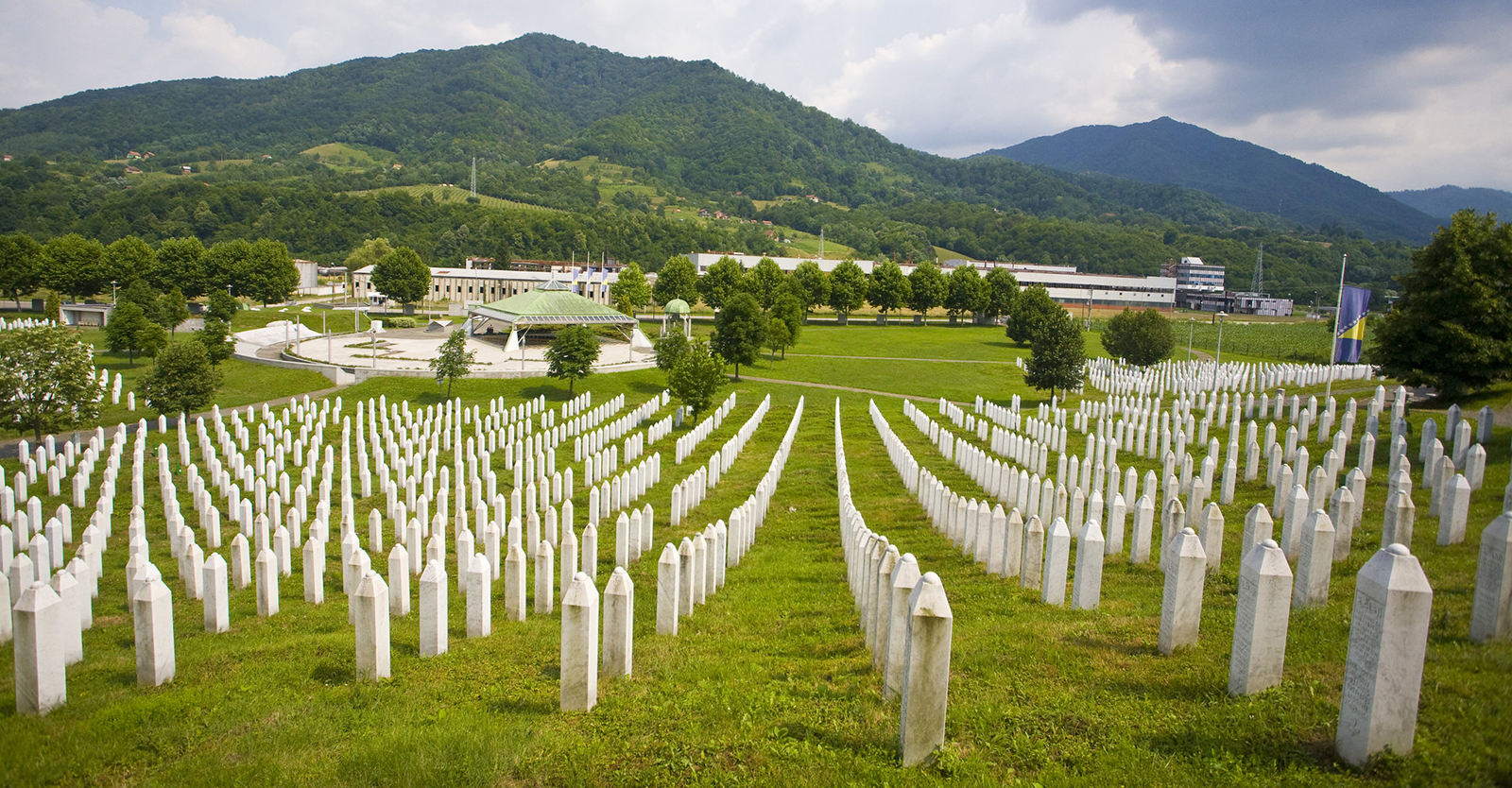
Recent statements denying genocide and spreading hate in Bosnia and Herzegovina are hampering an already difficult process of national reconciliation. A law banning genocide denial is a step in the right direction, writes Isak Nilsson Read more
Franziska Maier
Citizenship is a contested and multifaceted concept. Yet despite their differences, all German citizens see citizenship as something more than just a legal status. Franziska Maier finds that common to all German citizens is a desire for connectivity Read more
Zeynep Menteşoğlu Tardivo
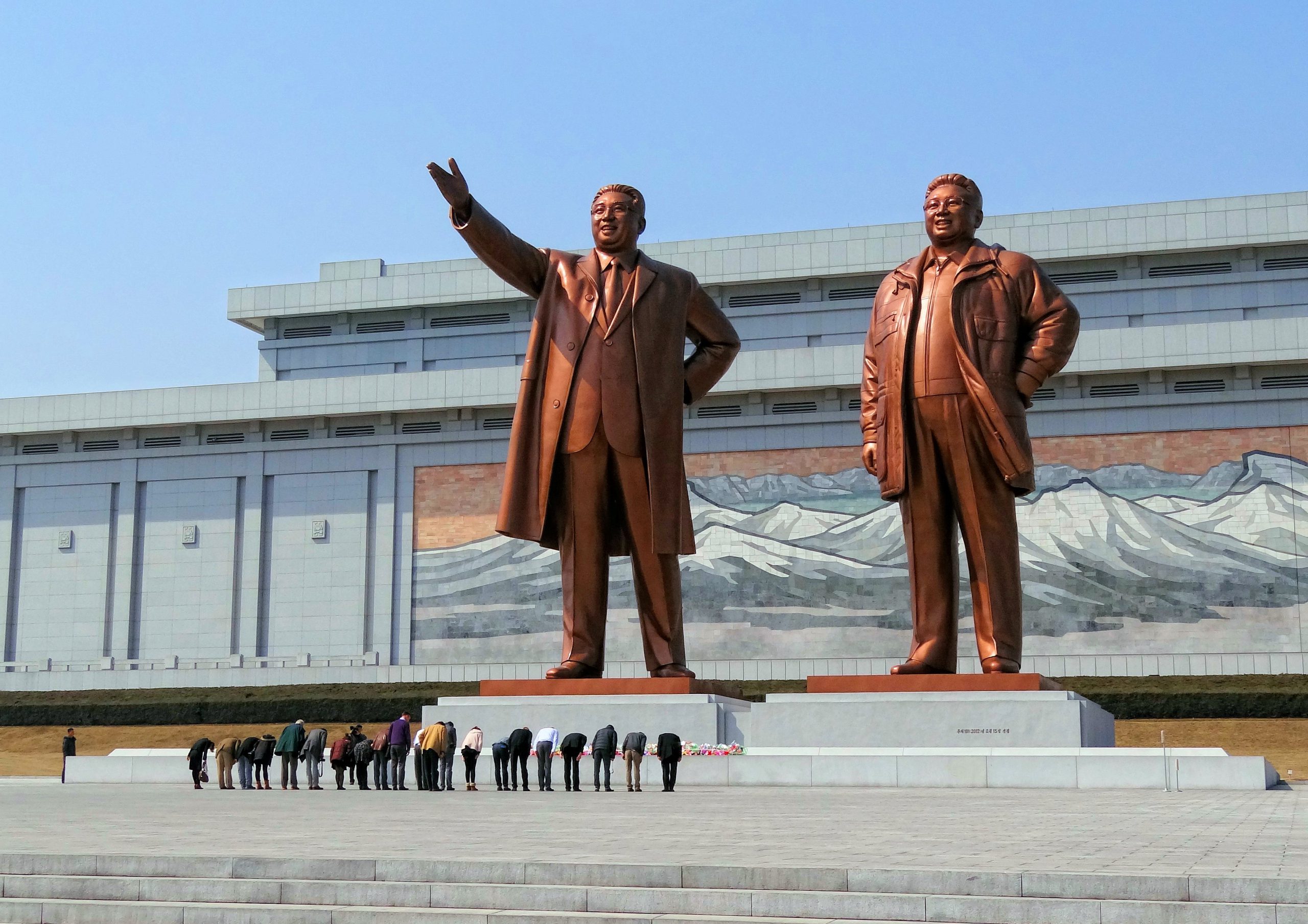
Zeynep Mentesoglu Tardivo analyses the role played by nominally democratic political institutions in authoritarian regimes. She argues that rulers design such institutions to consolidate their power base, even at the cost of economic and political development Read more
Hans Asenbaum
How can we capture the many meanings of democracy? We need to critically reflect on who produces knowledge about democracy, argues Hans Asenbaum. People outside academia must play a central role in democratic theorising Read more
Marieke Louis
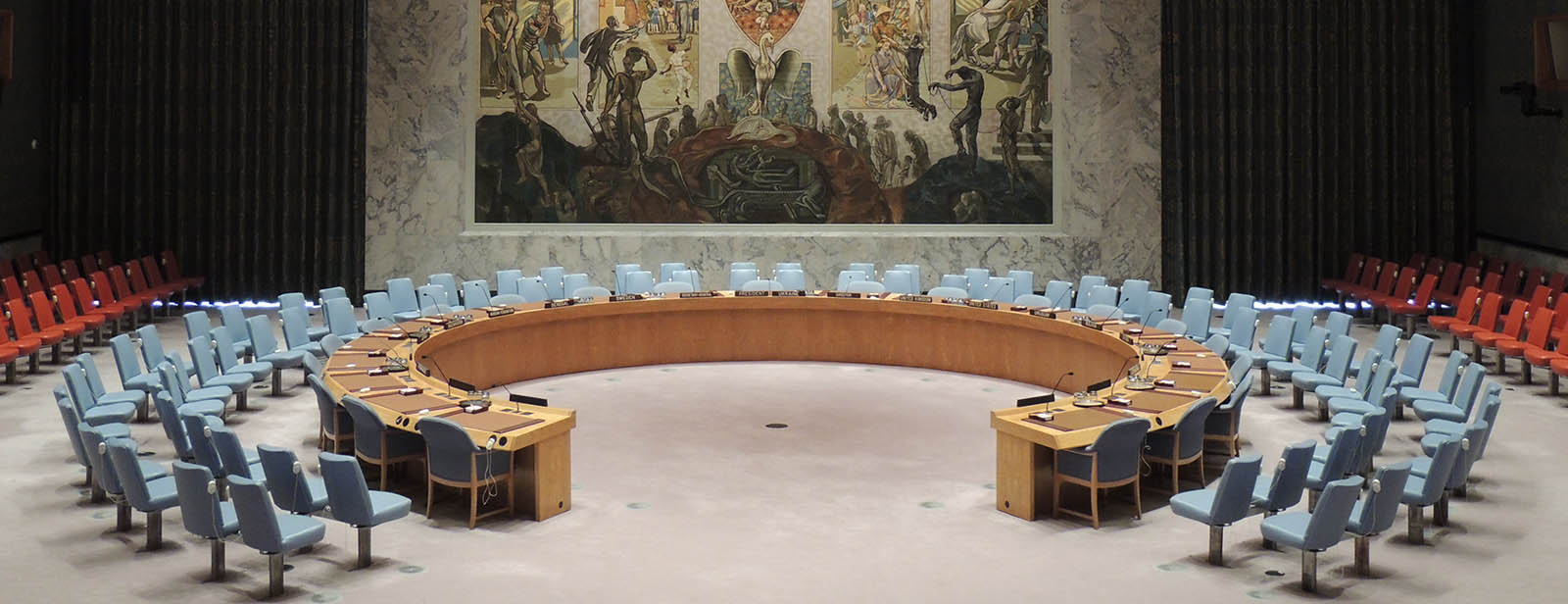
'We don’t do politics!' is a common refrain from international bureaucrats, governmental delegates and civil society representatives engaged in multilateral negotiations. Marieke Louis and Lucile Maertens take these apolitical claims seriously. In doing so, they unveil the politics of depoliticisation in international organisations Read more
Gabriele Beretta
The CDU is facing its first post-Merkel electoral campaign, and the SPD is struggling to gain more than a 15% vote share. The Greens, meanwhile, are the second largest party in Germany. The impact of their results on the new German government may be the Eurozone’s most important political development of 2021. Gabriele Beretta argues that this could also have dramatic macroeconomic consequences for the Euro Area Read more
Kei Nishiyama
Teaching democracy is hard work, precisely because we are living in a time when democracy is in crisis. So what should we teach, and how? Kei Nishiyama suggests that a grassroots, bottom-up approach involving teachers and learners alike will help us gain ownership of democracy – and fall back in love with it Read more
Ekaterina Rashkova
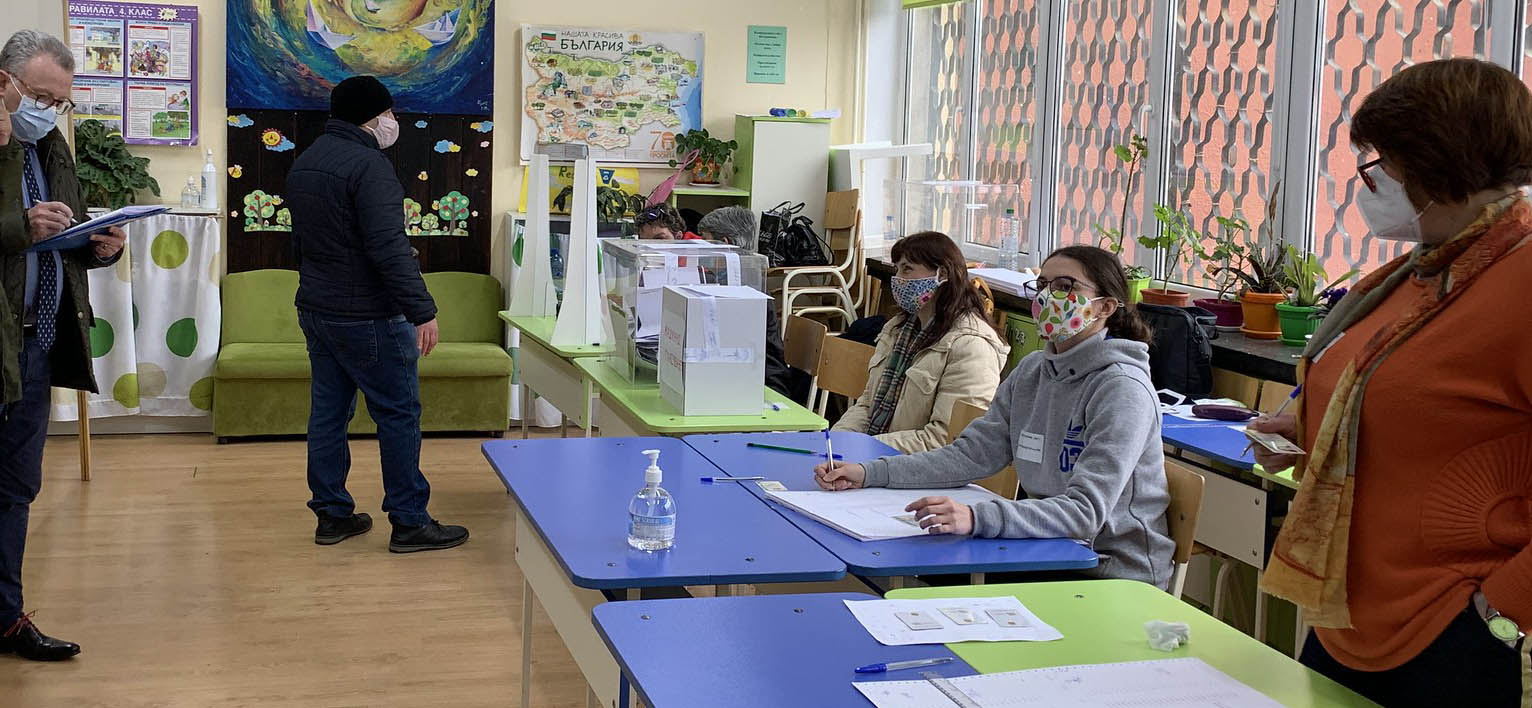
Following the stalemate produced by April's elections, Bulgaria has just gone to the polls for the second time this year. Ekaterina Rashkova-Gerbrands argues that these elections have resolved nothing, leaving Bulgaria in a dilemma Read more
We use cookies to ensure that we give you the best experience on our website. If you continue to use this site we will assume that you are happy with it.