Chih-yu Shih
Chih-yu Shih argues that we can meet Jean-Paul Gagnon’s democracy challenge across linguistic and cultural divides. He explores how 'critical translation' (aimed at 'relational' and not 'total texture') can yield results for those pursuing democratic commonality Read more
Martin Bull
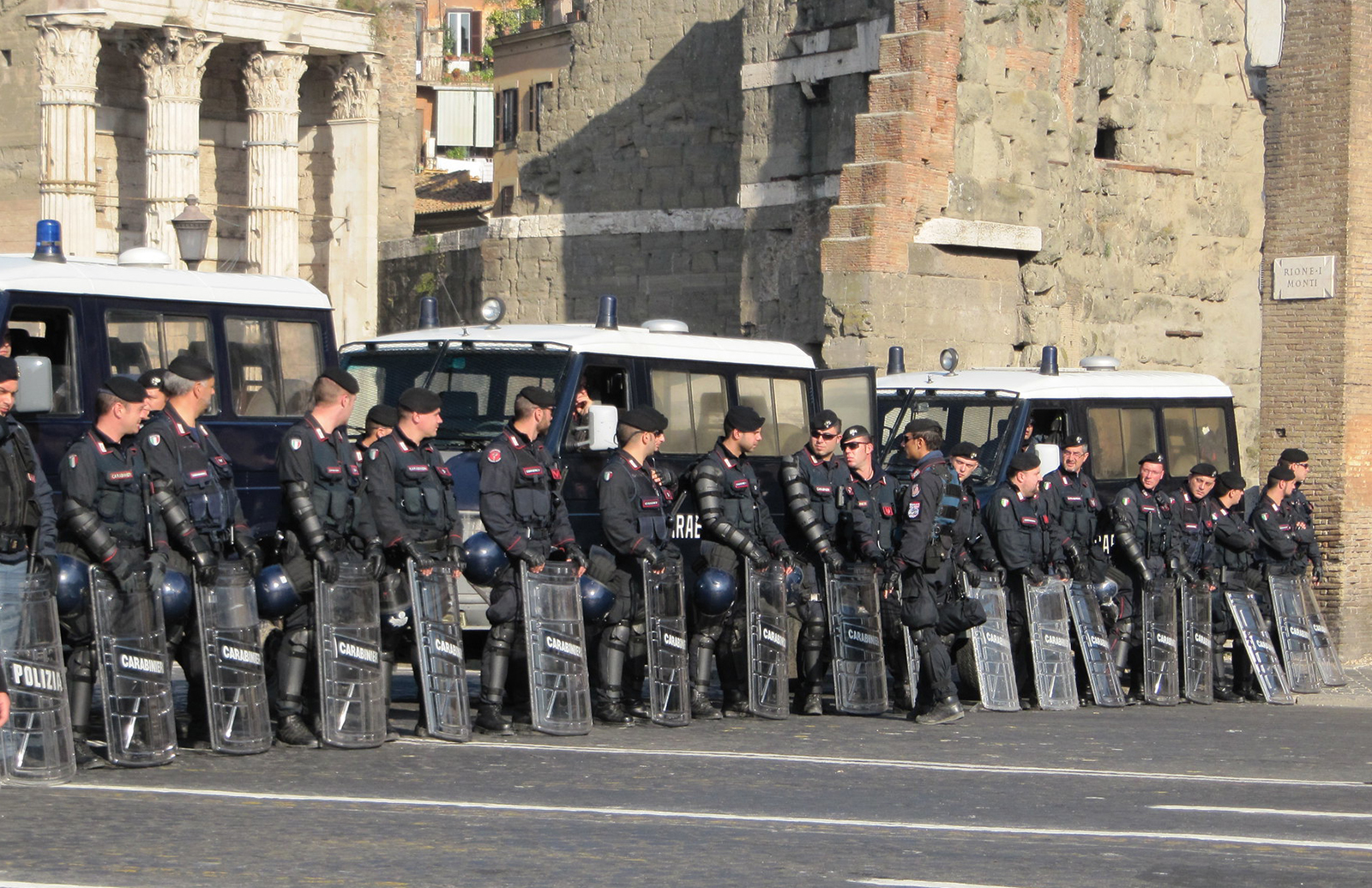
Protests have broken out in Rome against the extension of Italy’s Covid Green Pass to the workplace. They quickly deteriorated into violence and assault, exploited by the fascist group Forza Nuova. This, argues Martin Bull, has reignited the debate about Italy’s fascist heritage, and led to calls on Prime Minister Draghi to dissolve the group Read more
Paula Sabloff
Paula Sabloff, in a direct response to Jean-Paul Gagnon’s democracy challenge, argues that to understand what democracy means, we need to know what it is for. By exploring this, we arrive at a meaning that is about means, not ends. And it is not as complicated as we might think Read more
Richard Rose
Using hands-on methods to diagnose the democratic body politic can identify parts that consistently function as they should and which intermittently don’t work, writes Richard Rose. This knowledge can lead to more effective remedies for intermittent ailments. It also guards against predicting the death of democracy from chronic disabilities that can be managed Read more
John Min
John Min accepts Jean-Paul Gagnon’s premise that democratic theorists should persist in studying the nature of democracy, and sees the goals of Gagnon’s project as admirable. But he argues that several methodological issues concerning the means of achieving those ends need to be explored Read more
Raul Gomez
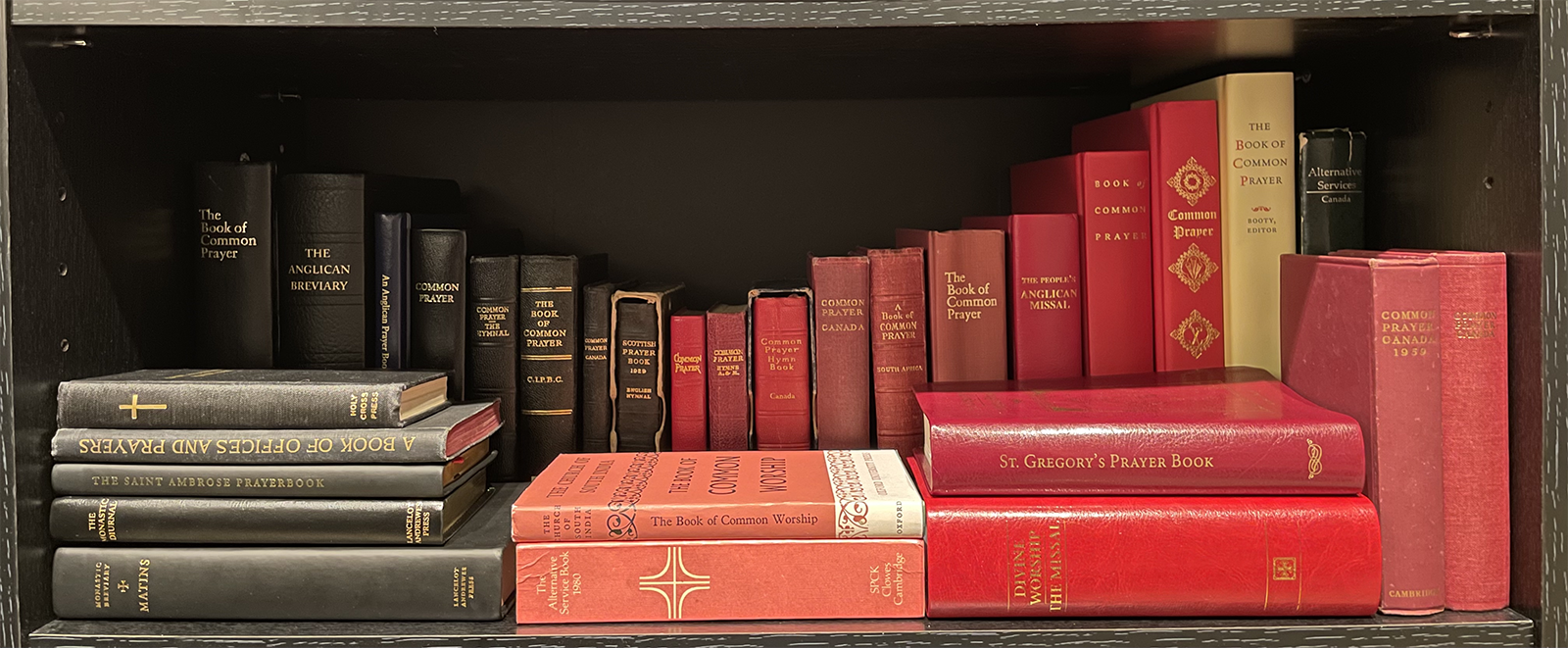
Decades of secularisation have not done away with the influence of religion on party choice in Western Europe. To understand this, argues Raul Gomez, we need to look at how parties mobilised religion in the past, and how that still lingers among voters today Read more
Adrian Kreutz
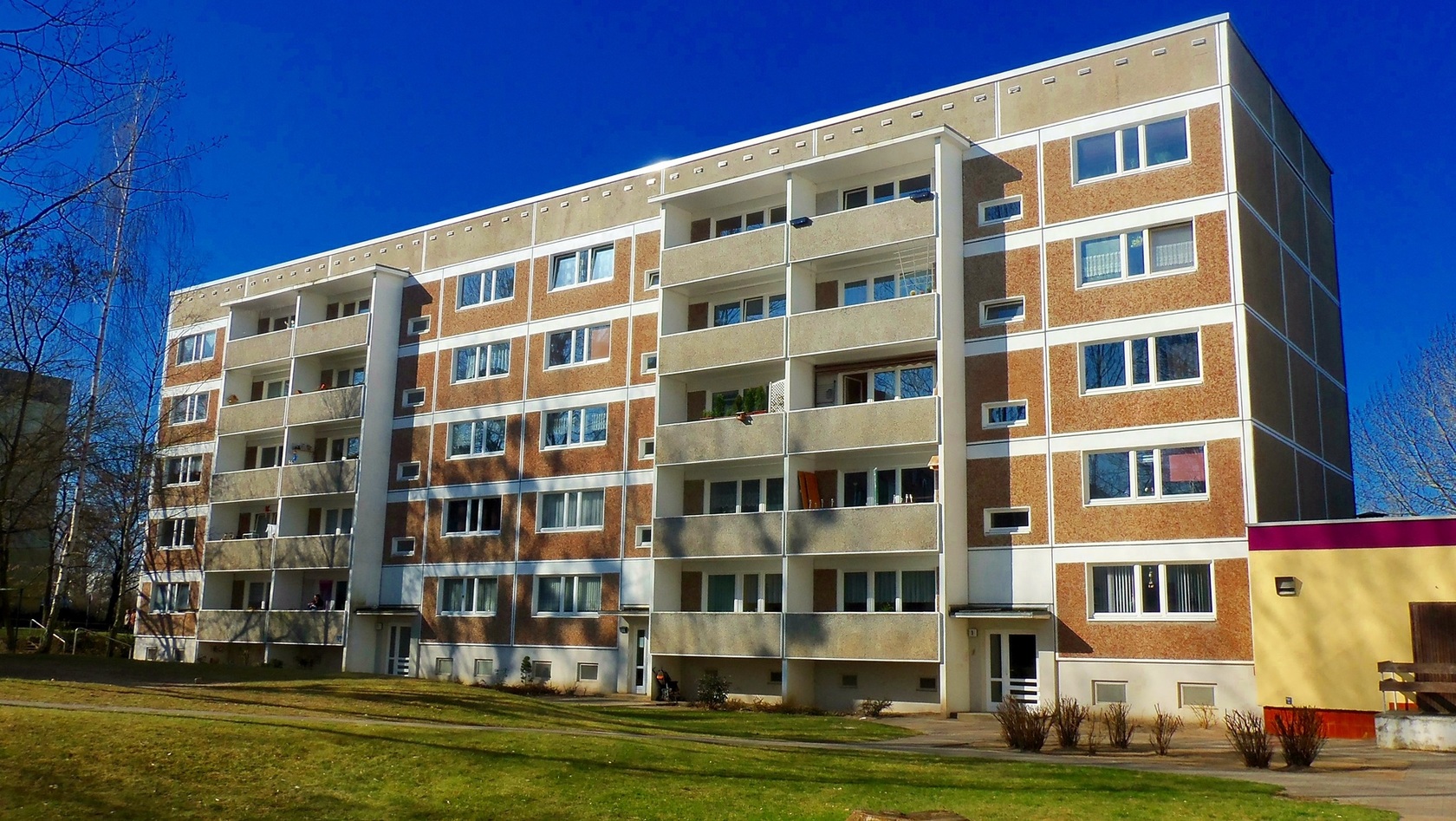
The people of Berlin recently voted to expropriate property-owning companies and bring them back under public ownership. However, argues Adrian Kreutz, while the people have insisted on their right to housing, implementation of the referendum result remains uncertain Read more
Šárka Homfray
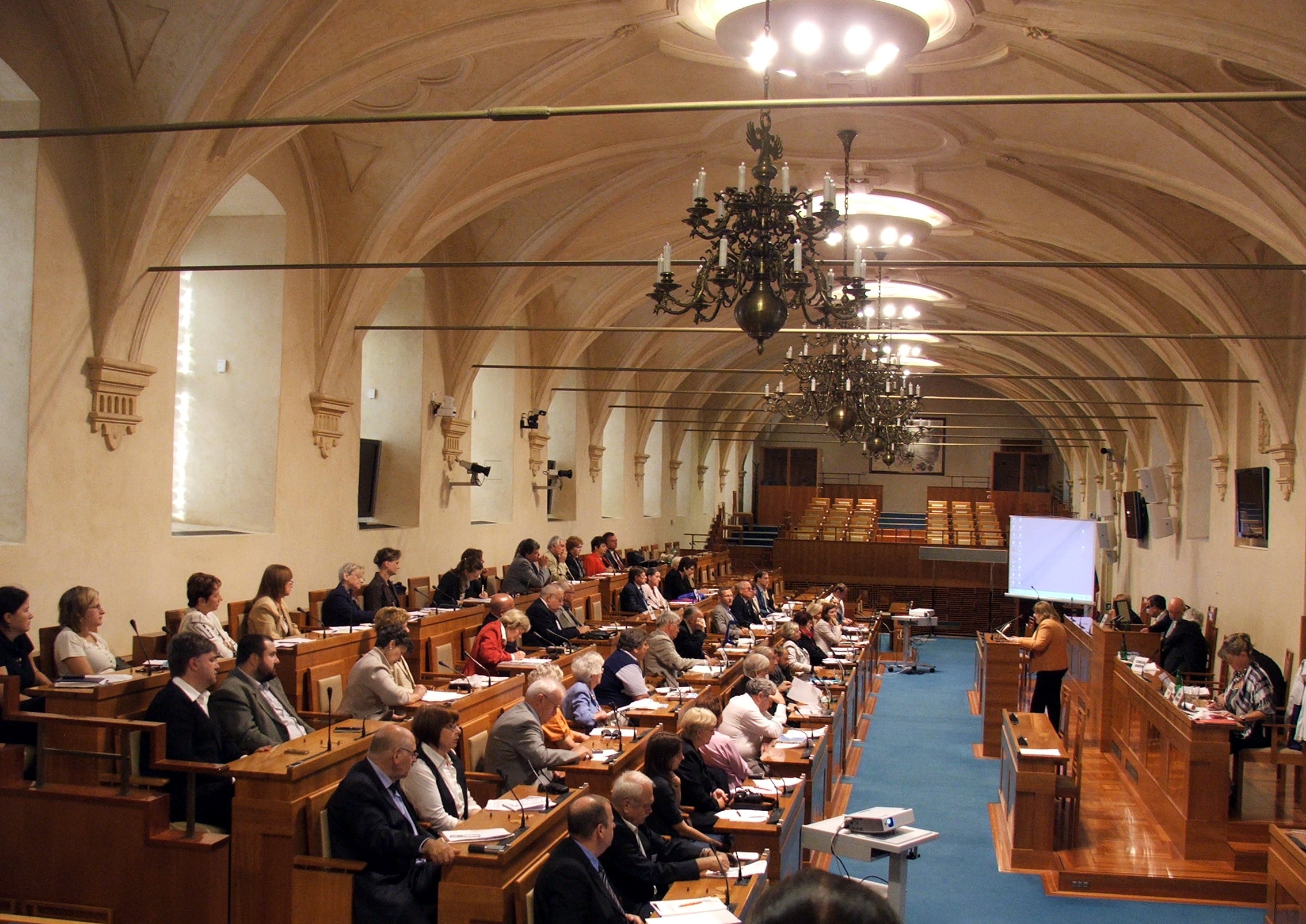
Gender equality experts and the general public have criticised the lack of female political representation in the Czech Republic. Despite these criticisms, Czech political parties still aren't presenting many female candidates in the forthcoming parliamentary election. Czech voters, argues Šárka Homfray, have few opportunities to achieve real change Read more
We use necessary cookies to make our site work. We'd also like to set analytics cookies that help us make improvements by measuring how you use the site. These will be set only if you accept.
▼
Strictly Necessary Cookies
Necessary cookies enable core functionality such as security, network management, and accessibility. You may disable these by changing your browser settings, but this may affect how the website functions.
▼
Analytics Cookies
Google Analytics
We'd like to set Google Analytics cookies to help us improve our website by collecting and reporting information on how you use it. The cookies collect information in a way that does not directly identify anyone. For more information on how these cookies work please see our Privacy Notice.