Sabine Volk
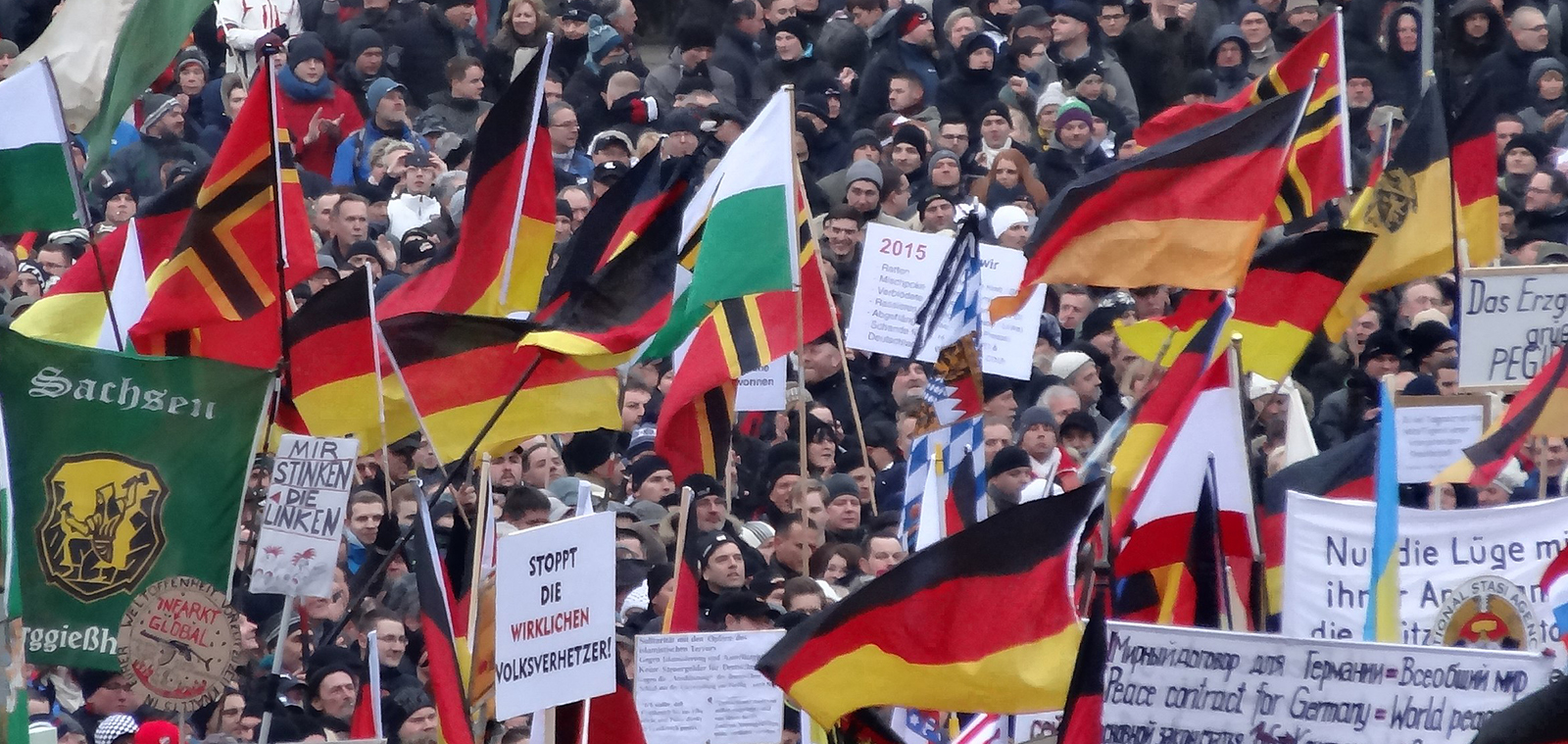
Actors from across the political spectrum, including the populist far right, have voiced concerns about safeguarding democracy amid the coronacrisis, writes Sabine Volk. But their different understandings of democracy reveal Germany’s political polarisation, rather than its unity Read more
Will Jennings
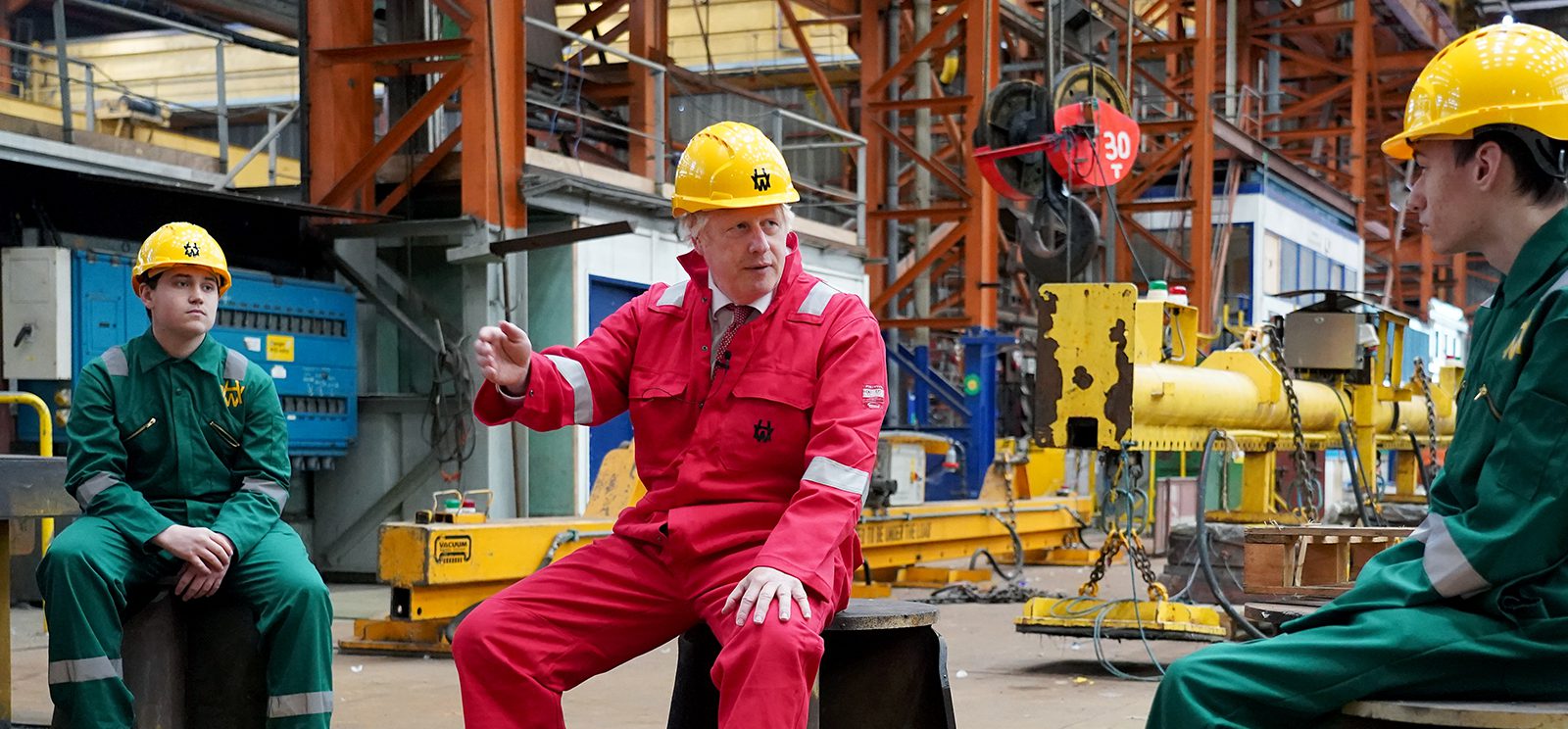
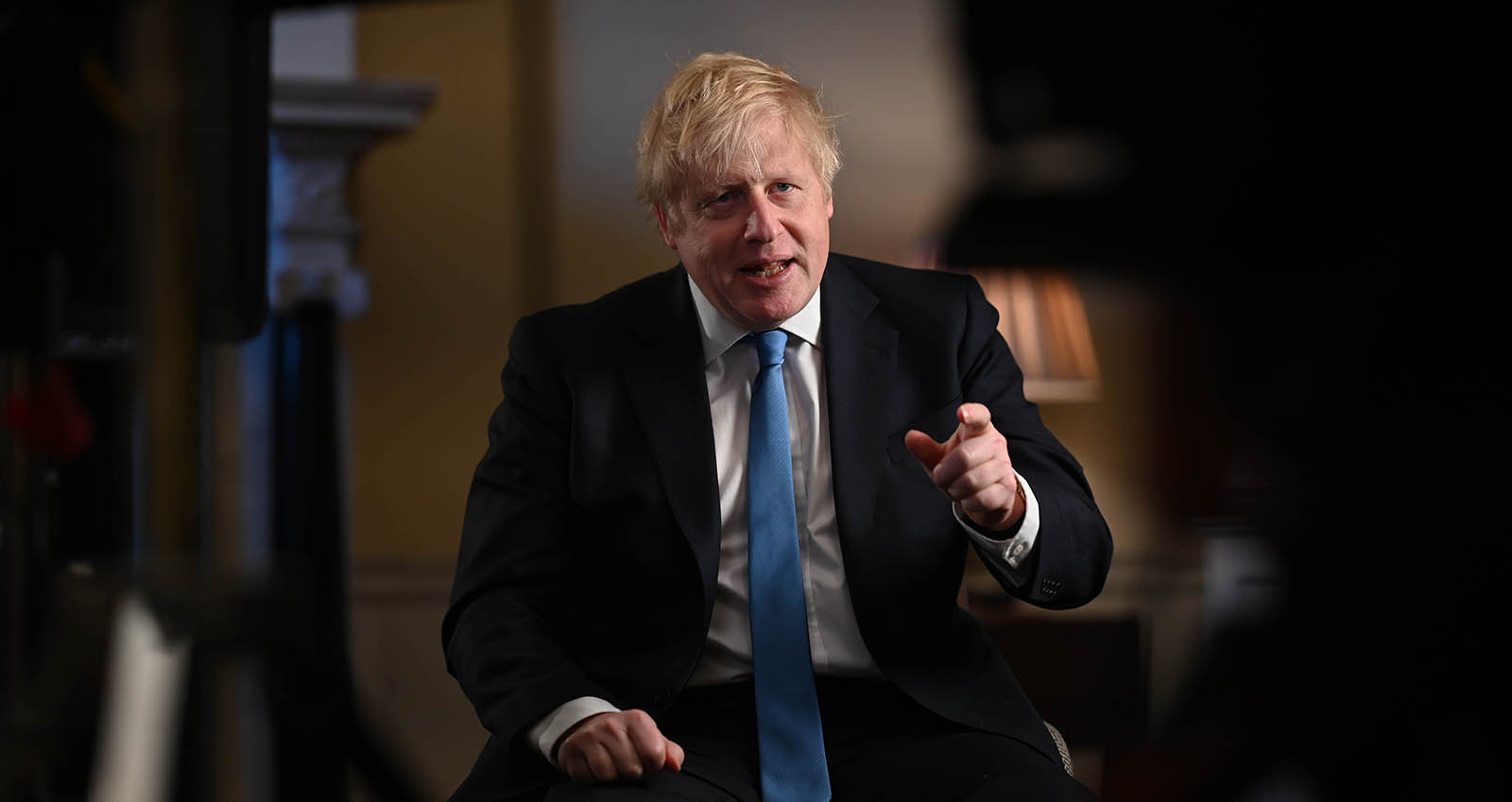
Prime Minister Boris Johnson is committed to a politics of ‘levelling up’ as the defining ambition of his government. Will Jennings, Lawrence McKay and Gerry Stoker argue that this may prove to be a long-lasting policy agenda, albeit one more of symbolism than substance Read more
Andrés Santana
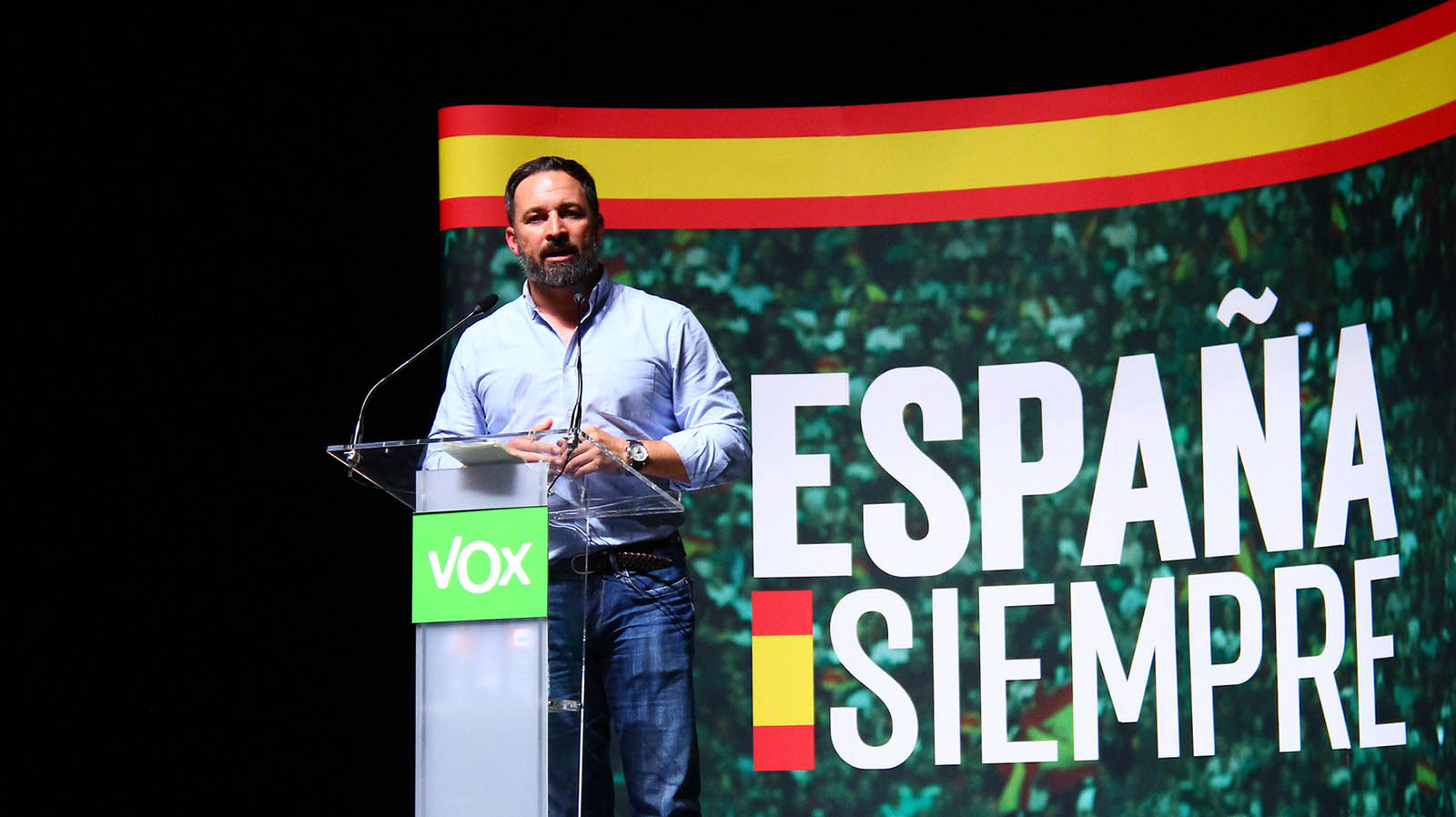
VOX has grown to become the third-largest political party in Spain. Its success means the country can no longer claim to be untouched by the rise of the European populist radical right, argue Andrés Santana, Lisa Zanotti, José Rama and Stuart Turnbull-Dugarte Read more
Stuart Wilks-Heeg
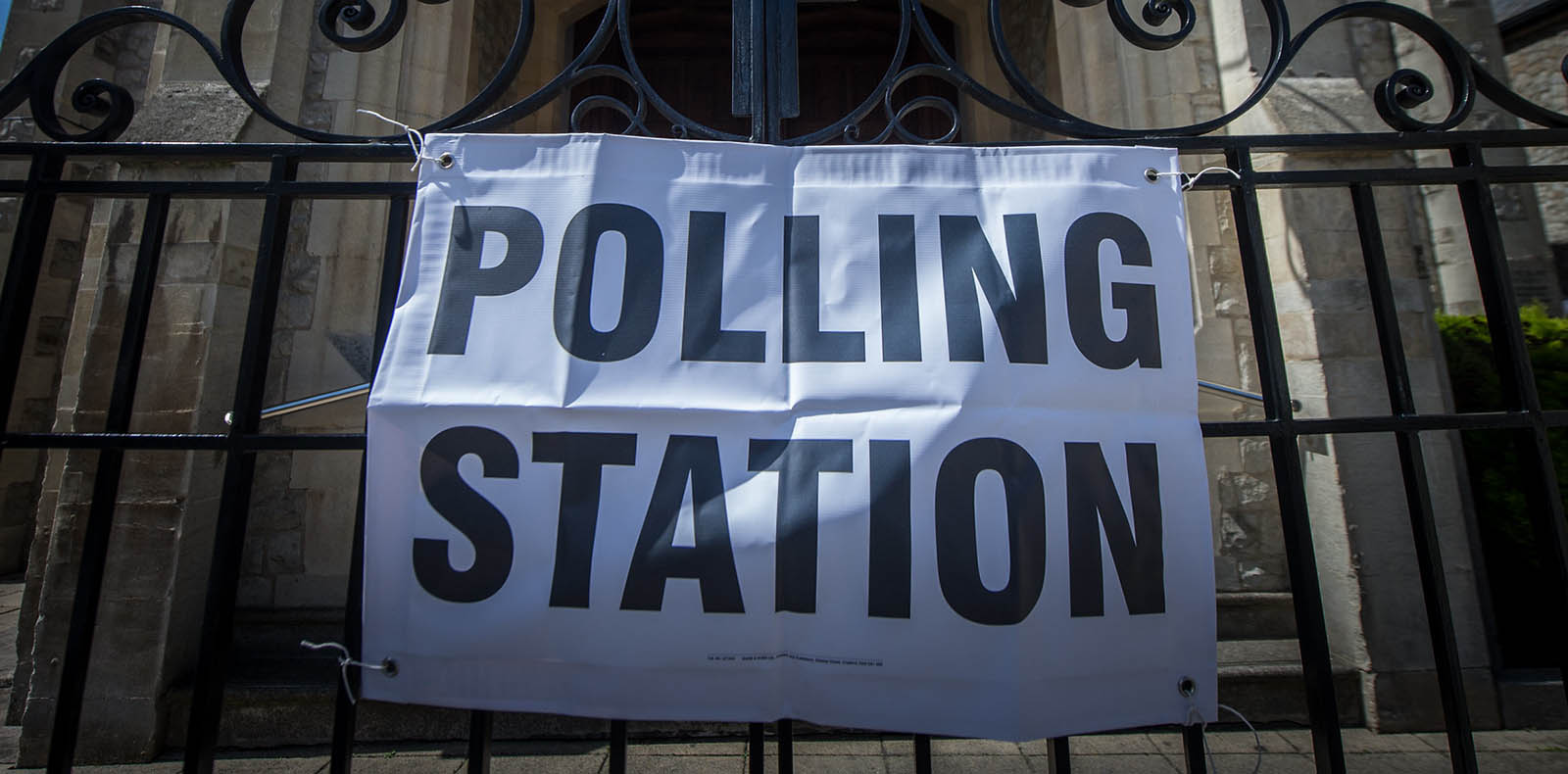
BBC general election night programmes since the 1950s have become increasingly frontloaded with discussion of projected results. Stuart Wilks-Heeg and Peter Andersen explain how this shift has developed in tandem with exit polling, and consider the implications for how the politics of election night unfolds Read more
Stefano Braghiroli
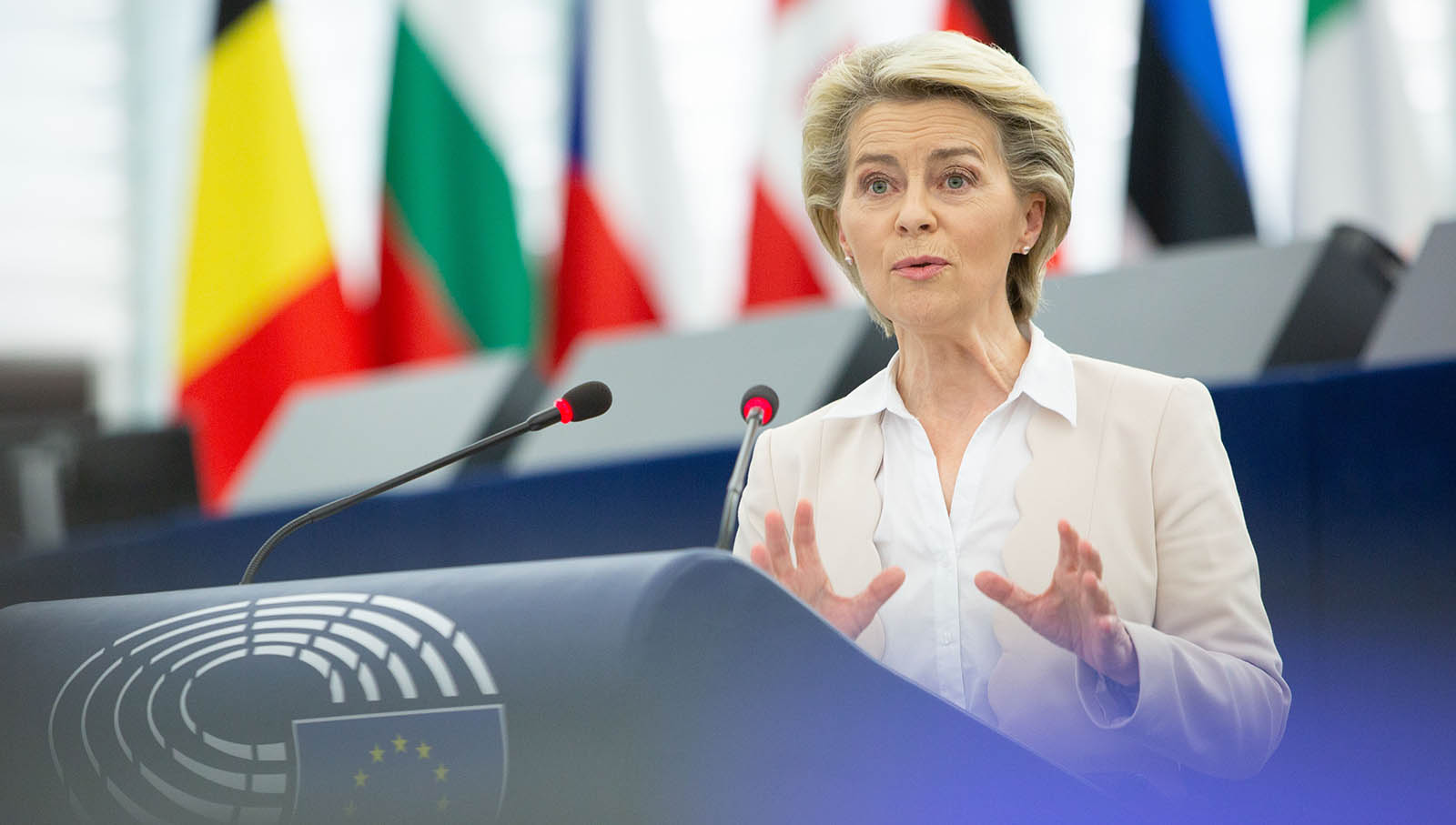
The EU has activated a Covid recovery package worth a staggering €672.5 billion. Observers focus on the role of European capitals, inter-governmental institutions, and the European Commission's coordinating role in delivering it. Yet, argues Stefano Braghiroli, we shouldn't ignore the role of the European Parliament... Read more
Ekaterina Rashkova
Millions of people no longer live in their countries of birth, and this can distort political representation, argues Ekaterina Rashkova-Gerbrands. If expats had been eligible to vote in recent Dutch parliamentary elections, we would have seen more support for innovative parties such as the D66 and Groen Links Read more
Jack Newman
Levelling up has become the centrepiece of the UK government’s vision for a post-Brexit and post-Covid Britain. It promises greater equality without anybody losing out, and it appeals to all parts of the political spectrum. But these big promises create major challenges that could be the government’s undoing, argues Jack Newman Read more
Markus Wagner
In 2015, Austria took in almost 90,000 asylum seekers – the third-highest number in Europe that year. The government housed asylum seekers in areas with little experience in welcoming refugees. These areas subsequently saw a backlash against refugees in particular, and immigrants and Muslims in general, write Markus Wagner and Lukas Rudolph Read more
We use necessary cookies to make our site work. We'd also like to set analytics cookies that help us make improvements by measuring how you use the site. These will be set only if you accept.
▼
Strictly Necessary Cookies
Necessary cookies enable core functionality such as security, network management, and accessibility. You may disable these by changing your browser settings, but this may affect how the website functions.
▼
Analytics Cookies
Google Analytics
We'd like to set Google Analytics cookies to help us improve our website by collecting and reporting information on how you use it. The cookies collect information in a way that does not directly identify anyone. For more information on how these cookies work please see our Privacy Notice.