Akudo McGee
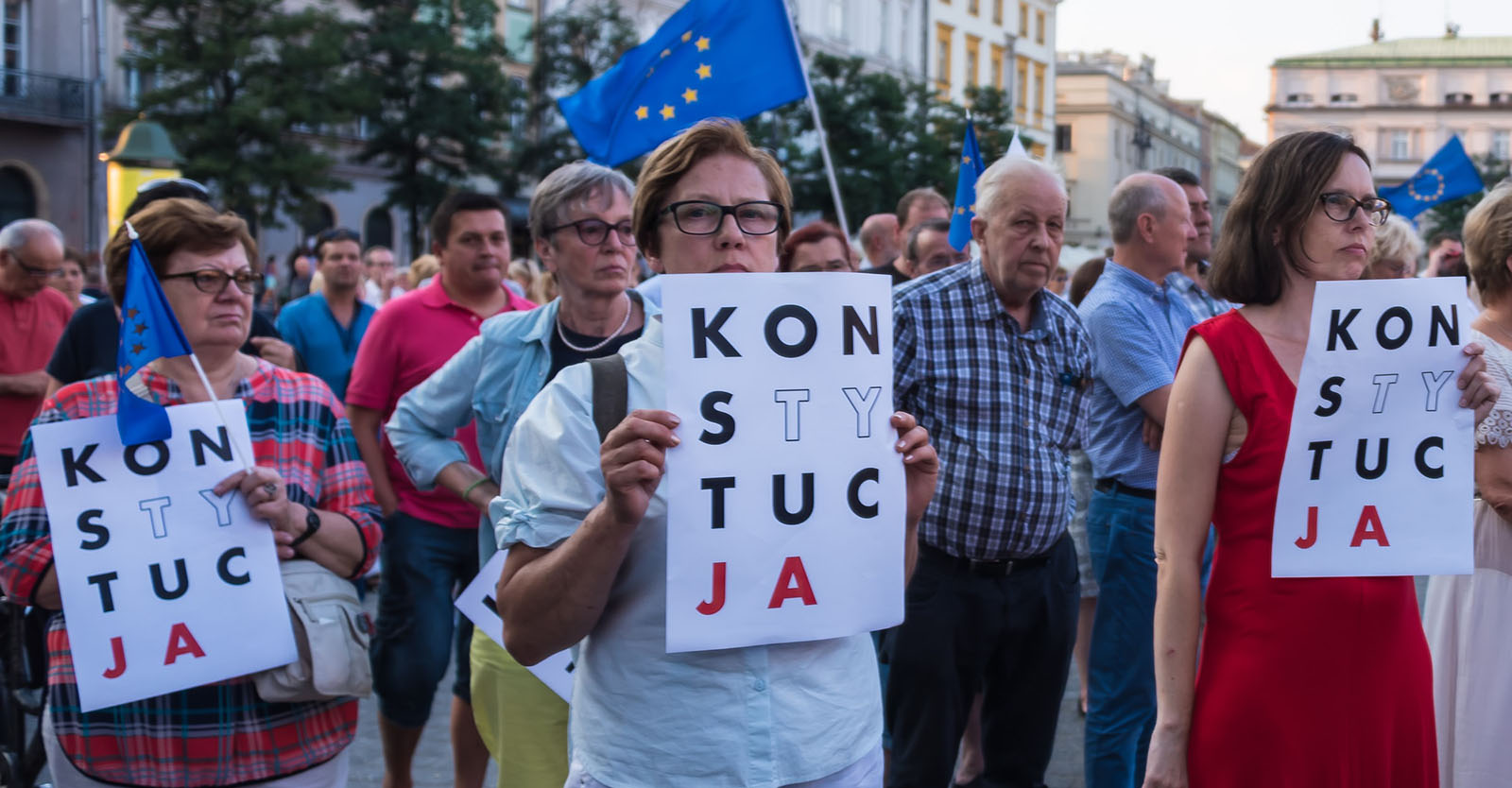
Escalating rule of law crises in Poland and Hungary have led to calls for their expulsion from the European Union. Yet, argues Akudo McGee, such calls overlook the fact that the true losers of Polexit or Hungexit won’t be unruly governments Read more
Michael Keating
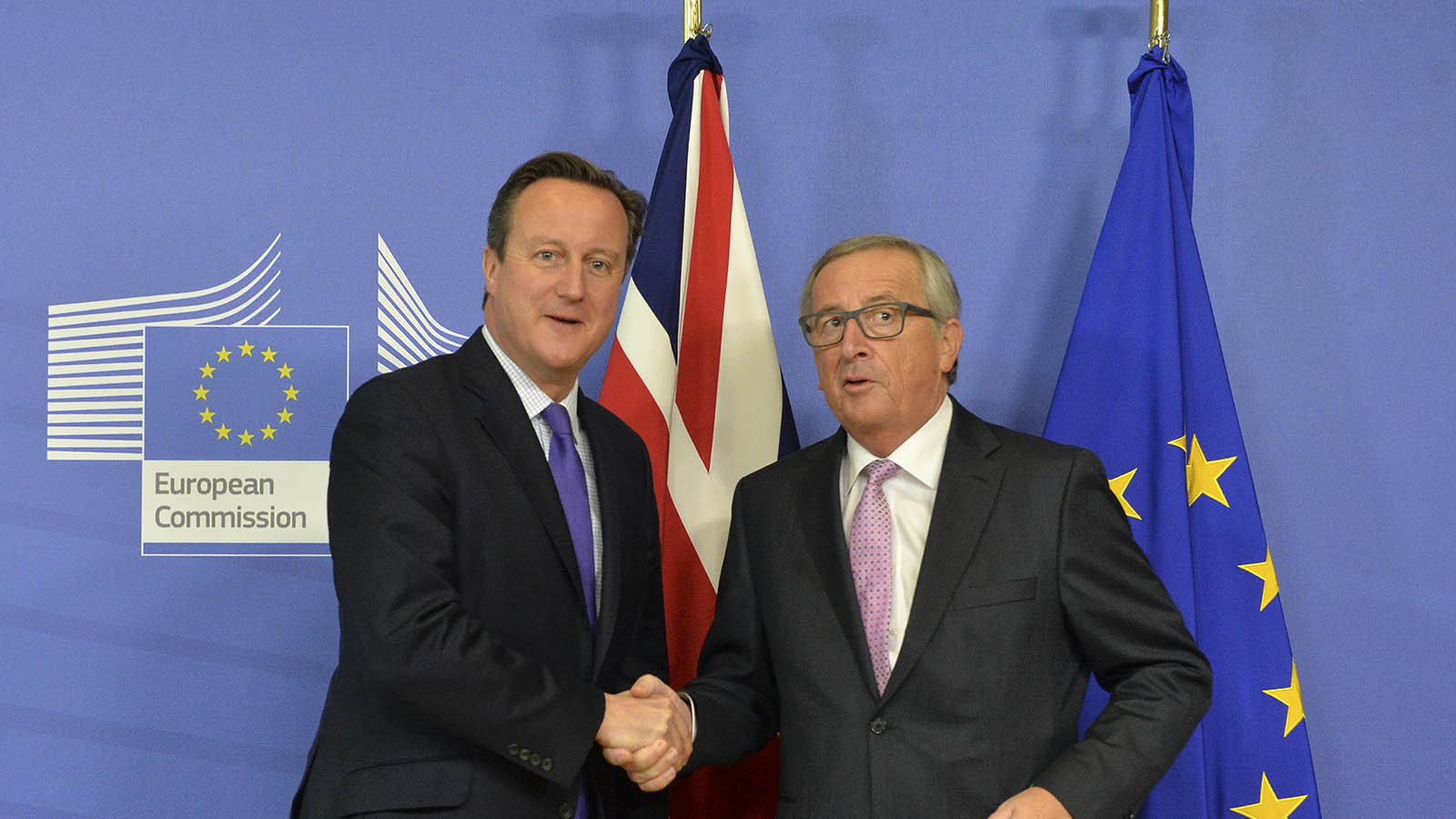
The United Kingdom has left the European Union in order to restore its national sovereignty. Yet the cost may be the break up of the UK itself, writes Michael Keating Read more
Elena Escalante Block
The European Commission is losing cases related to state aid taxation in the European General Court. If the Commission continues to suffer defeat against multinationals like Amazon, Apple and Starbucks, this could undermine the authority of its decisions on state aid, argues Elena Escalante Block Read more
Natalie Welfens
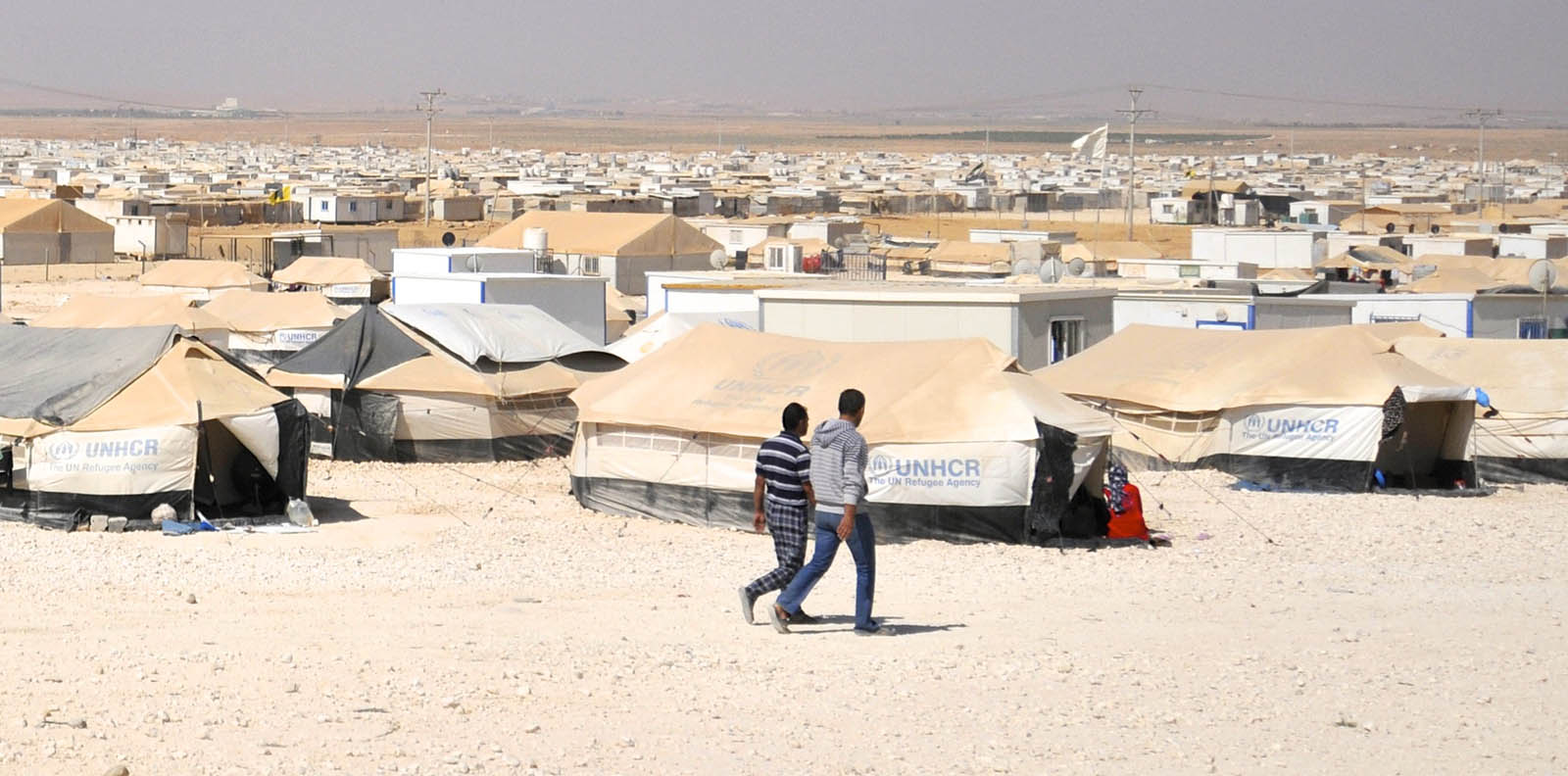
Safe and legal pathways to protection in Europe are scarce. Officially, states should admit only ‘the most vulnerable’ refugees. Yet, writes Natalie Welfens, humanitarian considerations are increasingly bound up with concerns about refugees' social and cultural fit with the admission state Read more
Léonie De Jonge
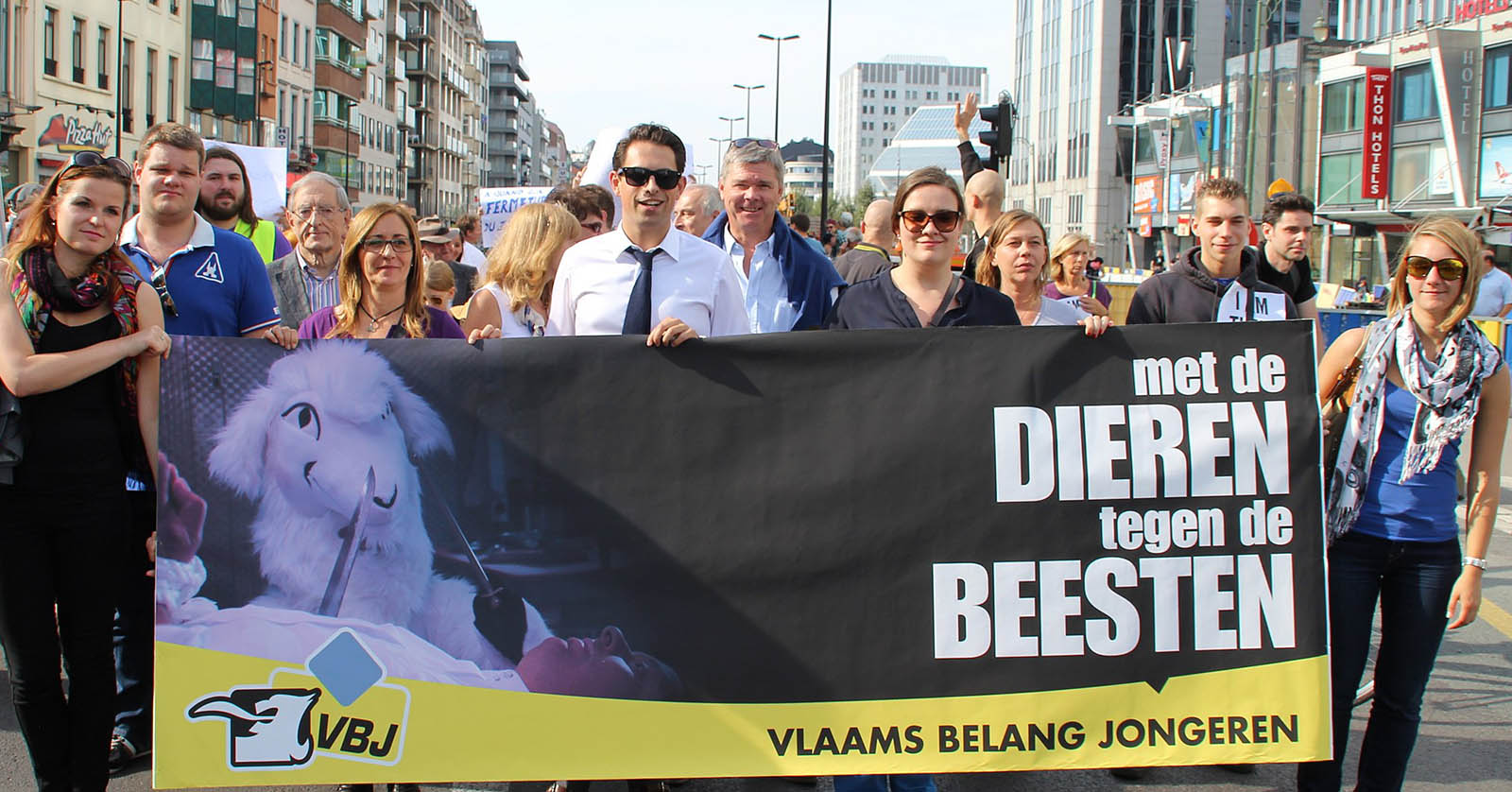
Right-wing populism is not contagious; it only spreads if mainstream parties and the media diffuse it. This helps explain why right-wing populist parties are more successful in the Netherlands and Flanders than in Luxembourg and Wallonia, writes Léonie de Jonge Read more
Andrew S. Roe-Crines
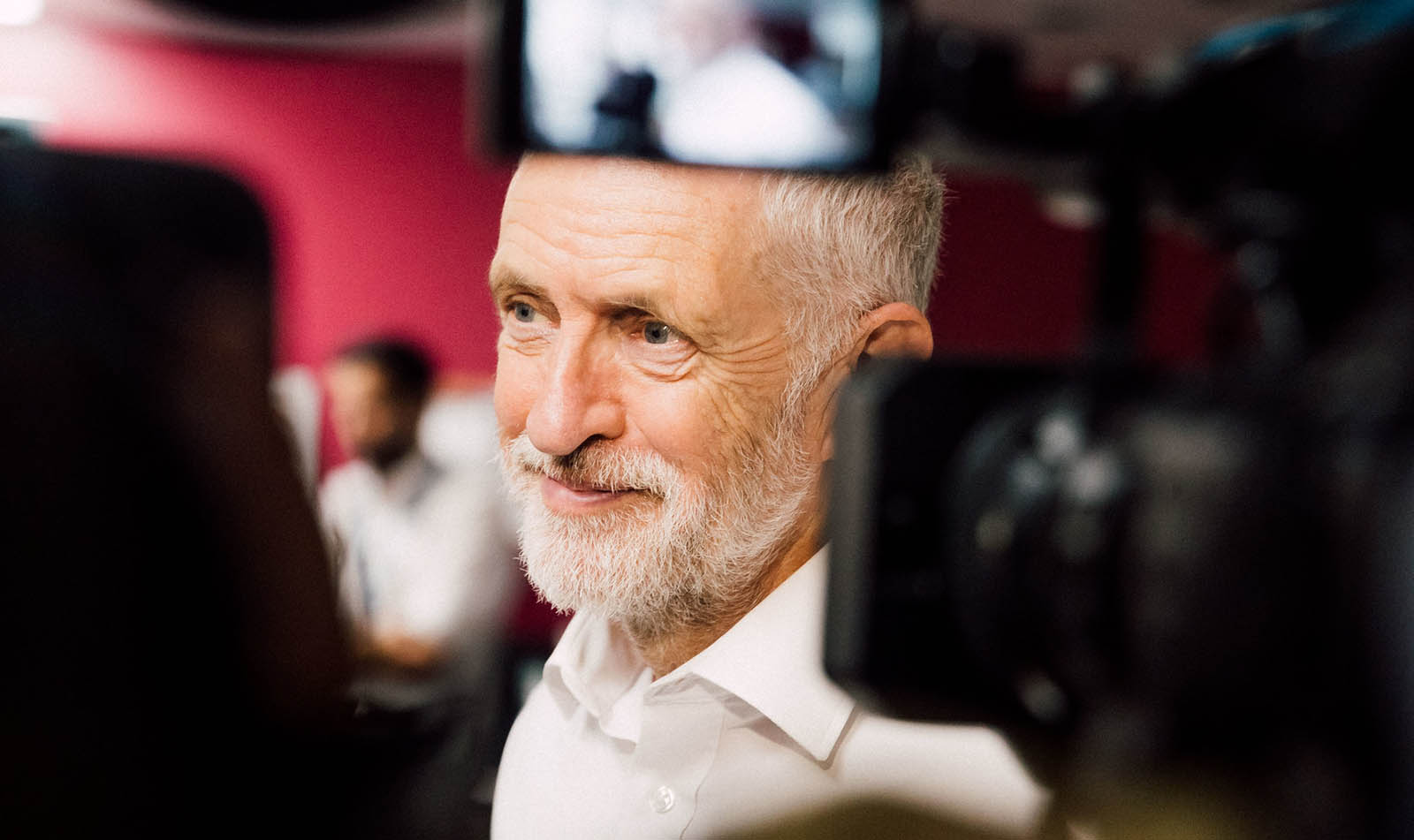
According to one’s personal perspective, Jeremy Corbyn’s leadership either wrecked the Labour Party, or came close to saving it. But where does ‘Corbynism’ stand now under new leader Keir Starmer? Andrew S. Roe-Crines argues that it is entrenched in a longstanding historical debate about what Labour stands for Read more
Constance Woollen
British politics has, traditionally, been divided along straightforward left-right lines. But Brexit disrupted this pattern, creating opportunities for a ‘European integration dimension’ to take hold, argues Connie Woollen. The deep rifts in public opinion, within parties and in Parliament, could dramatically reshape British electoral politics Read more
Vassilis Petsinis
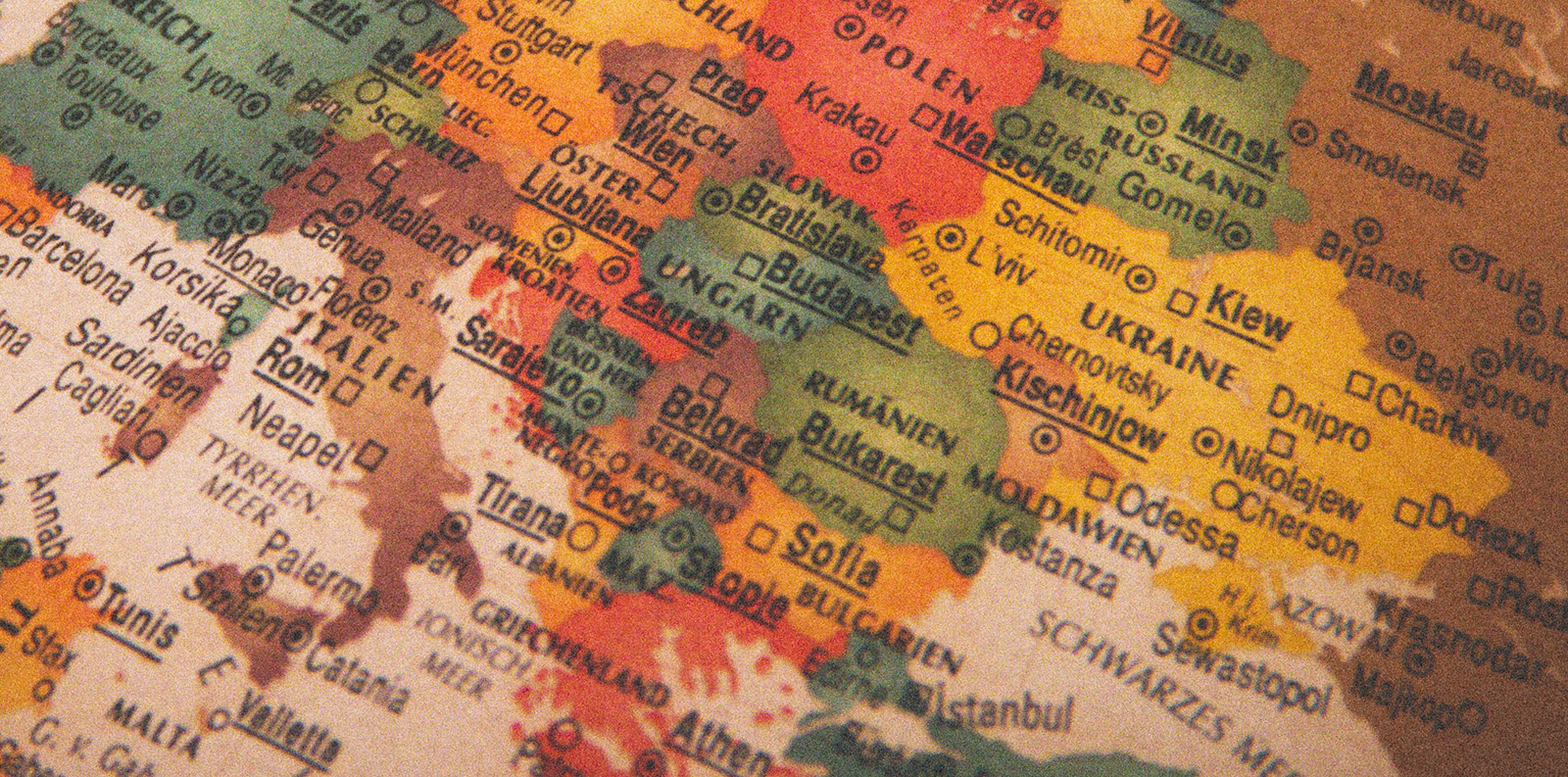
Euroscepticism manifests itself in different ways in the Balkans. Why? Vassilis Petsinis argues that grasping the differences between attitudes in different Balkan nations helps explain Serbia’s long and complex EU accession process Read more
We use necessary cookies to make our site work. We'd also like to set analytics cookies that help us make improvements by measuring how you use the site. These will be set only if you accept.
▼
Strictly Necessary Cookies
Necessary cookies enable core functionality such as security, network management, and accessibility. You may disable these by changing your browser settings, but this may affect how the website functions.
▼
Analytics Cookies
Google Analytics
We'd like to set Google Analytics cookies to help us improve our website by collecting and reporting information on how you use it. The cookies collect information in a way that does not directly identify anyone. For more information on how these cookies work please see our Privacy Notice.