Martin Westlake
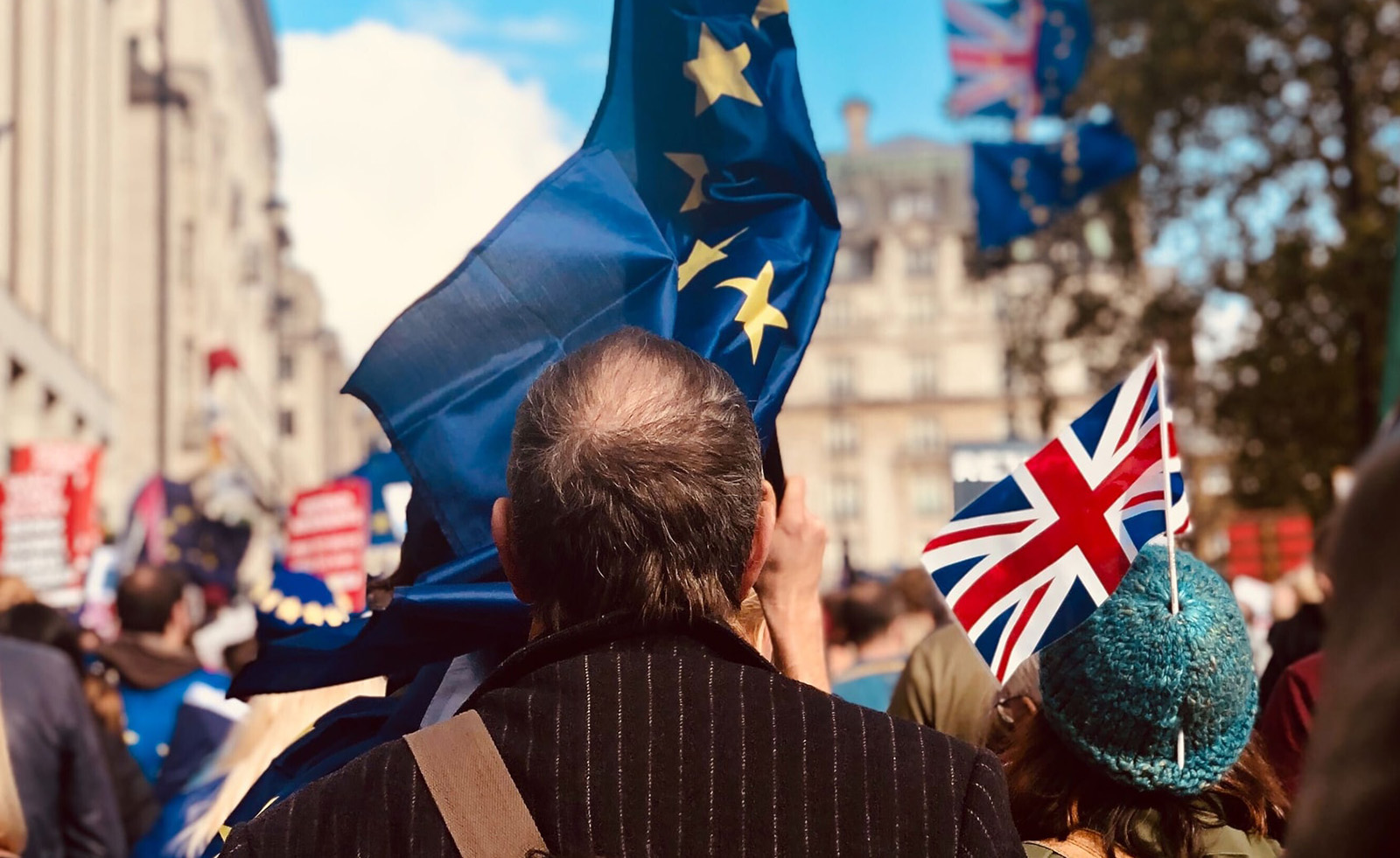
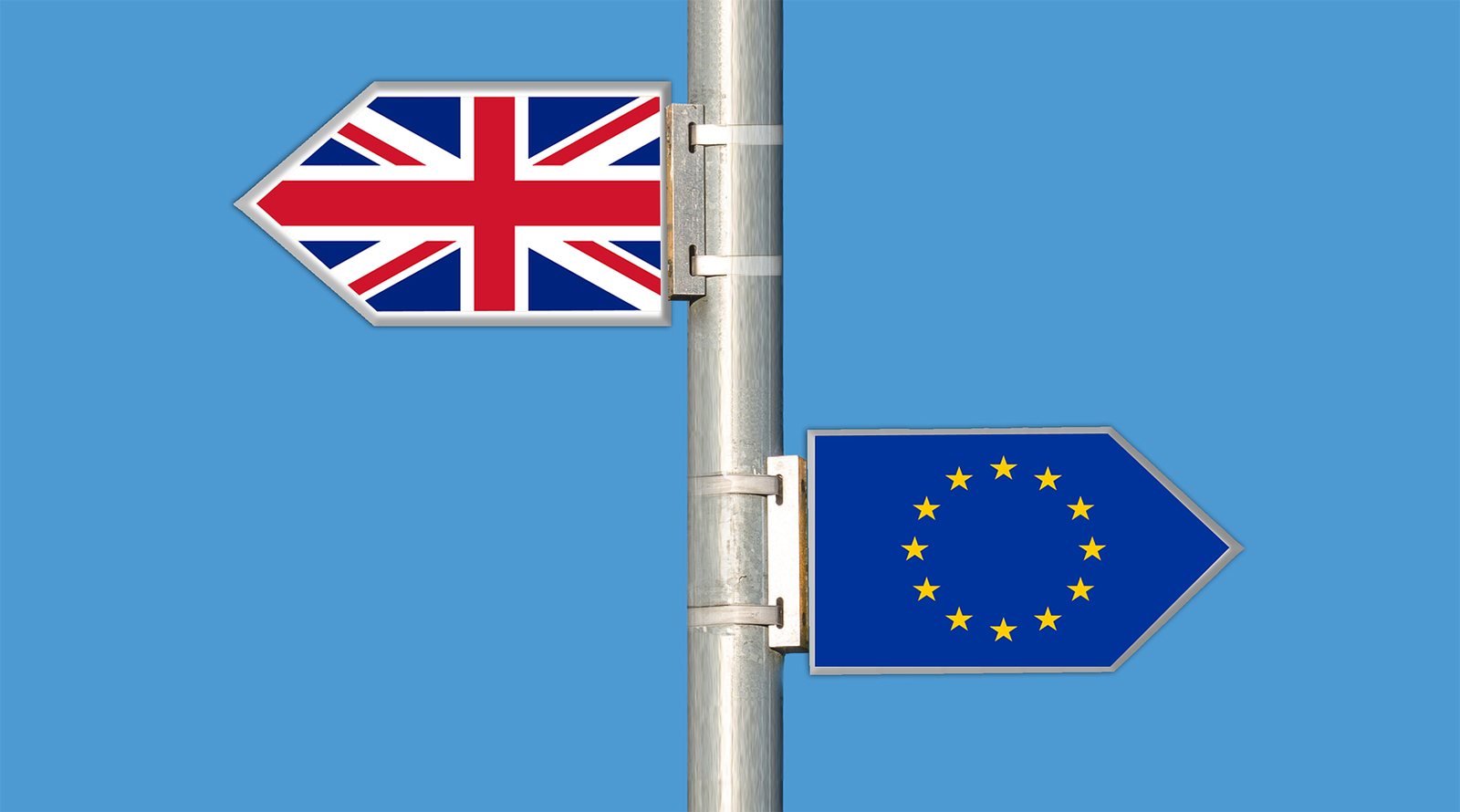
EU-UK free trade talks will open the way for a bigger debate on their long-term relationship, writes Martin Westlake. The EU will have to recognise the UK’s exceptional status and the UK will have to accept it cannot completely escape the pull of the EU’s internal market. What that means is a continued important role for the UK to play in Europe Read more
Jon Tonge
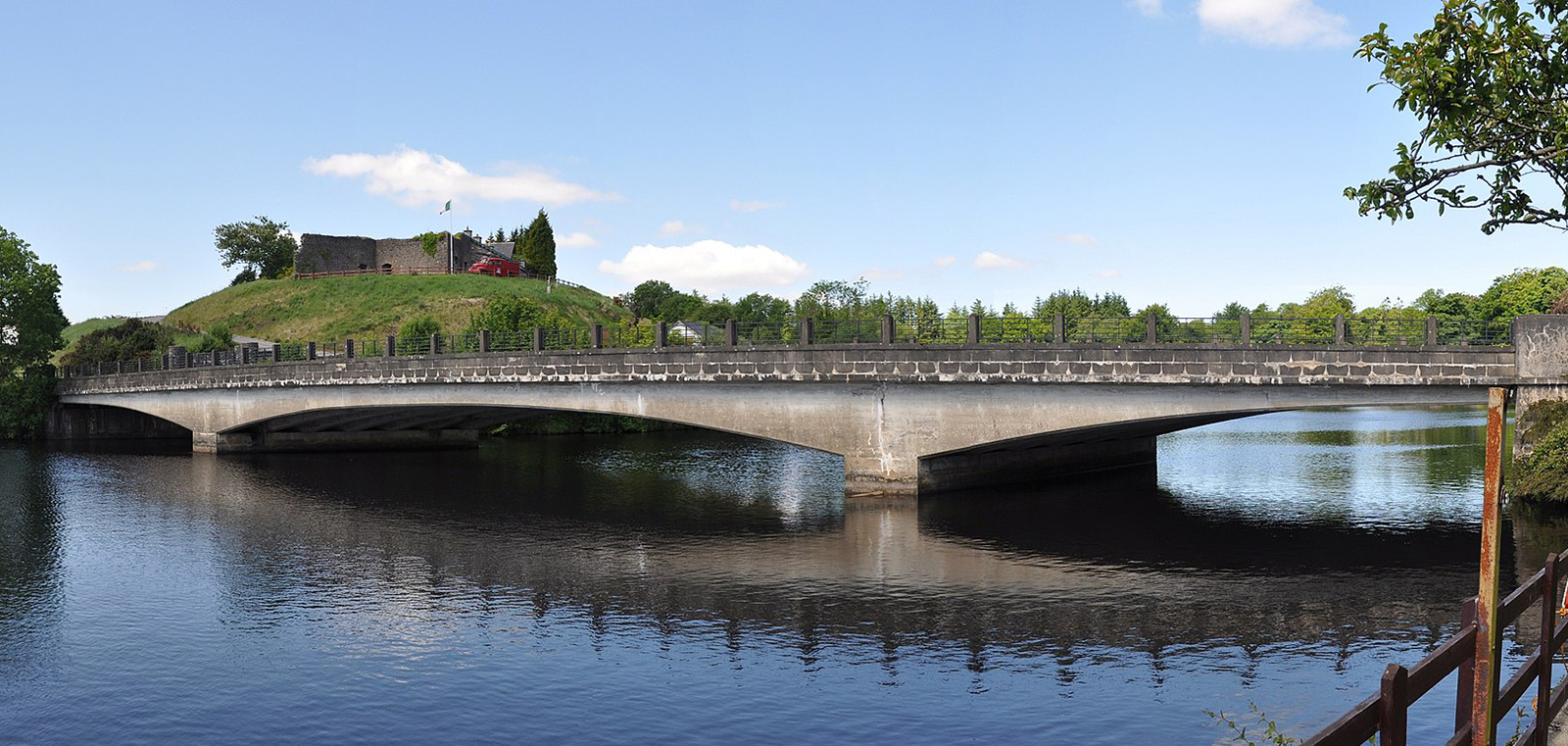
It’s popular to speak of Brexit bringing a United Ireland nearer, but the mixed nature of polling evidence, the divisions between nationalists and unionists and the limited mechanisms that can actually produce a referendum suggest that Irish unity may remain distant, writes Jonathan Tonge Read more
Andrew Glencross
A UK-EU free trade agreement can attenuate the sovereignty debate that spawned Brexit, writes Andrew Glencross. But Brexit will replace an institutionally robust relationship with one that is far more sensitive to public opinion and political partisanship Read more
Mehmet Bardakçı
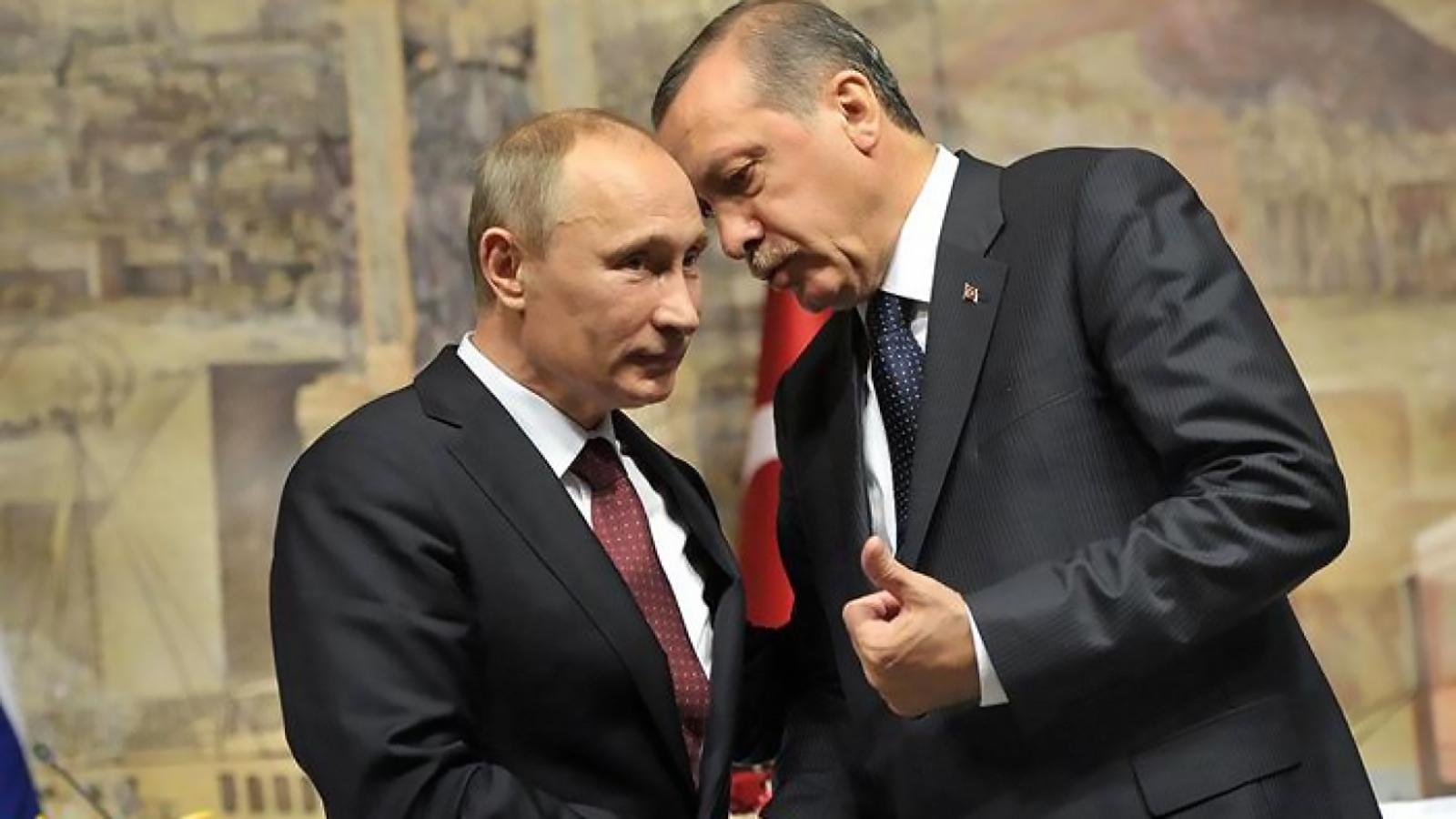
Despite the growing accord between Moscow and Ankara, a relationship that has grown ever closer over the past three decades, a new strategic partnership is unlikely to develop in the near future, writes Mehmet Bardakçı, due to significant differences over geostrategic interests, the lack of a mutual social base to the relationship, and the limited capacity of Russia as an economic partner Read more
Sarah Engler
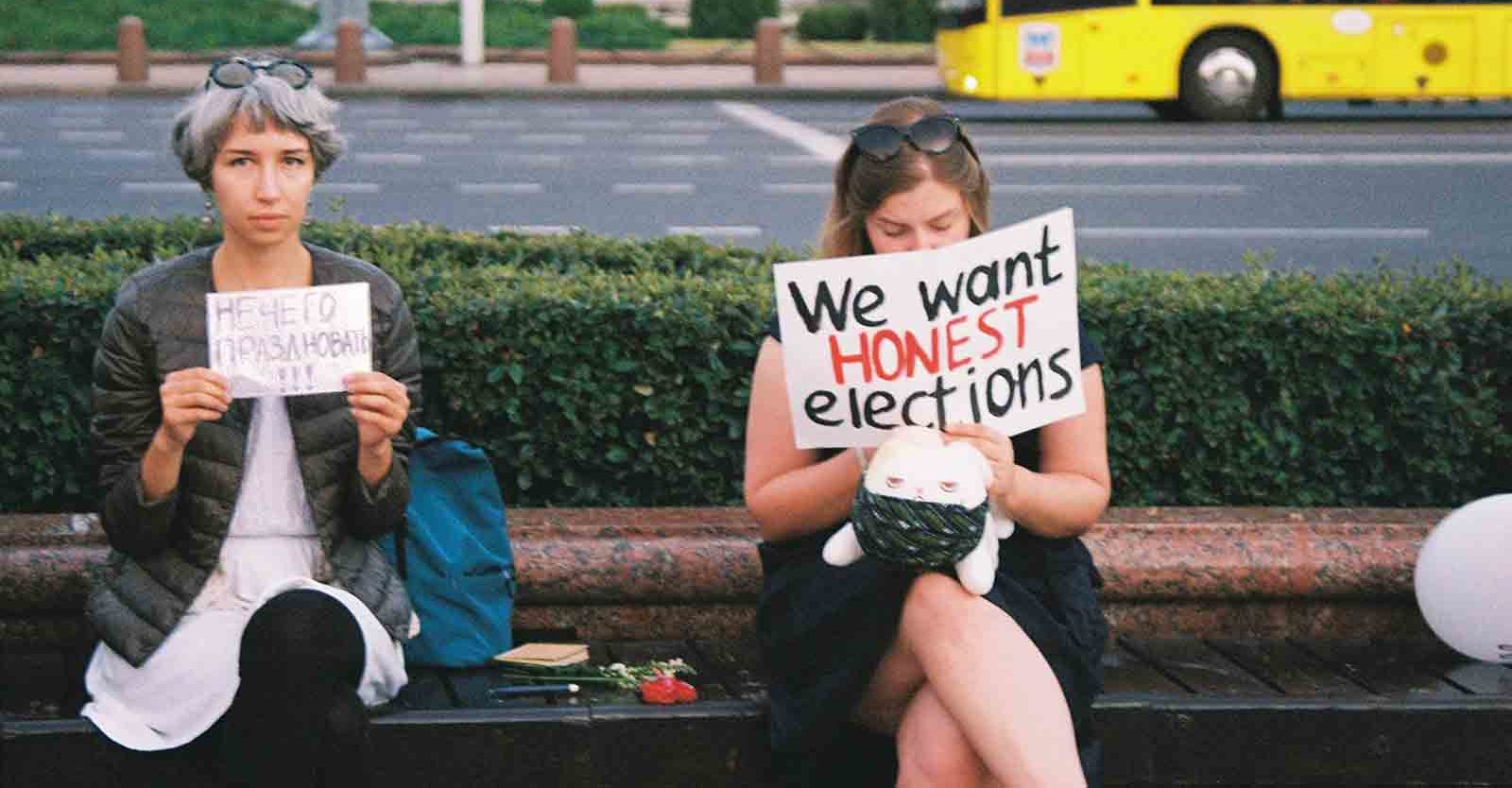
Only populist parties fight elections using anti-corruption slogans, right? Wrong. Sarah Engler finds that other parties too, sloganeer in this way – many without any reference to the ‘corrupt elite’ Read more
Maria Giulia Amadio Viceré
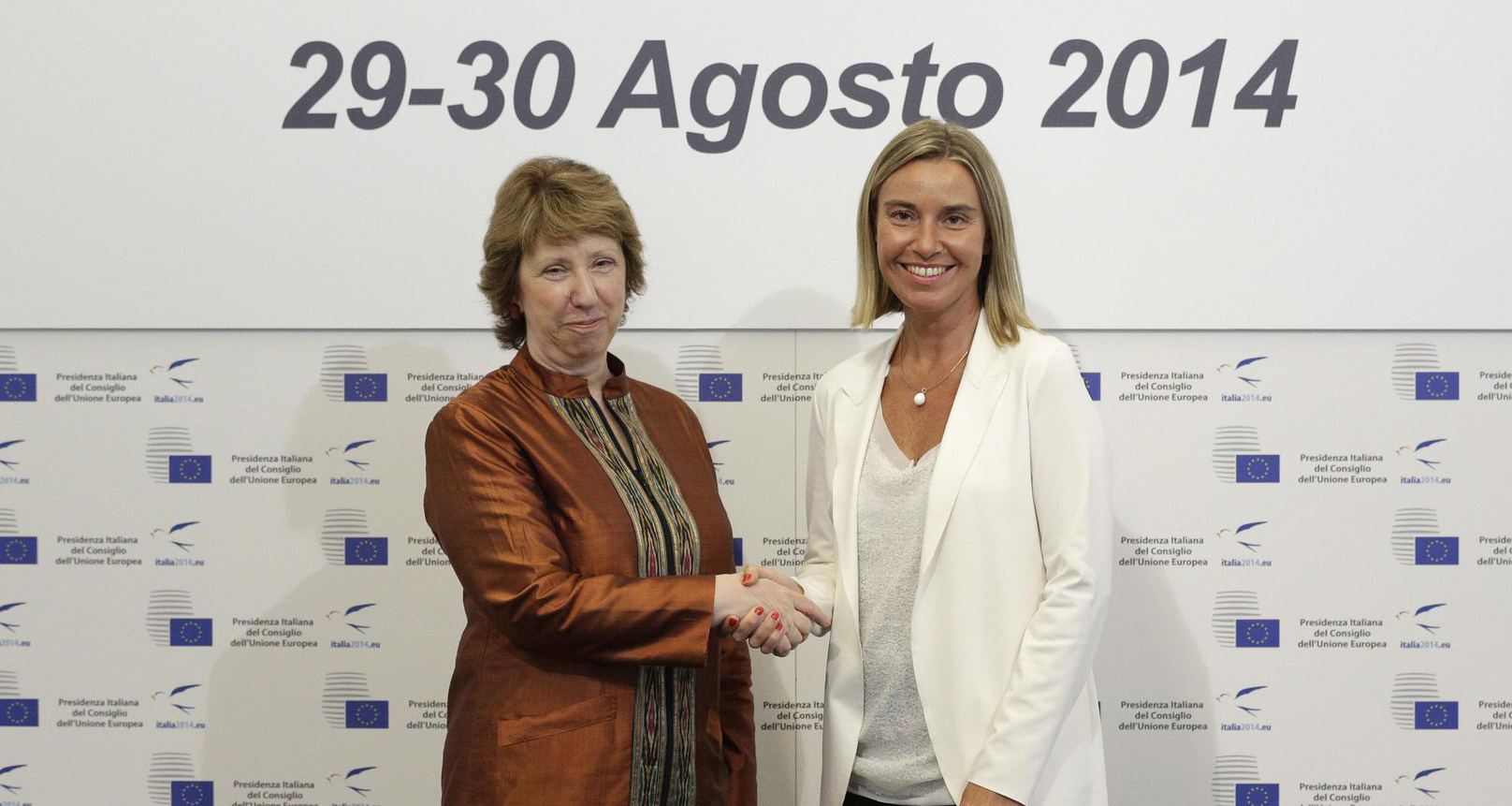
The post-Lisbon High Representative was supposed to bridge the supranational and intergovernmental facets of EU foreign policy. But Catherine Ashton and Federica Mogherini showed that institutional constraints persist – and their personal leadership skills were significant in achieving a common foreign policy, write Maria Giulia Amadio Viceré and Giulia Tercovich Read more
Stuart A Brown
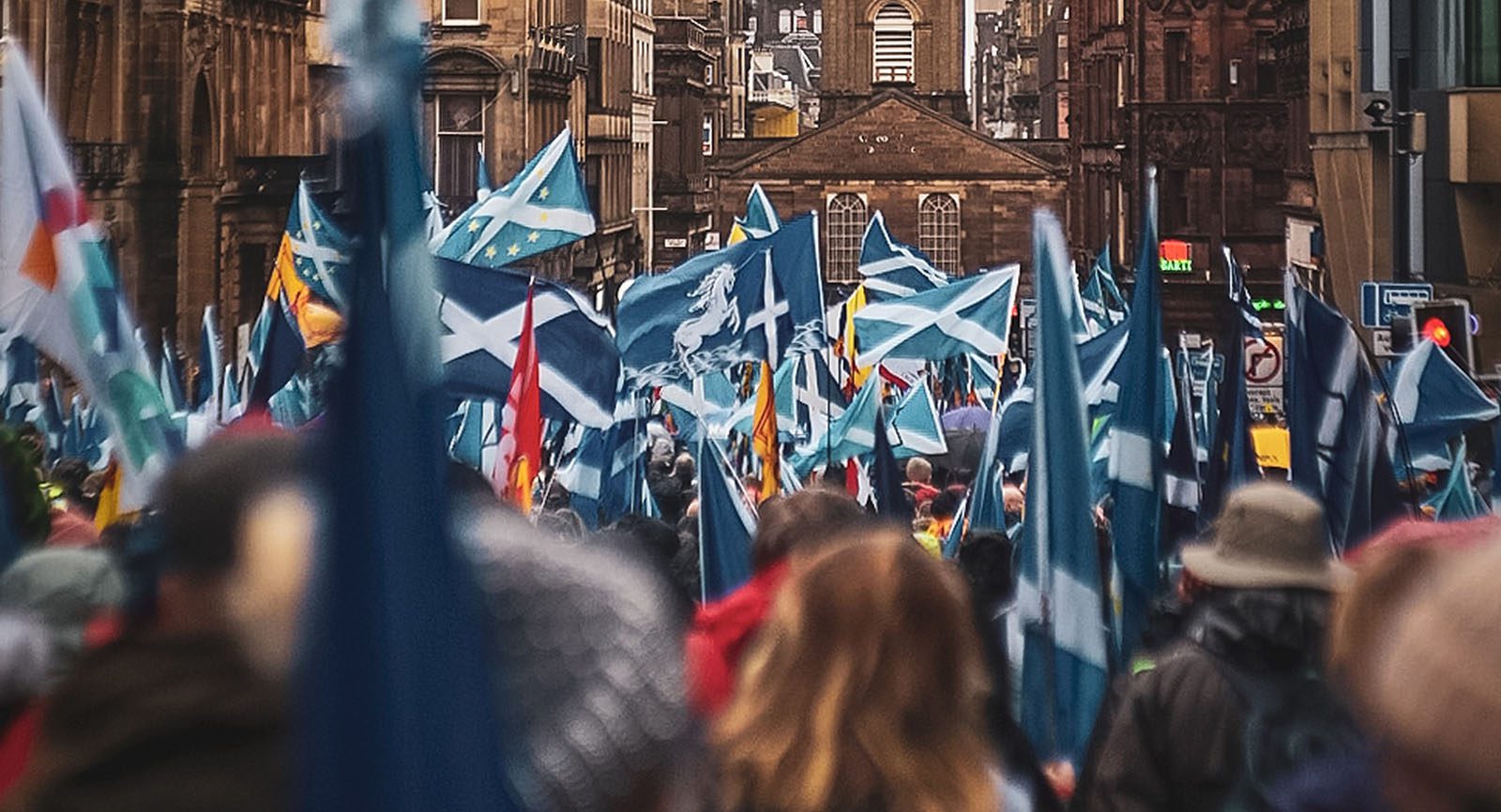
Scottish independence voters in the 2014 referendum refused to accept the UK government’s position that this was a ‘once in a generation’ opportunity. Six years on and a second referendum is back on the agenda, writes Stuart Brown Read more
We use cookies to ensure that we give you the best experience on our website. If you continue to use this site we will assume that you are happy with it.