Benjamin Leruth
A new European party, Volt, debuted in the Tweede Kamer following last week's Dutch elections. The party faces challenges, but it could play a role in domestic political landscapes throughout Europe, writes Benjamin Leruth Read more
Christel Koop
Often labelled technocratic and expertise-driven, the Commission’s ‘unelected bureaucrats’ in fact take public opinion seriously. When facing crises, the Commission uses agenda-priorities to respond to citizens’ cues, write Christel Koop, Christine Reh and Edoardo Bressanelli Read more
Lucas Schramm
In 2020 Germany promoted a bold European response to the corona crisis, involving common EU debt. This contrasts starkly with its position a decade before, when it favoured austerity over fiscal stimulus and debt pooling. Lucas Schramm and Amandine Crespy argue that the specific nature of the corona crisis reconfigured Germany’s national interests in Europe Read more
Luca Doll
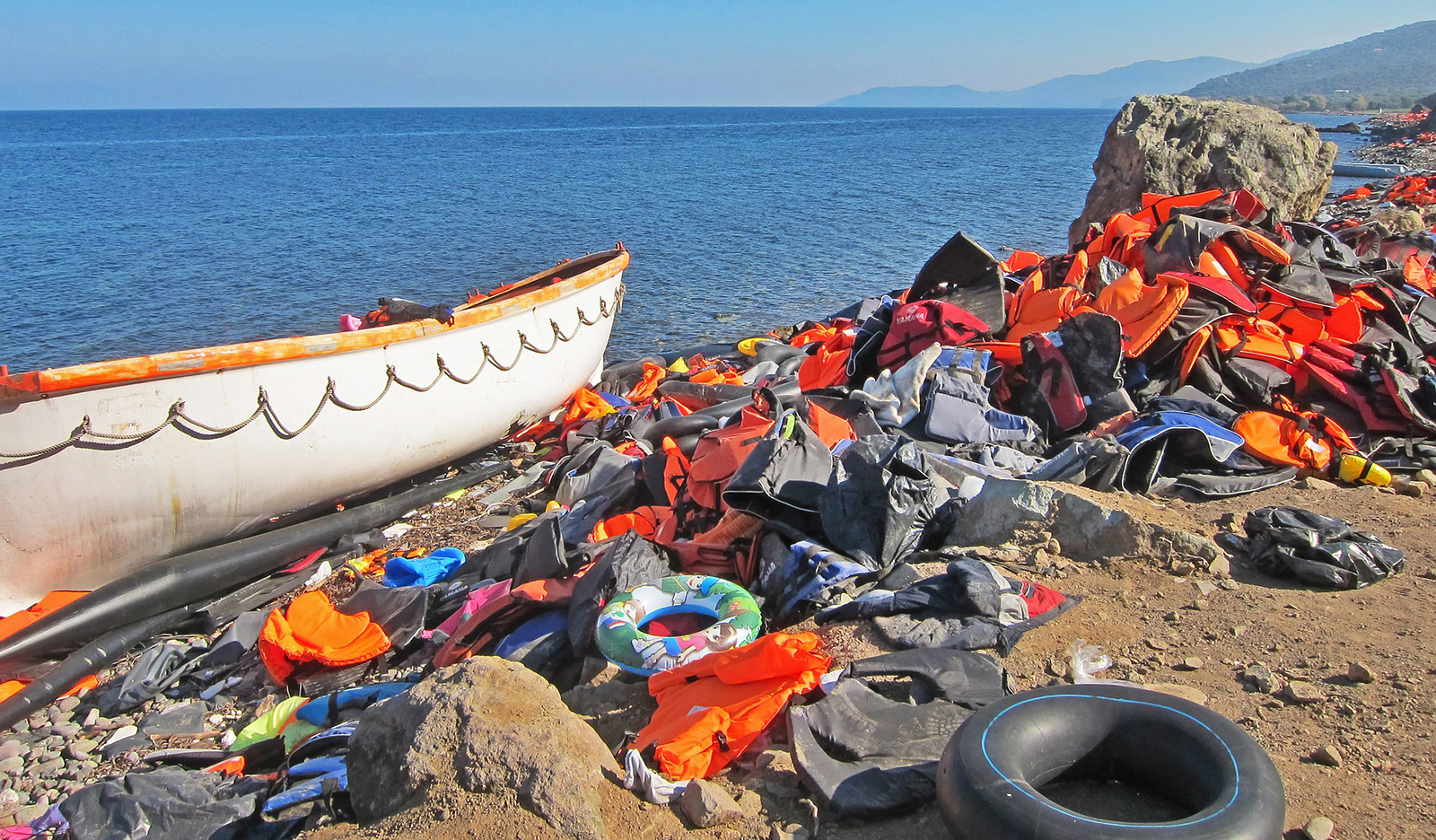
The European Union has disengaged from search and rescue in the Mediterranean, outsourcing its border management to a third state and effectively criminalising NGOs that step into the gap. This, writes Luca Doll, is a policy that needs urgent review Read more
Angie Gago
From 2014, ECJ decisions on welfare access have departed significantly from previous case law. Angie Gago and Francesco Maiani analyse two Court dialogues, one with the EU legislator, the other with national authorities Read more
Anna Elomäki
While EU crisis responses are often gender blind, European Parliament gender equality actors have managed to develop gendered EU Covid recovery policies. Still, argue Anna Elomäki and Johanna Kantola, equality is only welcome when it does not challenge dominant economic priorities Read more
Sergio Fabbrini
Although appointed unexpectedly, Mario Draghi is much more than just a stop-gap, technocratic Prime Minister. Sergio Fabbrini argues that Draghi's vision for Europe could make Italy one of the key voices in the European debate Read more
Danilo Di Mauro
The refugee crisis has led to changes in EU migration policy management. But effective reform of the so-called Dublin System that could resolve the crisis has so far eluded the EU. To understand the prospects for change, Danilo di Mauro and Vincenzo Memoli argue that we should examine how public opinion influences political parties, and elites Read more
We use cookies to ensure that we give you the best experience on our website. If you continue to use this site we will assume that you are happy with it.