Maria Gloria Polimeno
EU independence from Russia's fossil fuels is predicated on a defence of democratic principles. Yet, argues Maria Gloria Polimeno, a moral contradiction in policy is emerging as EU member states seeks other suppliers. This highlights the need for a sustainable green transition in EU energy supplies Read more
Felipe Arocena
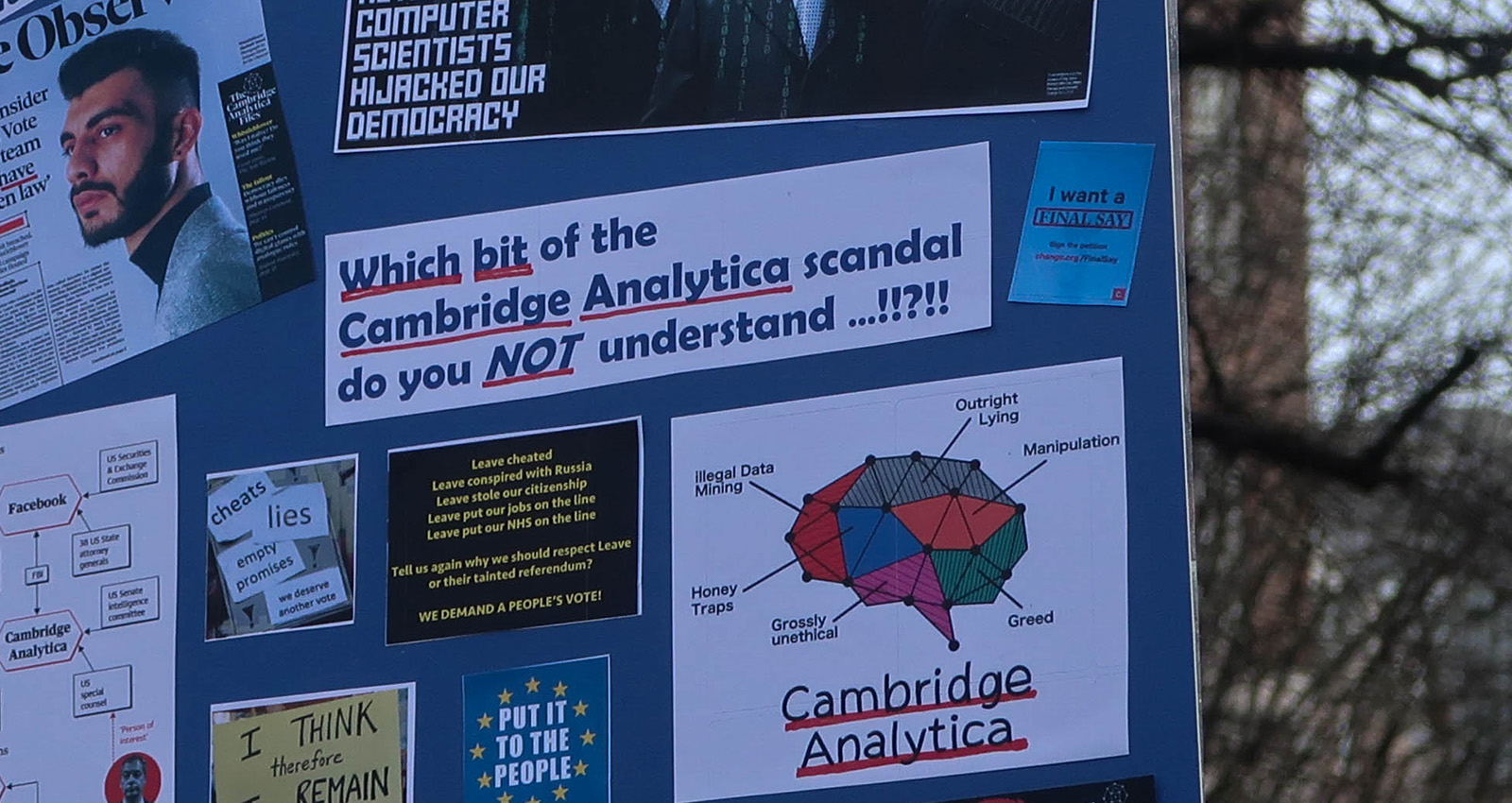
The internet has not, as many hoped, delivered positive change for democracy. But according to Felipe Arocena, there is still a meaningful way to confront the authoritarian advances of new technological powers and reinforce democracy – rebellion Read more
Martino Comelli
Christian democracy is the political culture that has been the driving force behind European integration. Yet, according to Martino Comelli, it has also facilitated the democratic backsliding of some countries of central and east Europe by providing an illiberal political toolbox of narratives and policies Read more
Frowin Rausis
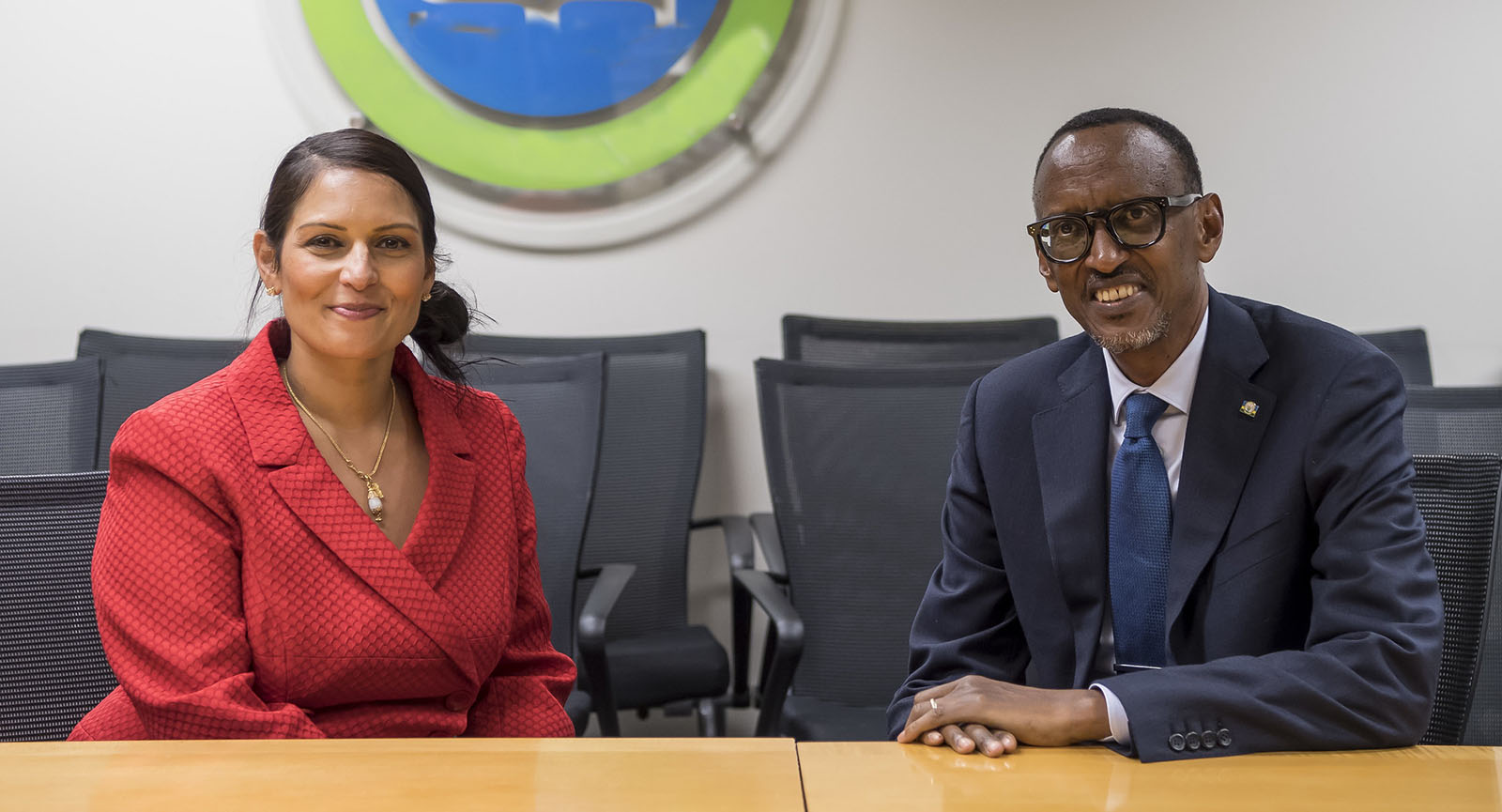
The UK’s ‘New Plan for Immigration’ allows the government to send asylum seekers to Rwanda, reflecting the latest aspiration to externalise refugee protection. Frowin Rausis and Konstantin Kreibich show that the idea is not new. Different countries have toyed with it for years – and failed consistently Read more
Hannah Muzee
The British government's Rwanda-UK asylum deal exposes the detrimental effects of an absolute state sovereignty principle in the African Union. This principle, argues Hannah Muzee, is a major stumbling block to Africa’s desired unification objectives Read more
Alistair Cole
Incumbent French President Macron has been re-elected for a second five-year term. This is not a simple success story, Alistair Cole argues. The election revealed disturbing trends in French democracy. Read more
Ben Seyd
Can policymakers expect people to comply with official health restrictions out of fear rather than because they trust the government? Ben Seyd suggests the answer is no. Governments still need trust to motivate citizens to comply with important collective rules. Read more
Richard Sakwa
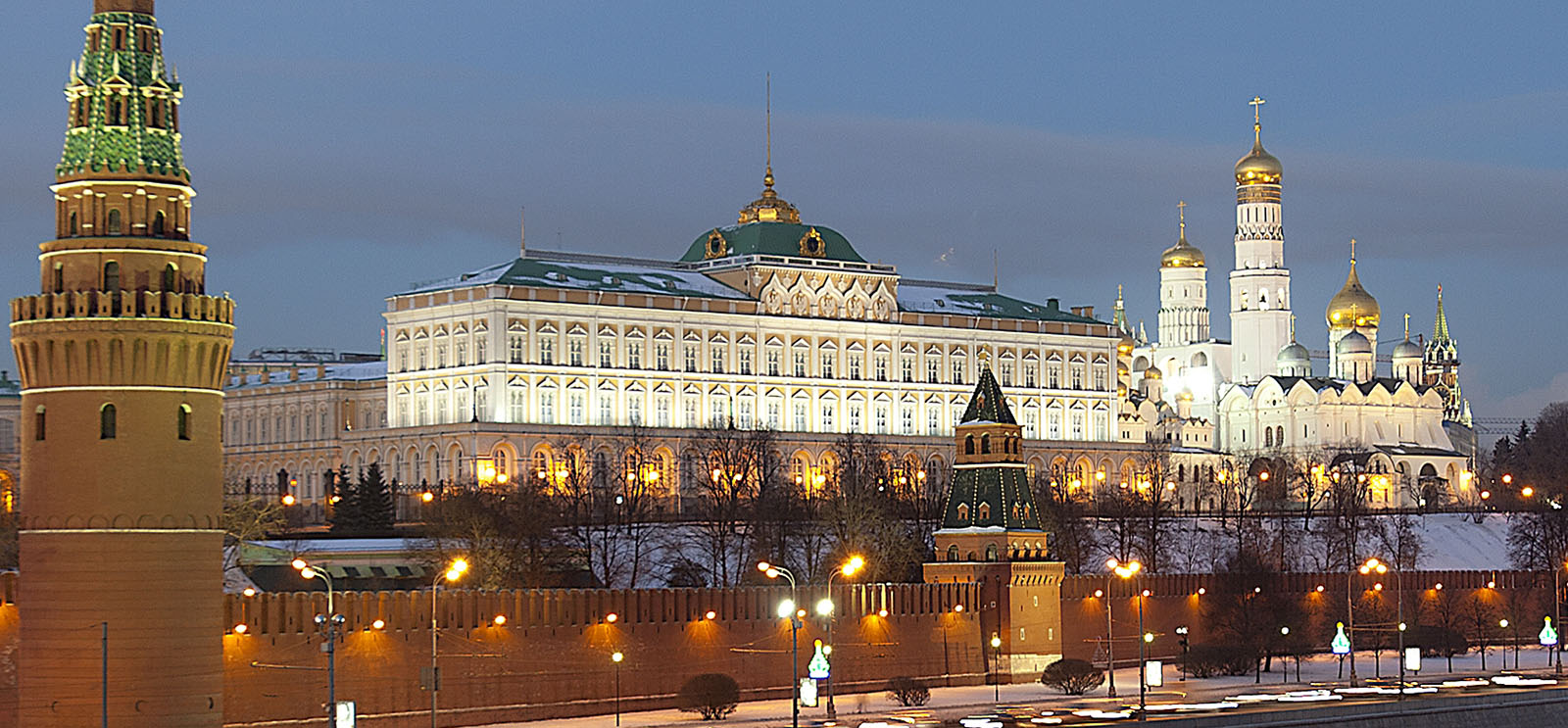
Richard Sakwa argues that the Russian invasion of Ukraine is the culmination of a long period of increasing tensions between Russia and the West. The portents were not only ignored by the West, but misunderstood, and security concerns became part of a broader cultural alienation Read more
We use necessary cookies to make our site work. We'd also like to set analytics cookies that help us make improvements by measuring how you use the site. These will be set only if you accept.
▼
Strictly Necessary Cookies
Necessary cookies enable core functionality such as security, network management, and accessibility. You may disable these by changing your browser settings, but this may affect how the website functions.
▼
Analytics Cookies
Google Analytics
We'd like to set Google Analytics cookies to help us improve our website by collecting and reporting information on how you use it. The cookies collect information in a way that does not directly identify anyone. For more information on how these cookies work please see our Privacy Notice.