Daniel Auer
Back in 2018, Daniel Auer and Didier Ruedin were conducting a research experiment on prejudice in the Swiss housing market. That same summer, a footballer at the FIFA World Cup made a controversial gesture that got the nation talking. After he did so, our researchers observed a significant drop in ethnic discrimination. Were the two phenomena connected? Read more
Kees Terlouw
Global relations are increasingly regulated by states which strengthen control over their national territory. But delegitimation of neoliberalism does not signal the end of the global order or capitalism, says Kees Terlouw. It simply marks another shift between ‘relational’ and ‘territorial’ perspectives on legitimacy Read more
Julieta Suárez-Cao
The draft of a new Magna Carta in Chile proves that a constitution of and for women is possible, writes Julieta Suárez-Cao. But uncertainty lies ahead: polls regarding the constitutional vote on September 4th indicate it could be rejected Read more
Timothy Hellwig
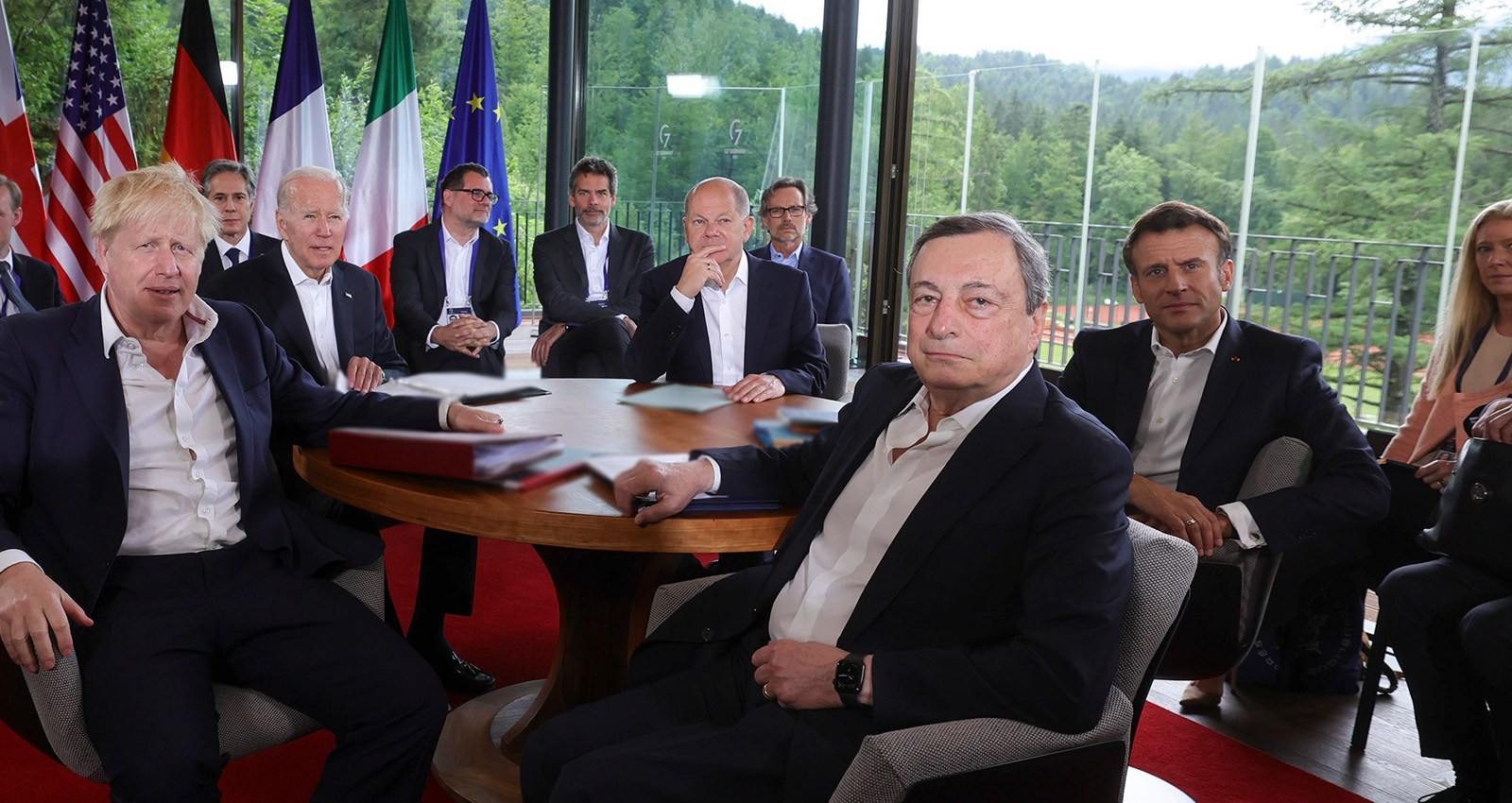
Timothy Hellwig explores the political crises in three European democracies (France, Italy and the UK) to argue that failures in constitutional design are at the root of their problems. These failures, moreover, are not dissimilar to those experienced in the United States, suggesting this is a current affliction of western democracies Read more
Paul Emiljanowicz
Paul Emiljanowicz manages Participedia, the largest database documenting democratic innovations from around the world. To prevent reproducing coloniality, Paul writes, we must commit to expanding our knowledge about democracy and recognising the experiences and knowledges of all peoples Read more
Brigitte Geißel
Most people agree that citizens are the sovereign in a democracy, but this principle is amazingly neglected when it comes to the design of democracy. Brigitte Geißel advocates for a new approach. Democracy means self-governing, so citizens should decide how to govern themselves Read more
Anna Drake
How should we approach a database of democracy’s words when many of these collected democracies fail to respect people’s moral and political equality? According to Anna Drake, if we want meaningful narratives to emerge, then we must confront foundational challenges to democracy and centre these in our analysis. Read more
Roland Benedikter
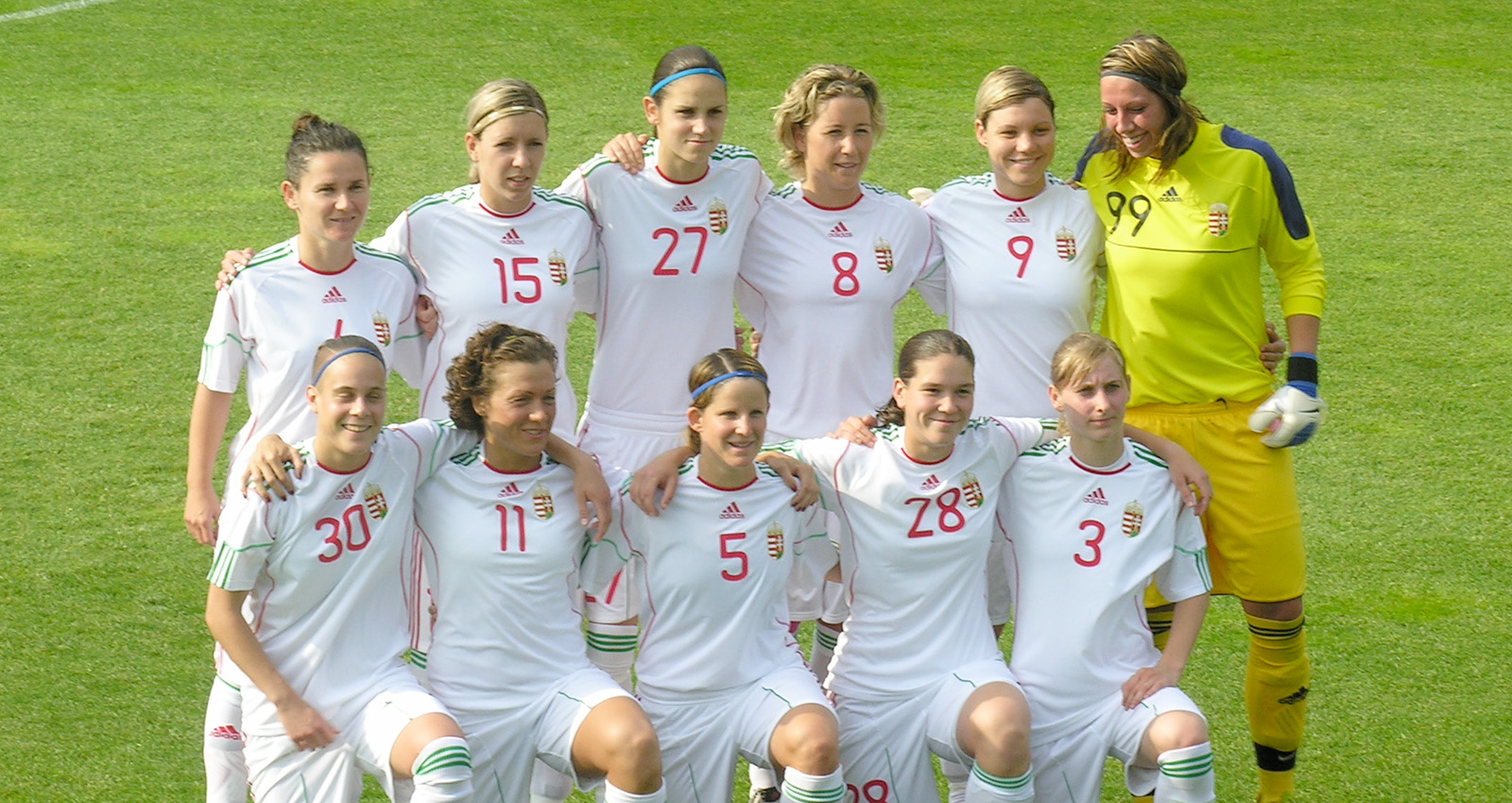
In women’s international football, teams from Western Europe dominate, while Central and Eastern European countries are absent. Roland Benedikter and Dariusz Wojtaszyn explore why women’s football apparently enjoys more success in Western than in Eastern Europe, and whether there is an appetite for change Read more
We use necessary cookies to make our site work. We'd also like to set analytics cookies that help us make improvements by measuring how you use the site. These will be set only if you accept.
▼
Strictly Necessary Cookies
Necessary cookies enable core functionality such as security, network management, and accessibility. You may disable these by changing your browser settings, but this may affect how the website functions.
▼
Analytics Cookies
Google Analytics
We'd like to set Google Analytics cookies to help us improve our website by collecting and reporting information on how you use it. The cookies collect information in a way that does not directly identify anyone. For more information on how these cookies work please see our Privacy Notice.