Rebecca Sanders
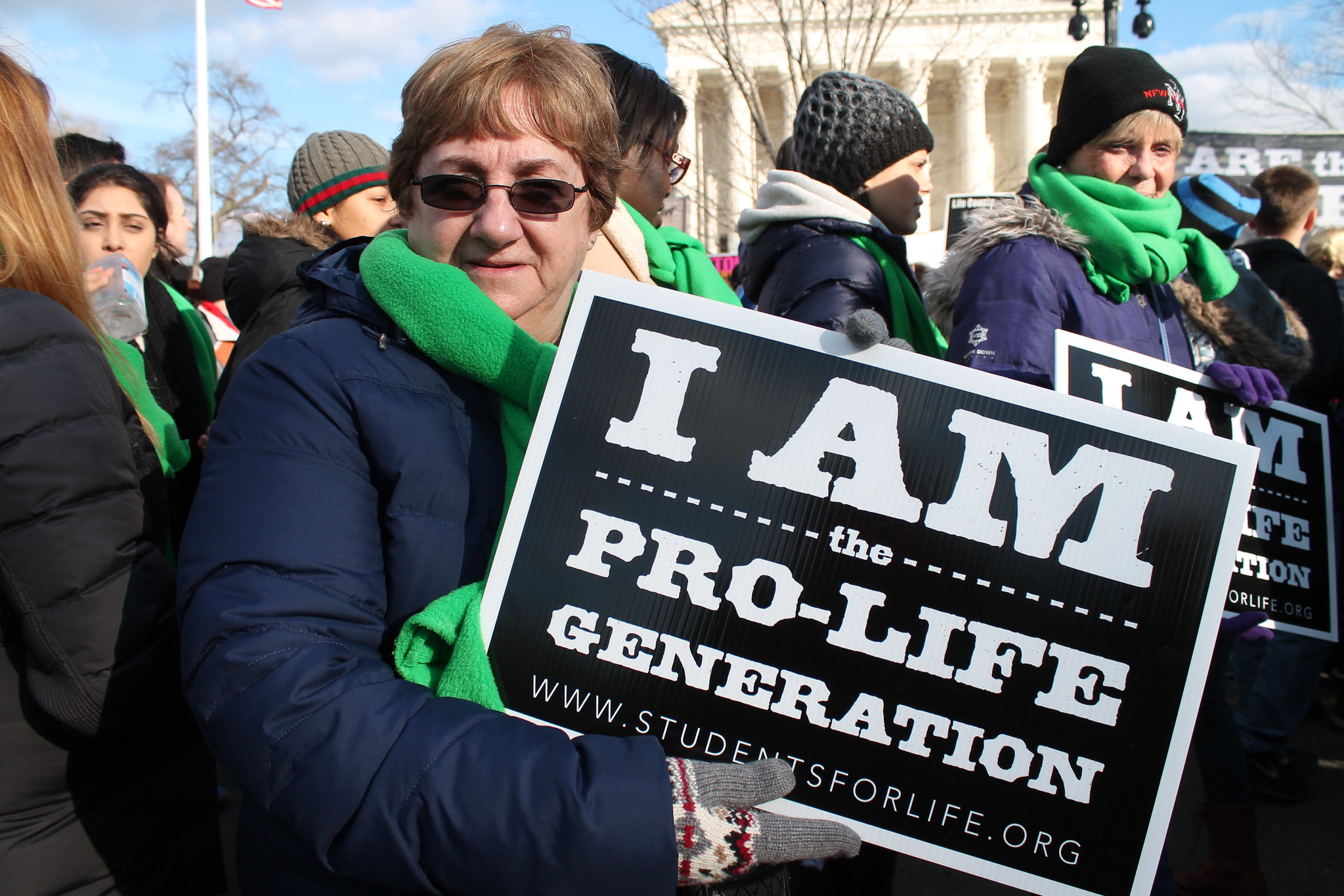
The reversal of Roe, bans on teaching about gender, and gunmen showing up at drag shows all are part of a trend in US and international politics. Rebecca Sanders and Laura Dudley Jenkins call it 'patriarchal populism'. They explain what patriarchal populism is, and three tactics used to undermine and attack established women’s and LGBTQ+ human rights Read more
Diogo Vieira Ferreira
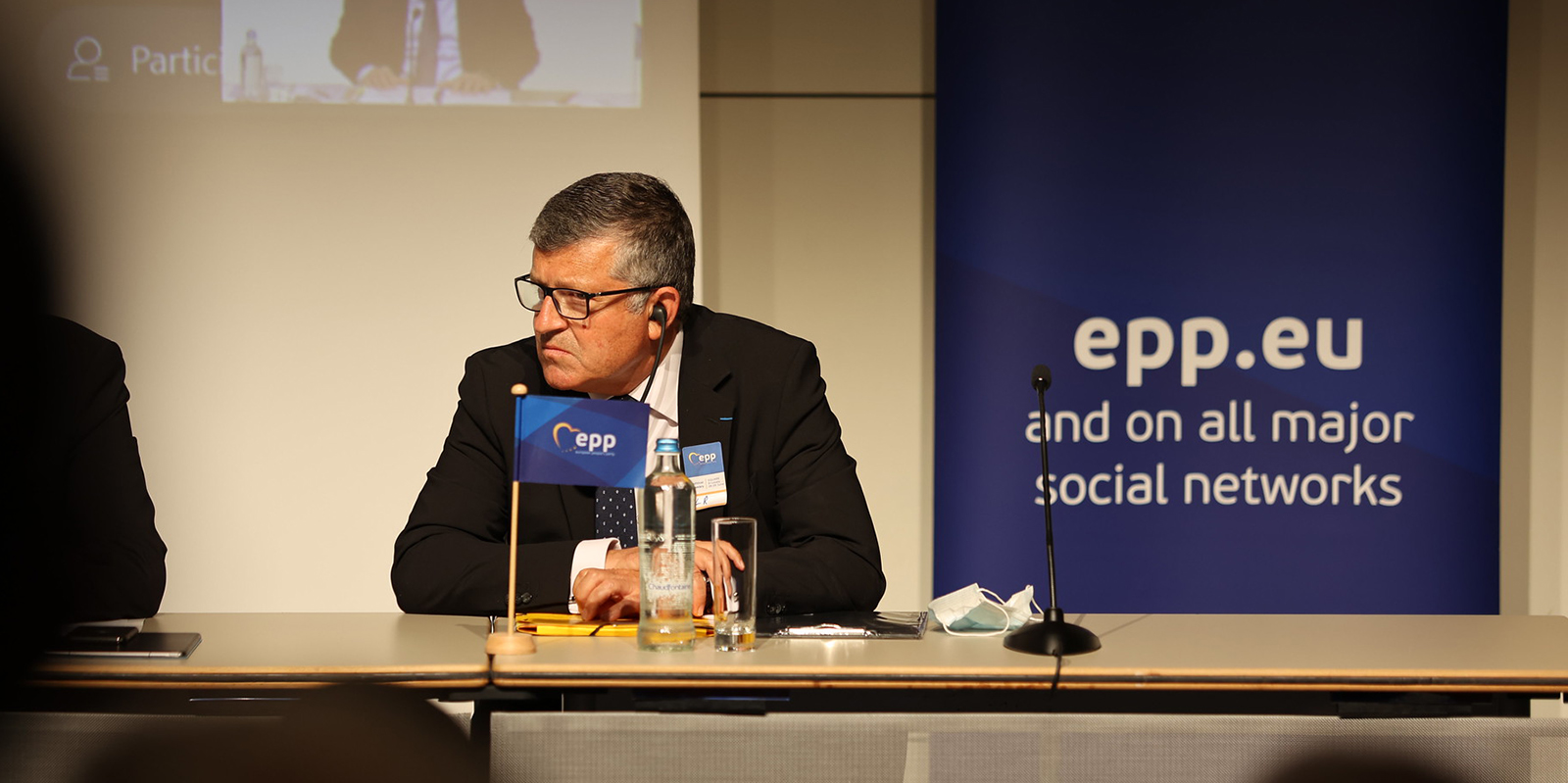
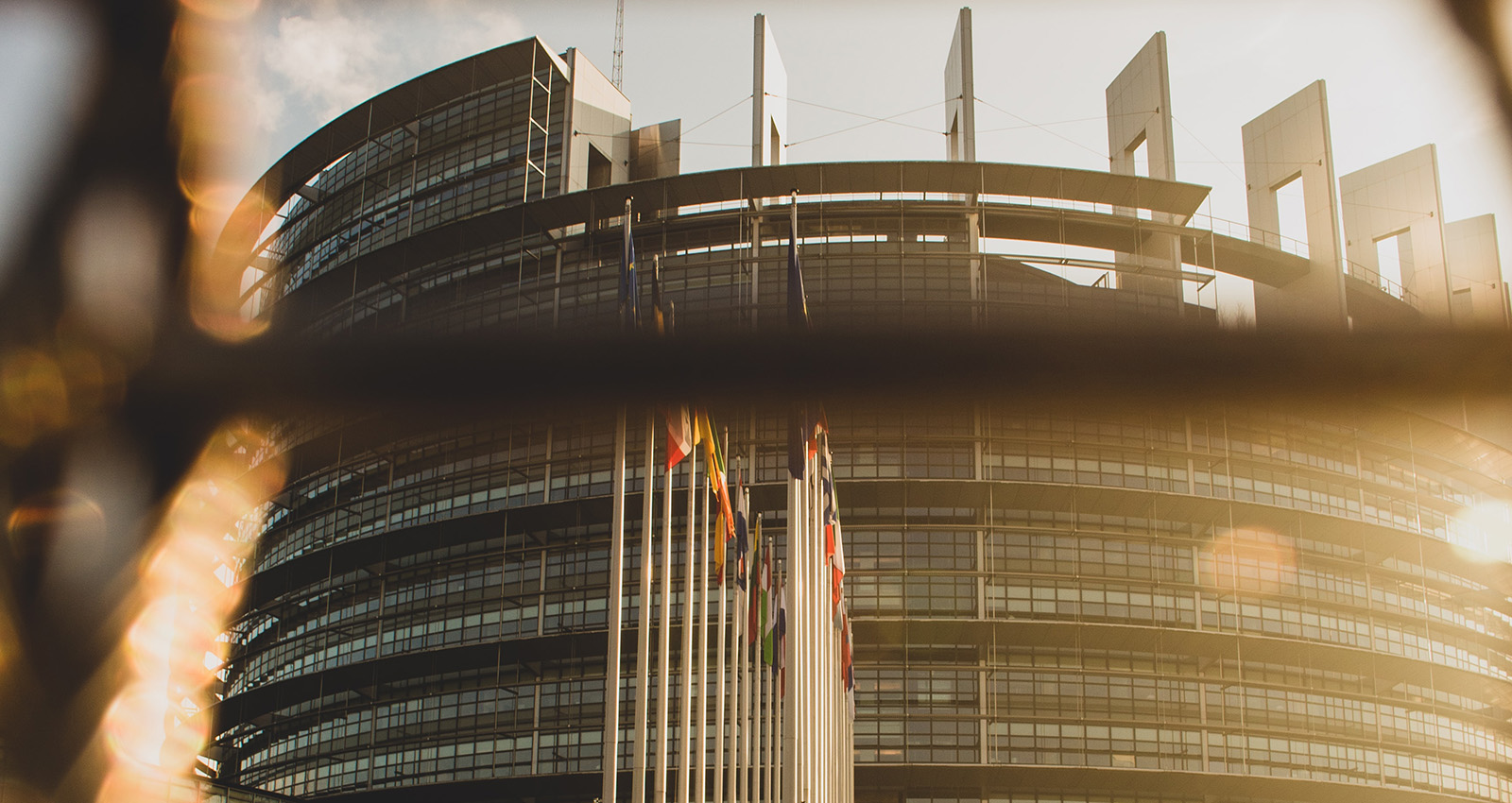
European (transnational) political parties have suffered from a lack of political influence in the European Union. Diogo Vieira Ferreira argues that dealing with the EU’s democratic deficit requires higher political (party) competition at the EU level. The direct suffrage of MEPs via transnational lists is an embryonic but required step Read more
Reginald Oduor
Reginald M.J. Oduor encourages more political theorists to disentangle themselves from the idea that democracy and elections are inextricably bound. Through this he seeks to promote the pursuit of genuine citizen participation in post-colonial states in Africa and elsewhere Read more
Steffen Hurka
Why are laws often so hard to understand? Steffen Hurka argues that the complexity of laws increases when political conflict becomes more intense and when decision-making becomes more inclusive. Democracies aim for compromise and the balancing of interests, and complex laws are the inevitable consequence Read more
Marco Giani
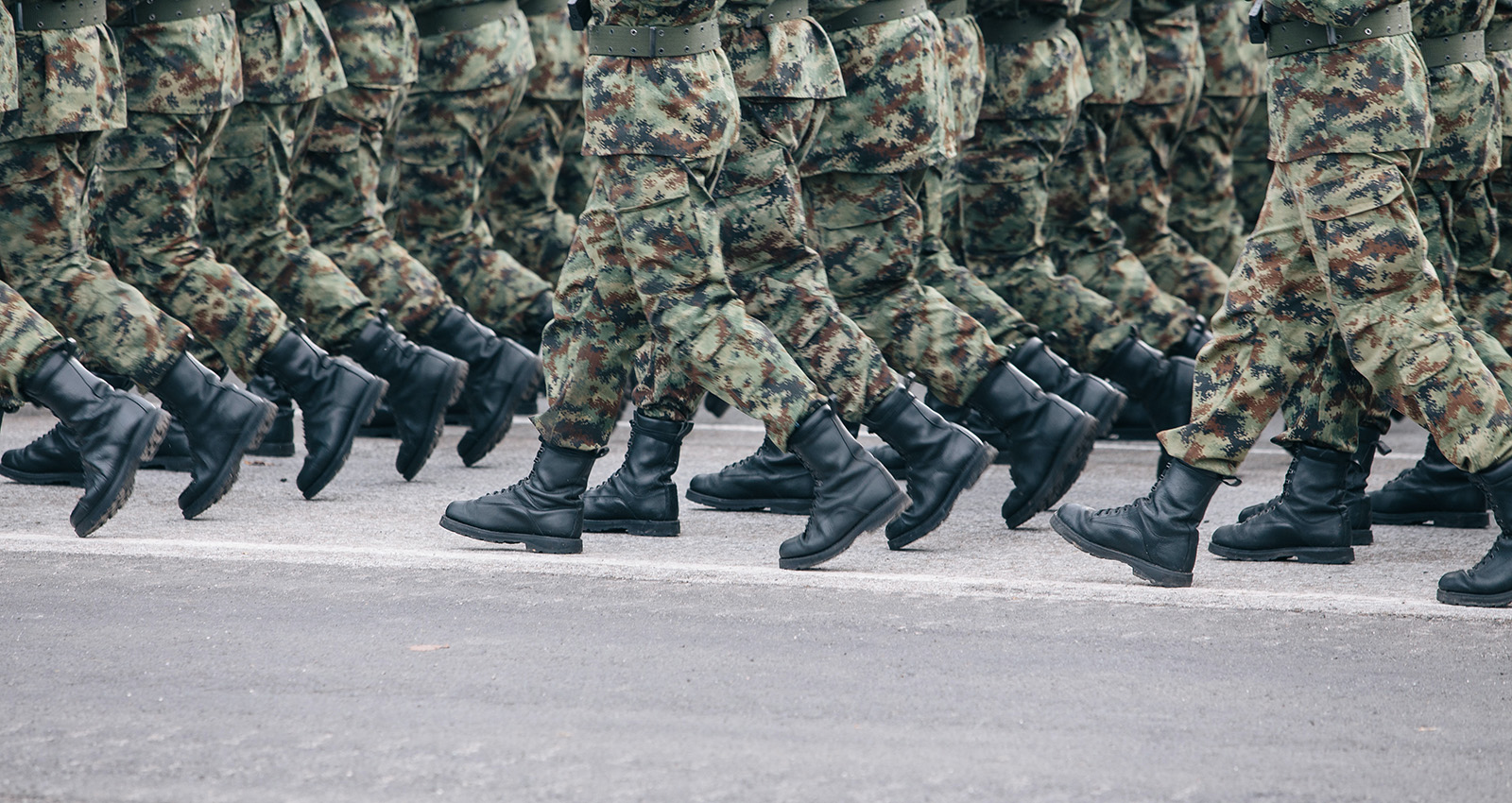
Studying long-run patterns of public opinion in Europe shows that reintroducing compulsory national service would not counter the worrisome trend of declining trust in institutions among young generations. In fact, warns Marco Giani, the effect could be quite the opposite Read more
Amit Singh
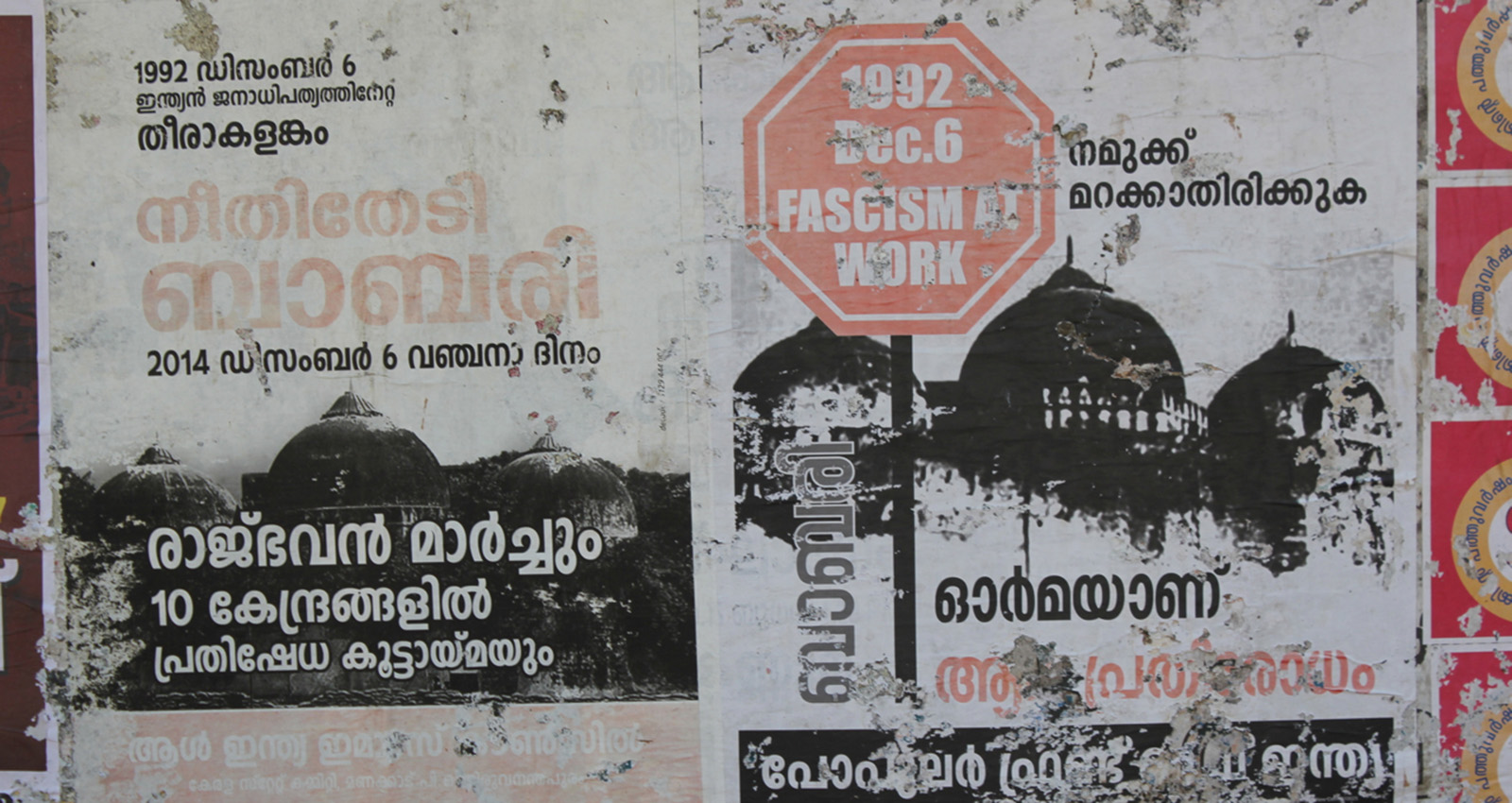
The hegemonic rise of Hindu nationalism and Hindu populism in India has trapped Indian Muslim minorities. The secular Indian state appears to be developing into a Hindu authoritarian state, and one where violence against Muslims is normalised, argues Amit Singh Read more
Sonia Bussu
Sonia Bussu argues that the way we understand democracy has been colonised by ‘liberal democracy’ and capitalism. As a result, democracy is far removed from our daily lives. We need to free ourselves from these constraints to see the possible alternatives, which are embodied in democracy as a way of living Read more
Daniel Auer
Back in 2018, Daniel Auer and Didier Ruedin were conducting a research experiment on prejudice in the Swiss housing market. That same summer, a footballer at the FIFA World Cup made a controversial gesture that got the nation talking. After he did so, our researchers observed a significant drop in ethnic discrimination. Were the two phenomena connected? Read more
We use necessary cookies to make our site work. We'd also like to set analytics cookies that help us make improvements by measuring how you use the site. These will be set only if you accept.
▼
Strictly Necessary Cookies
Necessary cookies enable core functionality such as security, network management, and accessibility. You may disable these by changing your browser settings, but this may affect how the website functions.
▼
Analytics Cookies
Google Analytics
We'd like to set Google Analytics cookies to help us improve our website by collecting and reporting information on how you use it. The cookies collect information in a way that does not directly identify anyone. For more information on how these cookies work please see our Privacy Notice.