Olimpia Burchiellaro
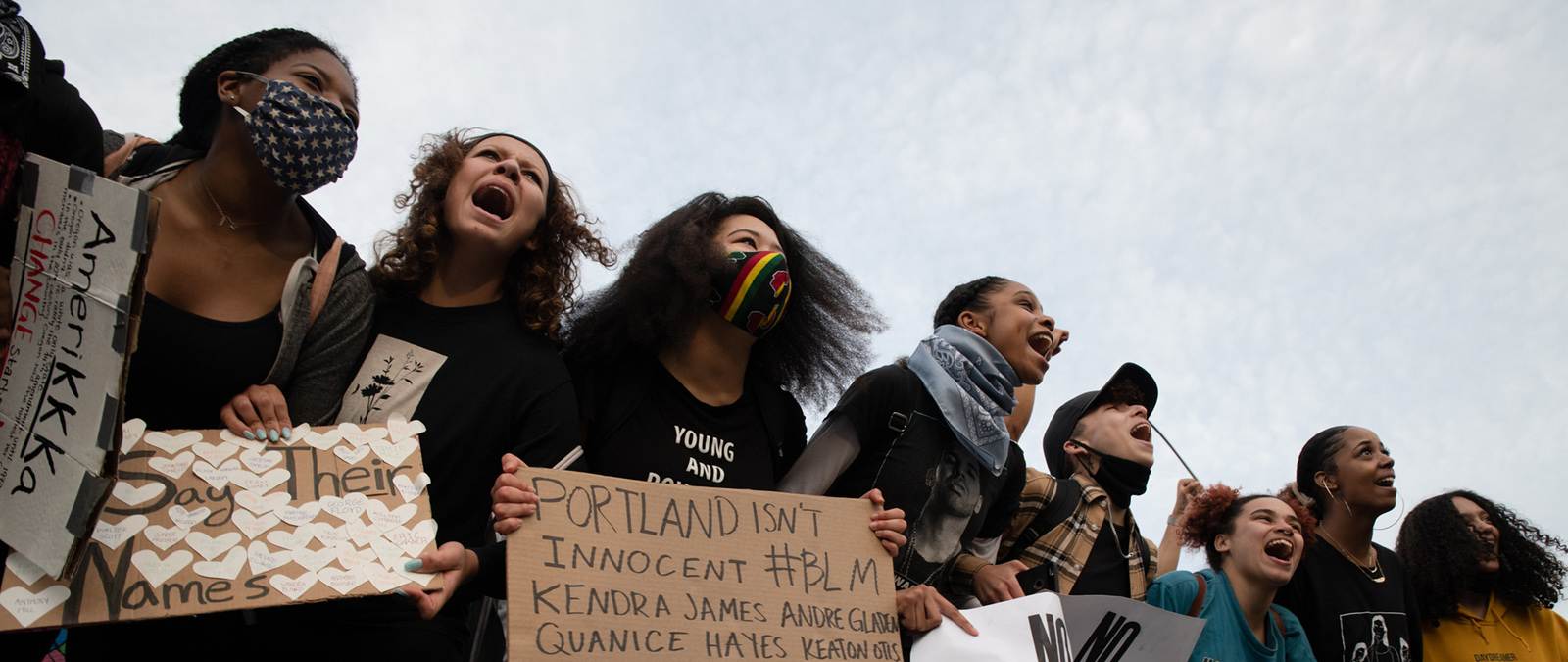
We are living in a new era of diversity-friendly corporations. These corporations are co-opting difference to wash over the violences of capitalism. Olimpia Burchiellaro argues that only by reconnecting identity struggles to questions of economic justice will we engender democratic transformations Read more
David Arter
Looking back should be the future direction of populism research, insists David Arter, who holds that political scientists would benefit from using a longer lens when viewing the genealogy of the populist party family Read more
Piotr Marczyński
Neither Poland's government nor its opposition has a straightforward path toward an electoral majority. Meanwhile, personal conflict between Jarosław Kaczyński and Donald Tusk dominates the news cycle. Piotr Marczyński argues this configuration reflects the shallow roots of the Polish party system, with axes of polarisation gradually realigning along ideological lines Read more
Markus Thiel
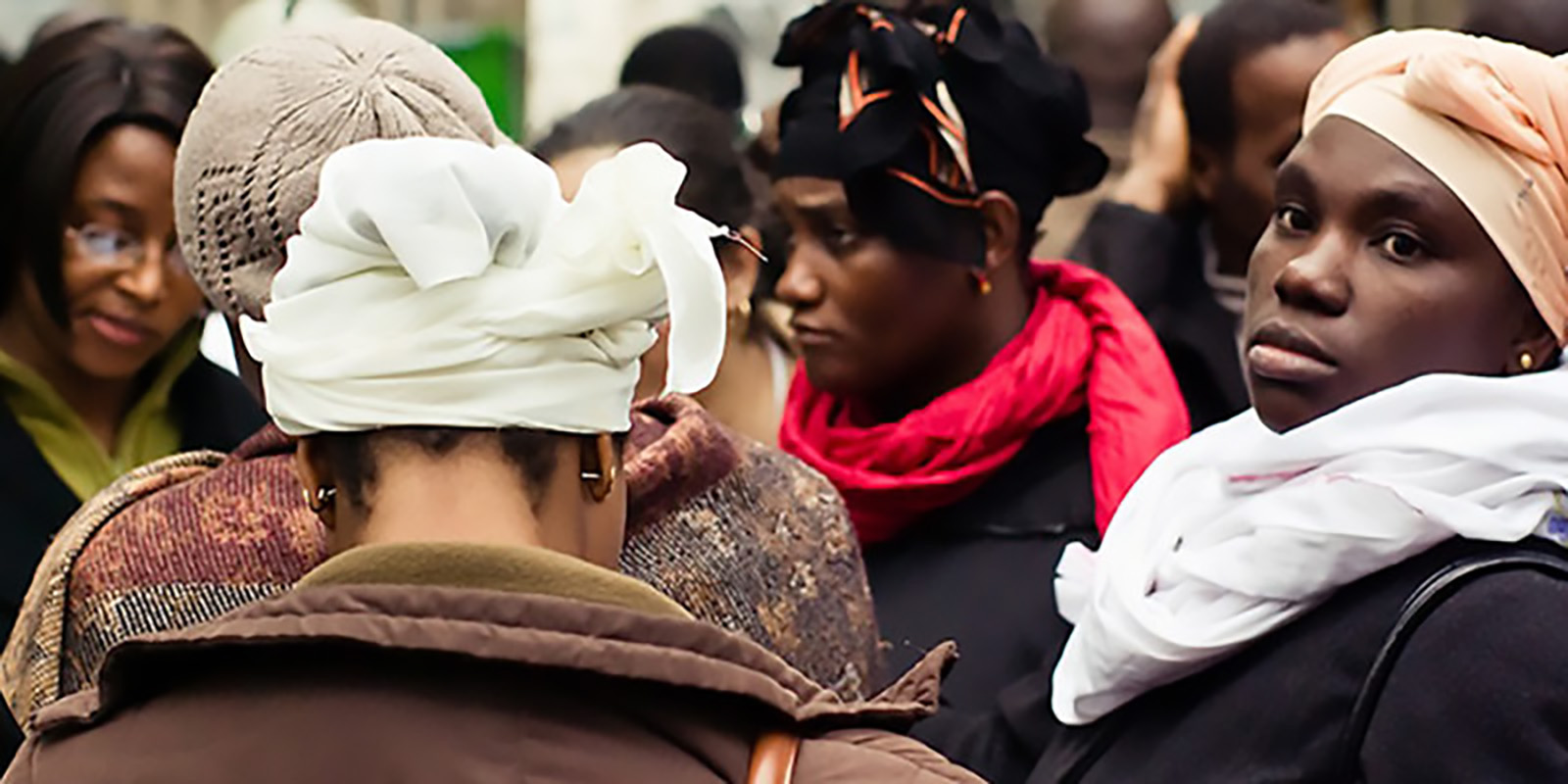
The inclusion of social minorities is contingent on civic activism and government policies that become more polarised as well as volatile in times of crises. Markus Thiel, Ernesto Fiocchetto and Jeffrey Maslanik delve into the state of inclusion policies throughout Europe Read more
Mattia Bottino
Participatory governance in megaprojects is intended to involve citizens in the decision-making processes and tackle their disaffection towards institutions. Mattia Bottino analyses the ‘proximity strategy’ used to realise the Brenner Basistunnel between Italy and Austria and contrasts it with the NO TAV experience in Italy’s Susa Valley Read more
Didem Unal Abaday
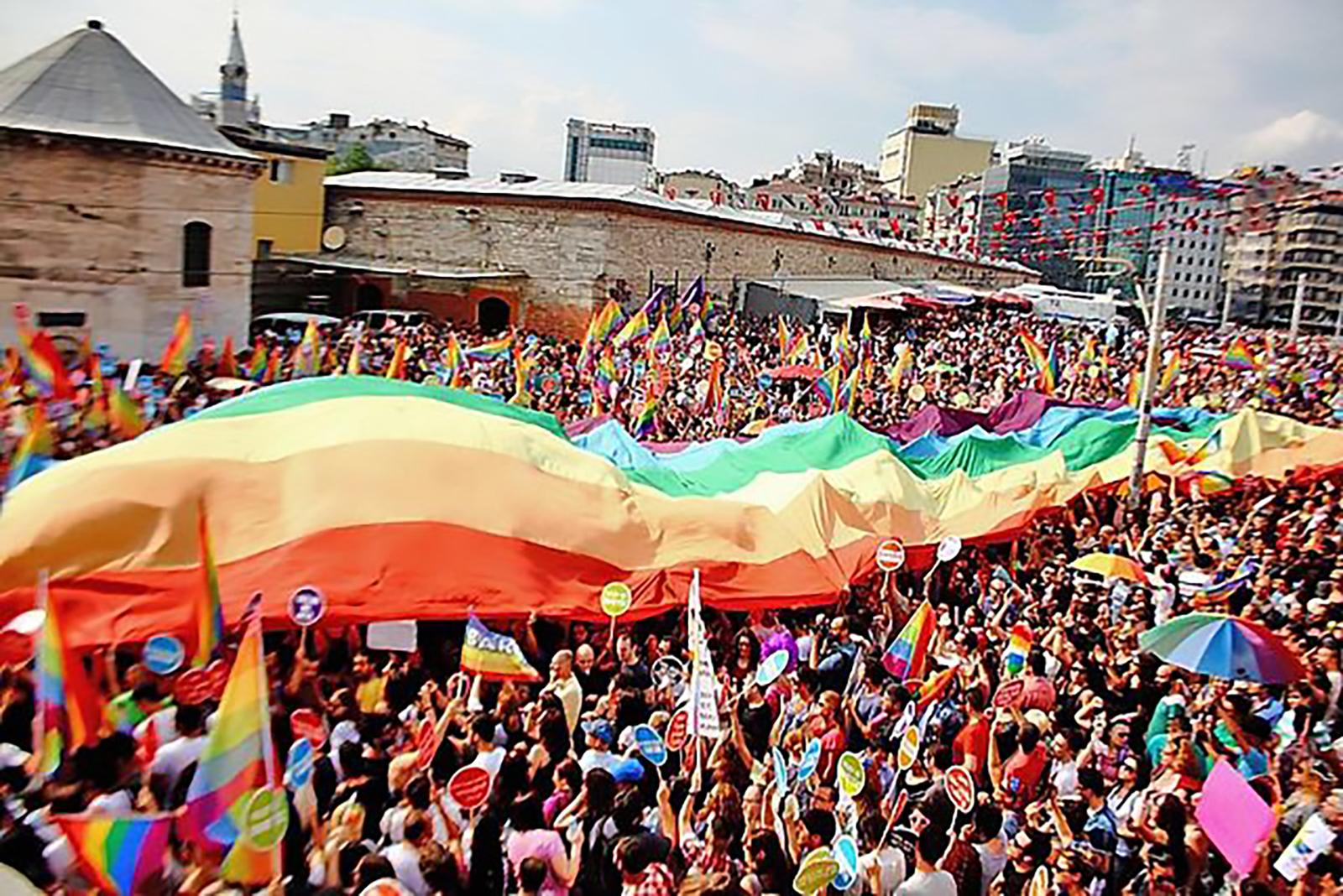
In Turkey, LGBTI+ events and pressures on queer people’s right to assembly face increasing restrictions. This, writes Didem Unal Abaday, will only get worse with democratic decline. In the new parliamentary term after the 2023 elections, democratic backsliding is turning political homophobia into state policy Read more
Sonia Alonso Sáenz de Oger
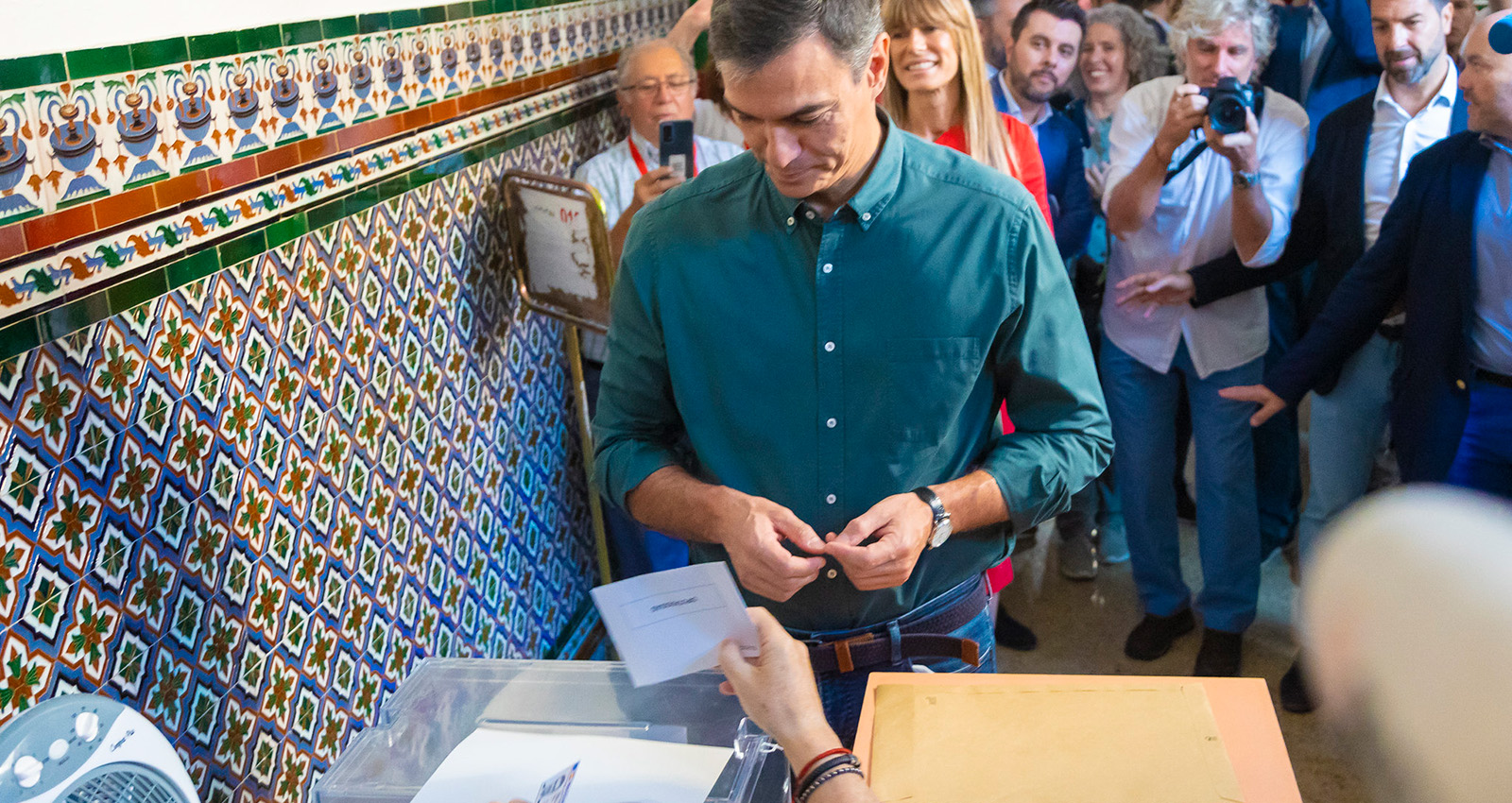
After Spain’s parliamentary elections on Sunday, the national right parties won more seats, but the left parties have a better chance of governing. Sonia Alonso and Bonnie N. Field examine the territorial and national identity divisions that will make or break governance Read more
Gaia Taffoni
Countries attempting to improve women's position in relation to that of men have started using a Gender Impact Assessment (GIA) to examine policies' potential effects. But social and cultural barriers to gender justice and the politicisation of gender mainstreaming challenge its successful implementation, writes Gaia Taffoni Read more
We use necessary cookies to make our site work. We'd also like to set analytics cookies that help us make improvements by measuring how you use the site. These will be set only if you accept.
▼
Strictly Necessary Cookies
Necessary cookies enable core functionality such as security, network management, and accessibility. You may disable these by changing your browser settings, but this may affect how the website functions.
▼
Analytics Cookies
Google Analytics
We'd like to set Google Analytics cookies to help us improve our website by collecting and reporting information on how you use it. The cookies collect information in a way that does not directly identify anyone. For more information on how these cookies work please see our Privacy Notice.