Tomasz Gola
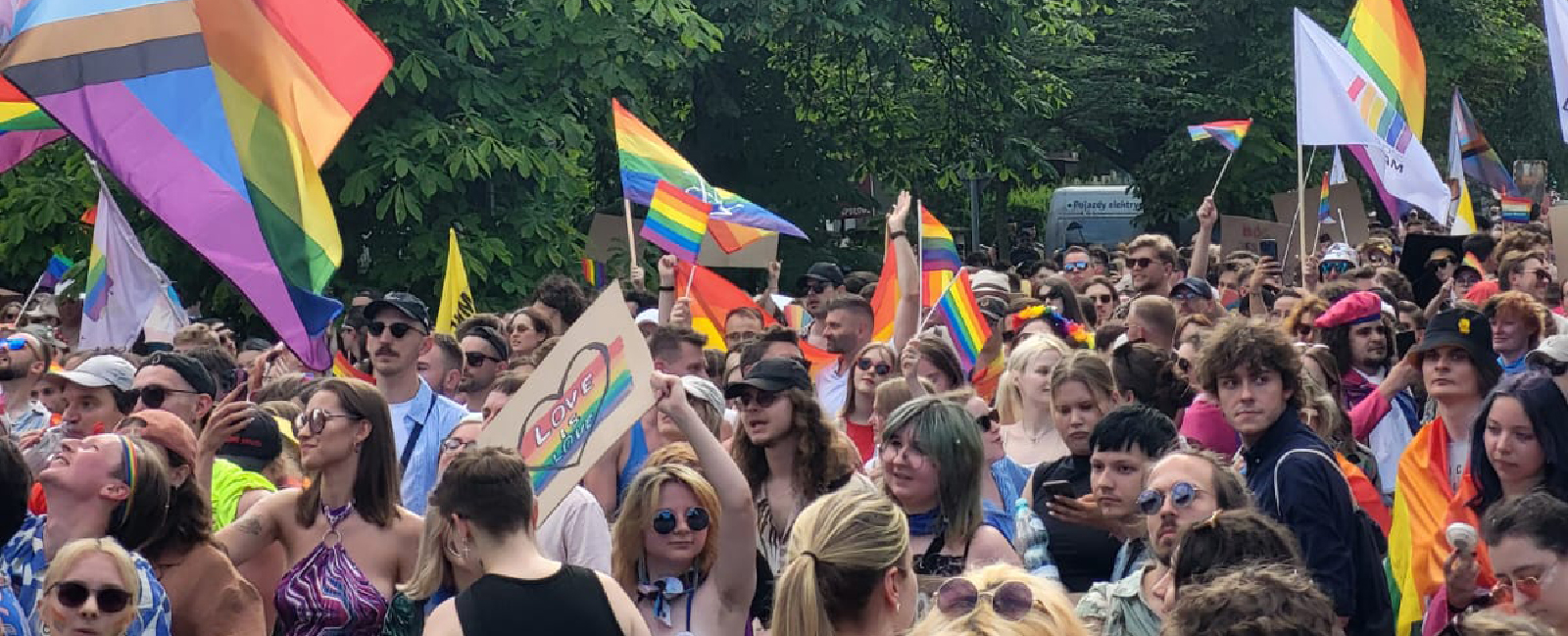
In the EU's most homophobic country, Poznań stands out as a beacon of queer acceptance and activism. Polish native Tomasz Gola explores the ways this city has become queer-friendly, highlighting the role of local NGOs, cultural receptivity, and proactive governance in its transformation Read more
Liron Lavi
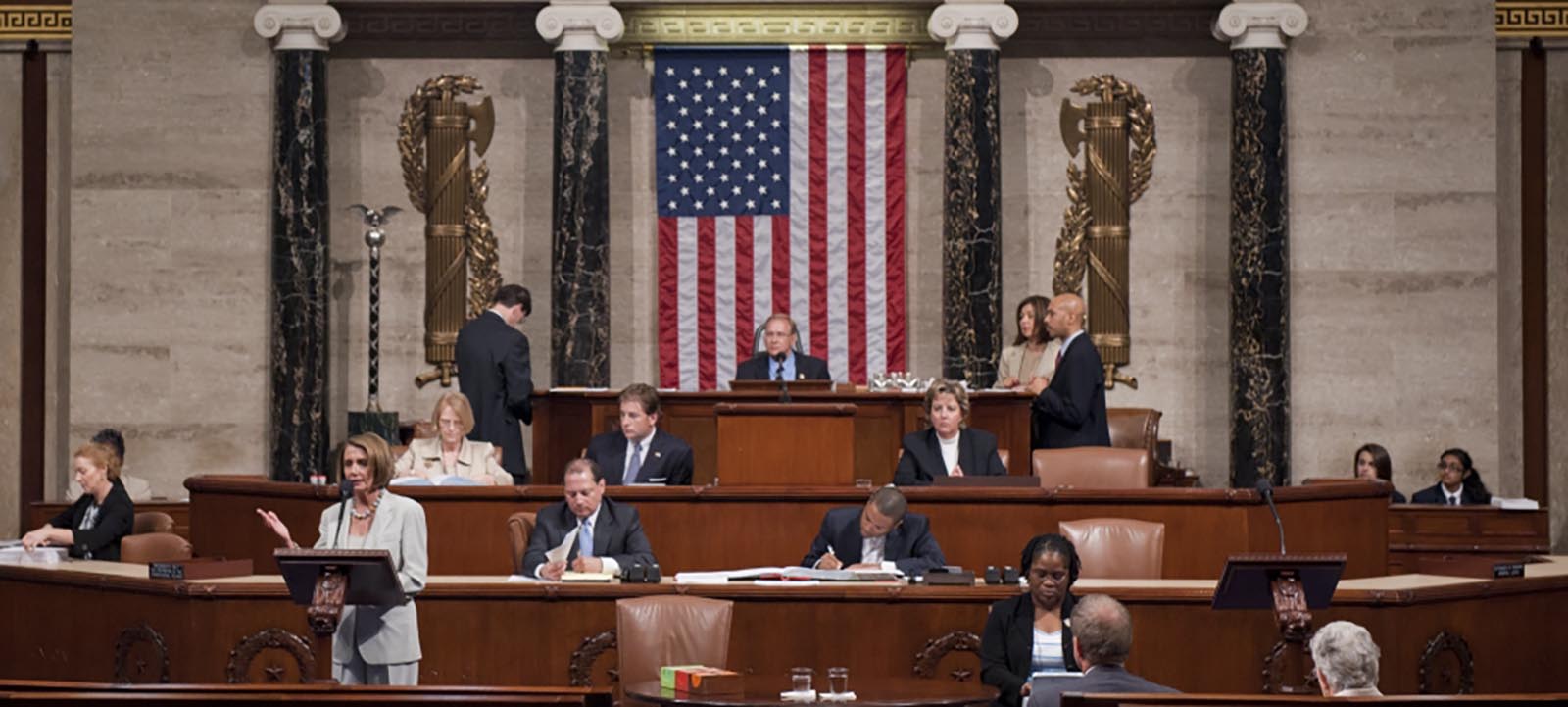
Liron Lavi and Clareta Treger argue that citizens hold a multi-dimensional perception of political representation. Using Israel as a case study, they find that citizens feel represented on dimensions that are not important to them, and also on dimensions that reflect their satisfaction with democracy Read more
Michal Grahn
Far-right parties are growing increasingly hostile towards LGBTQ rights. In the forthcoming European Parliament elections, such parties are expected to gain significant ground. Michal Grahn shows that non-straight voters might, through mobilisation, help keep far-right forces at bay Read more
Clémentine Punti
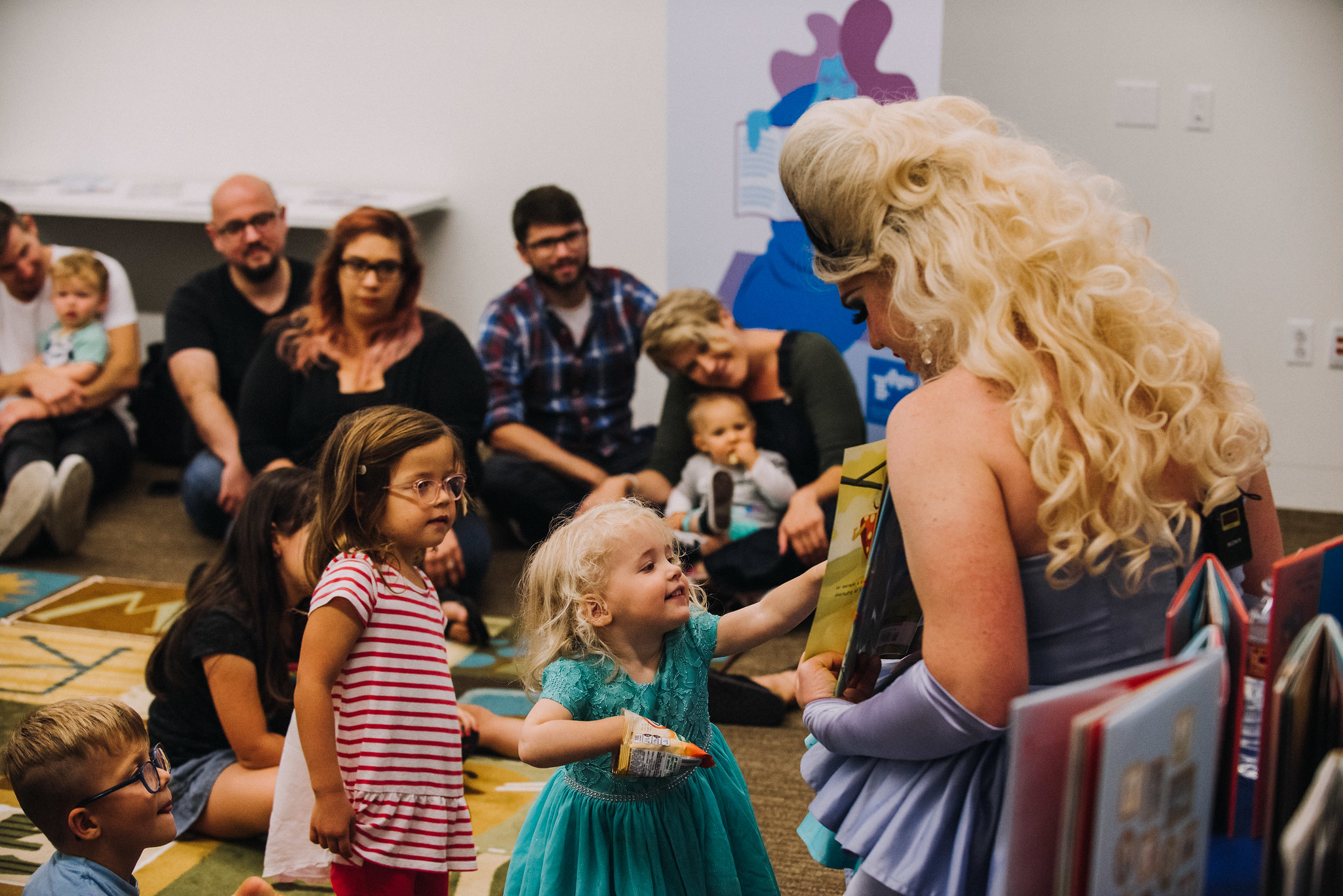
The Sweden Democrats have expanded their focus from immigration and crime to issues of sex and gender. Examining their discourse against drag queen readings for children, Clémentine Punti argues that this new focus reveals the party’s genderphobic nature Read more
Ragnhild Louise Muriaas
Women have made great strides towards equal representation in parliaments across the world. Their short parliamentary careers, however, still stop them from representing their constituents as effectively as men colleagues, write Ragnhild L. Muriaas and Torill Stavenes, guest editors of The Loop’s blog series to mark International Women’s Day on Friday 8 March Read more
Taina Meriluoto
To strive towards democratic transformations, we have much to learn from marginalised activists. They espouse ‘presentist identities’ to fight the dismissive categories through which other people see them. Presentist identities do not assume a past or a future. Instead, they make us simultaneously perceivable and free, writes Taina Meriluoto Read more
Brandon Mack
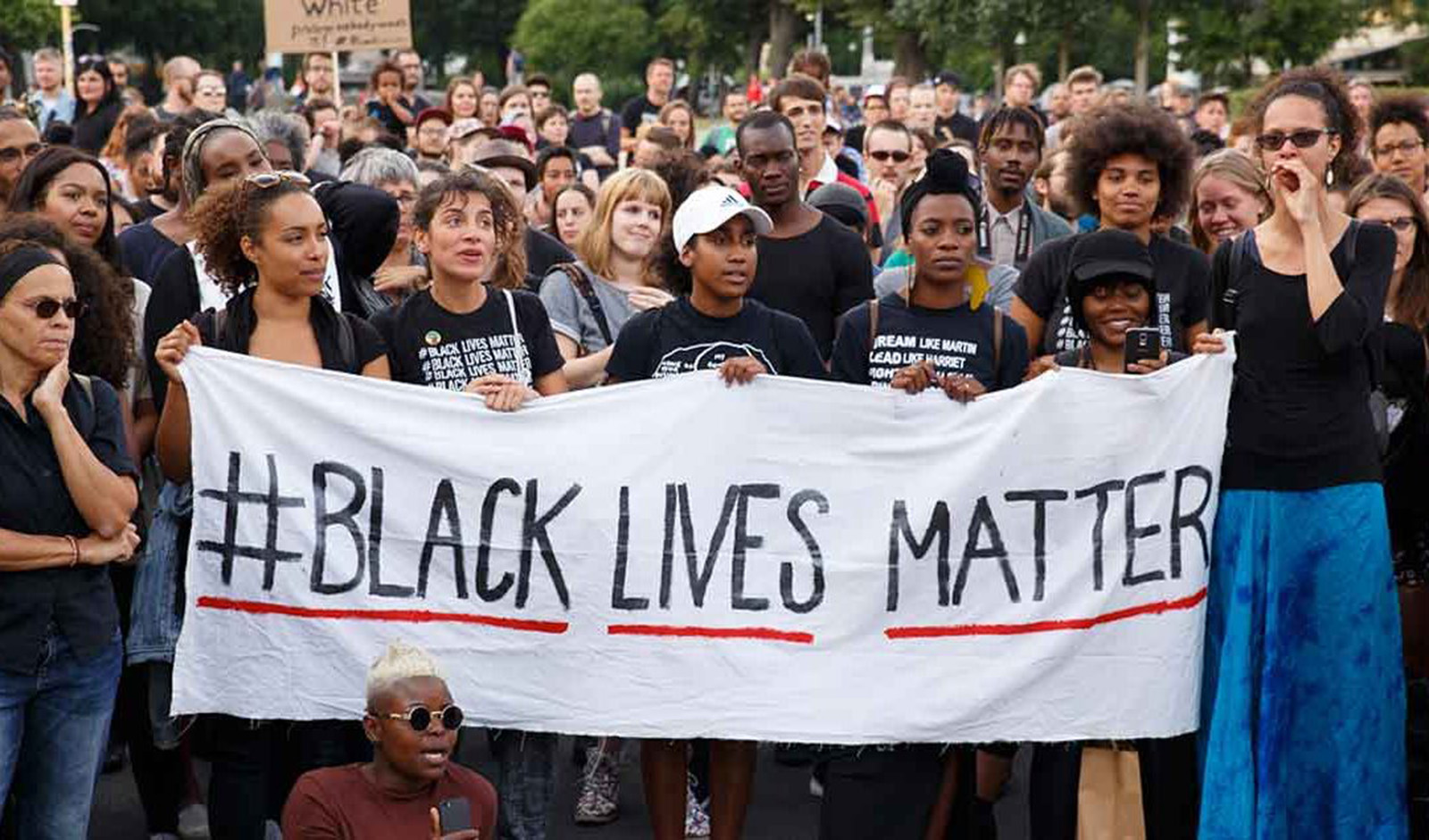
Democracy needs to recognise and empower our multiple identities. Brandon Mack draws on his activist experience with Black Lives Matter to argue for intersectionality and diverse histories as the backbone of democracy Read more
Anukriti Dixit
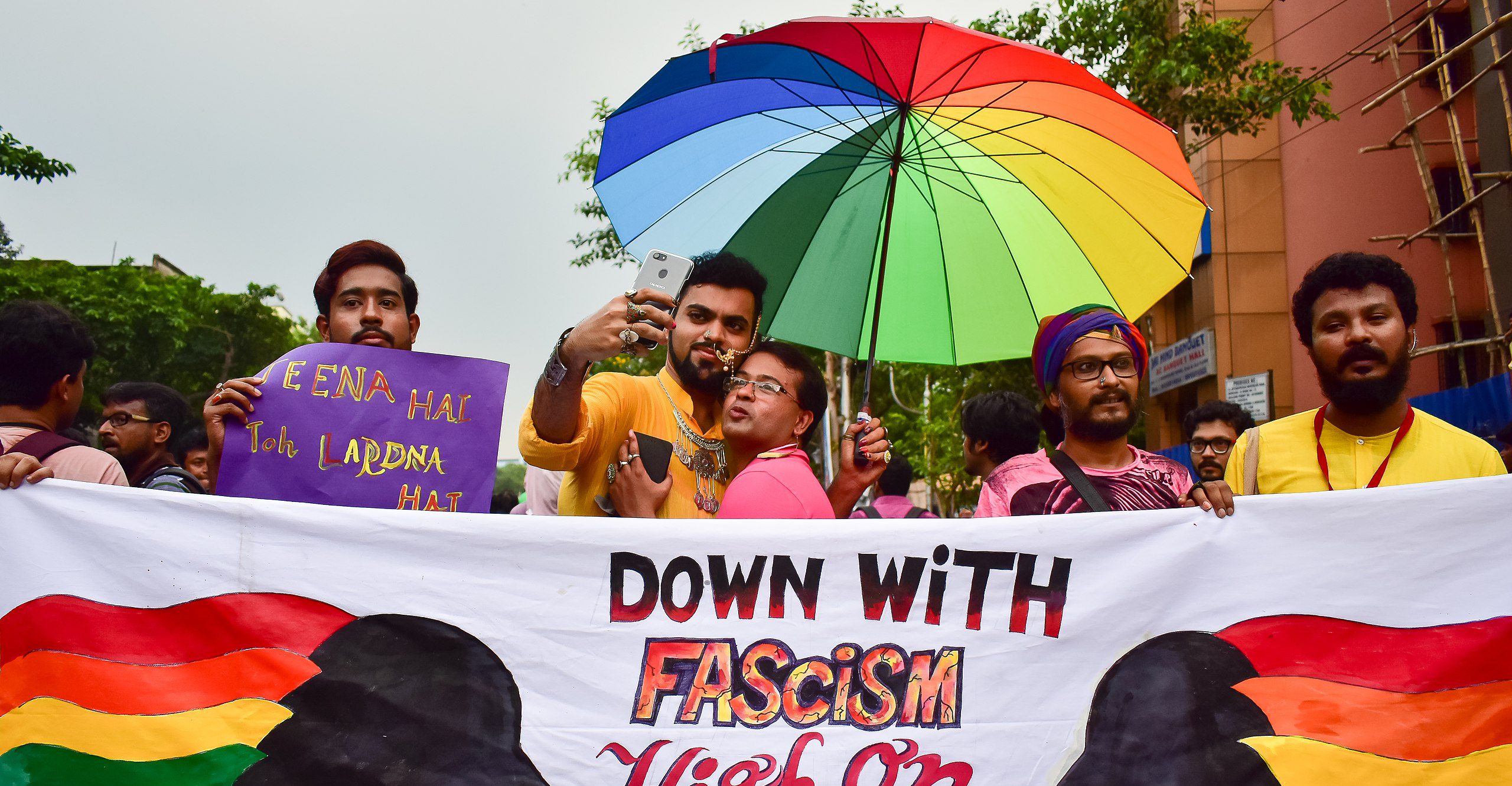
The family is the first gatekeeper of conservative regimes. Now, more than ever, such regimes are gaining political mileage in the global North and global South. Anukriti Dixit explores the violence of heteronormativity and its related fundamentalist ideals through two social phenomena: the recent rise of ‘honour killing’ of queer persons in India and the rise of violence against queer and trans people in Switzerland Read more
We use necessary cookies to make our site work. We'd also like to set analytics cookies that help us make improvements by measuring how you use the site. These will be set only if you accept.
▼
Strictly Necessary Cookies
Necessary cookies enable core functionality such as security, network management, and accessibility. You may disable these by changing your browser settings, but this may affect how the website functions.
▼
Analytics Cookies
Google Analytics
We'd like to set Google Analytics cookies to help us improve our website by collecting and reporting information on how you use it. The cookies collect information in a way that does not directly identify anyone. For more information on how these cookies work please see our Privacy Notice.