Catherine Owen
Catherine Owen argues that understanding how regime type influences public sector performance can illuminate varieties of ‘authoritarian public policy’ and the resilience of authoritarian states. To do so, she calls on the fields of public administration and comparative politics to work together Read more
Marlene Laruelle
Using the lens of illiberalism, writes Marlene Laruelle, we can explore the emergence of a new rightist resistance to the current social and moral order. Illiberalism interacts on a permanent basis with liberalism, and is a byproduct of neoliberal ideologies Read more
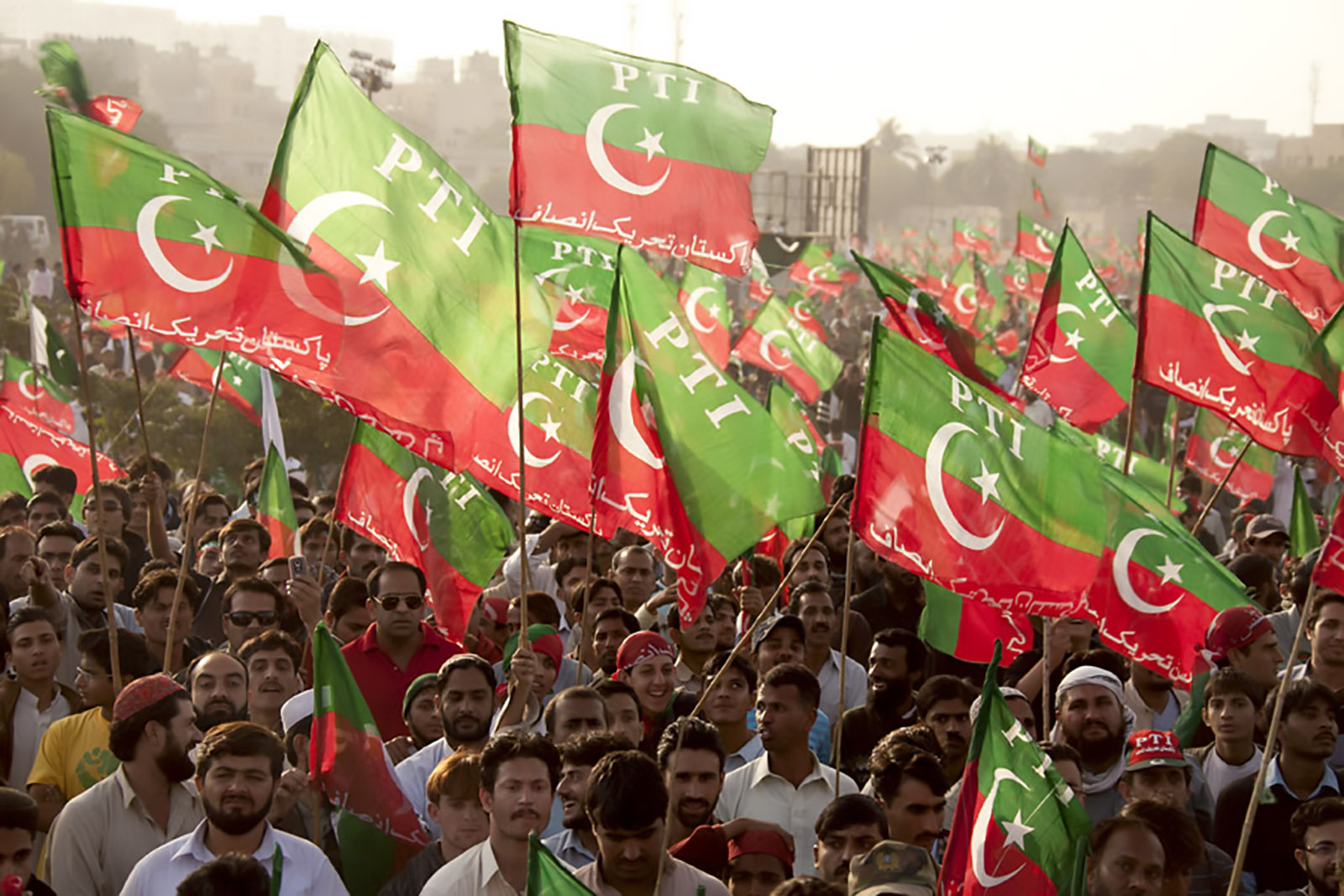
Fizza Batool
With another Prime Minister ousted before completing his five-year term, many blame Pakistan's instability on competition for power among political parties. But Fizza Batool argues that illiberalism, not democracy, is to blame Read more
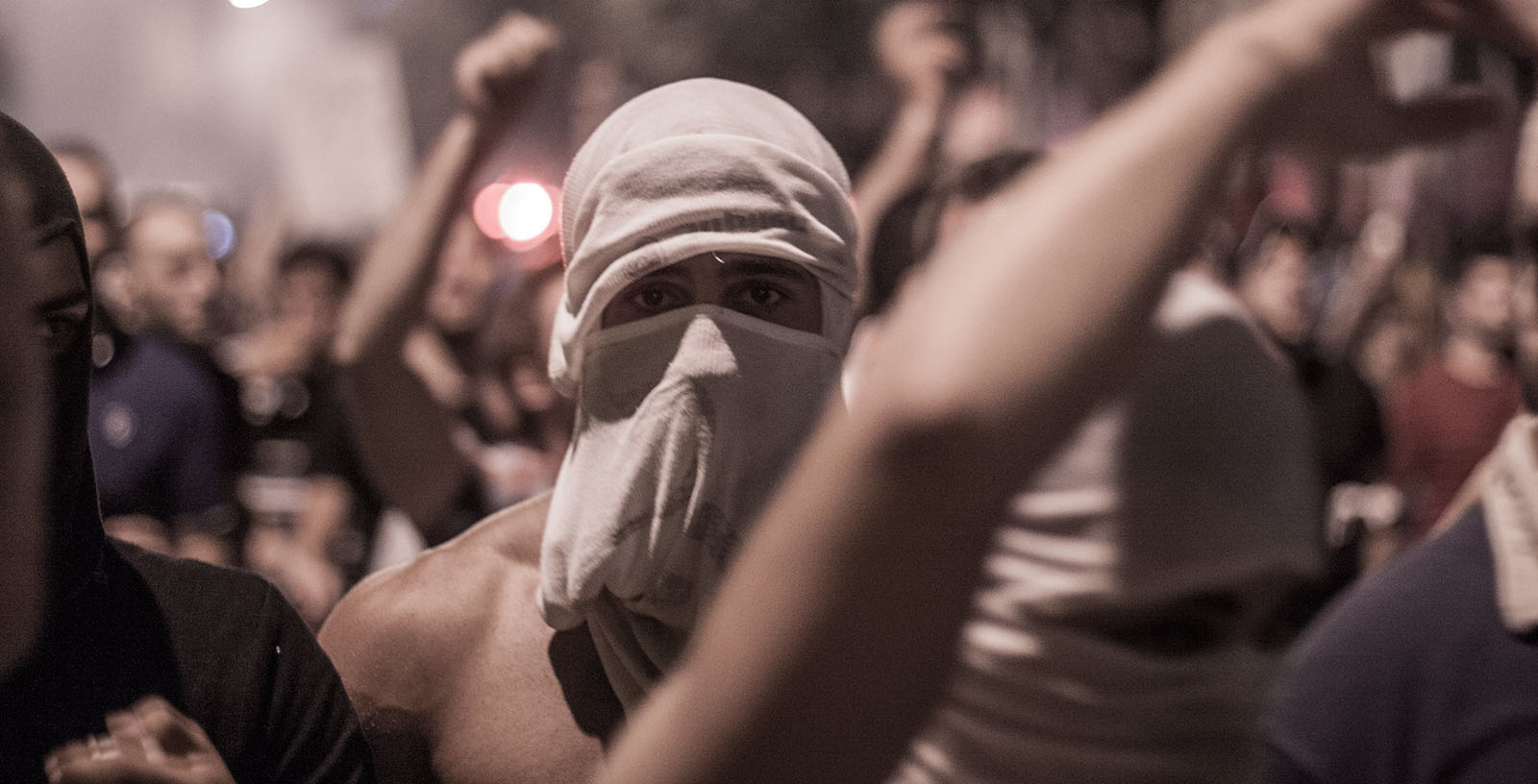
Salah Ben Hammou
Researchers of authoritarian politics and civil-military relations have long examined military rule. However, our understanding of civilian participation in military regimes remains limited and requires greater analytical attention, argues Salah Ben Hammou. Amid last year’s coup resurgence, researchers must move to appreciate the subtle but salient differences among military dictatorships Read more
Martino Comelli
Christian democracy is the political culture that has been the driving force behind European integration. Yet, according to Martino Comelli, it has also facilitated the democratic backsliding of some countries of central and east Europe by providing an illiberal political toolbox of narratives and policies Read more
Hager Ali
The study of regime types, Hager Ali argues, is imbalanced. Theories and concepts of democracy have received attention for decades. But amid the resurgence of autocracies, scholars of authoritarianism still do not have the luxury of nuanced typologies to dissect the broad spectrum of non-democratic regimes Read more
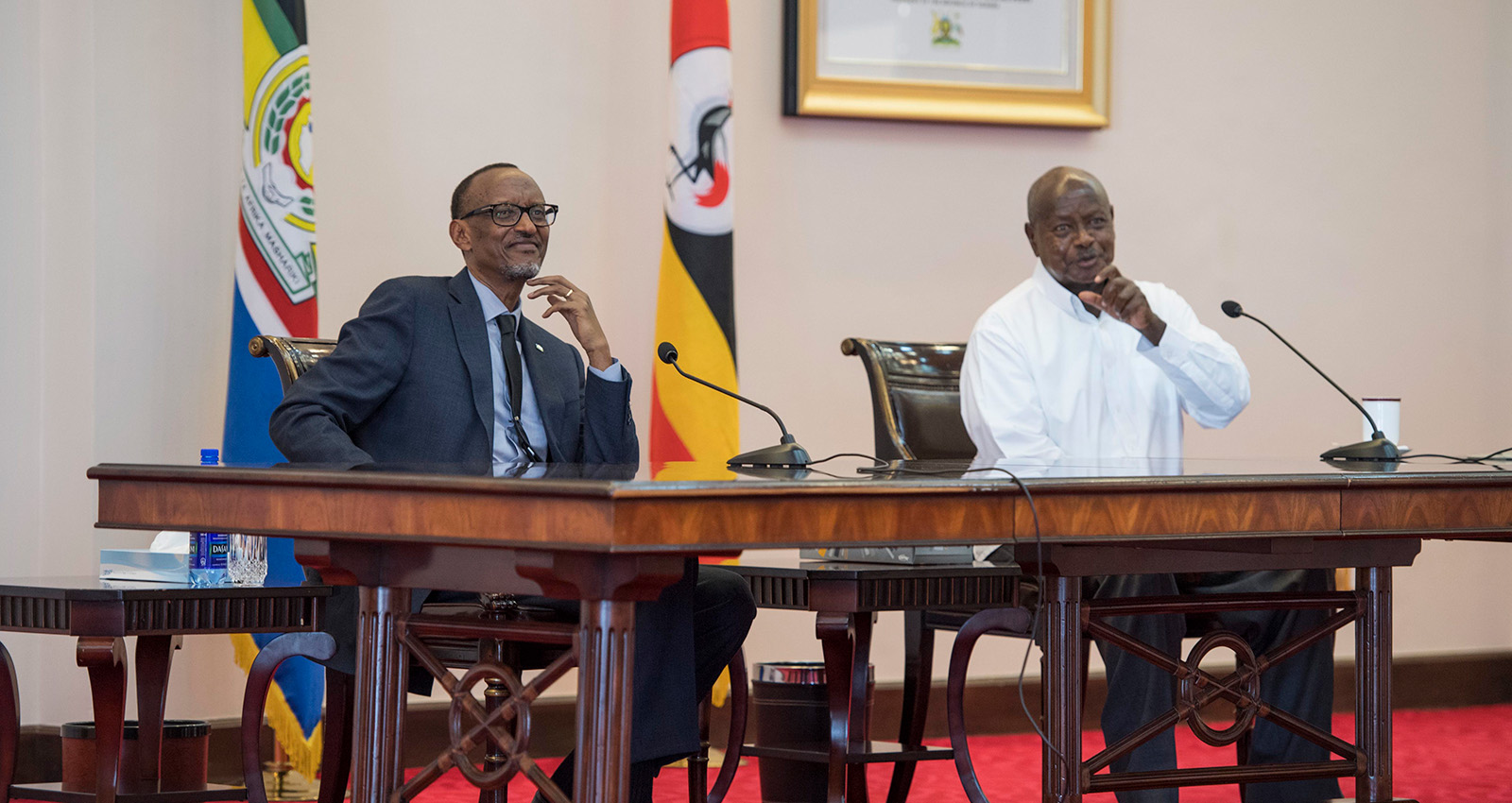
Hannah Muzee
The new democratically oriented regimes that emerged in Rwanda and Uganda after the 1980s aspired to overcome postcolonial sectarianism. Those aspirations now appear largely to have receded, argue Hannah Muzee and Femi Mimiko, as both regimes have drifted into personalised politics and illiberal practices Read more
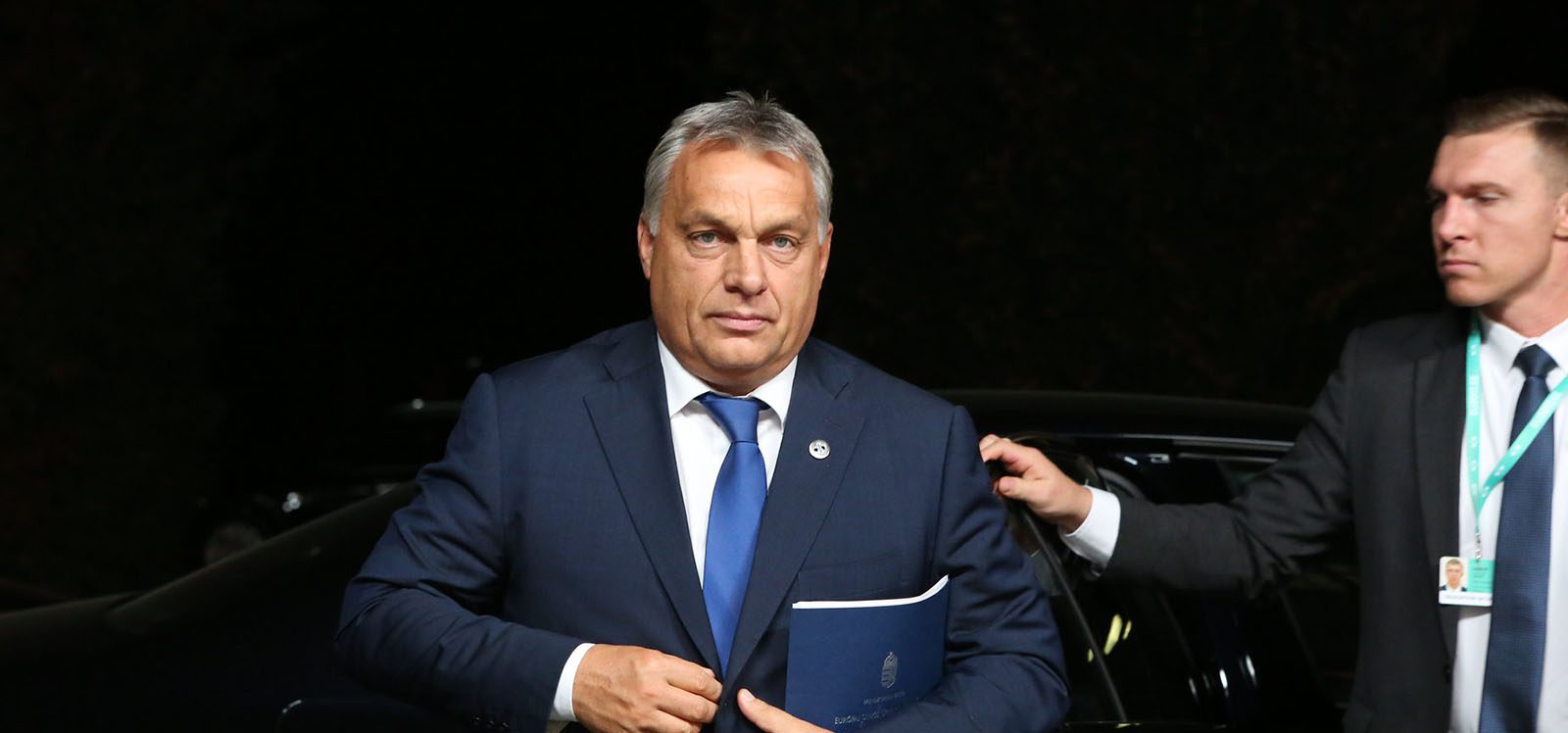
Kinga Korányi
Viktor Orbán has just emerged victorious in the Hungarian national election of 3 April, despite his pro-Russian stance and friendship with Vladimir Putin, which had been expected to tarnish his party Fidesz’s popularity. Kinga Koranyi argues that Fidesz managed to turn its response to the war in Ukraine into a successful campaign tool Read more
We use necessary cookies to make our site work. We'd also like to set analytics cookies that help us make improvements by measuring how you use the site. These will be set only if you accept.
▼
Strictly Necessary Cookies
Necessary cookies enable core functionality such as security, network management, and accessibility. You may disable these by changing your browser settings, but this may affect how the website functions.
▼
Analytics Cookies
Google Analytics
We'd like to set Google Analytics cookies to help us improve our website by collecting and reporting information on how you use it. The cookies collect information in a way that does not directly identify anyone. For more information on how these cookies work please see our Privacy Notice.