Maria Gloria Polimeno
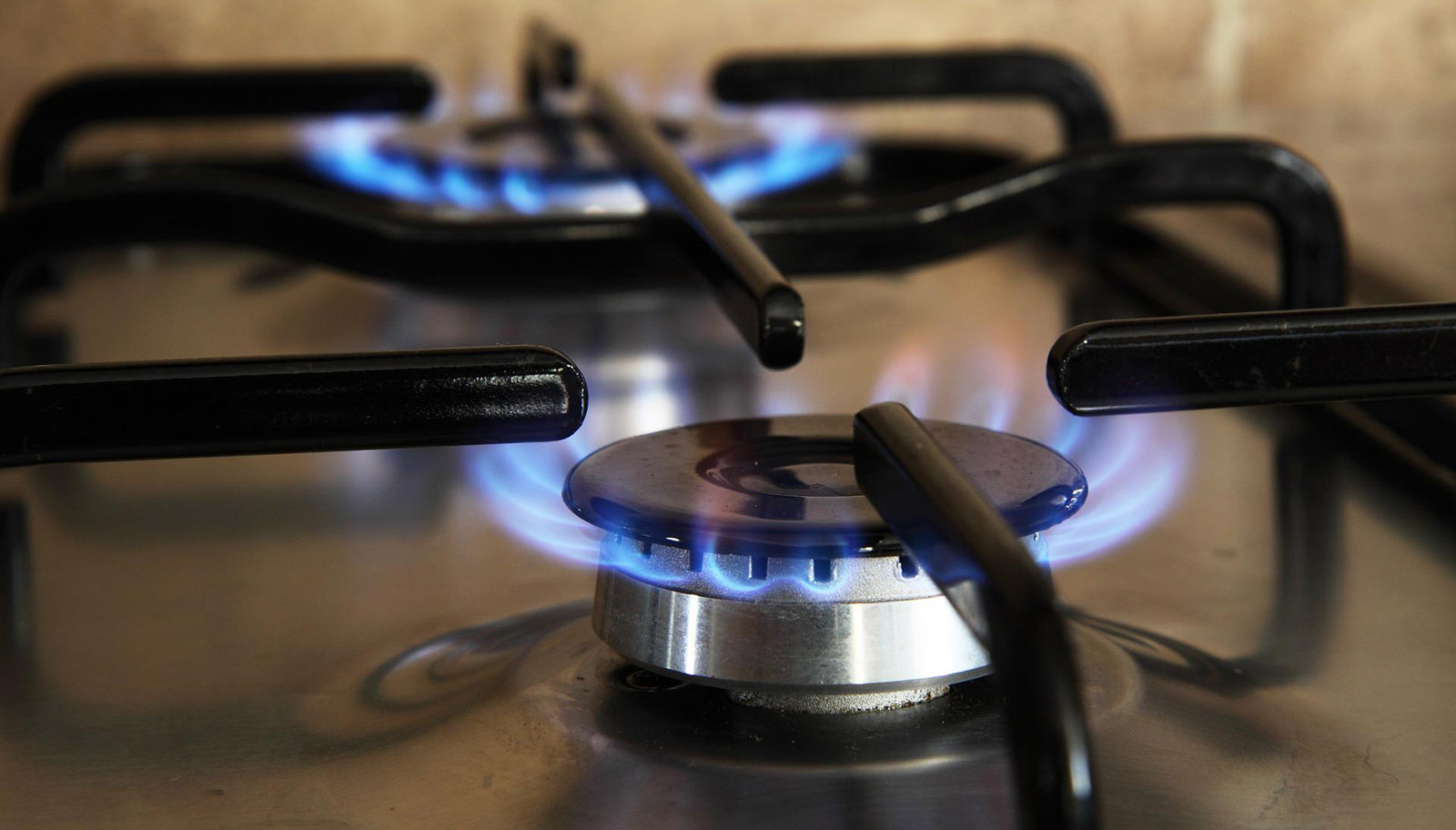
EU independence from Russia's fossil fuels is predicated on a defence of democratic principles. Yet, argues Maria Gloria Polimeno, a moral contradiction in policy is emerging as EU member states seeks other suppliers. This highlights the need for a sustainable green transition in EU energy supplies Read more
Albrecht Rothacher
Albrecht Rothacher argues that the Russian experience of invading Ukraine has caused China to rethink its militaristic intentions regarding Taiwan. What once might have been perceived as a ‘solution’ to the Taiwanese problem now looks unfeasible in the light of Ukraine’s and the West’s response to Russian aggression Read more
Kinga Korányi
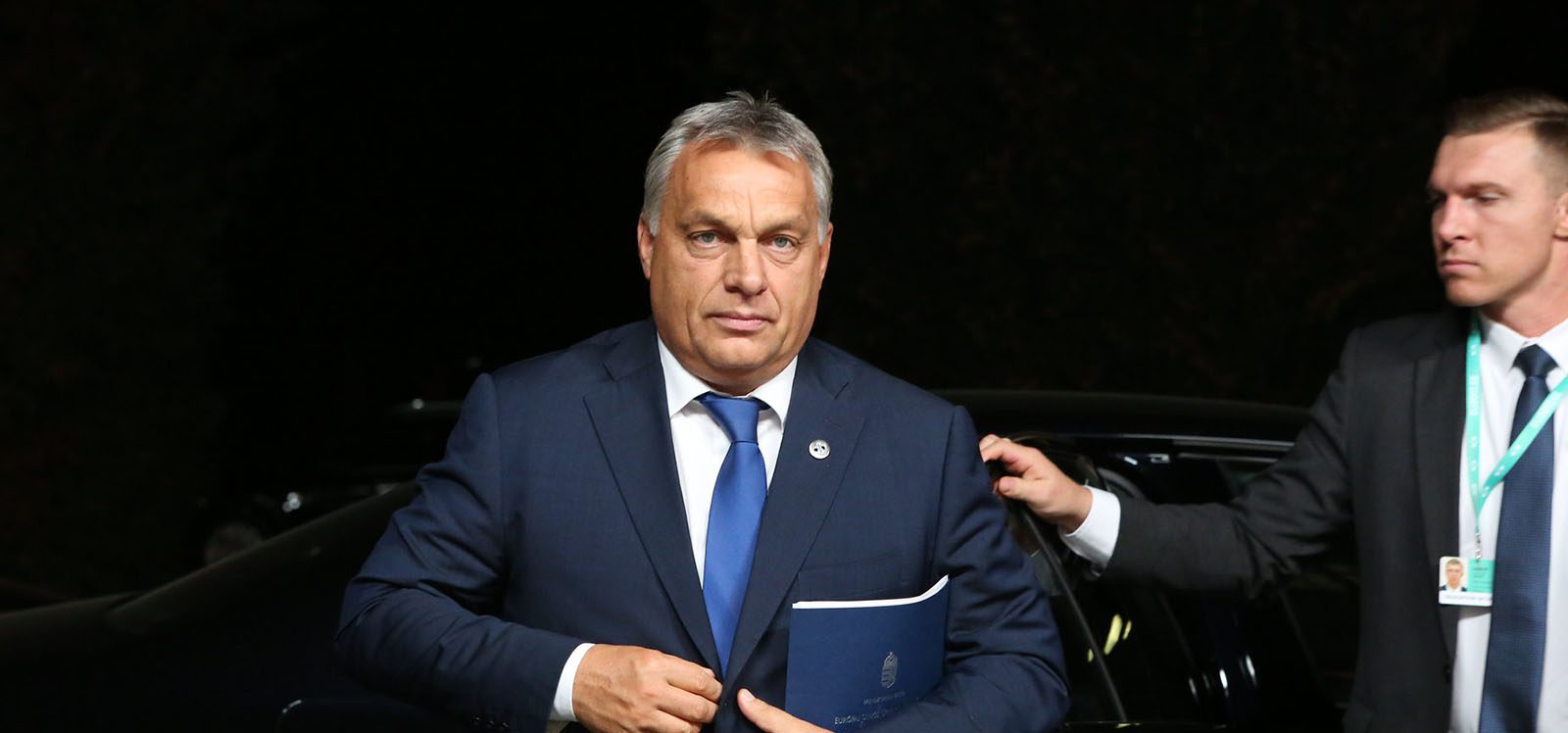
Viktor Orbán has just emerged victorious in the Hungarian national election of 3 April, despite his pro-Russian stance and friendship with Vladimir Putin, which had been expected to tarnish his party Fidesz’s popularity. Kinga Koranyi argues that Fidesz managed to turn its response to the war in Ukraine into a successful campaign tool Read more
Ian Budge
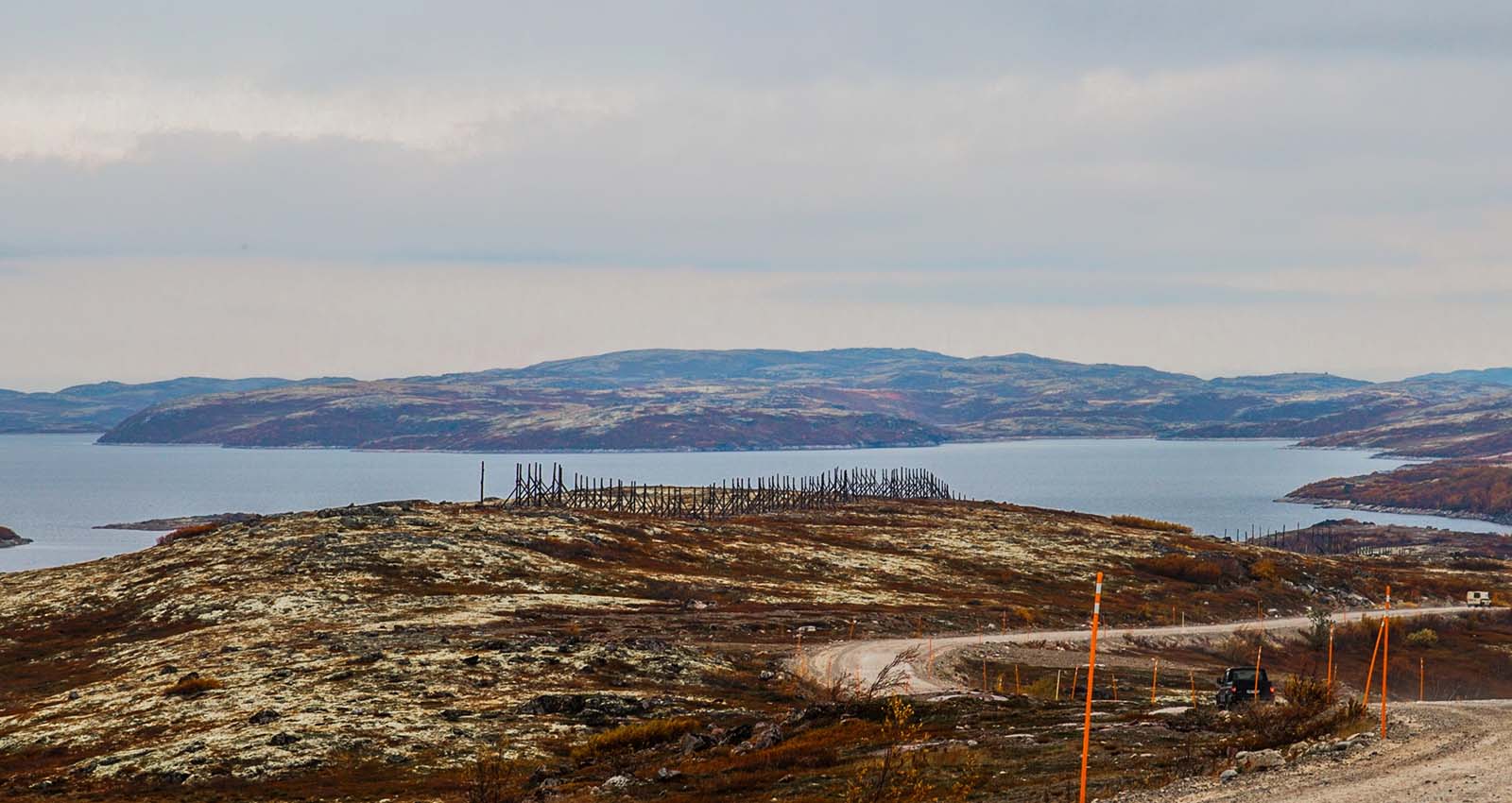
The climate catastrophe has been forgotten, Ian Budge argues, as NATO extends itself up to the Russian border. Stopping Russia destroying its natural environment should be the real imperative for the West. Recognising this would soften both sides’ aggressive reactions and ease the way to an equable settlement over Ukraine. Read more
Albrecht Rothacher
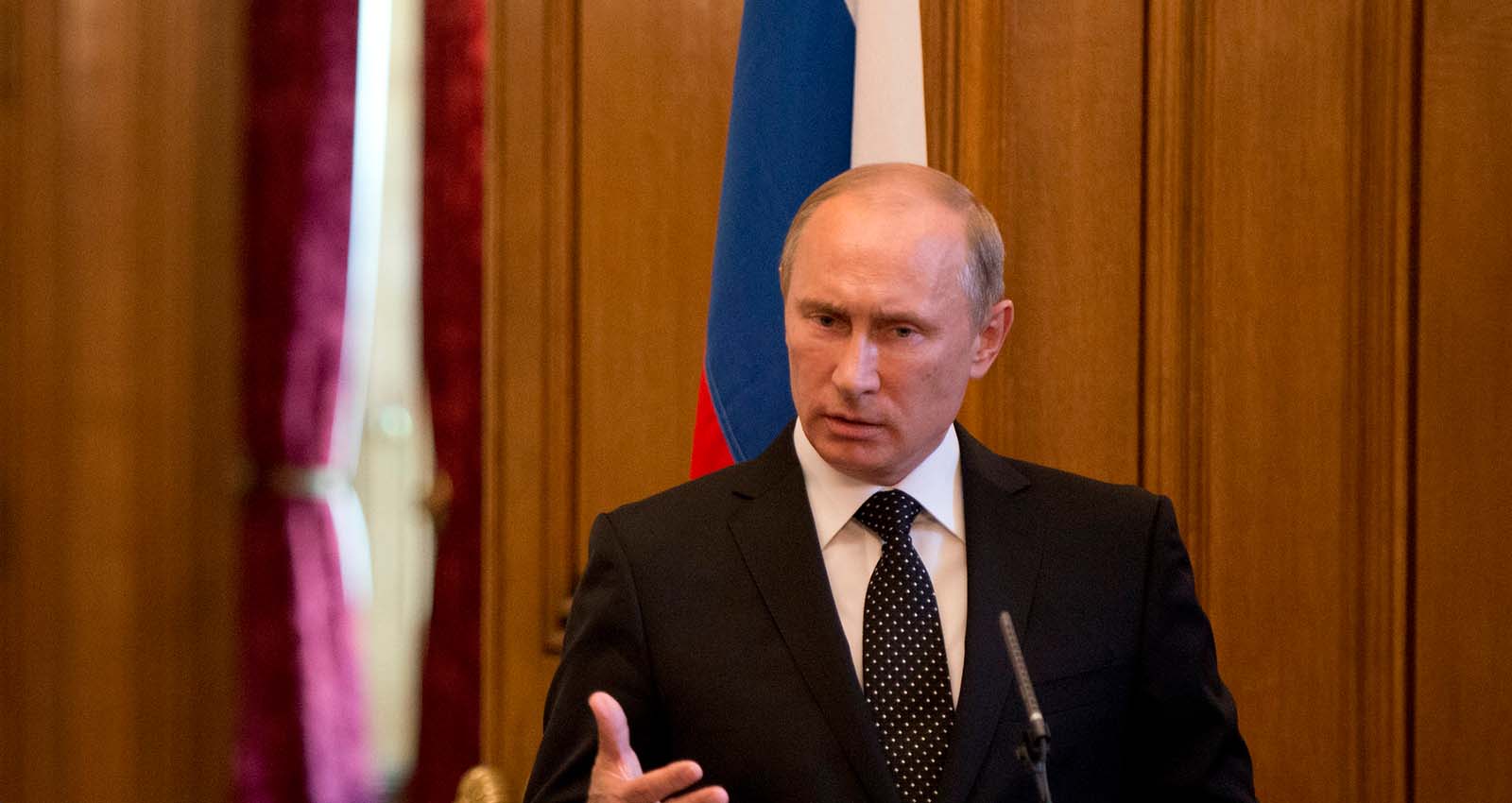
Albrecht Rothacher argues that Putin’s power play over Ukraine, while being driven by the West’s current weakness, serves neither Russia or the West. The two sides should, instead, lower tensions and address together several long-standing issues at the heart of current international instability Read more
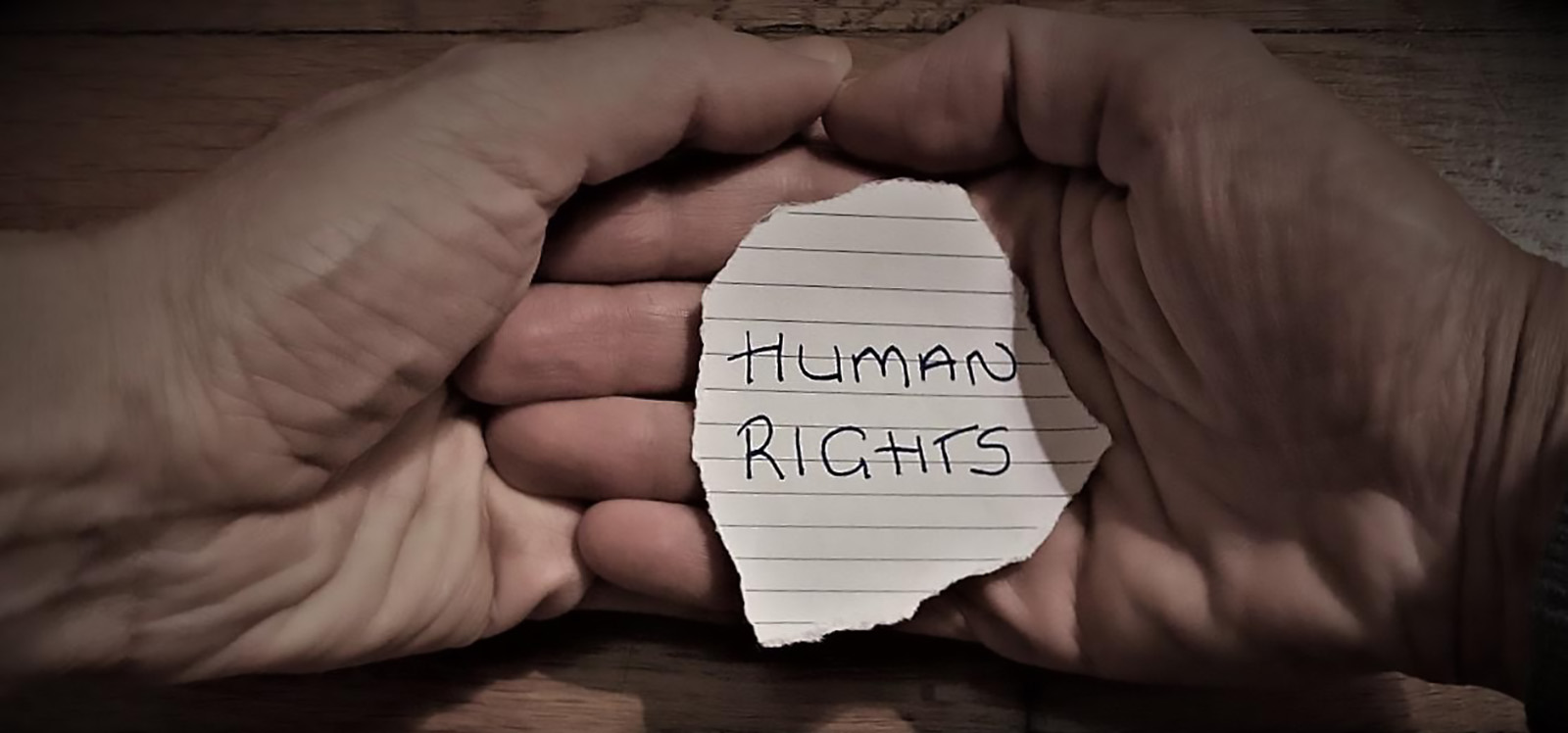
Clara Portela
Human rights activists have applauded the European Union's new human rights sanctions regime. However, writes Clara Portela, although the regime comes with several flexible innovations, its ultimate goal remains ambiguous Read more
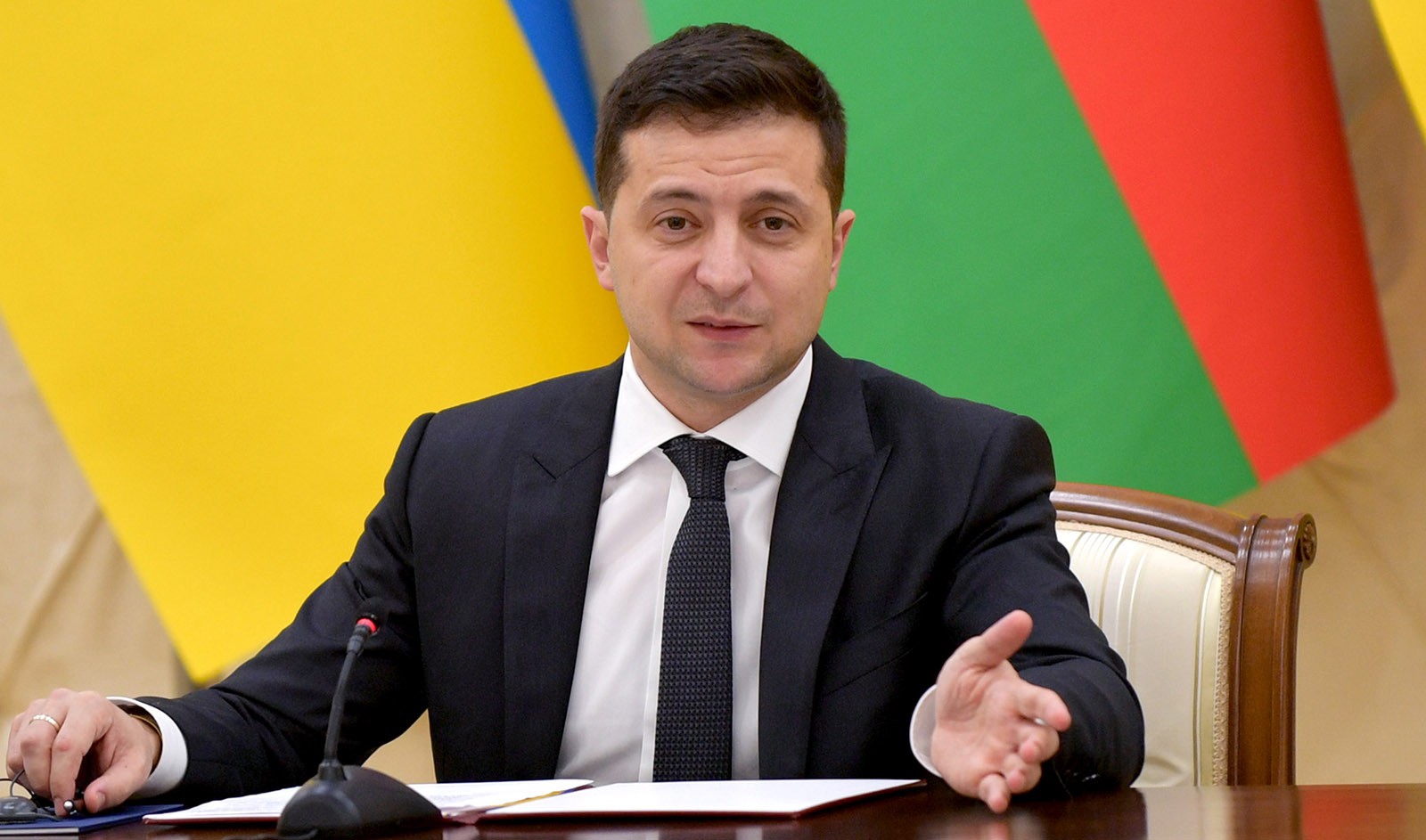
Kiryl Kascian
In February 2021, Ukraine president Volodymyr Zelensky banned three TV channels branded pro-Russian propaganda. Sanctions and criminal charges against politicians and public figures followed. But these measures, argues Kiryl Kascian, cannot help Ukraine's counter-Russian strategy Read more
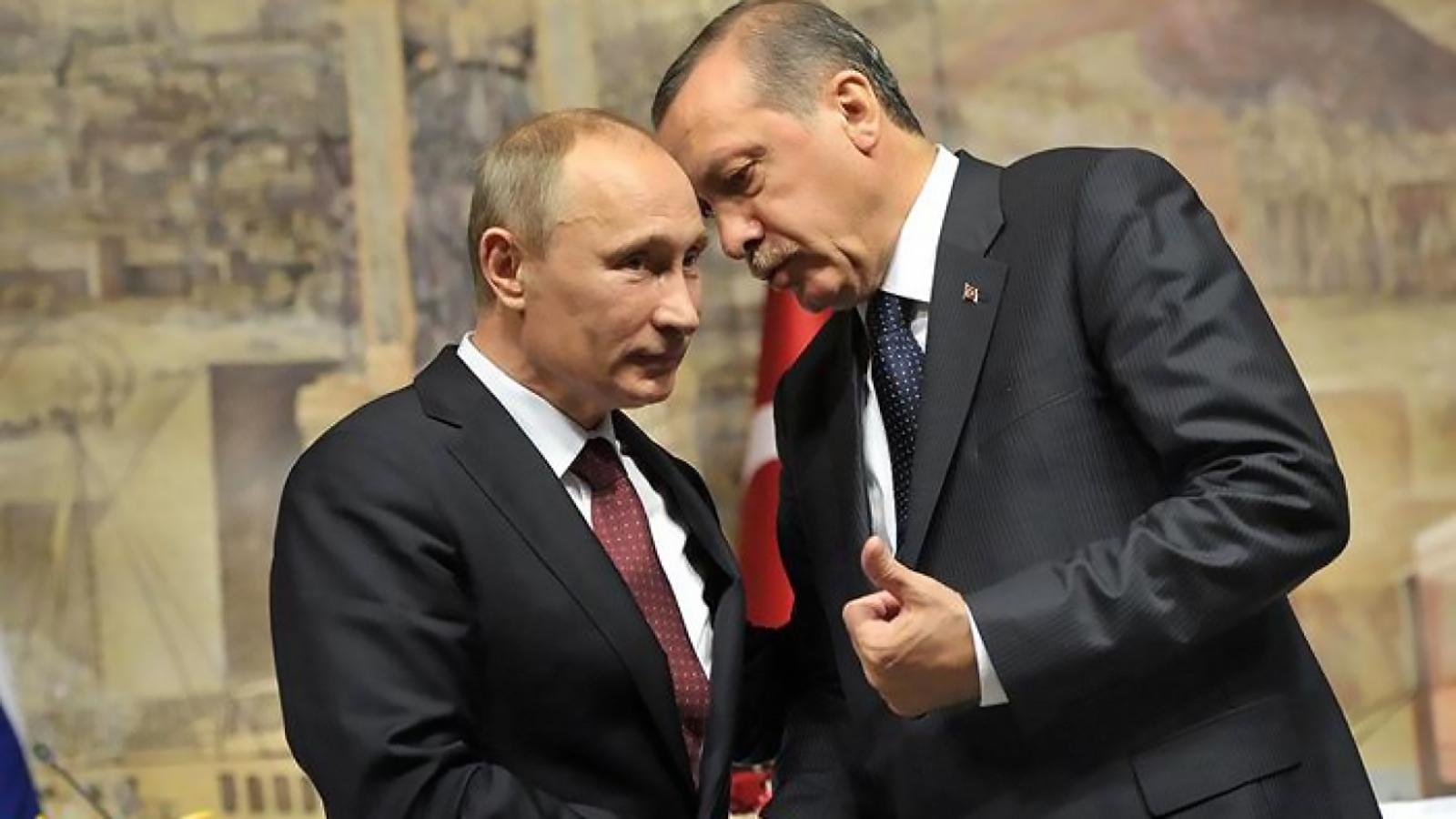
Mehmet Bardakçı
Despite the growing accord between Moscow and Ankara, a relationship that has grown ever closer over the past three decades, a new strategic partnership is unlikely to develop in the near future, writes Mehmet Bardakçı, due to significant differences over geostrategic interests, the lack of a mutual social base to the relationship, and the limited capacity of Russia as an economic partner Read more
We use necessary cookies to make our site work. We'd also like to set analytics cookies that help us make improvements by measuring how you use the site. These will be set only if you accept.
▼
Strictly Necessary Cookies
Necessary cookies enable core functionality such as security, network management, and accessibility. You may disable these by changing your browser settings, but this may affect how the website functions.
▼
Analytics Cookies
Google Analytics
We'd like to set Google Analytics cookies to help us improve our website by collecting and reporting information on how you use it. The cookies collect information in a way that does not directly identify anyone. For more information on how these cookies work please see our Privacy Notice.