Roland Benedikter
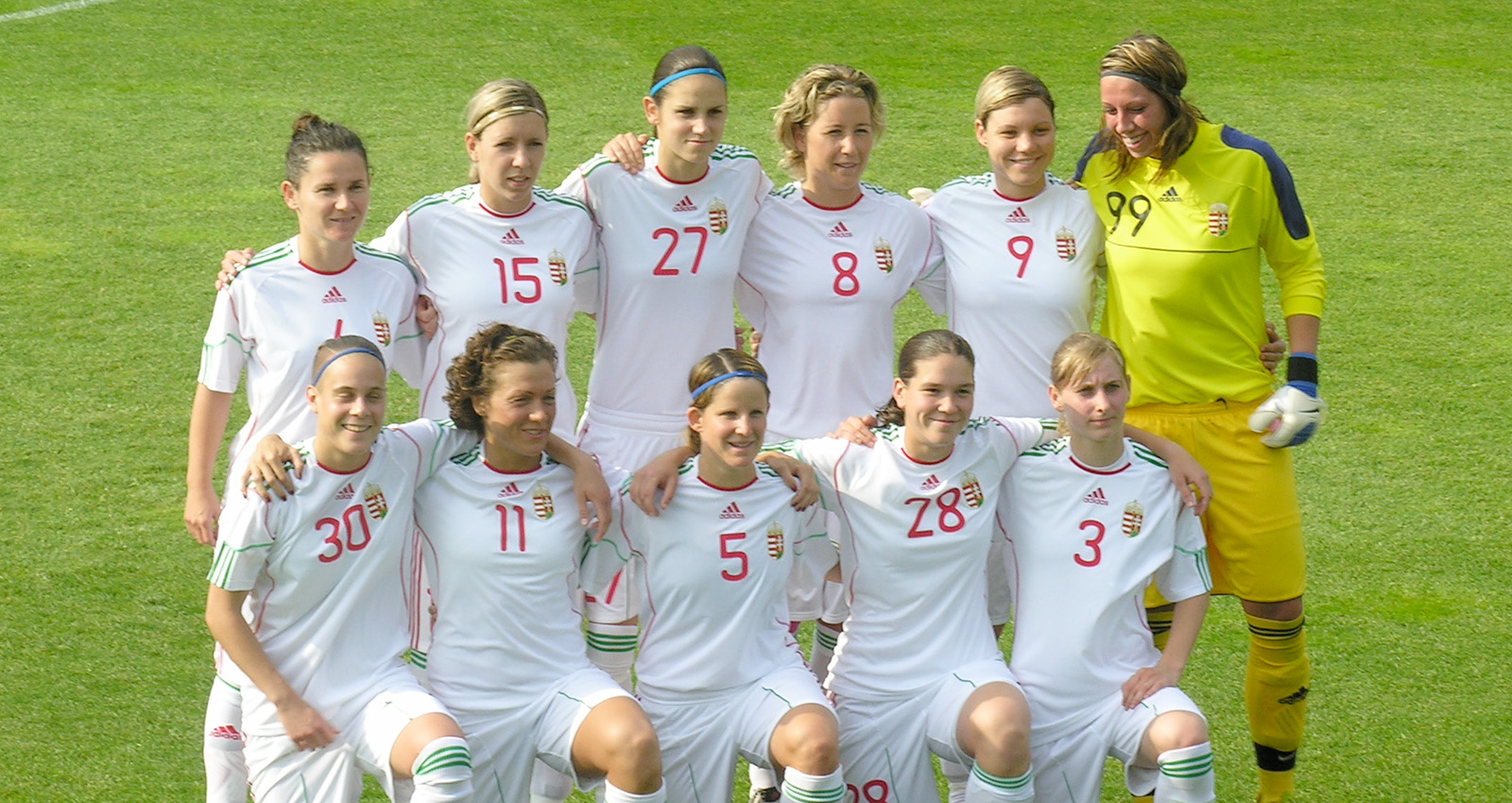
In women’s international football, teams from Western Europe dominate, while Central and Eastern European countries are absent. Roland Benedikter and Dariusz Wojtaszyn explore why women’s football apparently enjoys more success in Western than in Eastern Europe, and whether there is an appetite for change Read more
Gefjon Off
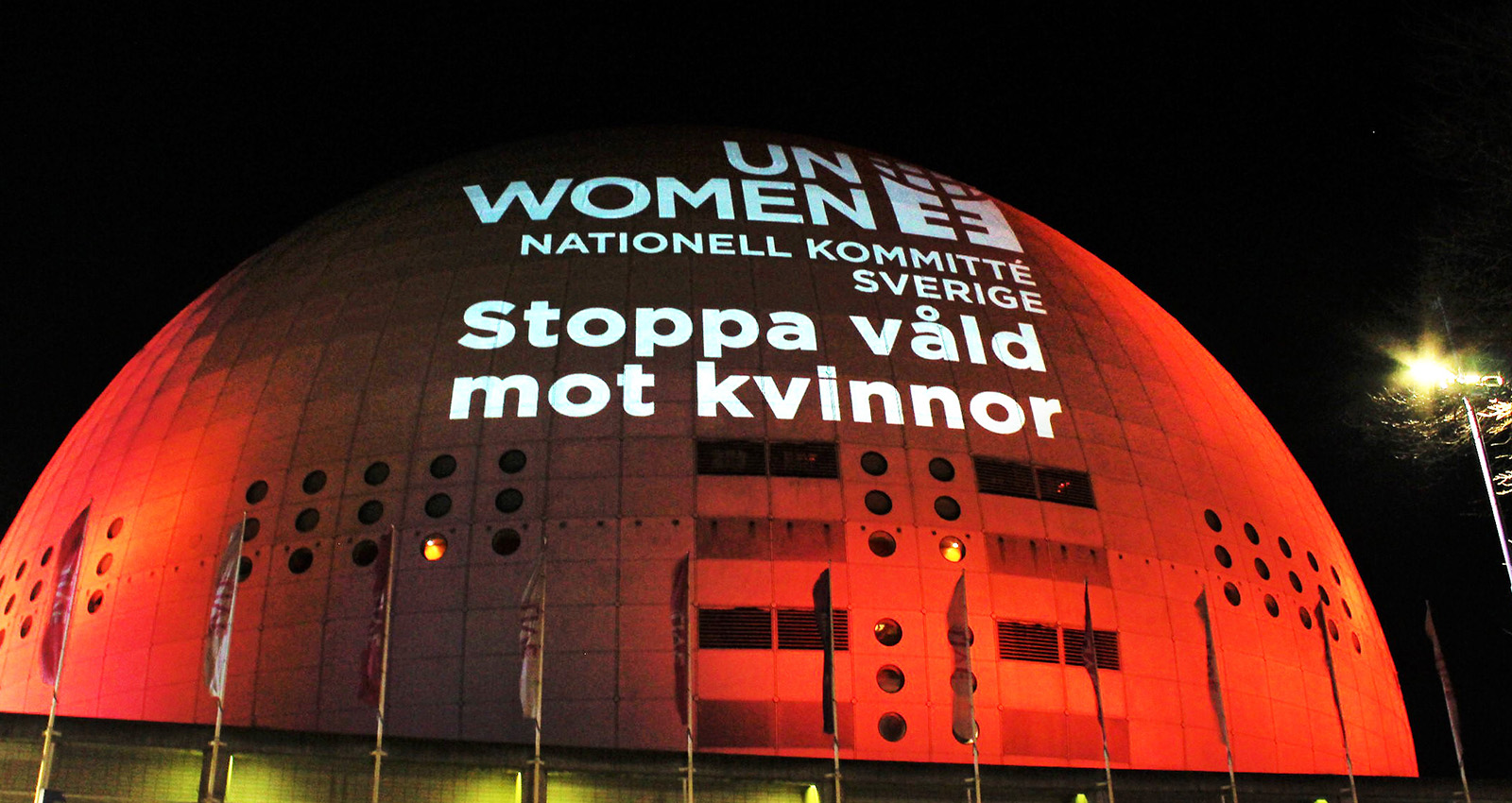
Evidence from Sweden shows that feminist mobilisations, such as #MeToo, can trigger a conservative backlash against gender equality and LGBTQI+ rights. This then fuels support for the radical right, argues Gefjon Off Read more
Sergio Ricardo Quiroga
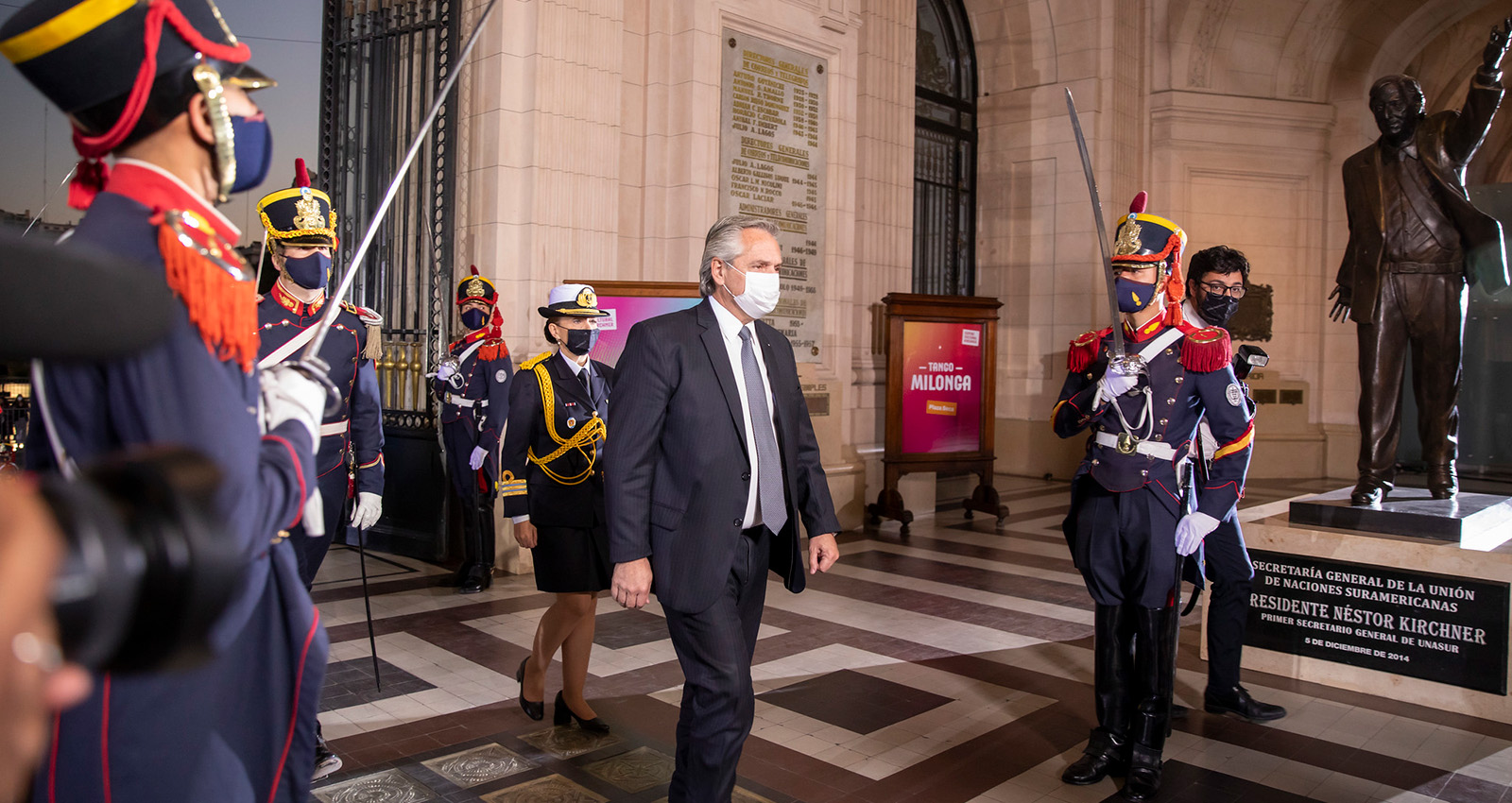
Kirchnerism emerged from Argentine Peronism, spearheaded by Néstor Kirchner and Cristina Fernández de Kirchner. Since 2003, it has built a cultural and political hegemony that denies Argentinian citizens their political and civil liberties, writes Sergio Quiroga. Read more
Martin Bull
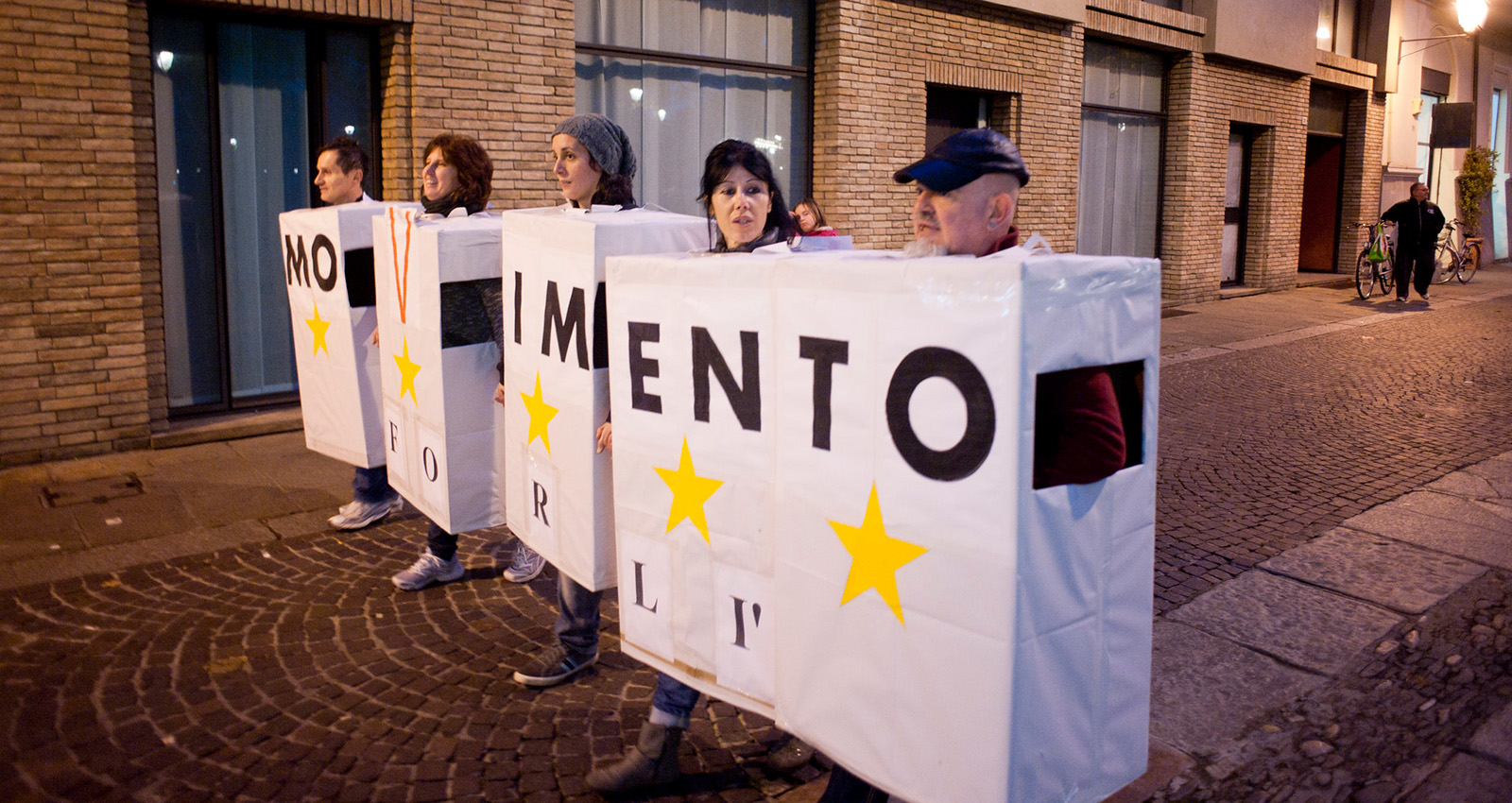
The Italian Five Star Movement has undergone a formidable split, with former leader Luigi di Maio walking out with 60 parliamentarians and forming a new party. This, and declining popularity in opinion polls, marks the twilight of Five Star’s decade-long success – and possibly the end of populist politics in Italy, writes Martin Bull Read more
Christoph Arndt
Recent European elections have revealed that voters are increasingly polarised on environmental protectionism. Christoph Arndt, Daphne Halikiopoulou and Christos Vrakopoulos contend that local opposition to climate change measures is reinforcing a centre-periphery cleavage in Western Europe Read more
Lasse Thomassen
How should we interpret what happened on 6 January 2021 at the Capitol? Lasse Thomassen argues that, while populists like Trump may threaten democracy, we cannot simply dismiss populism and the populist mob without taking something away from it that we value: its inherent openness Read more
Leonardo Fiorespino
Leonardo Fiorespino finds Jean-Paul Gagnon’s proposed lexicon of democracy wanting in its base assumptions around knowledge and arbitrariness. Moreover, he wonders, can we really trust 'democracy's words'? Read more
Ana Tereza Duarte Lima de Barros
Political terms such as communist, fascist, and populist have become so elastic that they end up losing their analytical precision and meaning, write Ana Tereza Duarte Lima de Barros and Jorge Henrique Oliveira Gomes. It is our responsibility to use them with accuracy Read more
We use necessary cookies to make our site work. We'd also like to set analytics cookies that help us make improvements by measuring how you use the site. These will be set only if you accept.
▼
Strictly Necessary Cookies
Necessary cookies enable core functionality such as security, network management, and accessibility. You may disable these by changing your browser settings, but this may affect how the website functions.
▼
Analytics Cookies
Google Analytics
We'd like to set Google Analytics cookies to help us improve our website by collecting and reporting information on how you use it. The cookies collect information in a way that does not directly identify anyone. For more information on how these cookies work please see our Privacy Notice.