Sebastian Elischer
Many autocracies emerge through military coups, but studies of hybrid regimes and electoral autocracies largely disregard the role of militaries in their trajectory. Sebastian Elischer shows how armies consolidate their power when they take control and suggests a further research agenda Read more
Hager Ali
When democracies’ most basic features lose their distinctive edge, differentiating regime types becomes a problem for scholars of democracy and autocracy alike. Hager Ali wants to redraw demarcations between regimes across the political spectrum. To do so, she argues that civilian control over militaries is just as fundamental as suffrage Read more
Fizza Batool
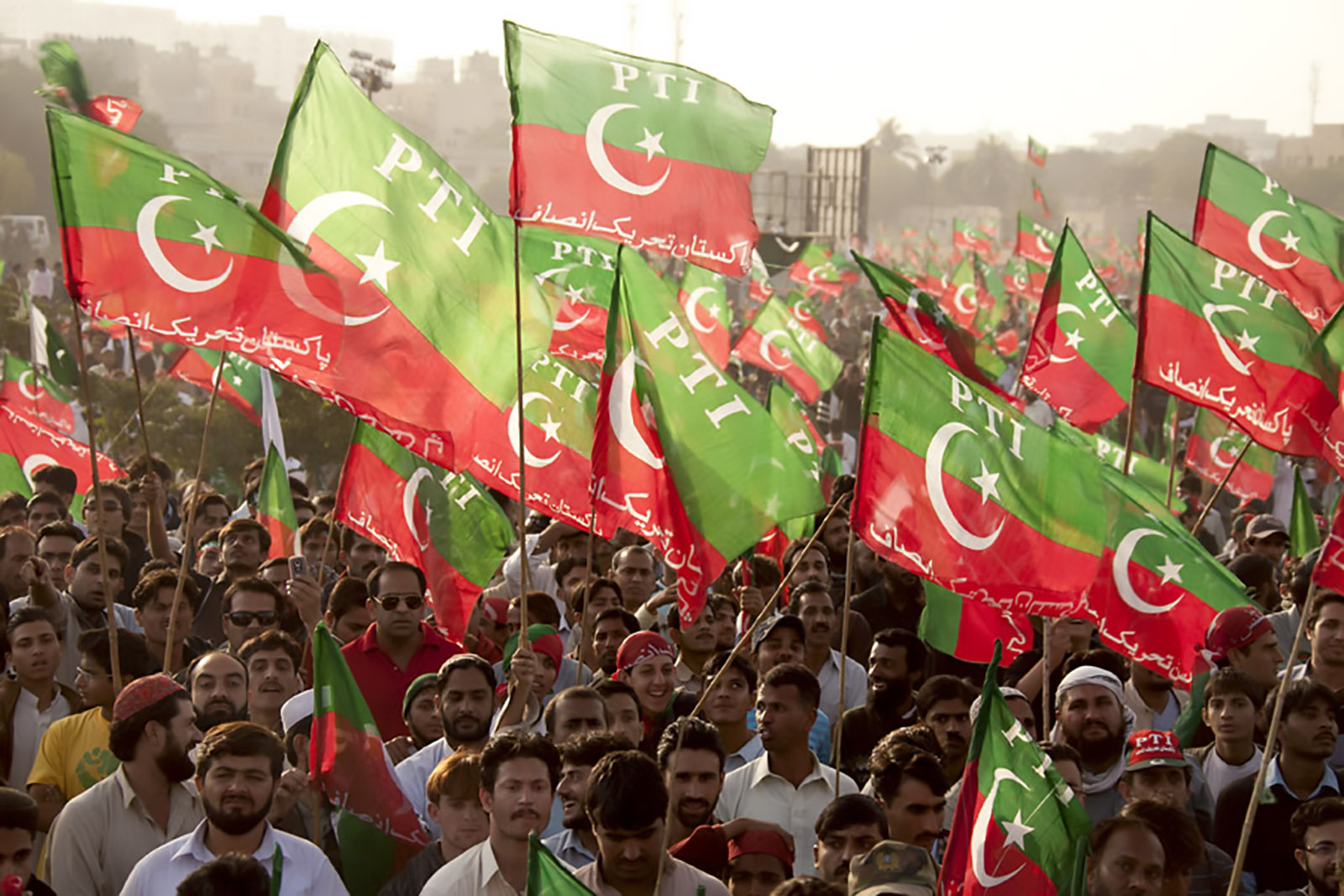
With another Prime Minister ousted before completing his five-year term, many blame Pakistan's instability on competition for power among political parties. But Fizza Batool argues that illiberalism, not democracy, is to blame Read more
Salah Ben Hammou
Researchers of authoritarian politics and civil-military relations have long examined military rule. However, our understanding of civilian participation in military regimes remains limited and requires greater analytical attention, argues Salah Ben Hammou. Amid last year’s coup resurgence, researchers must move to appreciate the subtle but salient differences among military dictatorships Read more
Hager Ali
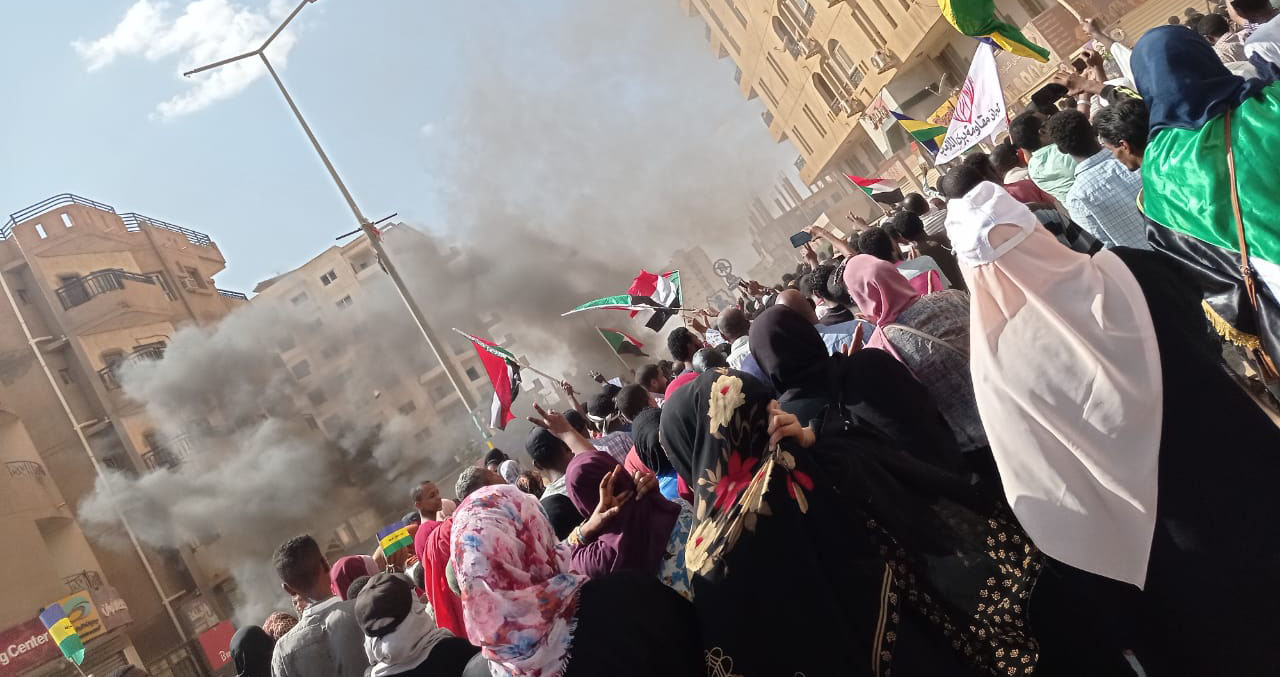
A military coup on 25 October put an abrupt end to Sudan’s fragile democratic transition. Hager Ali argues that although the coup pre-empted a foreseeable power-transfer, the military also created a much bigger problem for itself. The same socio-political conditions that kept al-Bashir in power for decades now threaten the military’s capacity to govern Read more
Ziya Öniş
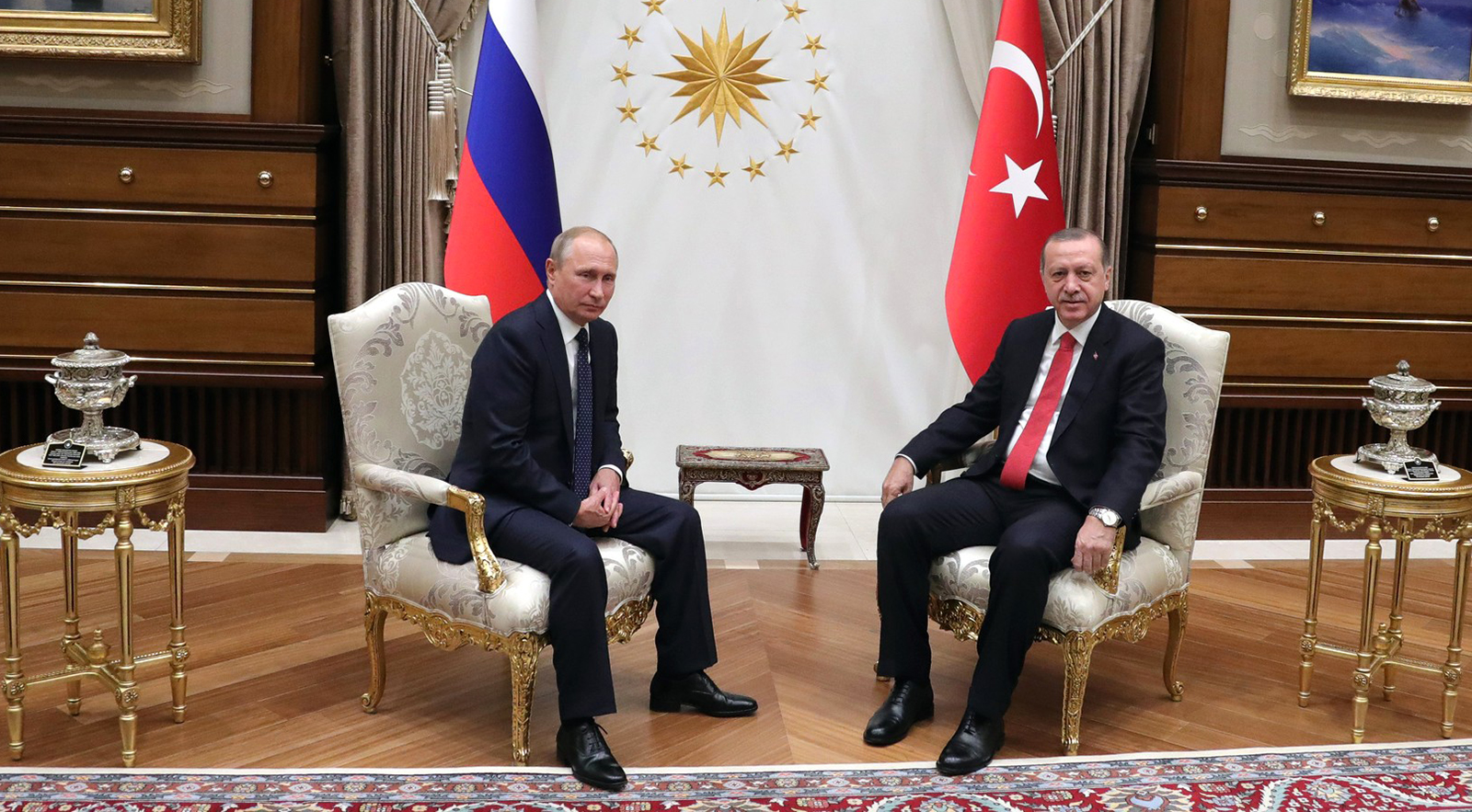
In recent years, Turkish foreign policy has oscillated between traditional alignments with the West, and a new Eastern orientation. Partnerships with Russia and China are becoming increasingly important, write Ziya Öniş and Mustafa Kutlay. Yet Turkey must be firmly anchored to the club of democratic states to regain its benign regional and global role Read more
Mădălin-Cătălin Blidaru
The regional dimension of international relations is more significant today than ever before, argues Mădălin-Cătălin Blidaru. In the current crisis, regional cooperation and institutionalised regional organisations are delivering important solutions. The network of external relations being developed by regional organisations takes us beyond a state-centred world Read more
We use necessary cookies to make our site work. We'd also like to set analytics cookies that help us make improvements by measuring how you use the site. These will be set only if you accept.
▼
Strictly Necessary Cookies
Necessary cookies enable core functionality such as security, network management, and accessibility. You may disable these by changing your browser settings, but this may affect how the website functions.
▼
Analytics Cookies
Google Analytics
We'd like to set Google Analytics cookies to help us improve our website by collecting and reporting information on how you use it. The cookies collect information in a way that does not directly identify anyone. For more information on how these cookies work please see our Privacy Notice.