Akudo McGee
All regimes have courts but through so-called ‘autocratic legalism’, autocrats leverage them to consolidate regimes without initially raising red flags. Akudo McGee argues that autocratic legalism easily flies under the radar because early warning signs of autocratisation are subtle. Indicators of autocratisation, therefore, need better taxonomies of authoritarianism to work Read more
Kinga Korányi
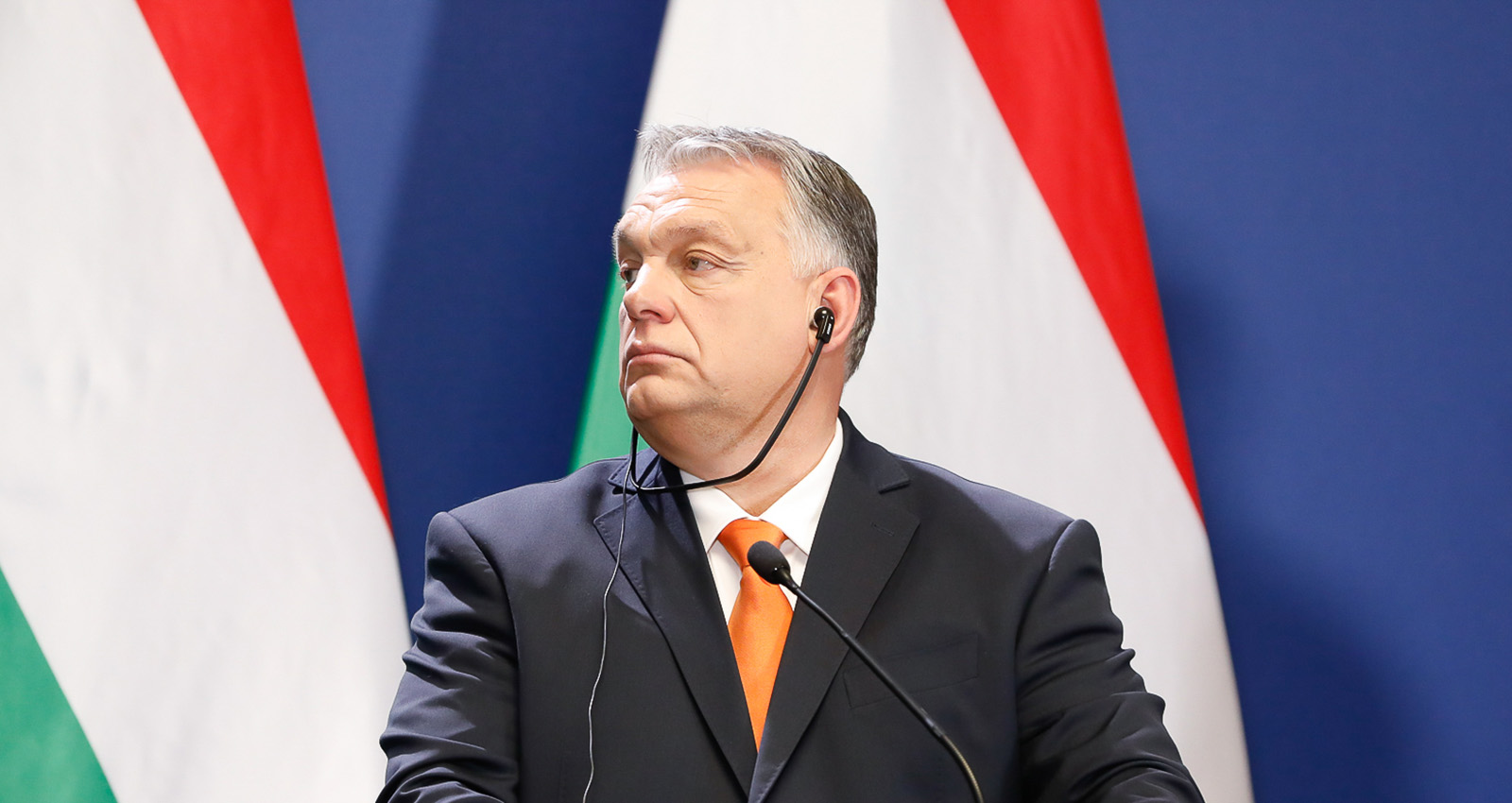
Viktor Orbán’s condemned speech at Băile Tușnad marks a dangerous turn towards fascist rhetoric. But it also reveals a larger narrative overlooked by international observers. Orbán’s party could be undergoing programmatic realignment to attract support from far-right voters in a time when his party faces great insecurity, writes Kinga Koranyi Read more
Matthijs Bogaards
Can we see autocracy more clearly if we see it as the opposite of democracy? Or do we need to look at autocracy as a category in its own right? Matthijs Bogaards provides an answer through a critical examination of the concept of defective autocracy, the mirror of defective democracy. Read more
Kinga Korányi
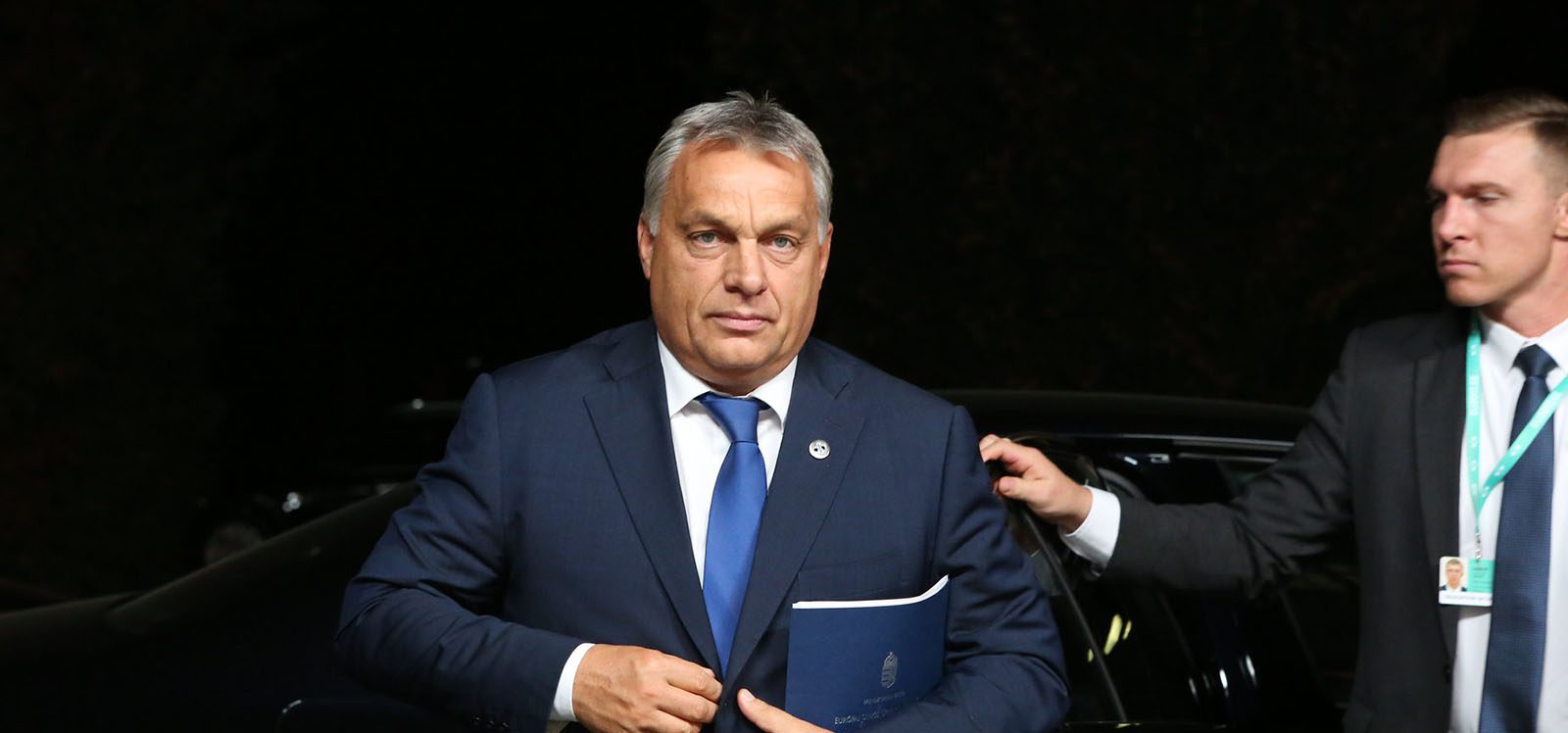
Viktor Orbán has just emerged victorious in the Hungarian national election of 3 April, despite his pro-Russian stance and friendship with Vladimir Putin, which had been expected to tarnish his party Fidesz’s popularity. Kinga Koranyi argues that Fidesz managed to turn its response to the war in Ukraine into a successful campaign tool Read more
Andrew Richard Ryder
Since 2010, Hungarian Prime Minister Viktor Orbán has carried through measures that have undermined the rule of law, with no prospect for changing this trajectory. However, argues Andrew Richard Ryder, current events present opportunities for a return to democratic values in Hungary Read more
Irene Landini
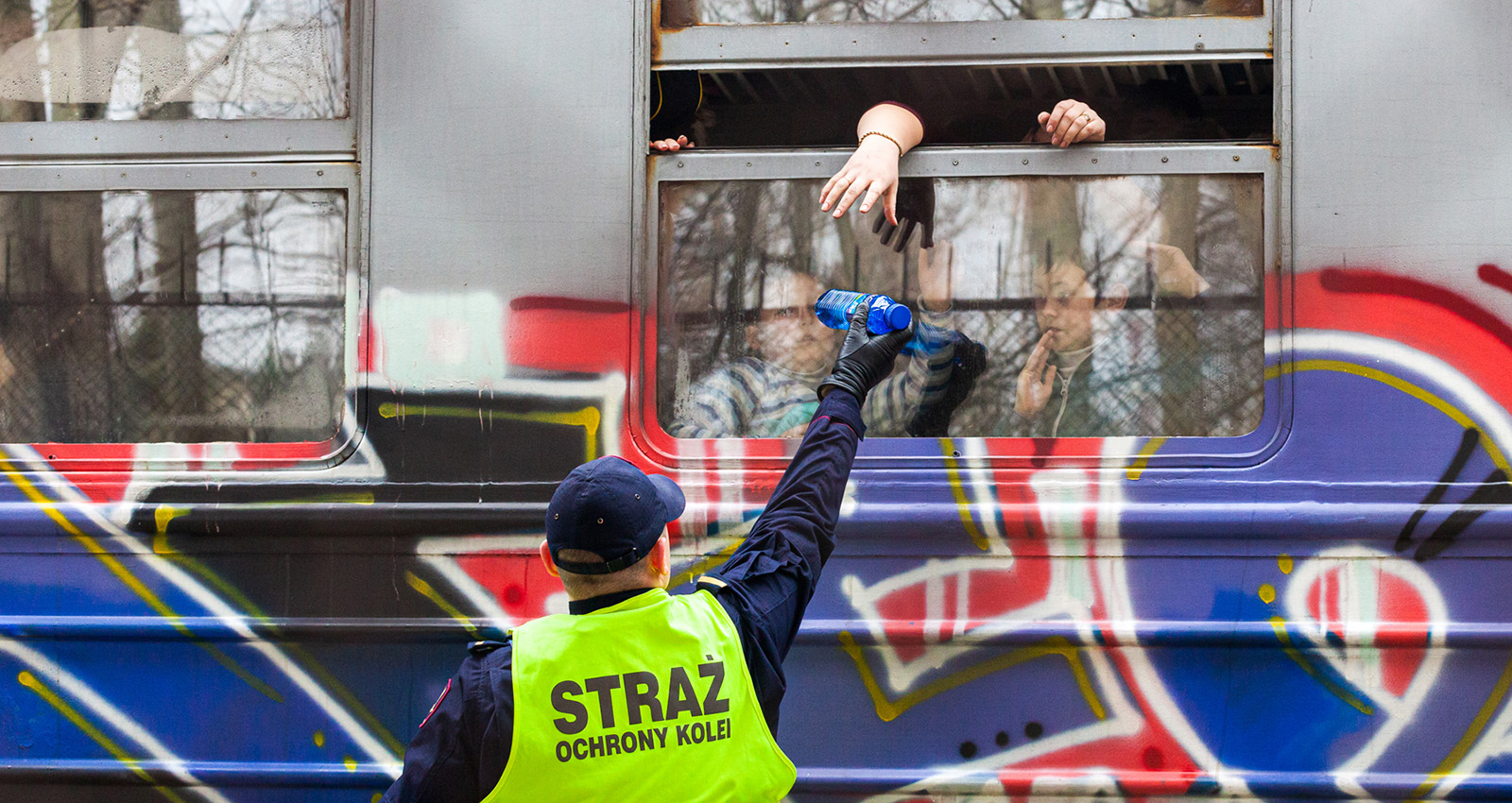
Eastern European governments show a high degree of solidarity towards Ukrainian asylum seekers fleeing the conflict provoked by the Russian invasion. At the same time, these governments continue to resist asylum seekers from the Middle East. Irene Landini explains the geographical, cultural and political factors behind this contradiction. Read more
João Alípio Correa
The concept of 'illiberal democracy' is well-founded, but João Alípio Correa argues that it fails to convey what is happening in regimes described as such. To gain a more incisive understanding of the current deterioration in democratic regimes, he proposes the umbrella definition 'autocratisation' Read more
Balázs Böcskei
Balázs Böcskei and Eszter Farkas analyse the influence of partisan alignment on public health issues related to coronavirus. Their findings suggest that even in such a highly polarised country as Hungary, the significance of the pandemic over time is suppressing the influence of party alignment on Covid-related issues Read more
We use necessary cookies to make our site work. We'd also like to set analytics cookies that help us make improvements by measuring how you use the site. These will be set only if you accept.
▼
Strictly Necessary Cookies
Necessary cookies enable core functionality such as security, network management, and accessibility. You may disable these by changing your browser settings, but this may affect how the website functions.
▼
Analytics Cookies
Google Analytics
We'd like to set Google Analytics cookies to help us improve our website by collecting and reporting information on how you use it. The cookies collect information in a way that does not directly identify anyone. For more information on how these cookies work please see our Privacy Notice.