James F. Downes
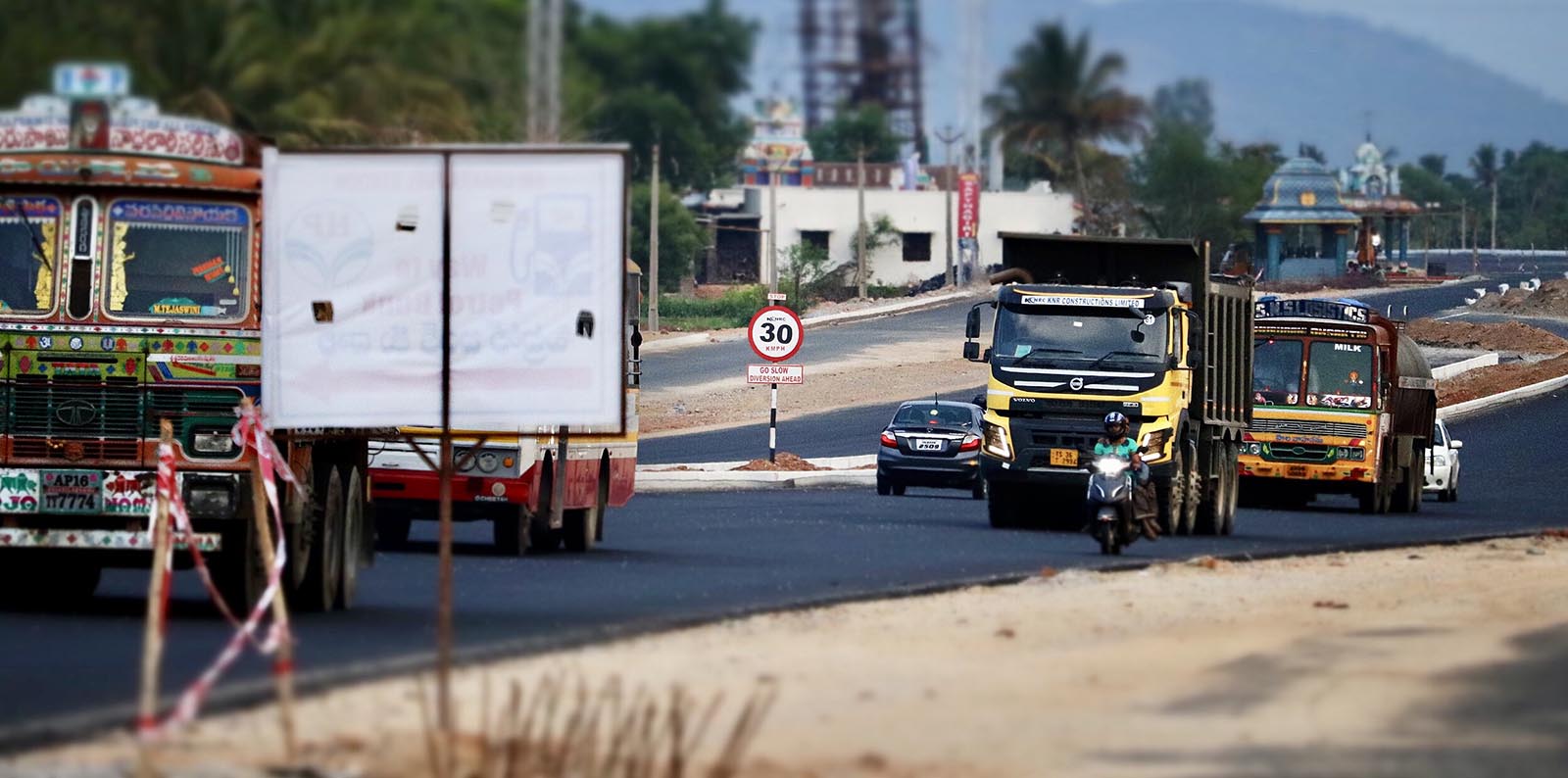
James F. Downes and Mathew Wong re-evaluate the impact of the Belt and Road Initiative by examining important macroeconomic linkages between China and other economies. Combining statistical analyses of 163 countries, alongside EU case studies , they find that the economic impact of the BRI is limited, and determined largely by pre-BRI economic factors Read more
Cătălina Frâncu
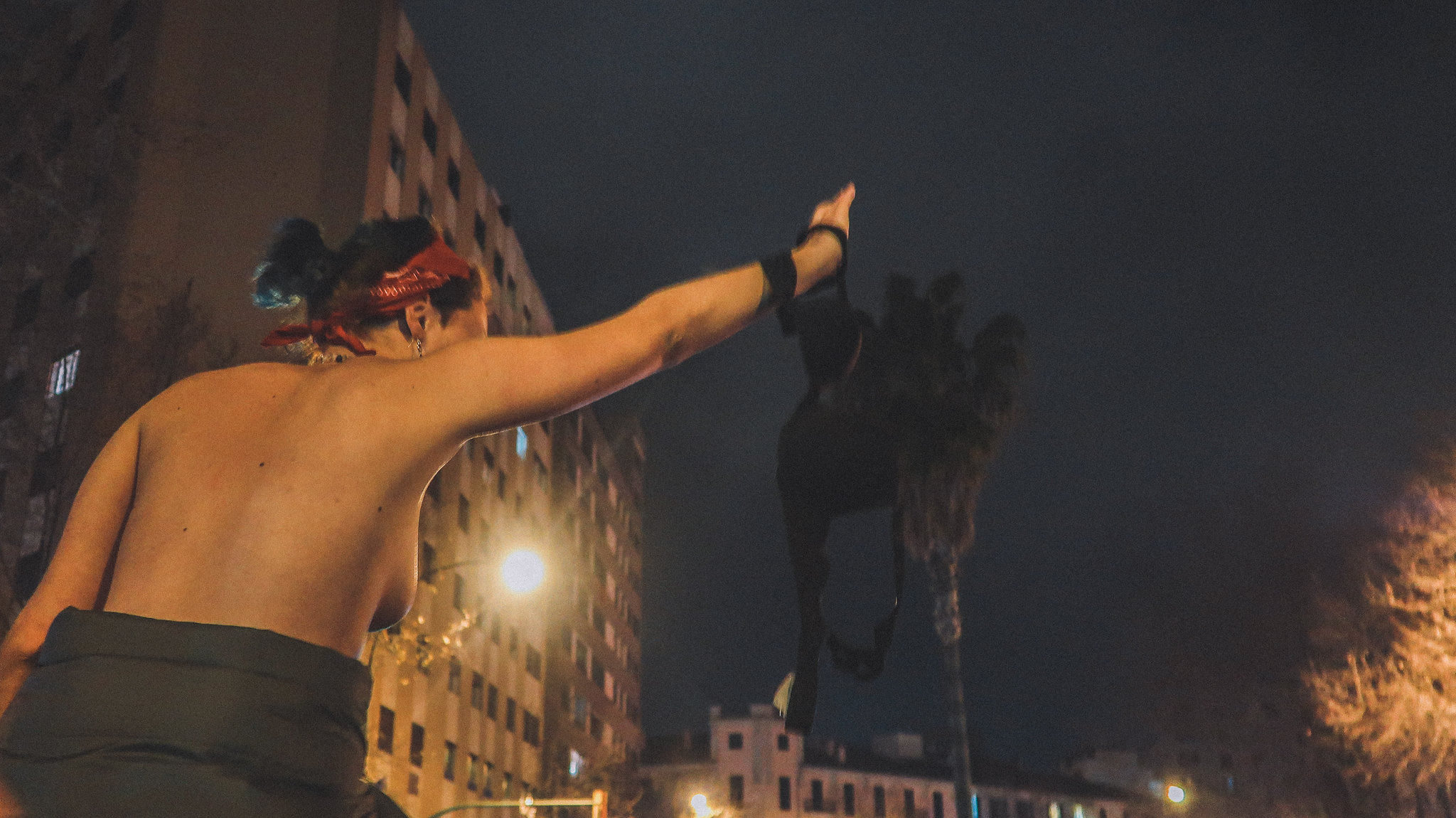
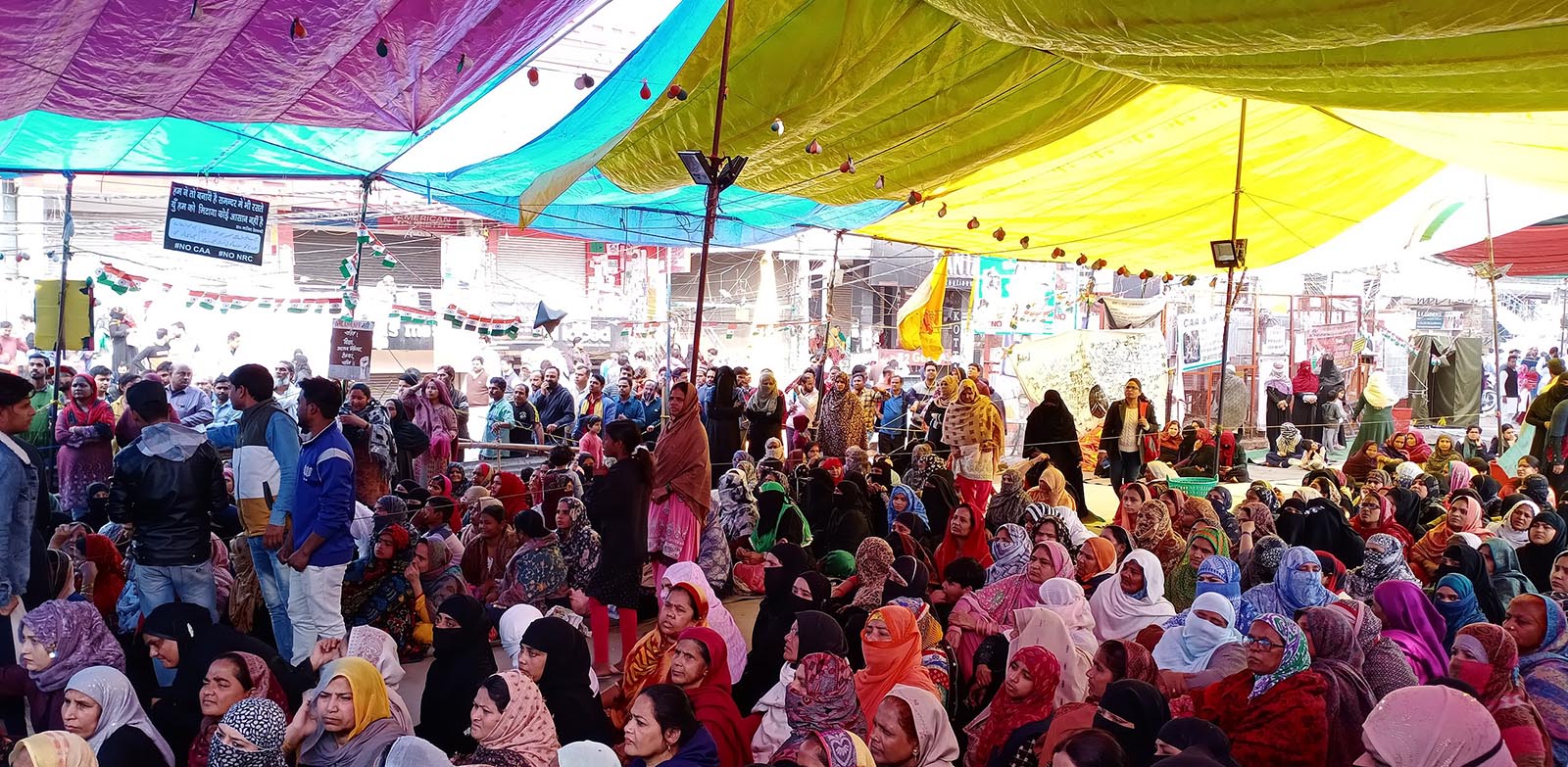
In recent decades, real progress has been made to inclusivity in urban policies and in access to urban spaces. Cătălina Frâncu warns these gains are now under threat. Here, she explores the impact of illiberalism on the exclusion of women and marginalised groups from urban public spaces Read more
Dóra Oprics
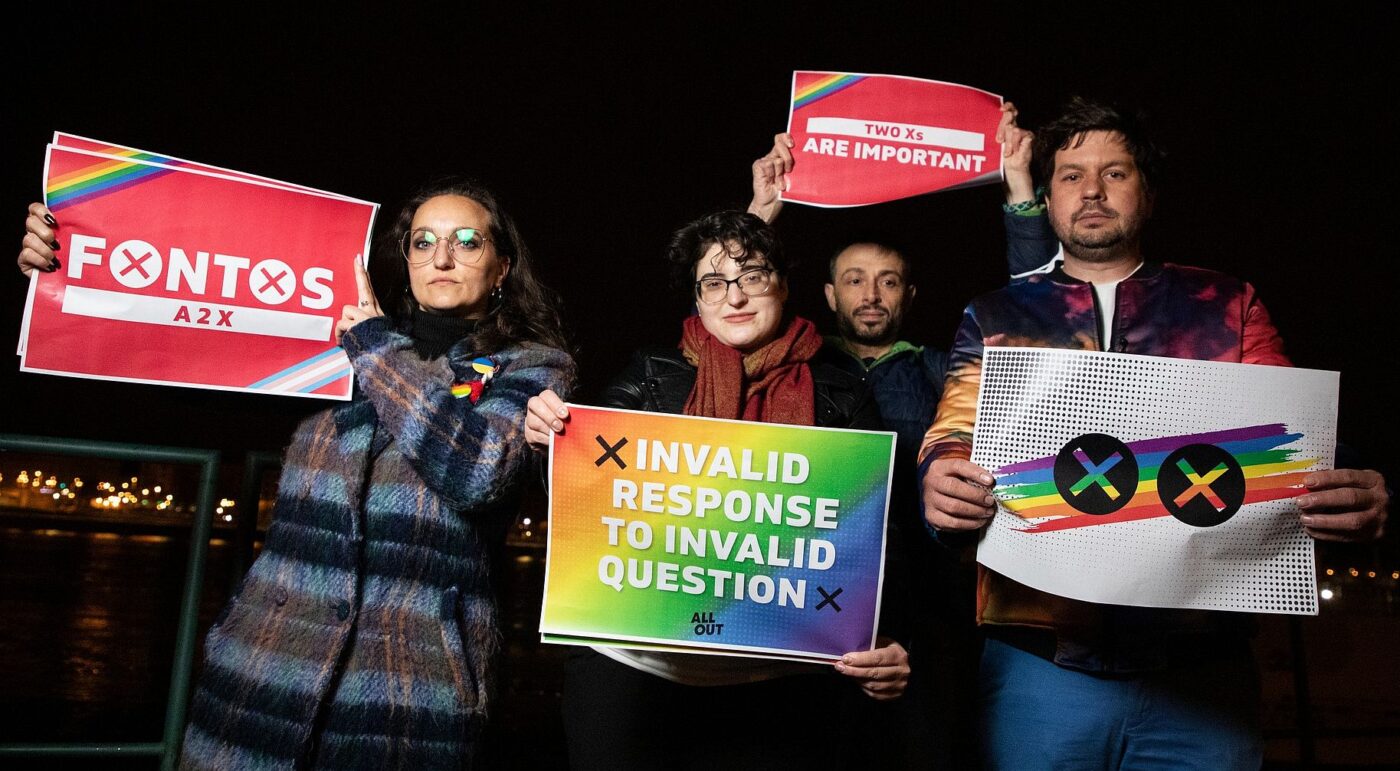
Dóra Oprics explores the 2X civil society campaign in Hungary in 2022, which resulted in 1.7 million Hungarians successfully invalidating an exclusionary child protection referendum. The outcome reveals insights into the mobilising powers of grassroots activism against attempts to demonise the LGBTQIA+ community Read more
Max Steuer
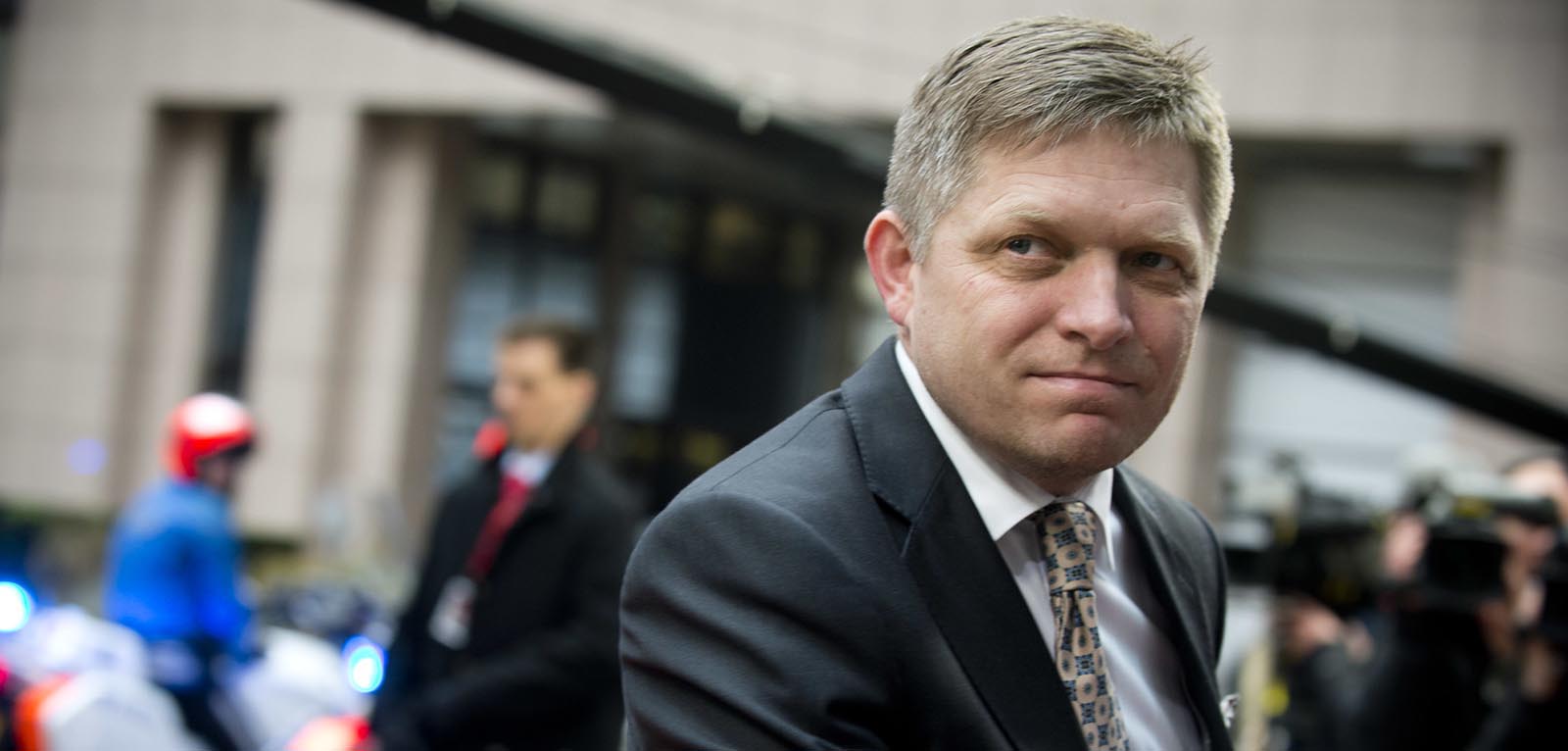
The Slovak Constitutional Court has – temporarily, at least – succeeded in halting policies driving the country towards illiberalism. Max Steuer argues that this decision, and its political context, resemble developments in late-1990s Slovakia. The Court showed resilience, but it might not suffice if Slovakia’s illiberals learn from the experience Read more
Mehmet Haşim Çevik
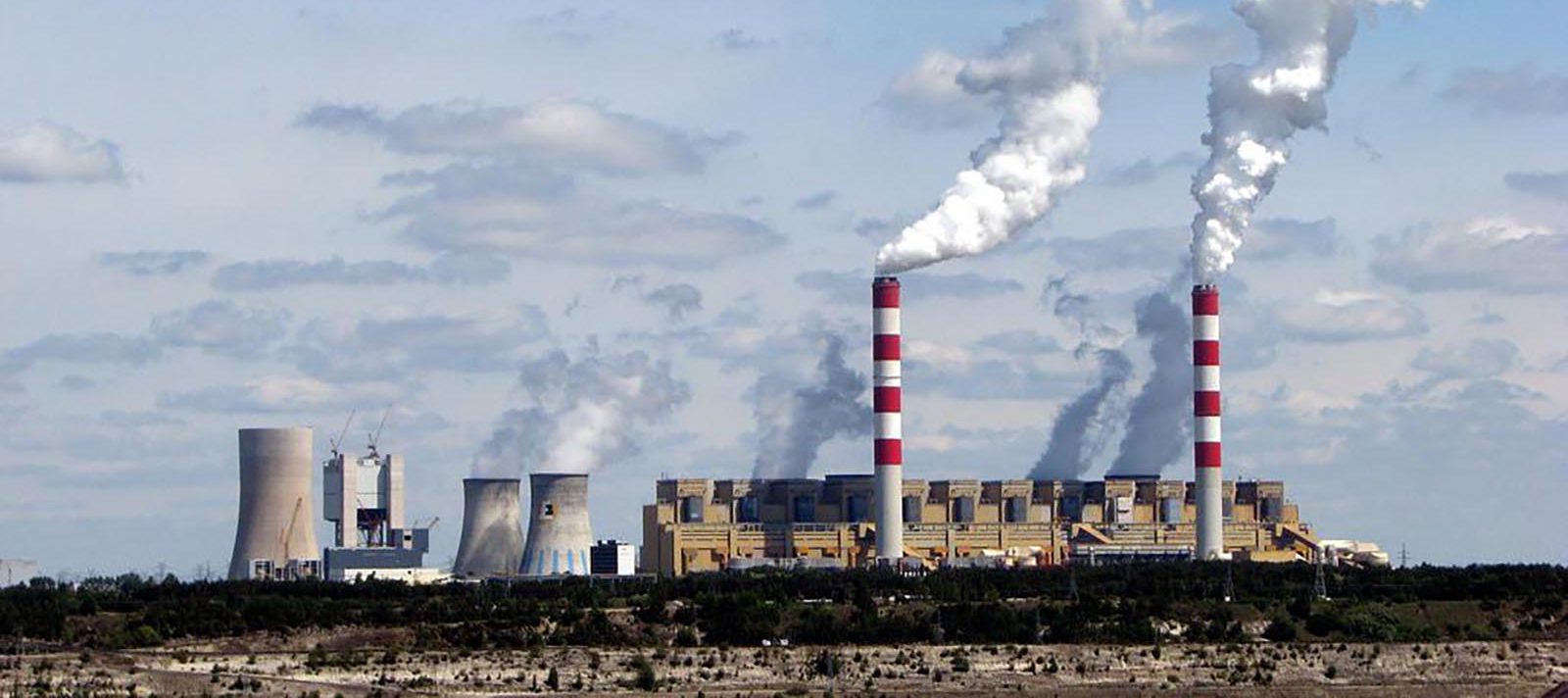
Right-wing populist parties have divergent positions on policies that seek to combat climate change. Key to understanding why, writes Mehmet Haşim Çevik, is whether the country relies on domestic fossil fuels Read more
Eva Fodor
Illiberal Hungary has become famous in recent years for paying families to have, or pledge to have, children. This, writes Eva Fodor, has transformed the criteria and practice for social citizenship and democratic participation Read more
Saskia Brechenmacher
Saskia Brechenmacher, Erin Jones, and Özge Zihnioğlu write that gender is critical to understanding popular resistance against democratic erosion and autocratic hardening around the world Read more
Francesco Foti
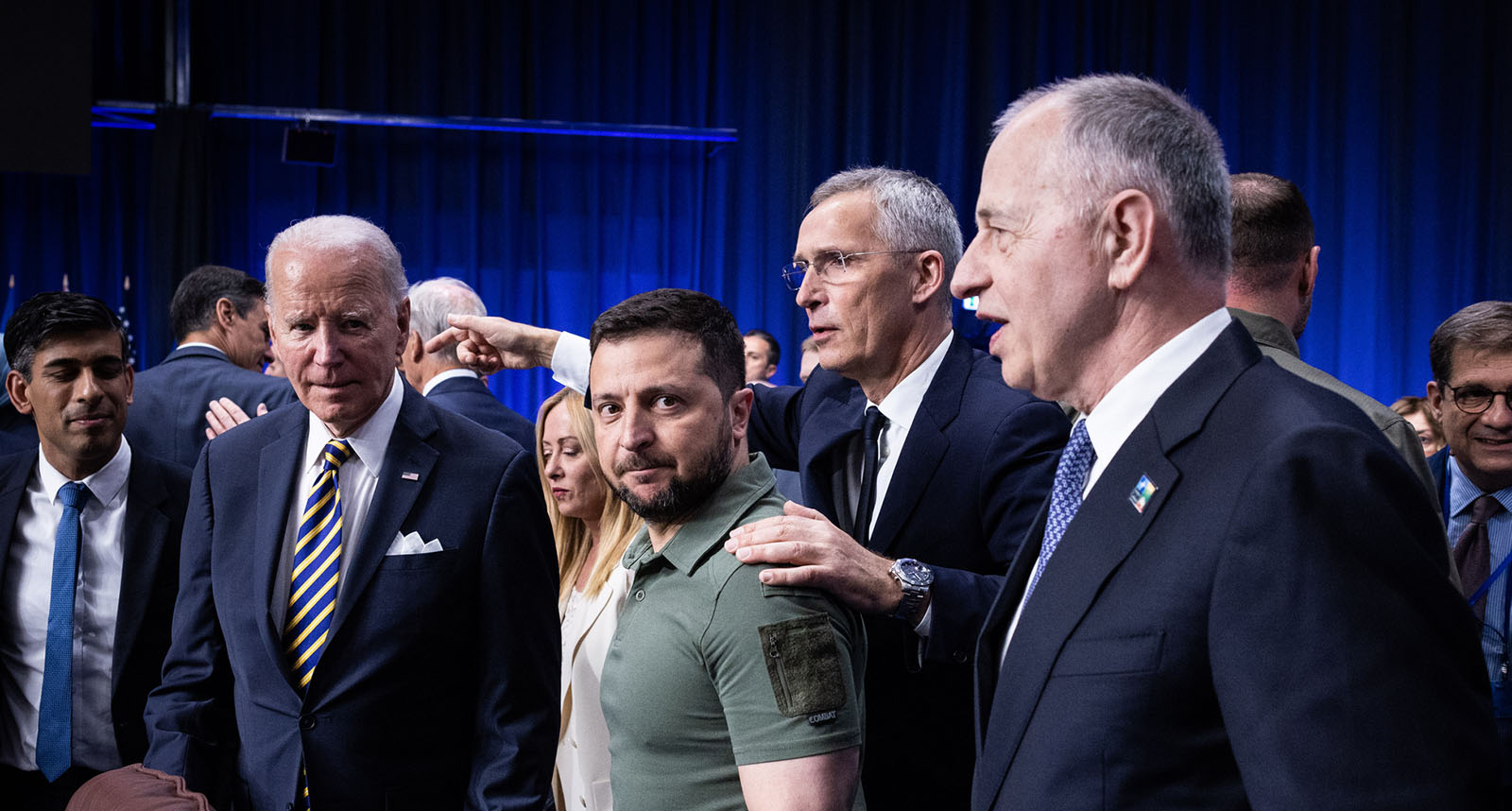
As the West tires of Russian hybrid warfare, Francesco Foti argues that NATO and the EU should learn from history. To avoid further damaging consequences, they must do all they can to maintain a forceful, non-compromising and united response Read more
We use necessary cookies to make our site work. We'd also like to set analytics cookies that help us make improvements by measuring how you use the site. These will be set only if you accept.
▼
Strictly Necessary Cookies
Necessary cookies enable core functionality such as security, network management, and accessibility. You may disable these by changing your browser settings, but this may affect how the website functions.
▼
Analytics Cookies
Google Analytics
We'd like to set Google Analytics cookies to help us improve our website by collecting and reporting information on how you use it. The cookies collect information in a way that does not directly identify anyone. For more information on how these cookies work please see our Privacy Notice.