Christel Koop
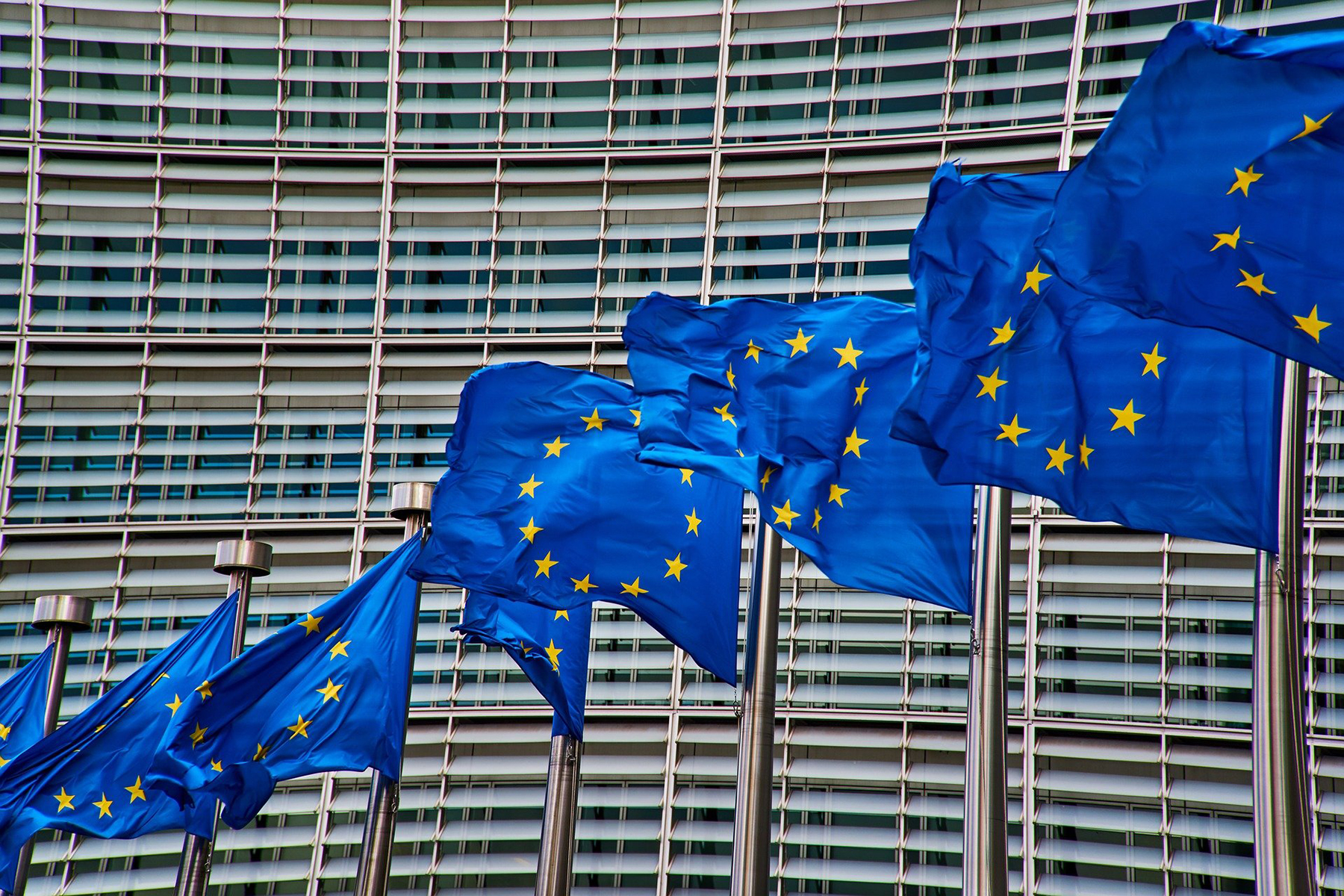
Often labelled technocratic and expertise-driven, the Commission’s ‘unelected bureaucrats’ in fact take public opinion seriously. When facing crises, the Commission uses agenda-priorities to respond to citizens’ cues, write Christel Koop, Christine Reh and Edoardo Bressanelli Read more
Lucas Schramm
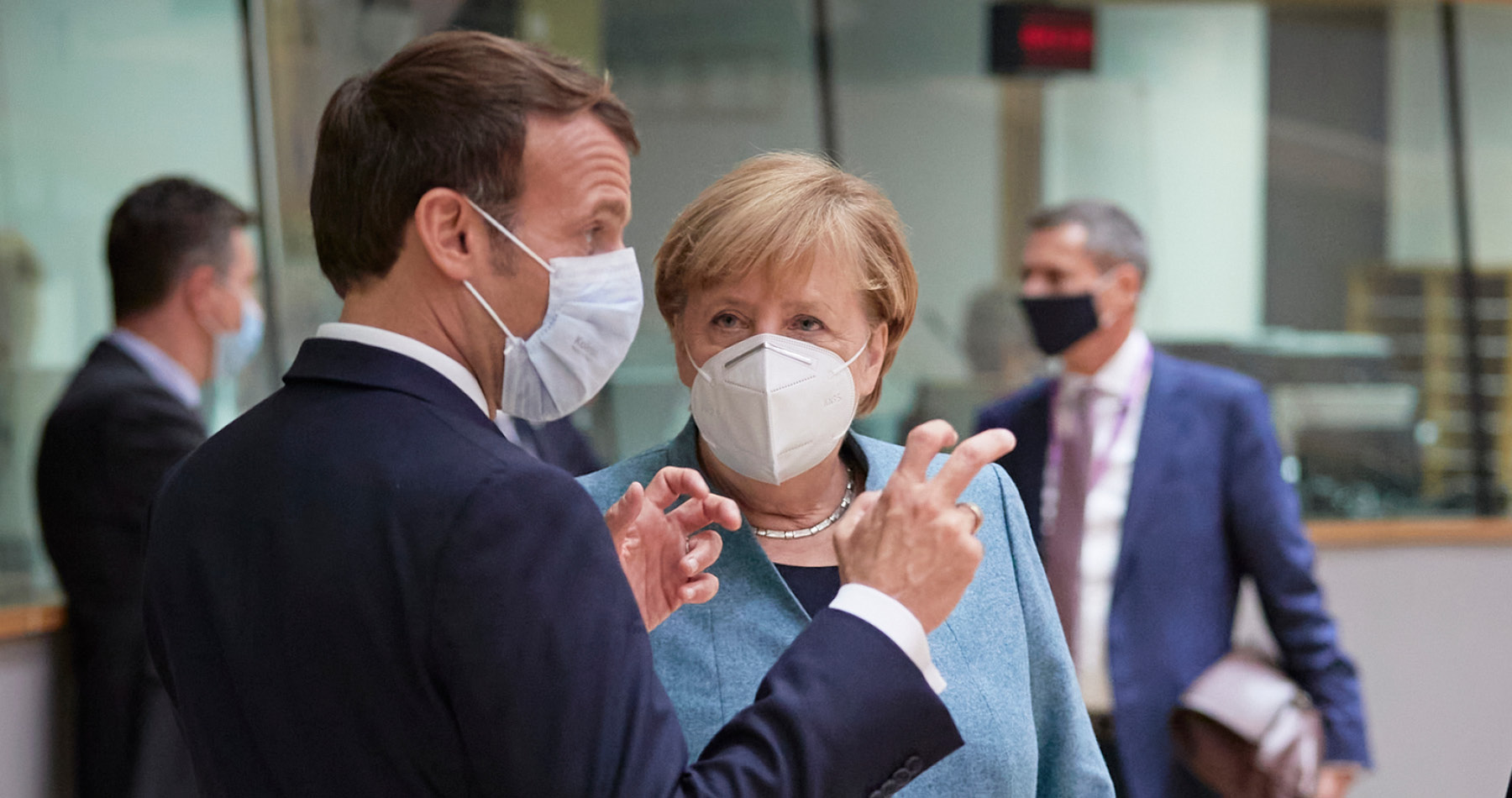
In 2020 Germany promoted a bold European response to the corona crisis, involving common EU debt. This contrasts starkly with its position a decade before, when it favoured austerity over fiscal stimulus and debt pooling. Lucas Schramm and Amandine Crespy argue that the specific nature of the corona crisis reconfigured Germany’s national interests in Europe Read more
Luca Doll
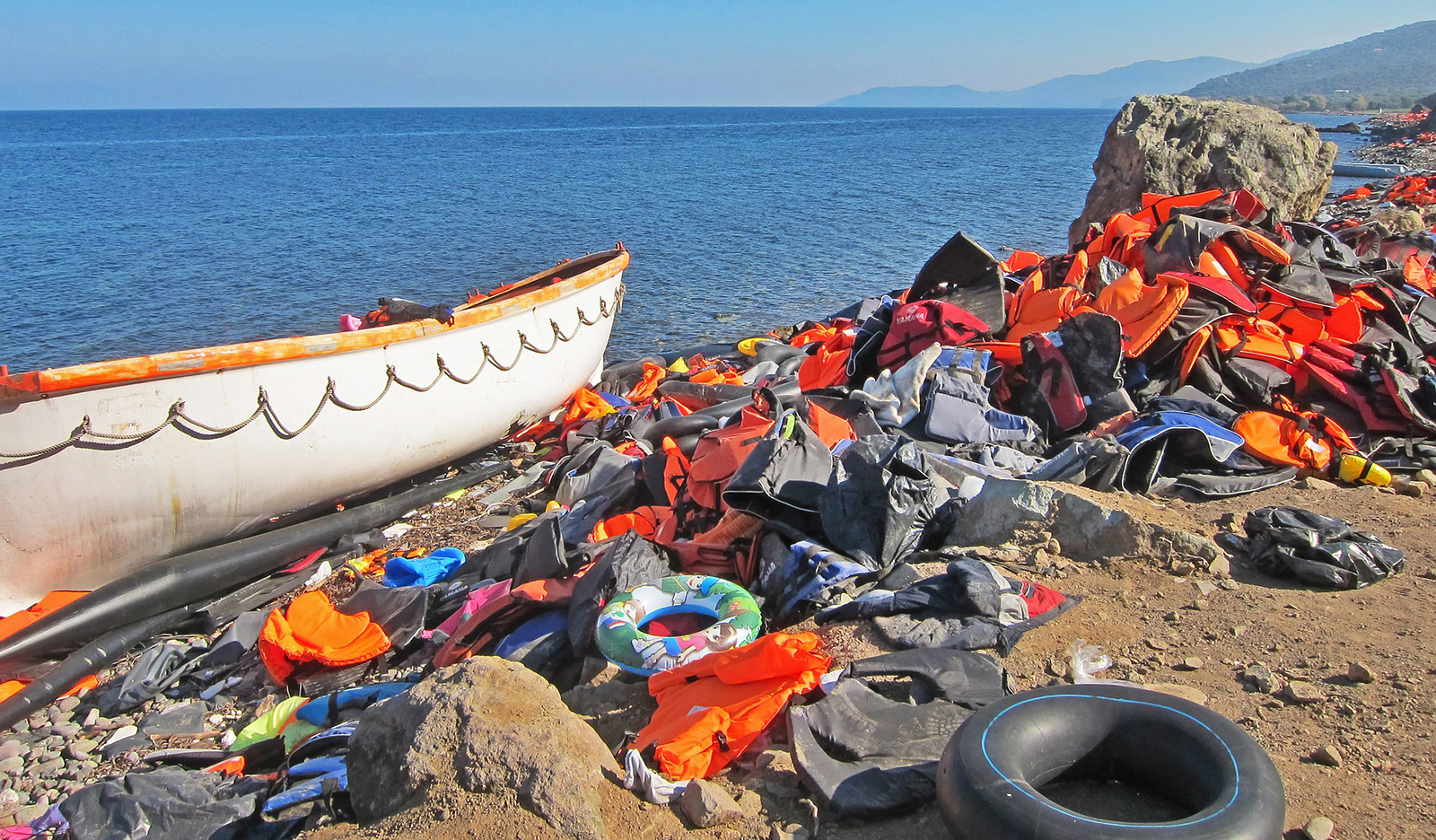
The European Union has disengaged from search and rescue in the Mediterranean, outsourcing its border management to a third state and effectively criminalising NGOs that step into the gap. This, writes Luca Doll, is a policy that needs urgent review Read more
Angie Gago
From 2014, ECJ decisions on welfare access have departed significantly from previous case law. Angie Gago and Francesco Maiani analyse two Court dialogues, one with the EU legislator, the other with national authorities Read more
Anna Elomäki
While EU crisis responses are often gender blind, European Parliament gender equality actors have managed to develop gendered EU Covid recovery policies. Still, argue Anna Elomäki and Johanna Kantola, equality is only welcome when it does not challenge dominant economic priorities Read more
Sergio Fabbrini
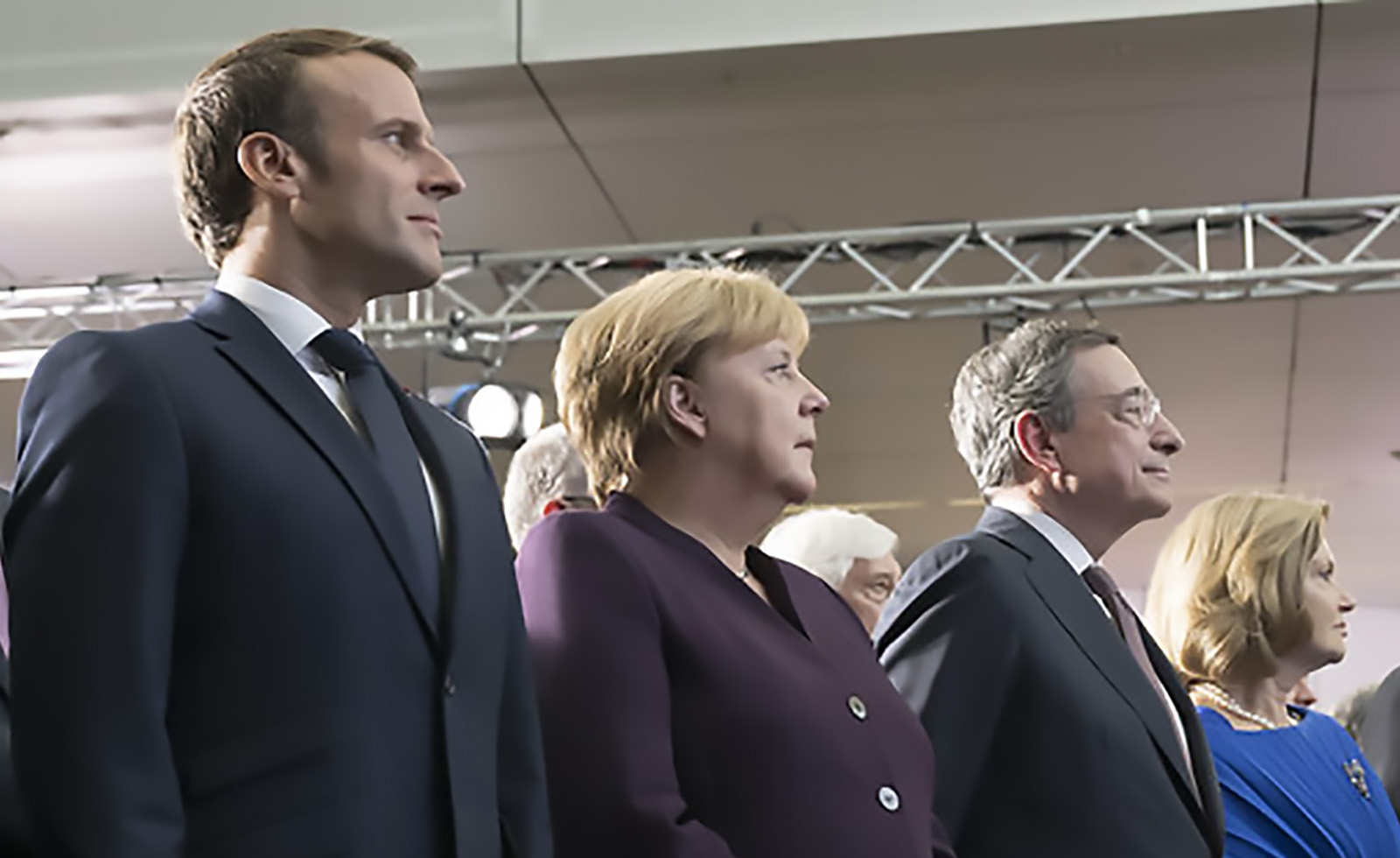
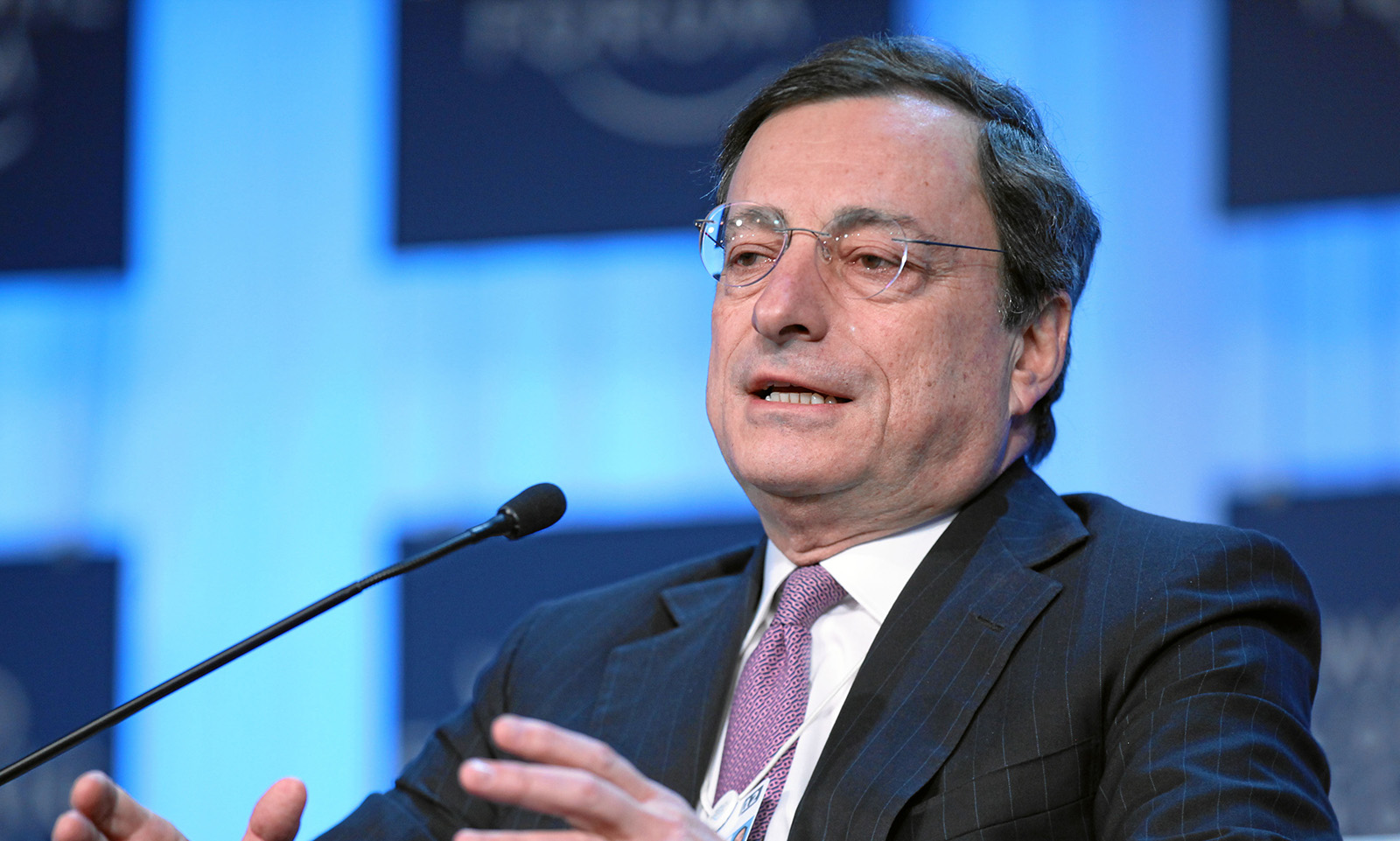
Although appointed unexpectedly, Mario Draghi is much more than just a stop-gap, technocratic Prime Minister. Sergio Fabbrini argues that Draghi's vision for Europe could make Italy one of the key voices in the European debate Read more
Martin Bull
The Italian President’s invitation to Mario Draghi to form the next government is the fourth time since 1994 that the country has resorted to a technician to get itself out of a hole dug by the parties’ failure to agree on a political government, writes Martin Bull. This has connotations that go beyond the current crisis, representing a damning indictment of Italy’s model of party government Read more
Lucy Kinski
National politicians in Europe represent their own citizens, but they also consider the concerns of fellow European citizens when making decisions on EU politics, writes Lucy Kinski. Many do not believe that a national focus will solve our common problems, and neither should we Read more
We use necessary cookies to make our site work. We'd also like to set analytics cookies that help us make improvements by measuring how you use the site. These will be set only if you accept.
▼
Strictly Necessary Cookies
Necessary cookies enable core functionality such as security, network management, and accessibility. You may disable these by changing your browser settings, but this may affect how the website functions.
▼
Analytics Cookies
Google Analytics
We'd like to set Google Analytics cookies to help us improve our website by collecting and reporting information on how you use it. The cookies collect information in a way that does not directly identify anyone. For more information on how these cookies work please see our Privacy Notice.