Gala Naseva
A lack of state initiatives to curb unemployment among young people in the Western Balkans has resulted in the highest emigration rate in Europe, writes Gala Naseva — and the pandemic is making matters worse for this vulnerable group Read more
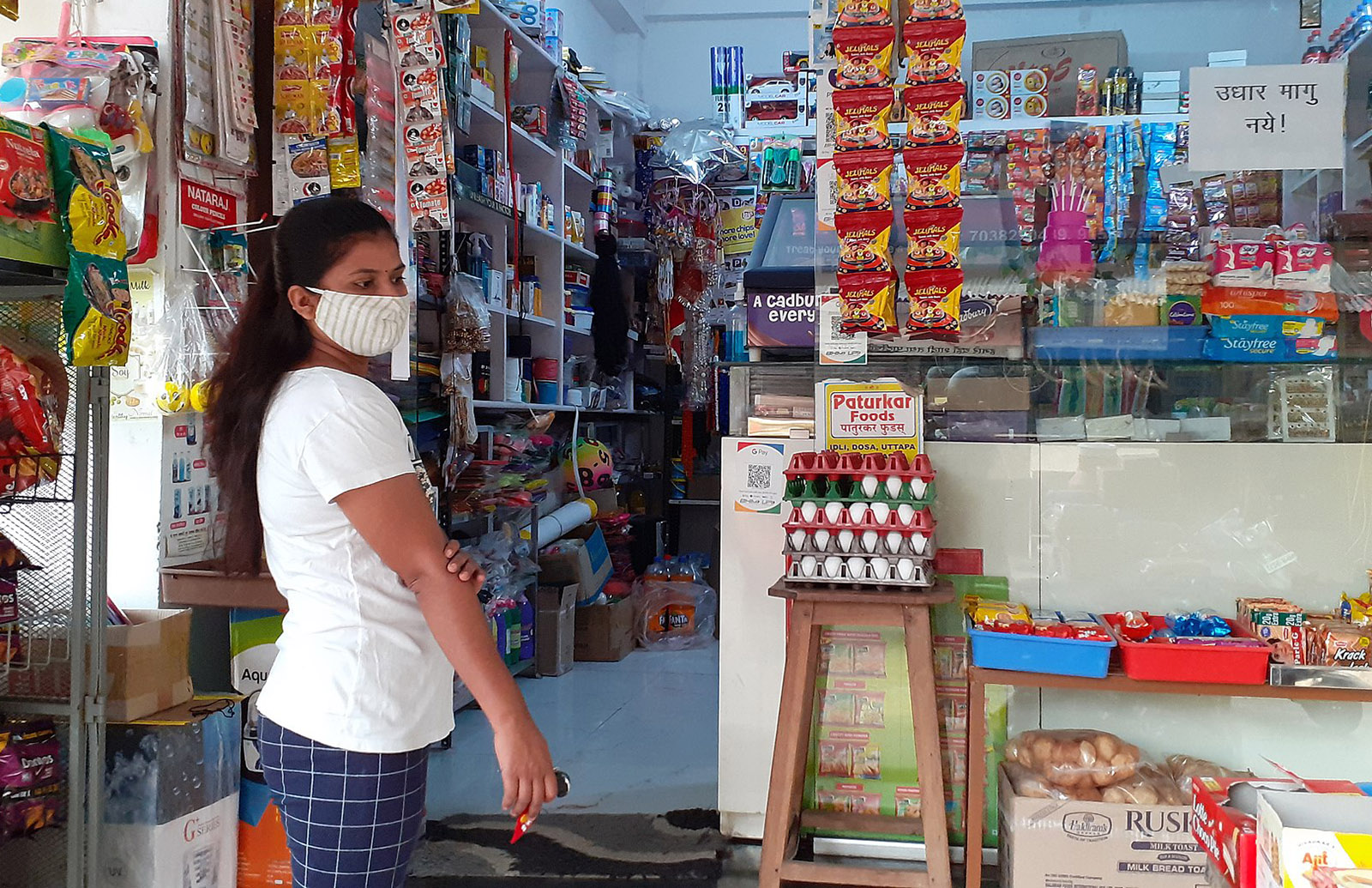
Gerelyn Terzo
The Covid vaccine debate is rapidly changing, from whether we will get a vaccine to when, where and how it will be rolled out. But, writes Gerelyn Terzo, this immediately raises questions about whether socio-economic development will determine who gets it first Read more
Francesco Saverio Montesano
An increasing number of scholars want to campaign for positive change outside the academic echo chamber, but overlook their own evidence when they refuse to engage with any view not exclusively based on science. Francesco S. Montesano argues that this will only deepen the gap between ‘experts’ and the rest of society Read more
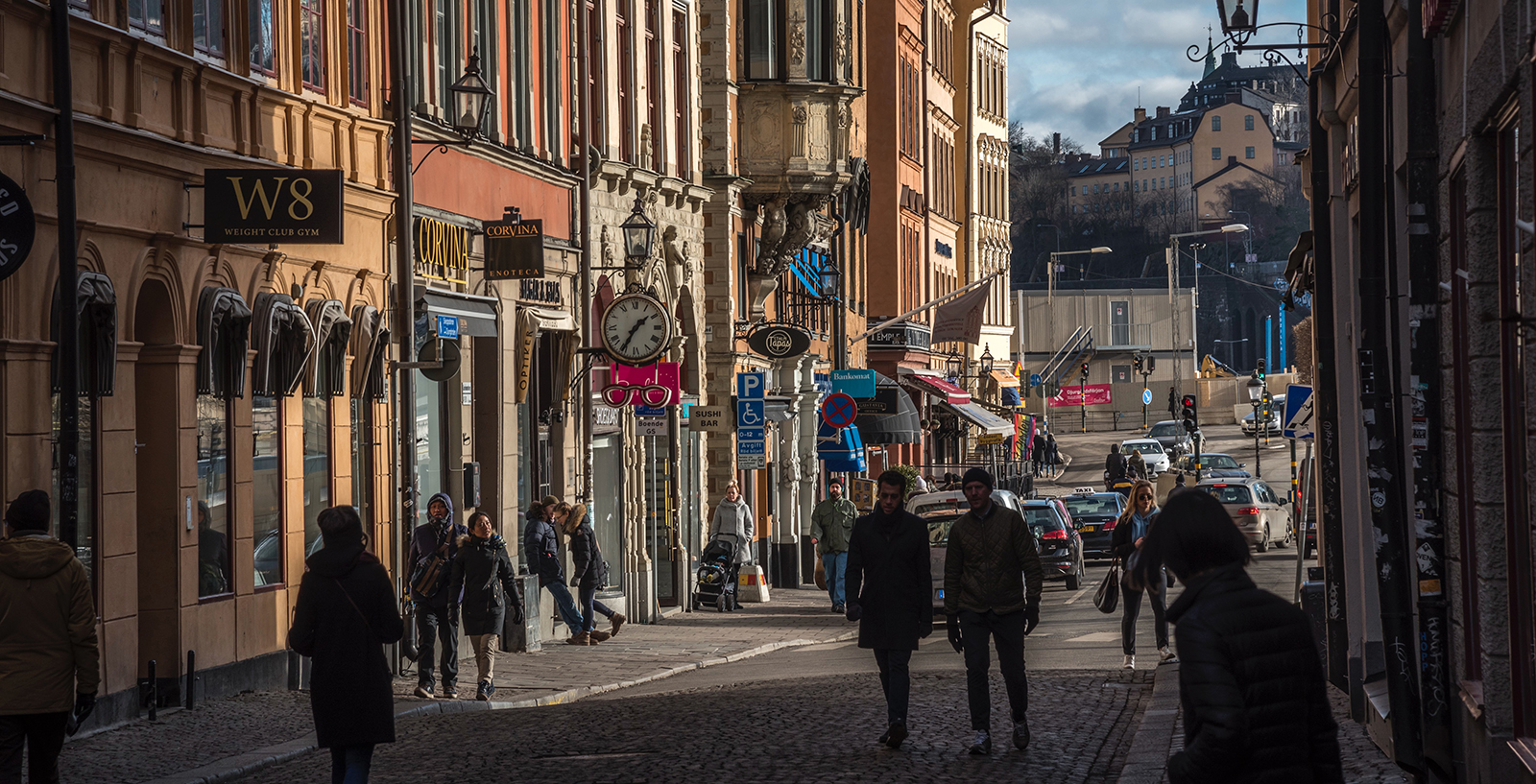
Oscar Larsson
Unlike most other countries, Sweden adopted a ‘soft’ approach to managing the Coronavirus pandemic, flying in the face of ‘securitisation theory’. Oscar Larsson considers whether its approach will succeed Read more
Domenico Valenza
The scientific credibility of Russia’s Sputnik-V vaccine has been seriously challenged. So why is Russia risking mass vaccination? Domenico Valenza argues that an international, biopolitical power-play presents Russia as the actor that can bring order to a disordered world Read more
Ruairidh Brown
The pandemic has revealed the importance of civic solidarity and public trust, writes Ruairidh Brown. But they function best in a context of ‘friendship', a concept which needs to be recognised as central to political thinking in a post-Covid world Read more
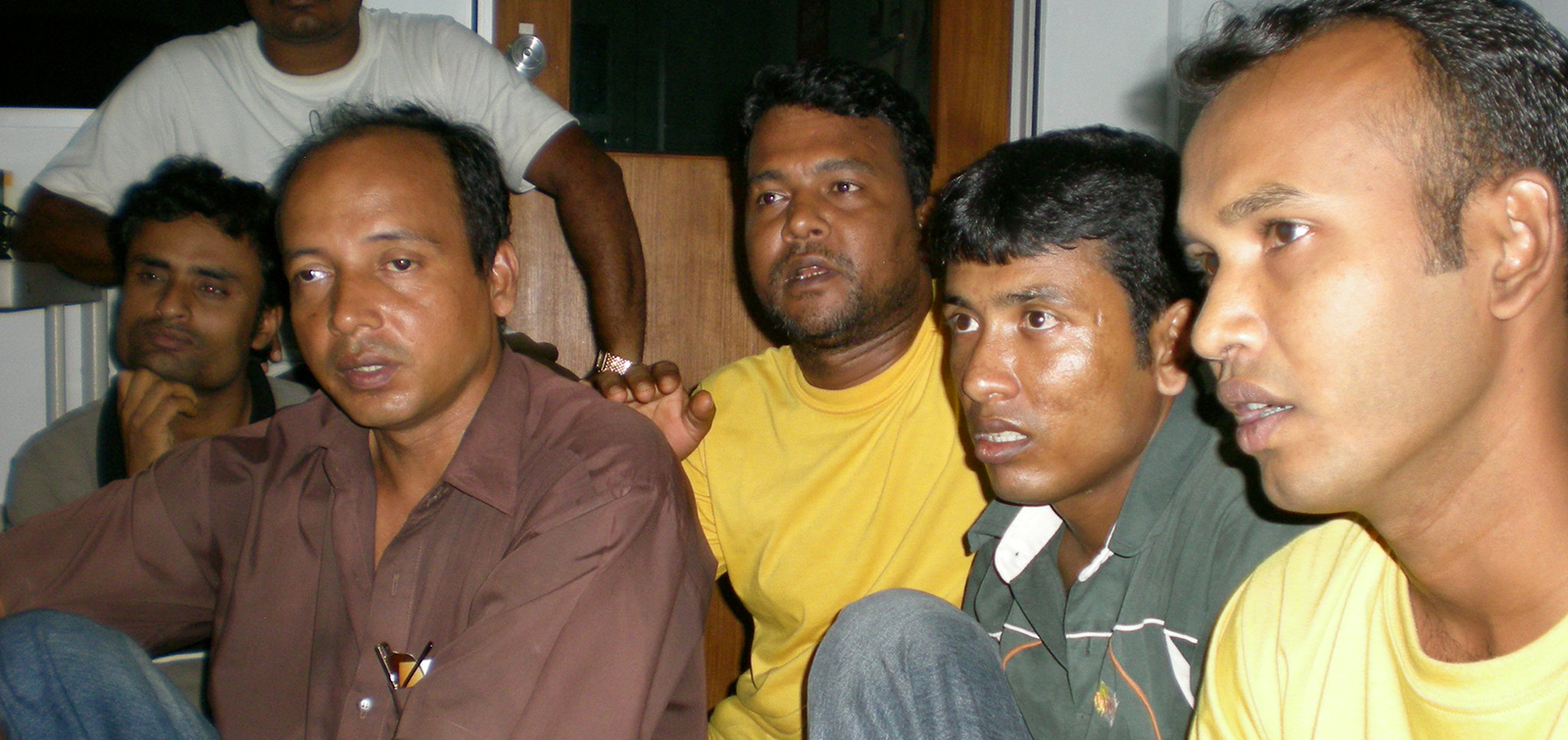
Ranjan Saha Partha
In Bangladesh, attitudes towards overseas migration have changed from ‘hero to zero’ during the spread of Covid-19. Ranjan Saha Partha and Nurul Huda Sakib explain why Read more
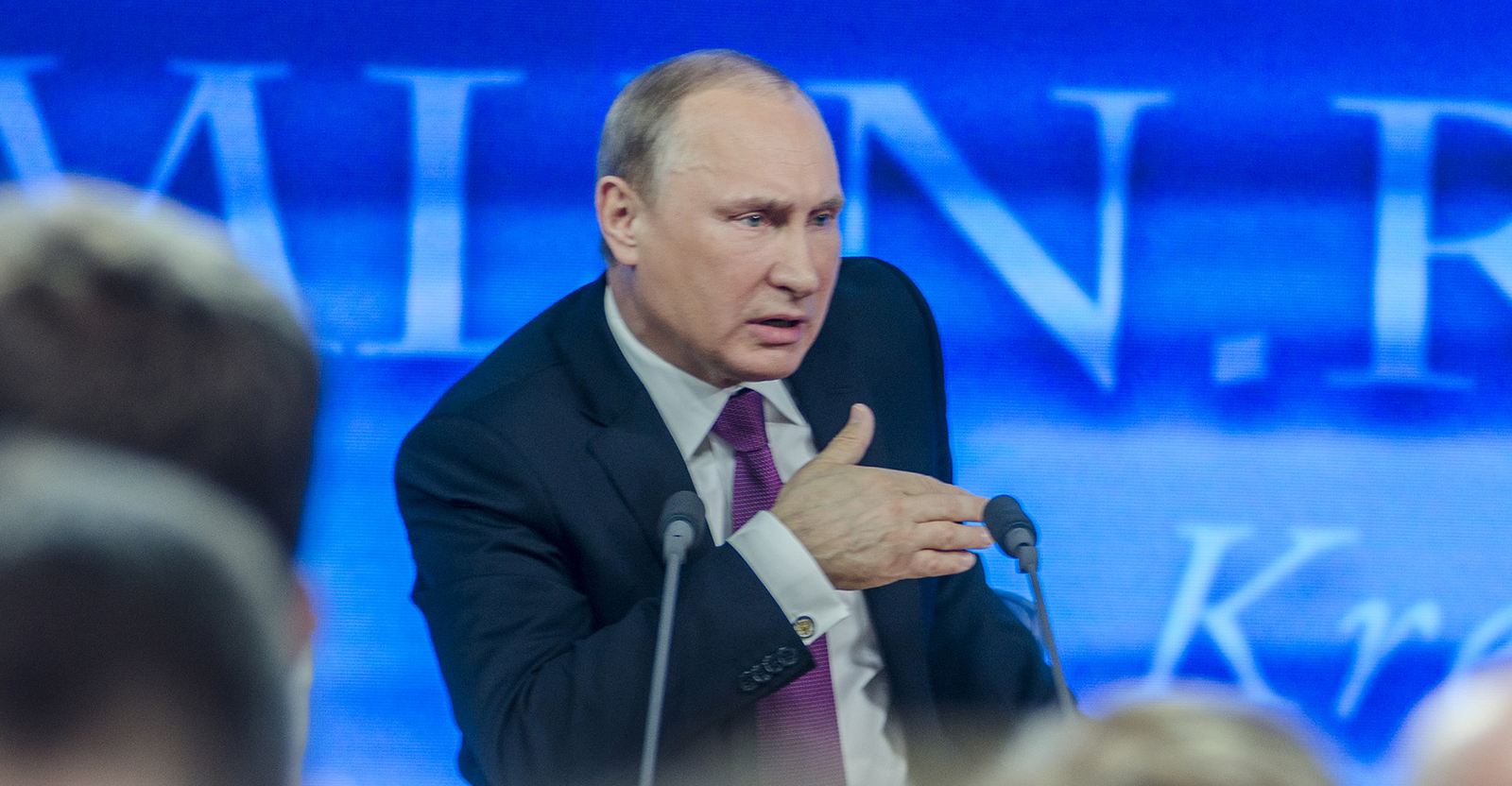
Albrecht Rothacher
The impact of Covid-19 has laid bare the structural weaknesses of the Russian economy, dependent as it is upon nefarious practices and long-term assumptions about perennial growth in the world market for oil and gas, writes Albrecht Rothacher. And in the face of rising Chinese competition, future prospects are bleak Read more
We use necessary cookies to make our site work. We'd also like to set analytics cookies that help us make improvements by measuring how you use the site. These will be set only if you accept.
▼
Strictly Necessary Cookies
Necessary cookies enable core functionality such as security, network management, and accessibility. You may disable these by changing your browser settings, but this may affect how the website functions.
▼
Analytics Cookies
Google Analytics
We'd like to set Google Analytics cookies to help us improve our website by collecting and reporting information on how you use it. The cookies collect information in a way that does not directly identify anyone. For more information on how these cookies work please see our Privacy Notice.