Maria Gloria Polimeno
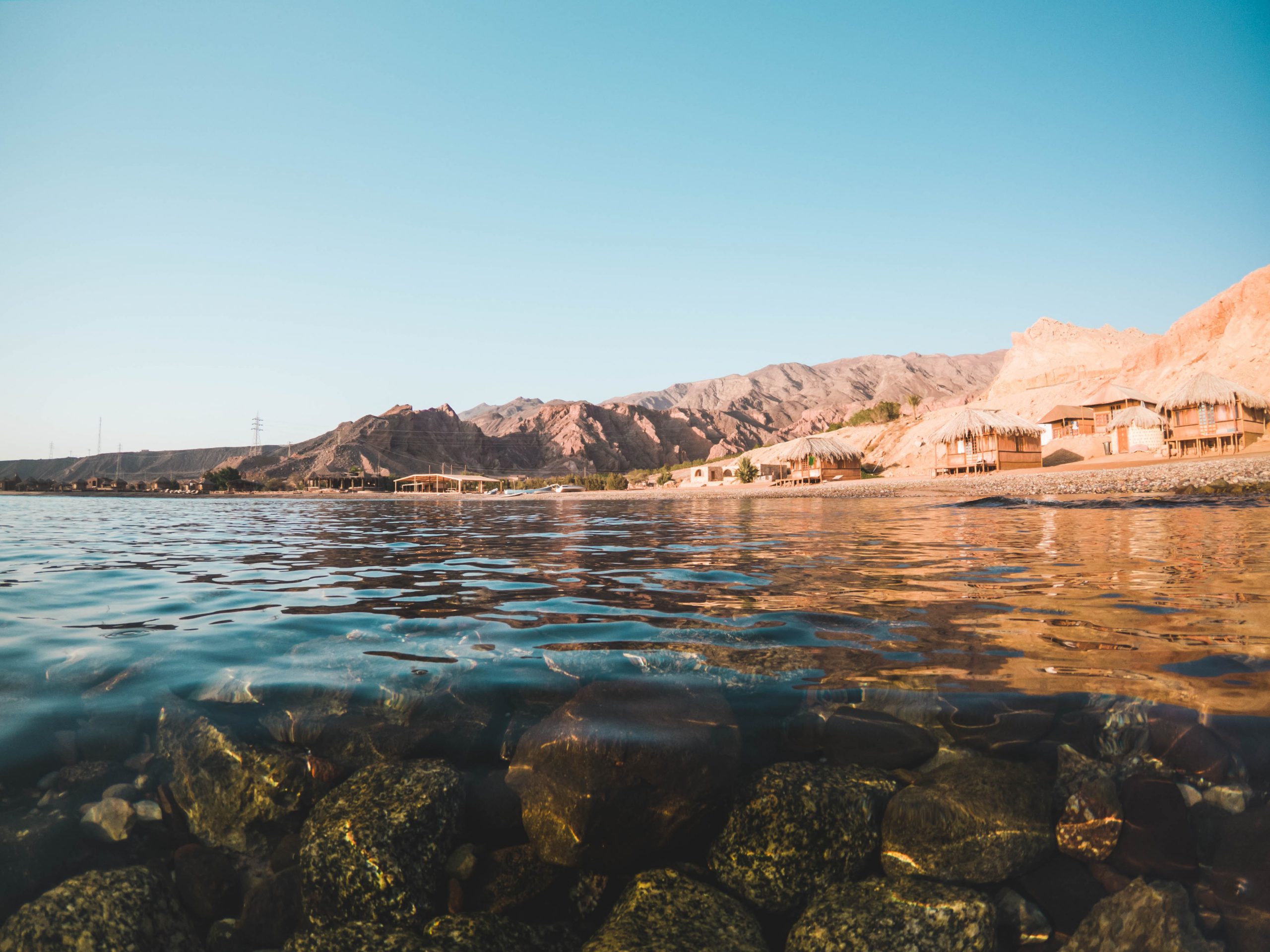
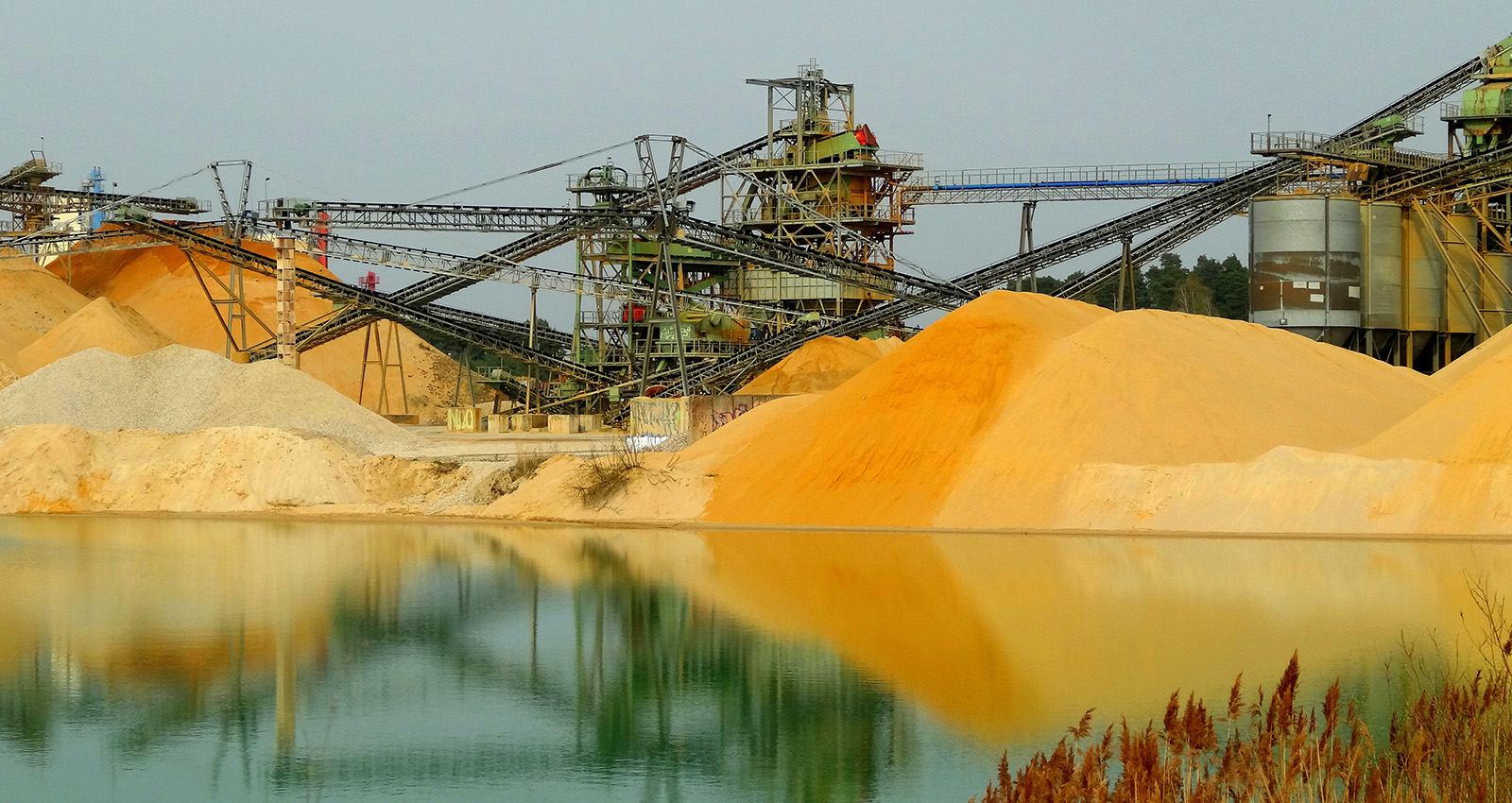
COP27 will be held in Egypt, where environmentalism is being turned into new ways to control nature and citizens' lives under al-Sisi. This risks legitimating bio-autocracies, and it exposes the cowardice of green capitalism and sustainable neoliberalism, writes Maria Gloria Polimeno Read more
Peter Gardner
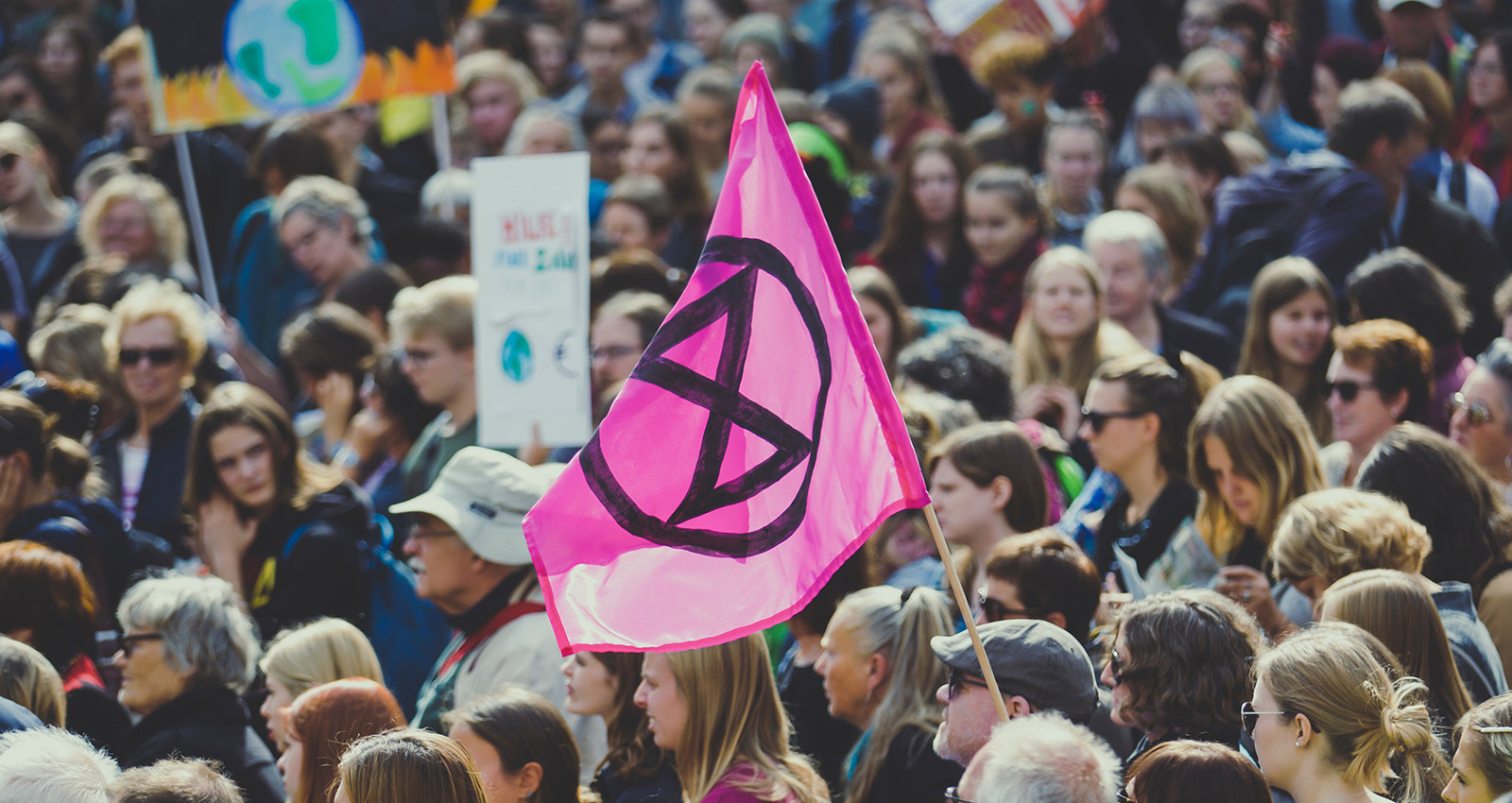
Extinction Rebellion was created in 2018 by a small band of activists in Bristol, UK. By summer 2021, it was active in 79 countries across all continents bar Antarctica. Pete Gardner, Tiago Carvalho and Maria Valenstain argue that mass protest was key to the movement’s spread around the globe Read more
Simon Schunz
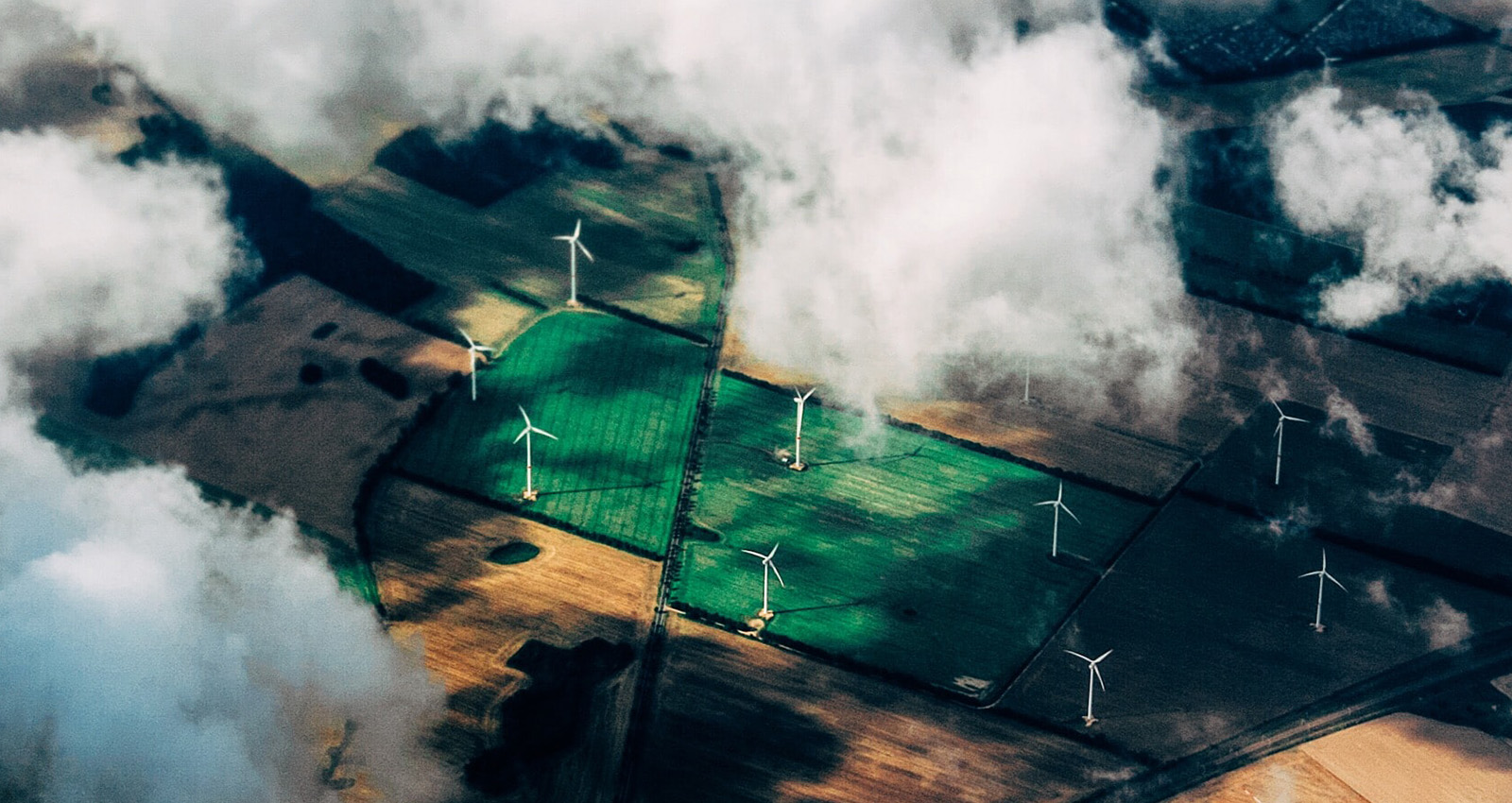
Russia’s invasion of Ukraine challenges the EU’s flagship ‘Green Deal’ project. Current measures to cope with rising energy prices and the risk of power cuts run counter to the Deal’s transformational logic. Simon Schunz argues that an alternative solution lies in understanding this crisis as a catalyst for Europe’s socio-ecological transition Read more
Claire Godet
Can climate economic and financial policies truly foster decarbonisation? Claire Godet argues this is possible only if policy-makers regulate markets to take into account all aspects of sustainability. Without appropriate regulation, ‘sustainable markets’ merely create the same inequalities as any other market Read more
Ian Budge
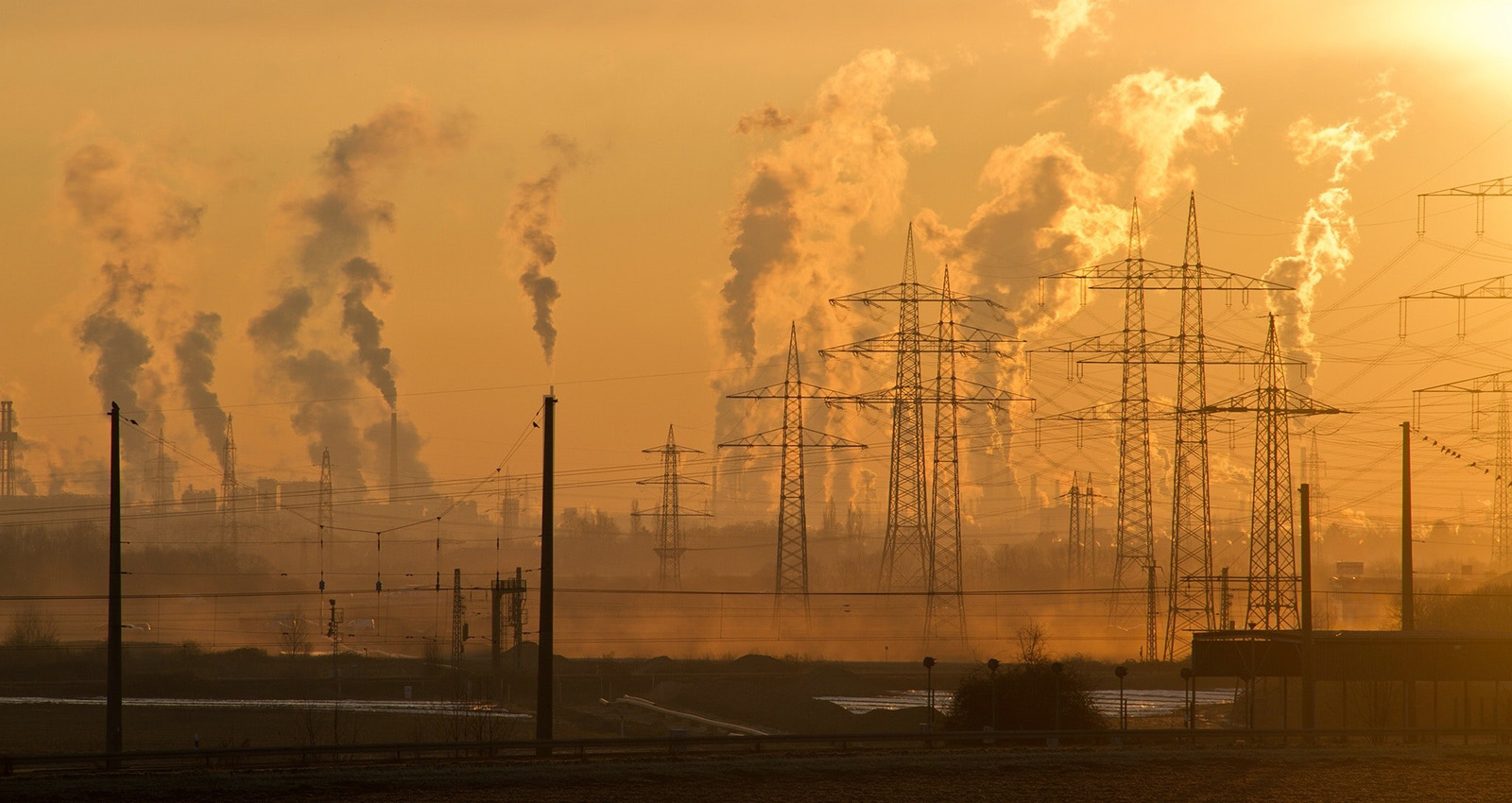
The Russian invasion of Ukraine has reduced media coverage of the political violence and turmoil elsewhere in the world caused by climate change, as well as causing a retreat on climate change policy targets by richer democracies. Ian Budge highlights what needs to be done and how Read more
Ruairidh Brown
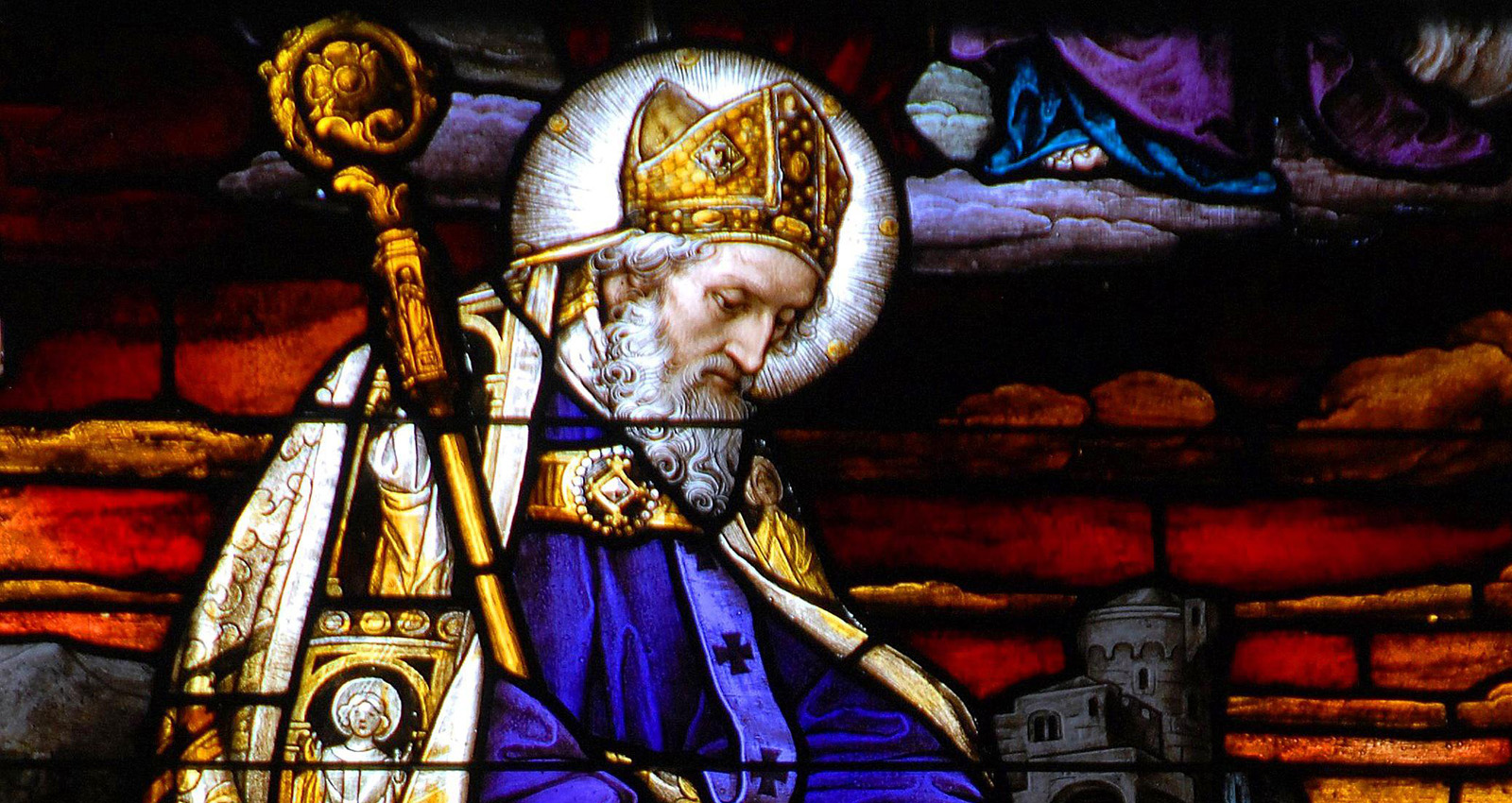
In our contemporary world, dangers frequently come not from external enemies but from our own behaviour. To provide moral guidance on these dangers and help overcome the externalisation of threat, Ruairidh Brown looks back through time to St Augustine Read more
Sandrine Maljean-Dubois
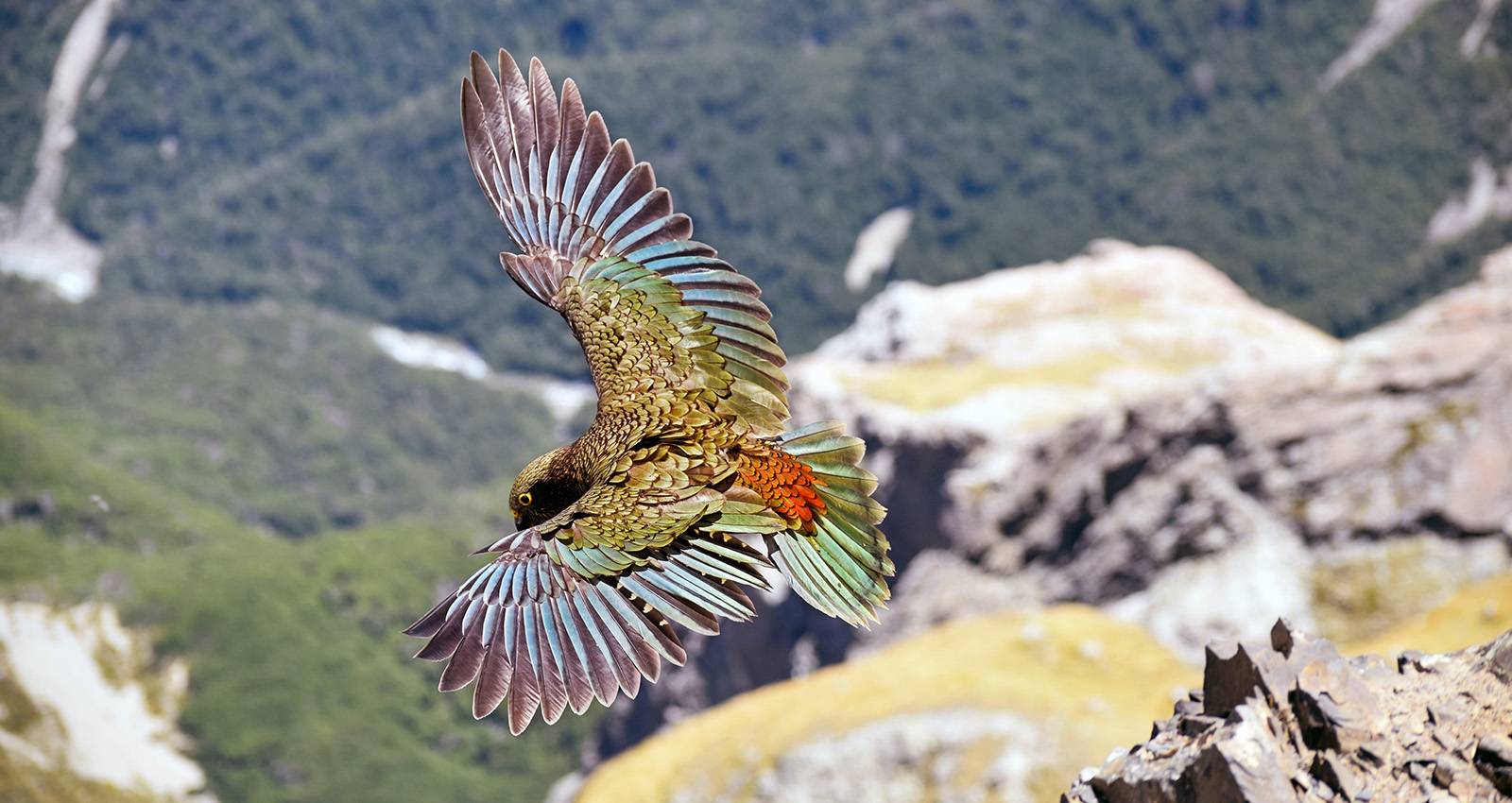
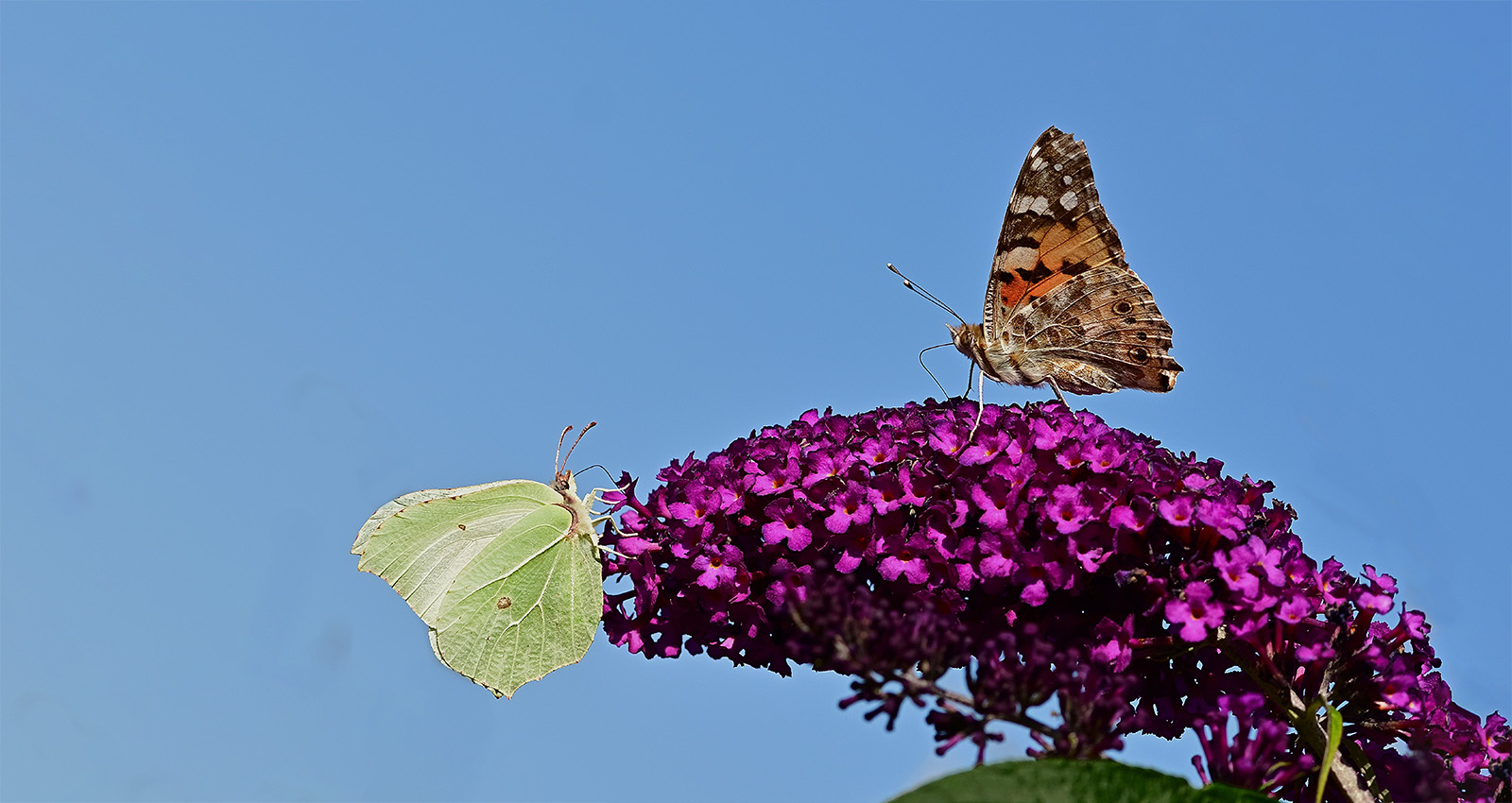
Biodiversity receives less attention than climate when it comes to the challenges and accomplishments of international cooperation. Sandrine Maljean-Dubois observes that preparations for the forthcoming COP15 on biodiversity have gone largely unnoticed. And yet, the ongoing collapse of the planet's biomass is as worrying as climate change Read more
Pablo Ouziel
Today, democratic imaginaries are diluted while parochial understandings of democracy are presented as universal. Such a state of affairs, argues Pablo Ouziel, calls for a deeply diverse speaking-with multilogue amongst democratic traditions Read more
We use necessary cookies to make our site work. We'd also like to set analytics cookies that help us make improvements by measuring how you use the site. These will be set only if you accept.
▼
Strictly Necessary Cookies
Necessary cookies enable core functionality such as security, network management, and accessibility. You may disable these by changing your browser settings, but this may affect how the website functions.
▼
Analytics Cookies
Google Analytics
We'd like to set Google Analytics cookies to help us improve our website by collecting and reporting information on how you use it. The cookies collect information in a way that does not directly identify anyone. For more information on how these cookies work please see our Privacy Notice.