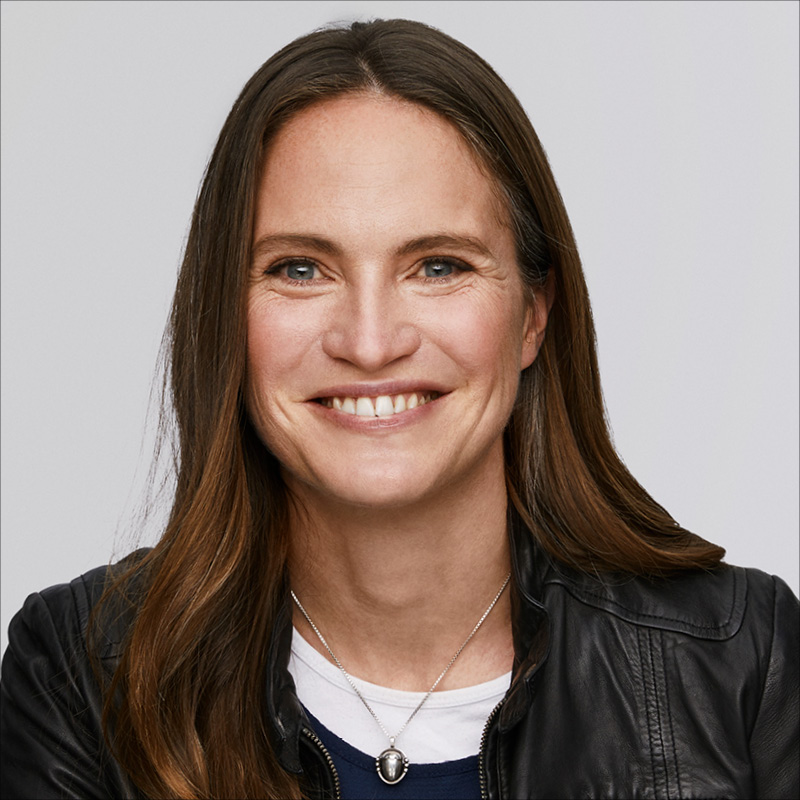
Activists like Greta Thunberg and Patrisse Cullors can make citizens feel politically represented. Among marginalised groups in particular, this boosts democratic satisfaction. Pieter de Wilde, Andrea Vik, Lene Aarøe and Oliver Treib explain activists' influence
In 2019, Greta Thunberg’s school strike for climate action sparked a global movement. In the US, Patrisse Cullors, co-founder of Black Lives Matter, became a household name as protests against police violence surged. Neither holds elected office, yet both have shaped political agendas, and mobilised millions. They are 'unelected representatives' – activists who come to represent the interests of large constituencies, especially those often overlooked by traditional politics.
But how do these figures fit into our understanding of democracy? And what does their rise mean for political systems? Our recent research, based on cross-national surveys of 8,000+ citizens, offers fresh insights. By applying the 'constructivist turn' in political representation theory, we show how these unelected activists are powerful forces shaping how citizens experience and evaluate democracy.
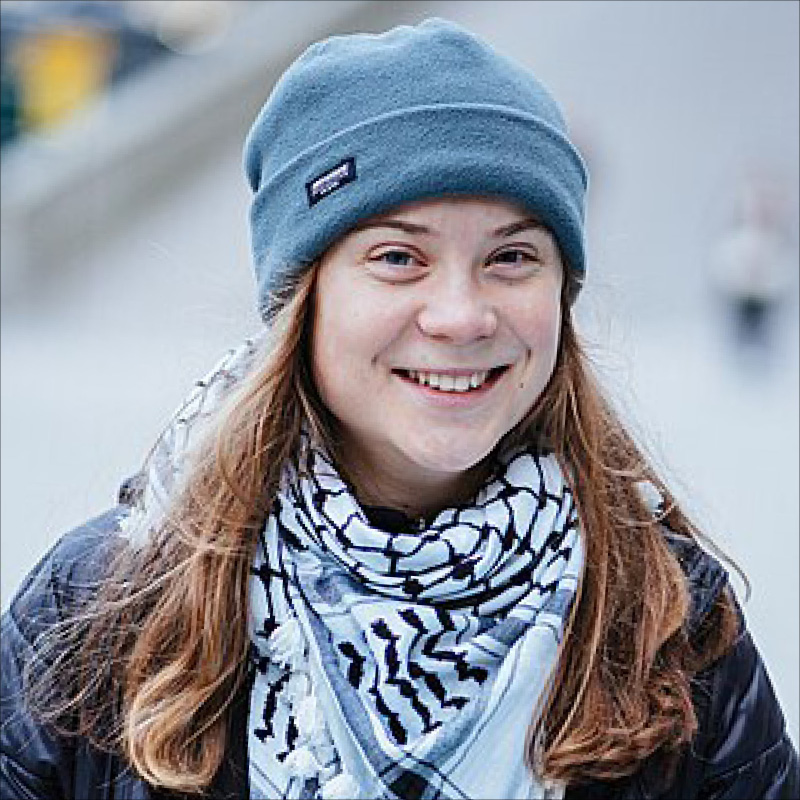
Through her climate strikes, Greta Thunberg became a global symbol of youth activism, mobilising millions and pushing climate policy onto international agendas.
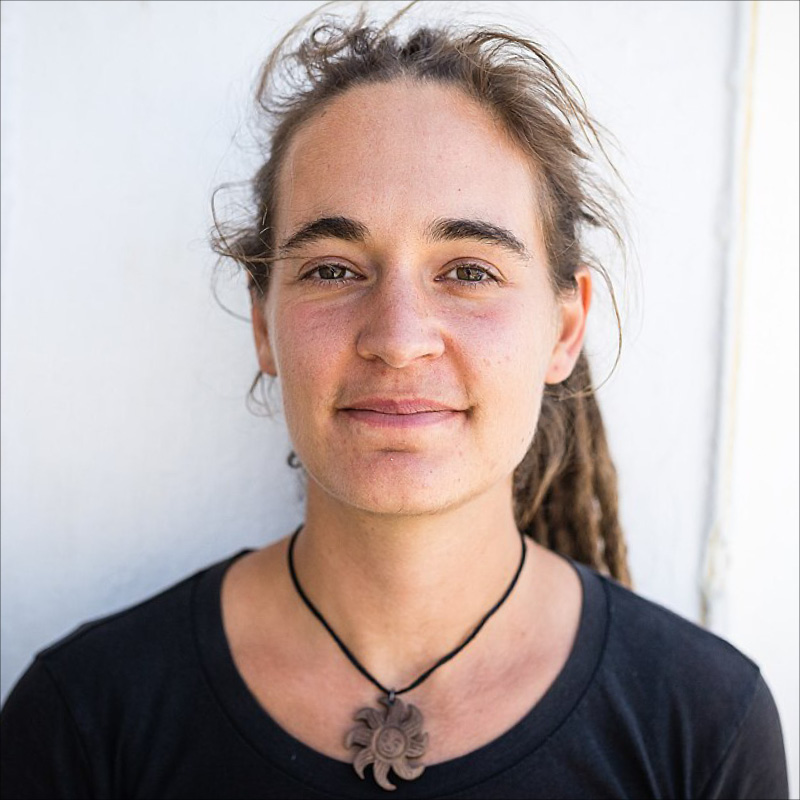
A sea captain and activist, known for rescuing migrants in the Mediterranean, Carola Rackete became a polarising figure in European migration debates. Rackete has challenged state policies and reshaped public discourse.
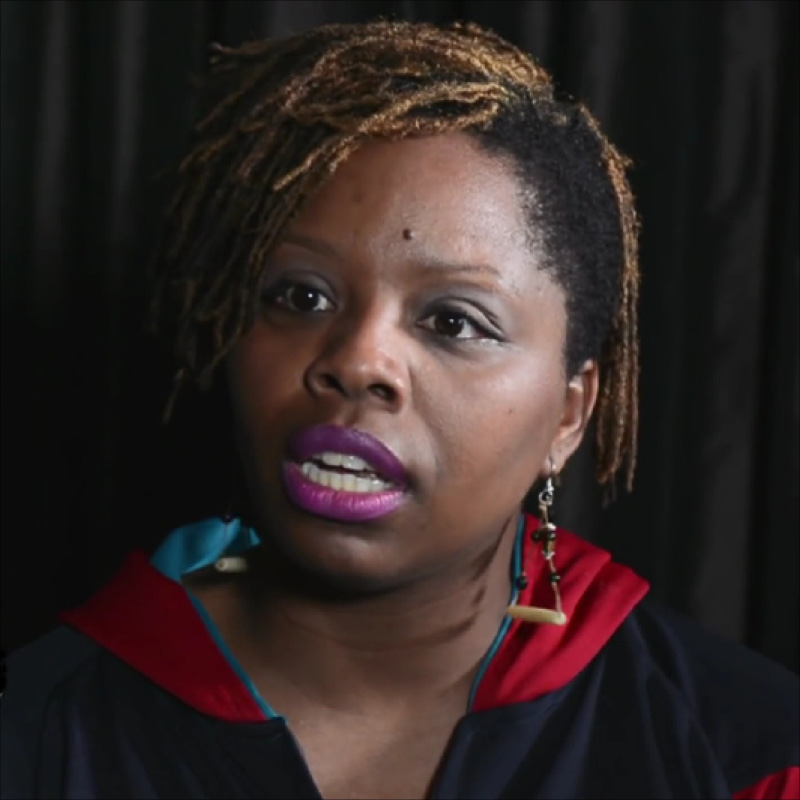
Co-founder of Black Lives Matter Patrisse Cullors turned a hashtag into a movement, influencing policing reforms and racial justice debates worldwide. Her work shows how activists can amplify marginalised voices and force institutional responses.
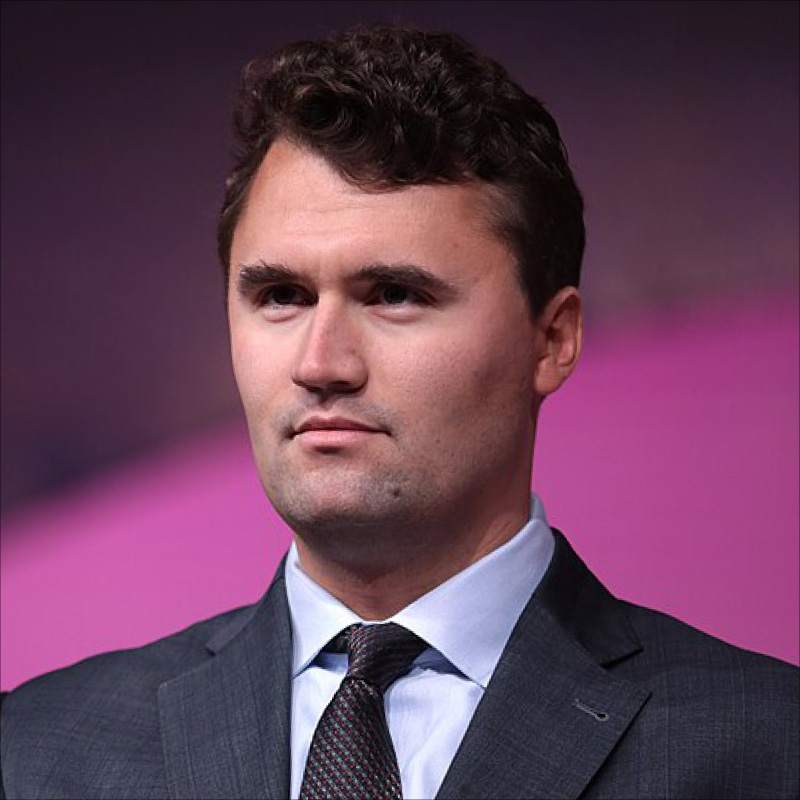
The recently murdered founder of Turning Point USA, Charlie Kirk built a following among young conservatives in the US and abroad, advocating for limited government, free markets, and traditional values. Kirk's organisation continues to influence conservative activism globally.

Leader of Austria's Identitarian Movement Martin Sellner has become a key figure in the European far right, advocating for the preservation of European identity and opposing immigration. His ideas have resonated with similar movements in the US and other European countries.

A Dutch lawyer and commentator, Eva Vlaardingerbroek has gained international attention for her critiques of progressive policies, gender ideology and EU bureaucracy. She has become a prominent voice in conservative circles across Europe and North America.
Traditionally, political science has understood representation through elections. Citizens vote, representatives act on their behalf, this ensures accountability through the ballot box. But this is a narrow view. The constructivist turn in representation theory, championed by Michael Saward, Lisa Disch and Dario Castiglione in this series, argues that representation is not merely a formal process but a dynamic, ongoing relationship between representatives and the represented. It’s about who speaks for whom, and whether the spoken-for accept the claims of those who speak. Thus, the constructivist turn draws our attention to 'the informal circuits through which we articulate the demands and values of representation', as Luca Verzichelli argues in this series' foundational blog.
Activists become representatives not through formal delegation, but by voicing demands and articulating shared grievances
This perspective helps us understand how unelected activists become representatives: not through formal delegation, but by voicing demands and articulating shared grievances. Their constituencies recognise that these activists do indeed speak on their behalf. Crucially, these activists' effectiveness depends on whether their arguments and personality resonate with constituencies, and whether those constituencies feel excluded by electoral politics.
Our recent studies for the UNREP (Unelected Representatives) research project explore how unelected representatives make people feel represented and affect citizens’ satisfaction with democracy.
The first, in the British Journal of Political Science, finds that activists can enhance individuals’ sense of being represented by making political statements they agree with, even outside the electoral process. What they say matters more than who they are.
The second, in the European Journal of Political Research, shows that this effect is strongest when people perceive activists as effective channels of representation, narrowing the 'winner-loser' gap that often plagues electoral democracies. In a preregistered experiment across Sweden, Germany, Italy, and Romania, we tested whether exposure to activists who share one’s views increases satisfaction with democracy. While unelected representatives are not universally transformative, we found they can indeed sway democratic satisfaction, particularly for those who voted for parties that did not end up in government.
Both of these articles build on a study published in Acta Politica, mapping how scientists can measure whether people 'feel' represented.
The rise of unelected representatives is not without controversy. Critics argue that activists lack accountability and can distort democratic processes. But the constructivist perspective suggests that representation is not just about formal authority; it’s about recognition and responsiveness. When activists represent substantive interests, and take part in political debates, they enhance people’s feeling of being represented and their satisfaction with democracy, particularly among those who government coalitions do not represent.
Activists, influencers and celebrities – and the digital platforms that enable them to reach large audiences – are shaping political landscapes
This does not mean that elections are irrelevant. But our understanding of political representation must evolve to account for how activists, influencers and celebrities – and the digital platforms that enable them to reach large audiences – are shaping political landscapes. As our research shows, their role is not symbolic; they have real influence on how citizens view and engage with democracy.
The studies discussed here open up important questions: How can democracies better integrate the voices of unelected representatives? What mechanisms can ensure that their claims are substantive and inclusive? To what extent is it a democratic problem that these unelected representatives are not subject to democratic accountability in the same way as elected representatives? And how can we measure the impact of these new forms of representation on democratic quality?
Activists like Greta Thunberg are part of a broader shift in how representation works – and who gets to represent whom – in modern democracies
What is clear is that activists like Thunberg, Cullors, and Rackete are not just passing phenomena. They are part of a broader shift in how representation works – and who gets to represent whom – in modern democracies. Understanding their role through constructivist representation theory helps us reveal their influence, and raises important questions about activists' potential to make democracy more responsive and inclusive. It also highlights the potential risks for democracy and accountability when politics becomes increasingly influenced by unelected representatives.