Steven Langendonk
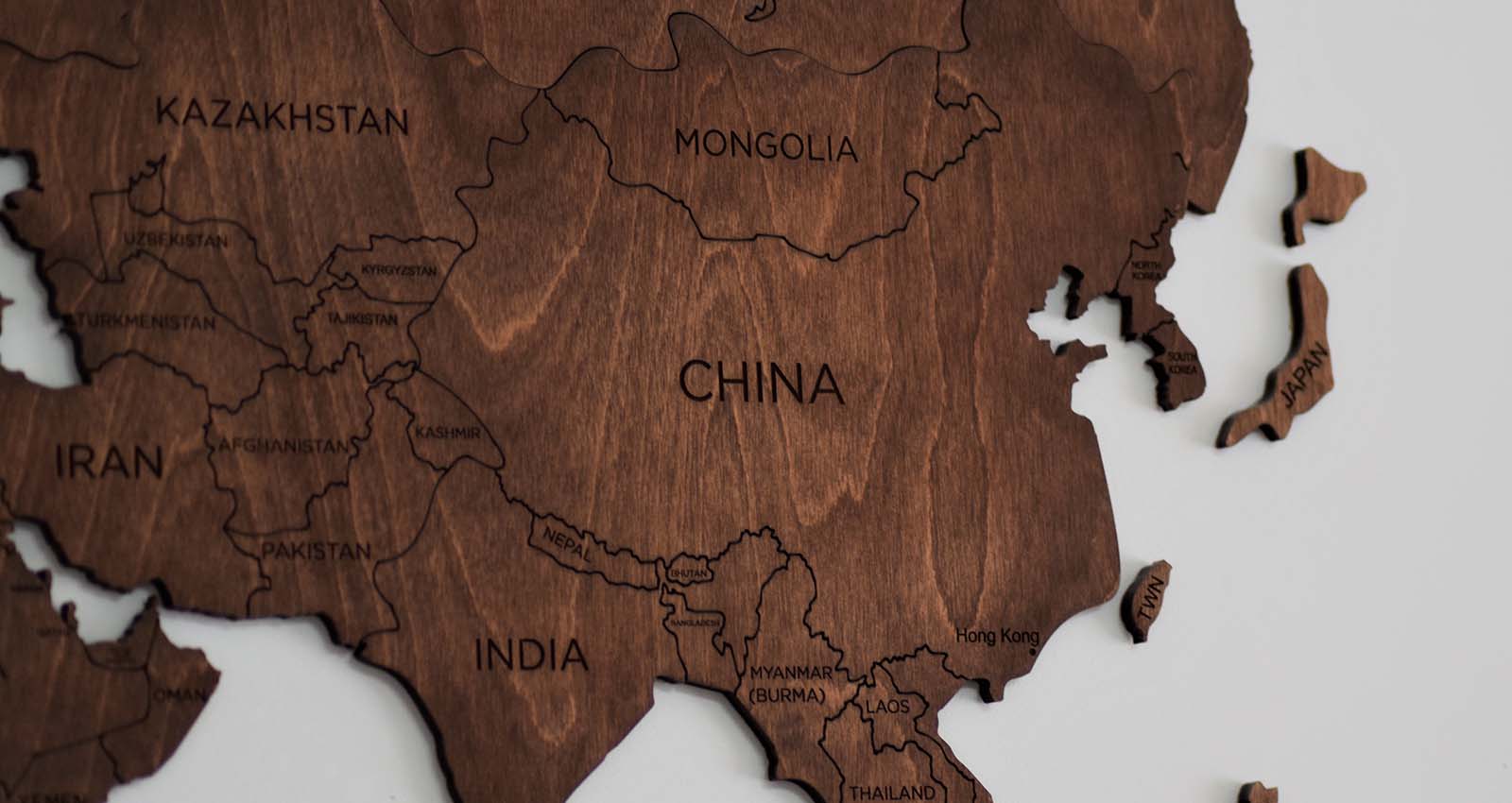
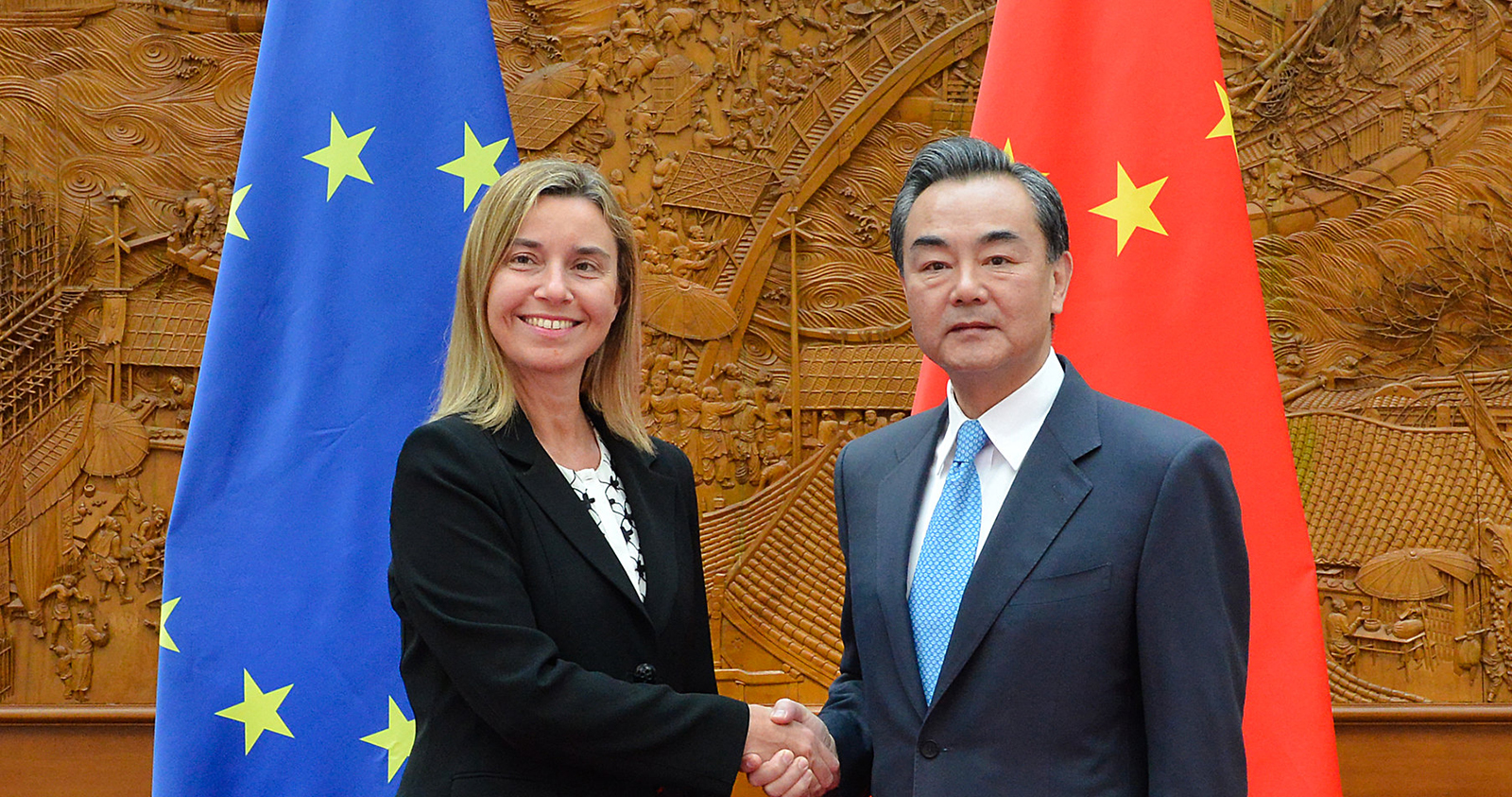
Steven Langendonk contests the idea that Brussels’ new China strategy is indicative of greater agency. Instead, he says, the EU-China relationship is firmly grounded in internal struggles. The pressure is on to manipulate member states' sentiments and to provide a new political narrative for a changing relationship. Read more
Ian Budge
The climate catastrophe has been forgotten, Ian Budge argues, as NATO extends itself up to the Russian border. Stopping Russia destroying its natural environment should be the real imperative for the West. Recognising this would soften both sides’ aggressive reactions and ease the way to an equable settlement over Ukraine. Read more
Albrecht Rothacher
Albrecht Rothacher argues that Putin’s power play over Ukraine, while being driven by the West’s current weakness, serves neither Russia or the West. The two sides should, instead, lower tensions and address together several long-standing issues at the heart of current international instability Read more
Jasper Bongers
To facilitate interdisciplinary communication and deepen our shared understanding of European cooperation dynamics, Jasper Bongers, Lynn Hillary & Guus Wieman have developed the concept of aligning rulesets. Read more
Ziya Öniş
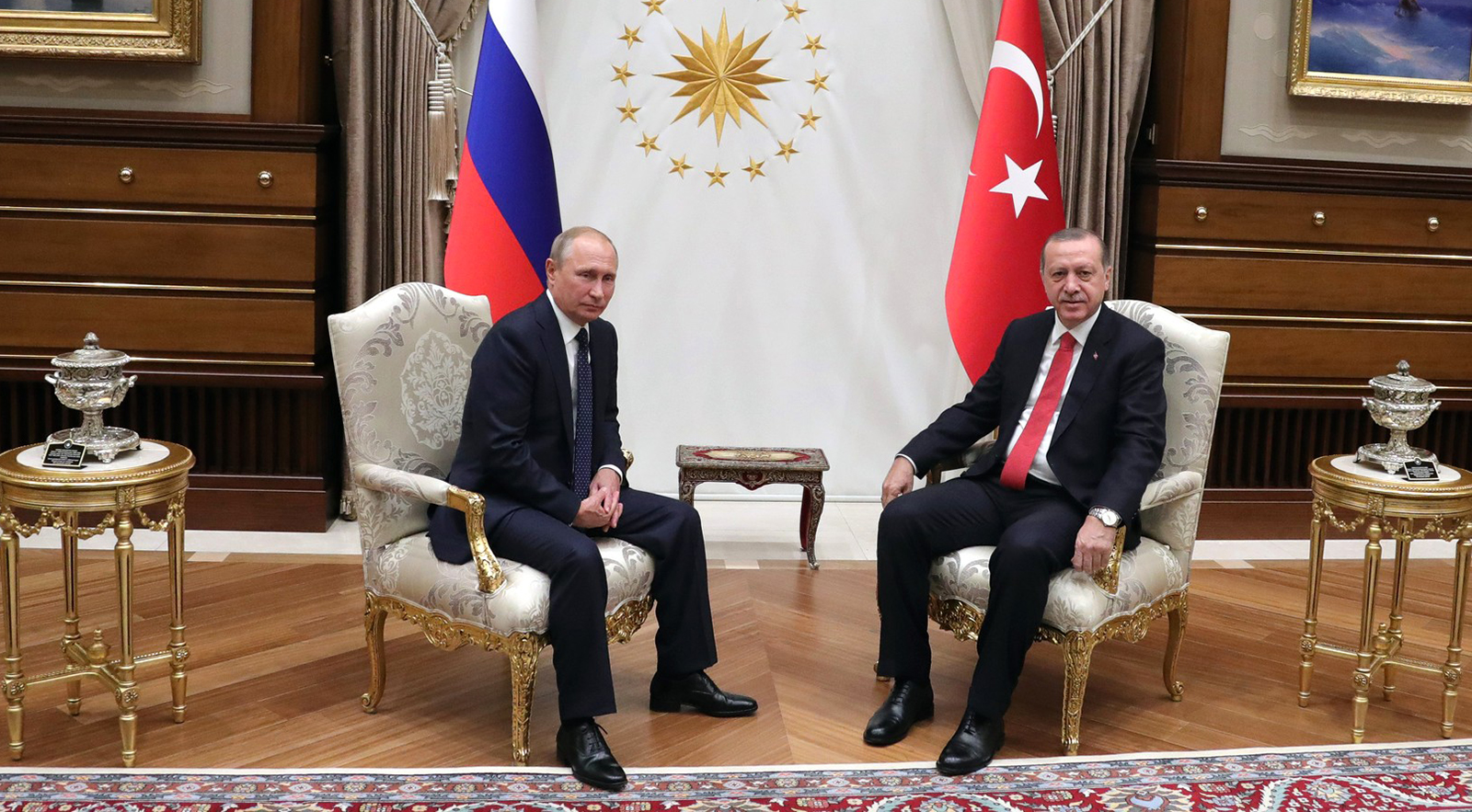
In recent years, Turkish foreign policy has oscillated between traditional alignments with the West, and a new Eastern orientation. Partnerships with Russia and China are becoming increasingly important, write Ziya Öniş and Mustafa Kutlay. Yet Turkey must be firmly anchored to the club of democratic states to regain its benign regional and global role Read more
Filip Ilkowski
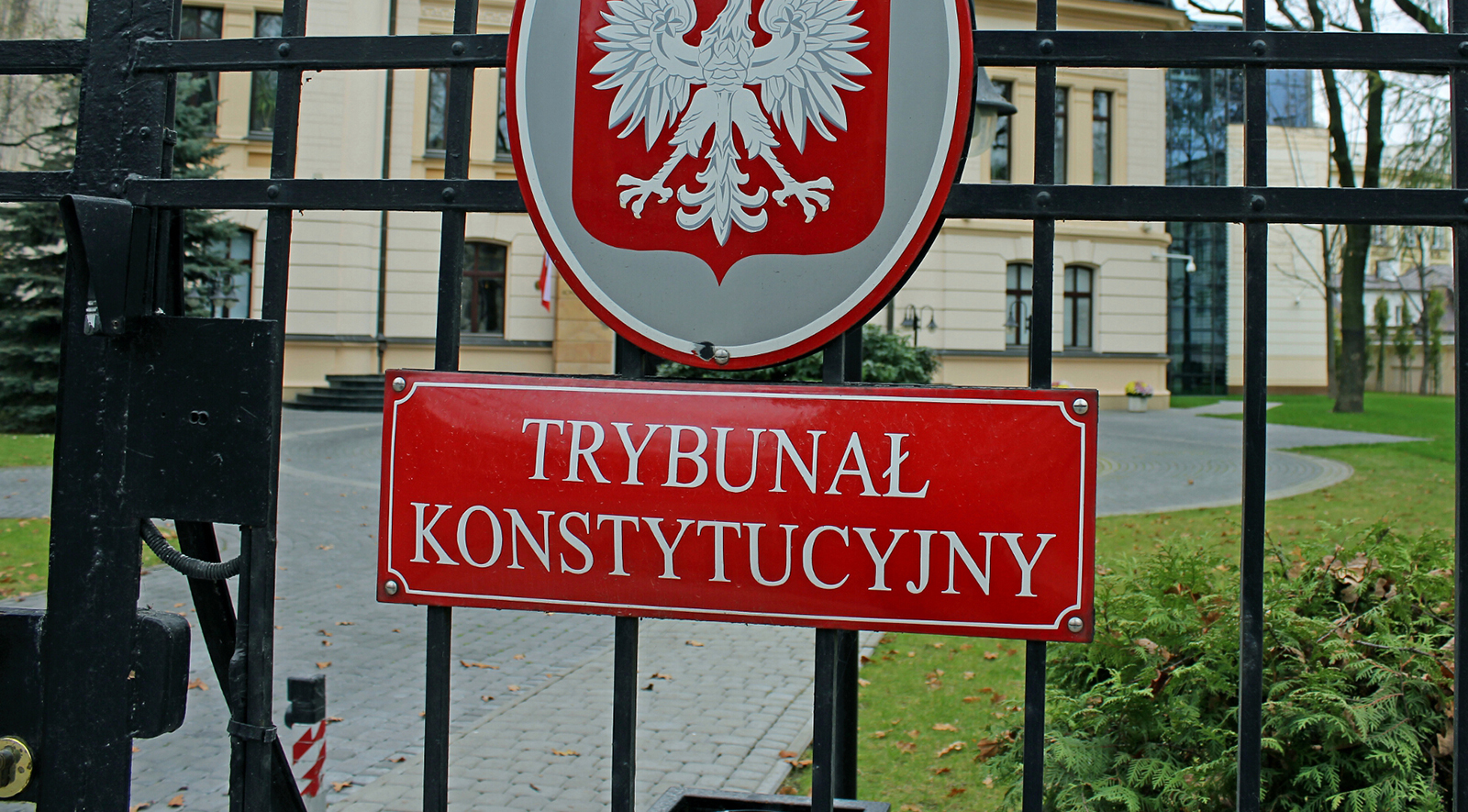
Relations between Poland and the EU have reached a nadir with the recent clash between the Polish Constitutional Court and the European Union Court of Justice. This conflict, argues Filip Ilkowski, reflects much deeper divisions connected to EU geopolitics and ideological clashes in Polish society Read more
Mahmoud Javadi
Relations between Iran and Europe are in a pretty poor state. But Mahmoud Javadi argues that there are avenues for improvement through identification of 'shared interests' – and the EU can, and should, play its part Read more
Xuechen Chen
Xuechen Chen and Xinchuchu Gao argue that the EU’s decision to securitise China lies behind the recent deterioration in EU-China relations. Yet divergent views among member states are hampering EU policy, resulting in incoherent and inconsistent implementation at national levels Read more
We use cookies to ensure that we give you the best experience on our website. If you continue to use this site we will assume that you are happy with it.