Shamsoddin Shariati
Europe’s support for the US-Israeli war on Iran, in the hope of securing American backing for Ukraine, is a strategic mistake, argues Shamsoddin Shariati. Rather than buying goodwill in Washington, European leaders are undermining their own security, credibility, and strategic autonomy Read more
Kandida Purnell
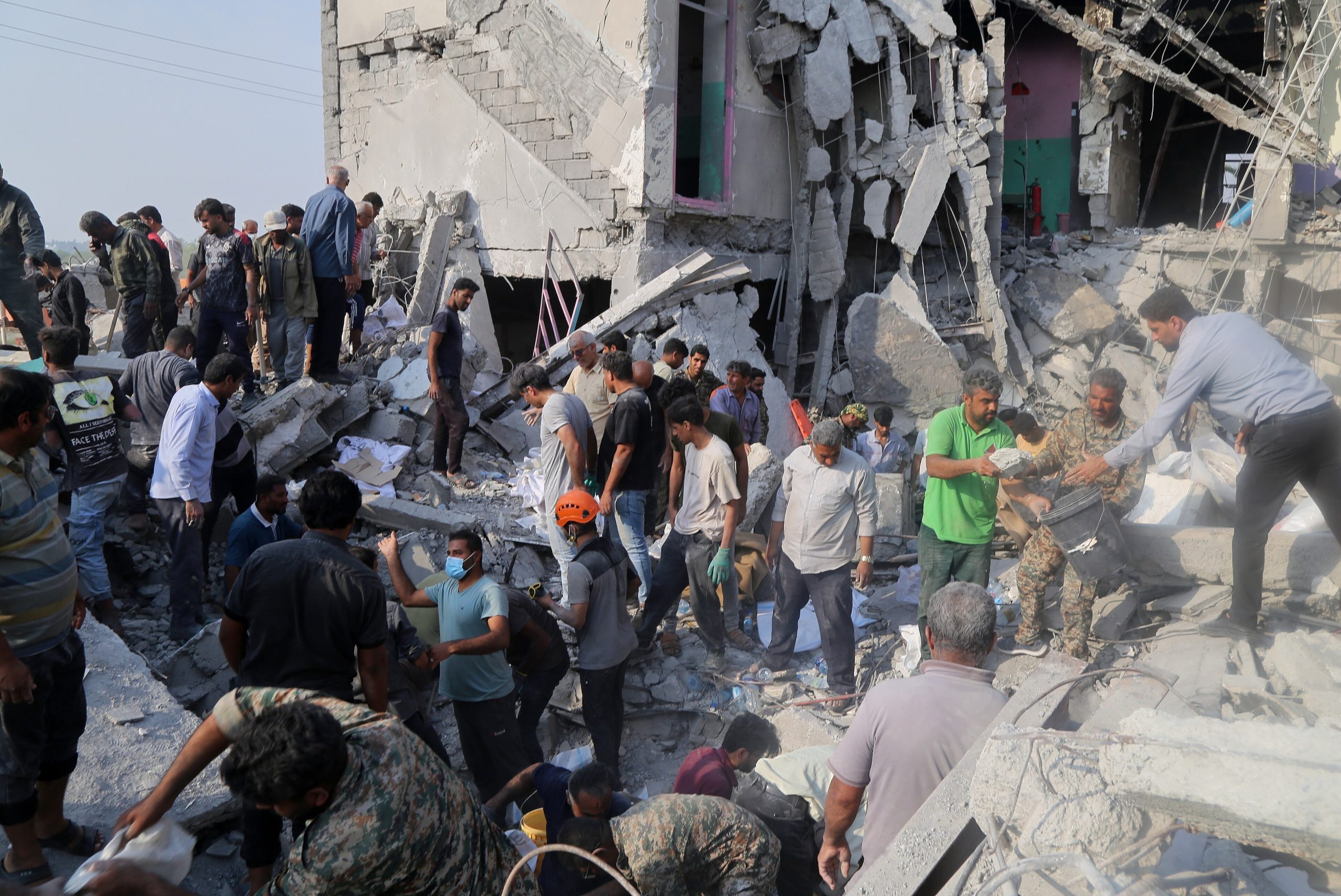
The recent rescue of a US airman from Iranian soil obscures a deeper truth. As contested casualty figures emerge from America’s war, Kandida Purnell argues that what we see, count, and mourn in war is never neutral. Rather, it is carefully governed through a longstanding necropolitical logic that shapes public perception and sustains conflict Read more
Olamide Samuel
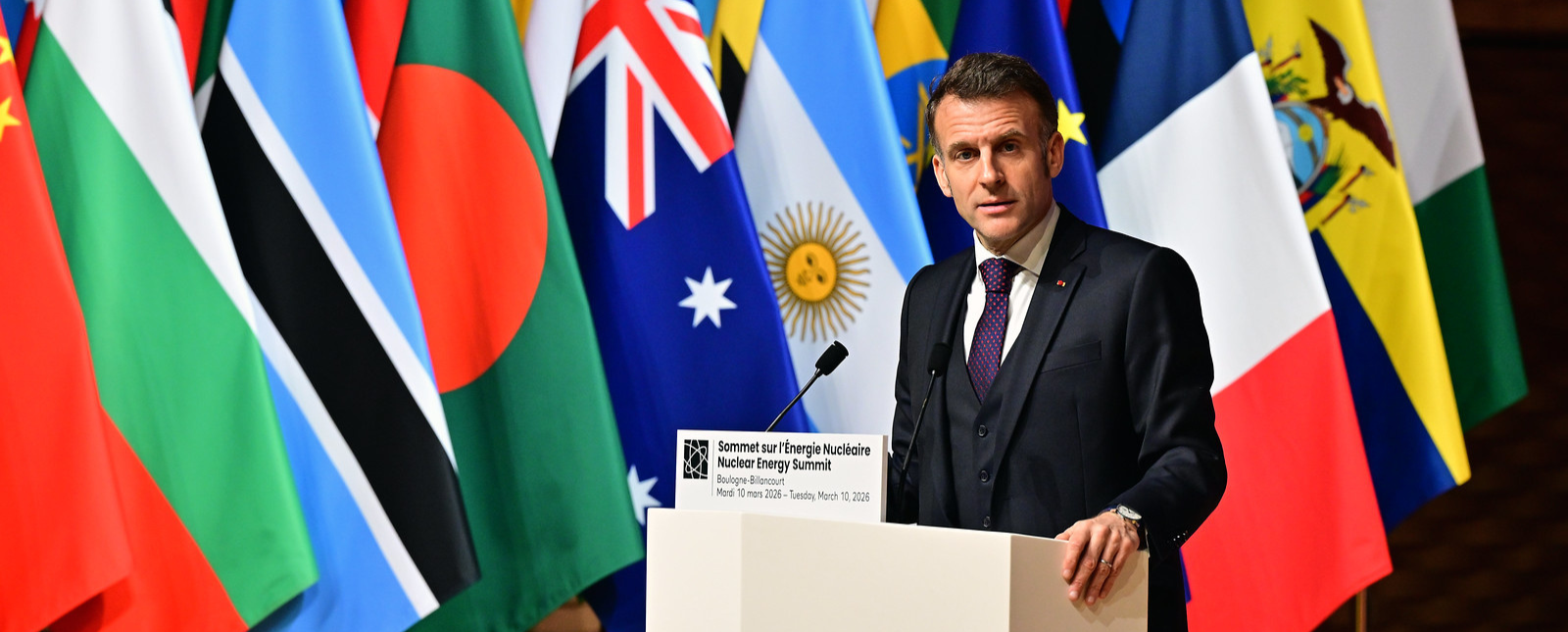
France’s new nuclear posture and Russia’s nuclear build-up in Belarus have made Europe feel vulnerable. But, argues Olamide Samuel, stronger nuclear rhetoric will not make Europe safer or more independent. Europe’s real task is to rebuild arms control, consultation, and dialogue before nuclear danger becomes harder to contain Read more
Ilan Kapoor
From the Strait of Hormuz to Europe’s gas crisis, energy dependence lets states project power through prices, not troops. This, says Ilan Kapoor, is reshaping geopolitical influence Read more
Hossein Kermani
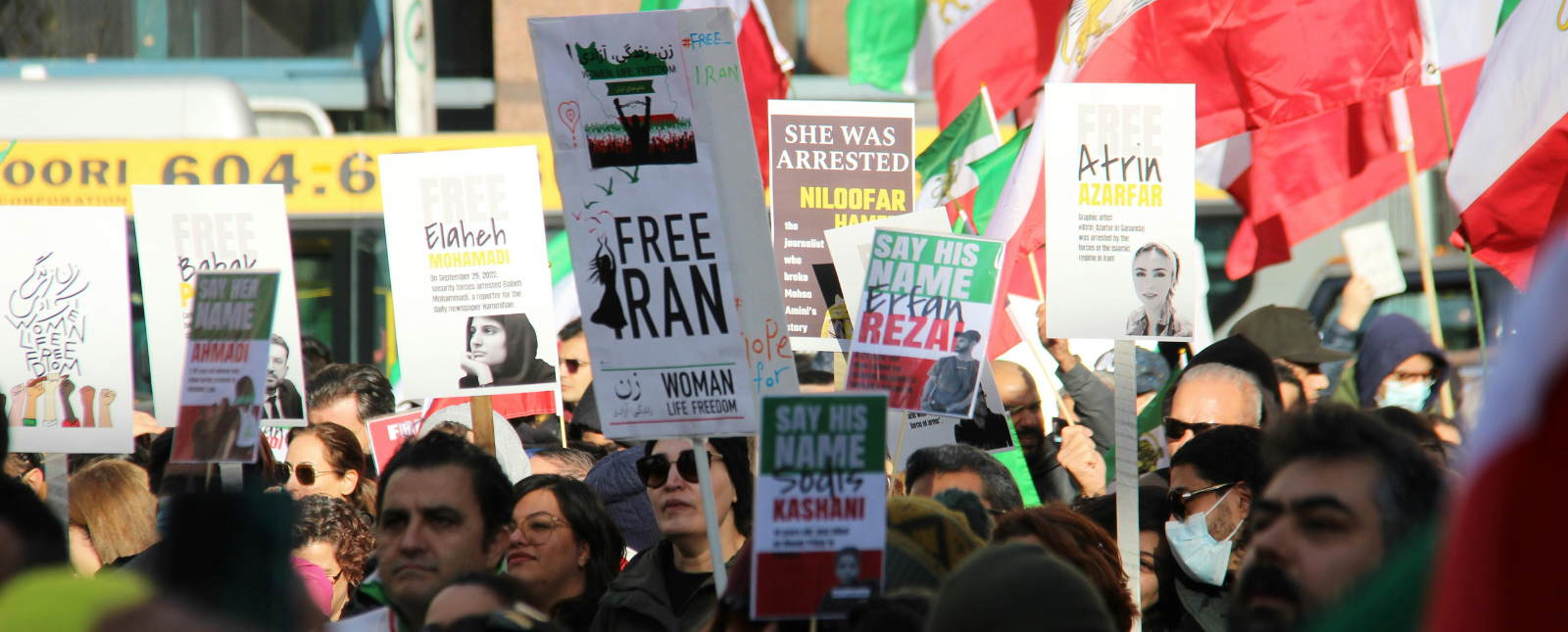
Hossein Kermani argues that a largely voiceless majority in Iran is routinely misrepresented by both the Islamic regime and its loudest opponents. Amid the current Iran-Israel-US conflict, he shows how many Iranians are rejecting simplistic binaries and instead are confronting the war’s causes, costs, and uncertainties Read more
We use cookies to ensure that we give you the best experience on our website. If you continue to use this site we will assume that you are happy with it.