Kaweh Kerami
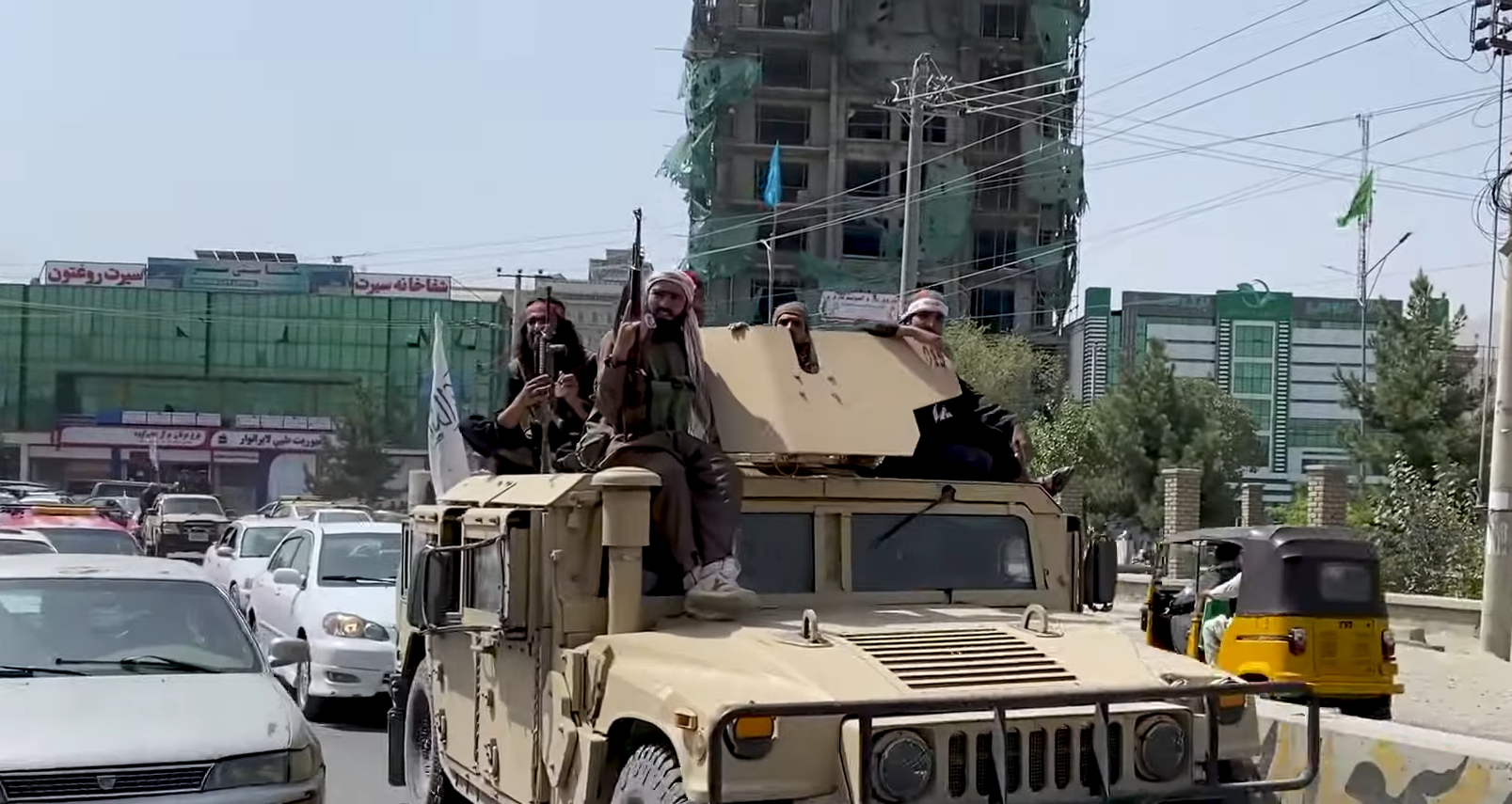
Kaweh Kerami argues that the Taliban’s first visit to Brussels was not recognition, as the EU insists, but something politically consequential all the same: proof that repeated contact can hand an unrecognised regime real standing, one technical meeting at a time Read more
Marius Bales
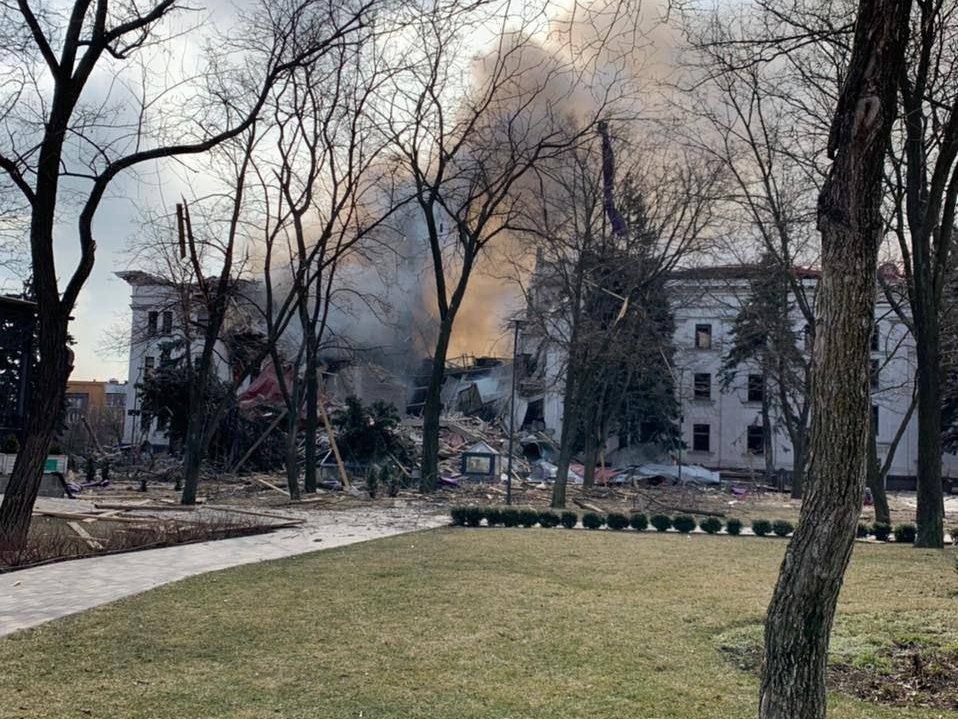
Marius Bales and Max Mutschler argue that precision weapons do not protect civilians. Indeed, in autocratic systems, they can make civilian suffering more targeted. In eroding democracies such as Israel and the US, weakening checks on executive power may also loosen military restraint Read more
Leonardo Bandarra
The 2026 Nuclear Proliferation Treaty Review Conference revealed a treaty still alive, but under strain. Yet the real danger, argues Leonardo Bandarra, may be less dramatic than collapse. States may keep praising the NPT, while trusting it less. The myth of Orpheus offers a simple warning about what doubt can destroy Read more
Annika Björkdahl
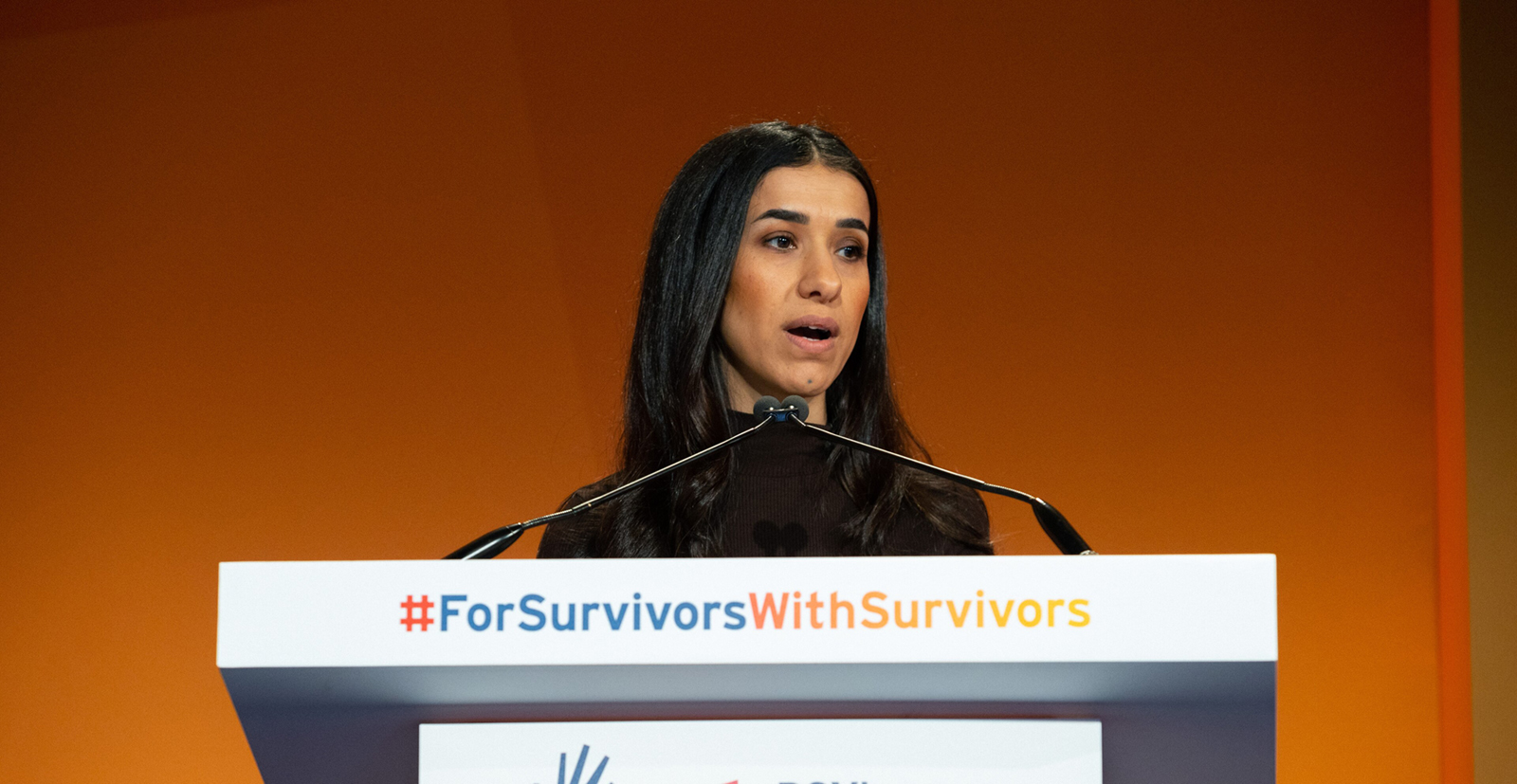
As reports of gendered violence emerge from Gaza, Sudan, Ukraine and elsewhere, a crucial question remains: whose stories shape our understanding of war? Annika Björkdahl, Kristine Höglund and Johanna Mannergren show how women's testimonies have transformed how the world recognises wartime violence. Despite this, women remain marginal to many accounts of conflict Read more
Ilan Kapoor
As states adapt through alternative trade networks, shadow fleets, and new payment systems, Ilan Kapoor reveals how sanctions increasingly impose costs without securing political compliance Read more
Taylan Utku Düzgün
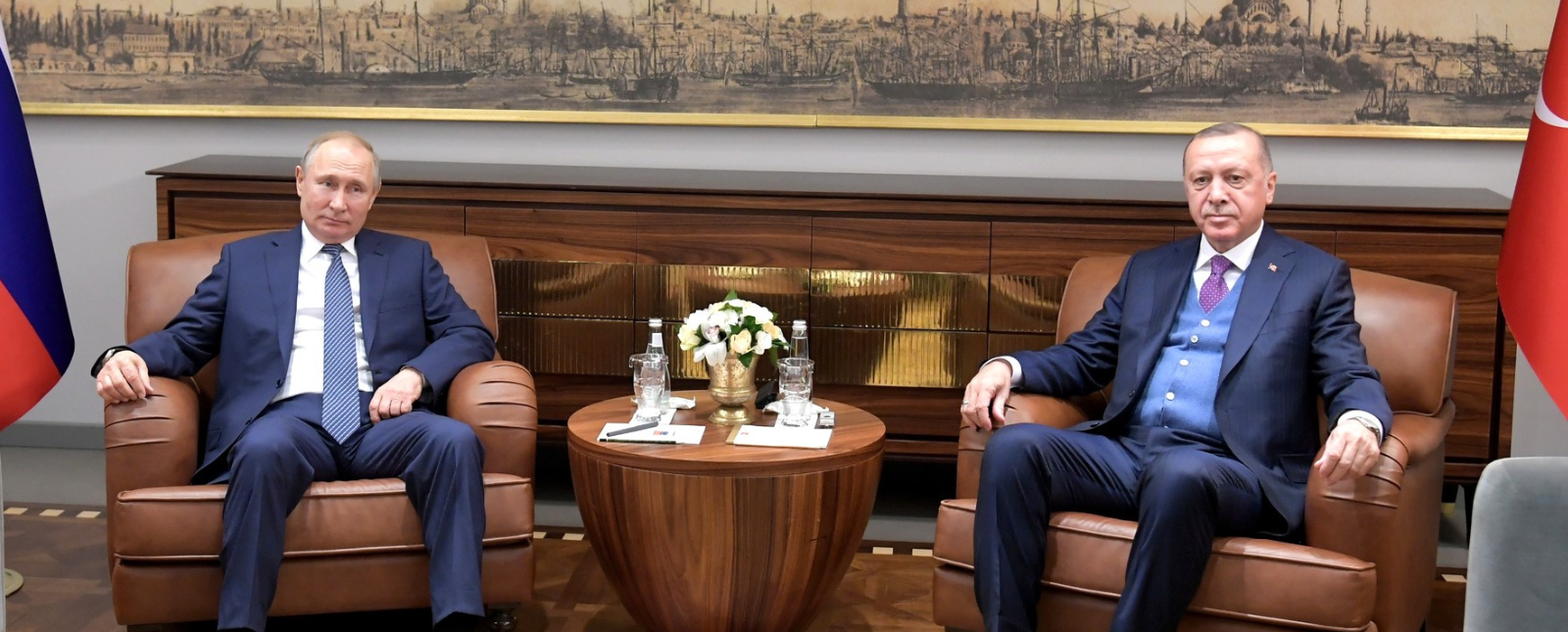
Taylan Düzgün argues that Turkish–Russian coordination in Syria has never reflected a true strategic alliance. Instead, both sides have developed limited forms of cooperation to contain escalation while pursuing fundamentally incompatible goals. The Syrian conflict shows how rivalry and coordination increasingly coexist in contemporary international politics Read more
Robin Gilman
France claims that a 'safer’ Europe is the goal of its new nuclear policy. Yet Robin Gilman argues that undermining the nonproliferation treaty is eroding the EU’s credibility and safety, leaving it at a crossroads. It can either remain a reliable partner – or fuel the collapse of the rules-based order Read more
Jeanne Marie Jacqueline Vincendeau
Tensions in the AI race don't necessarily foreshadow doom, but they are the consequence of a game of imperfect information. Jeanne Vincendeau explains that the framework of any game based on Bayesian theory is neutral. The mistrust between China and the US arises from the misinterpretation of each other's behaviour Read more
We use necessary cookies to make our site work. We'd also like to set analytics cookies that help us make improvements by measuring how you use the site. These will be set only if you accept.
▼
Strictly Necessary Cookies
Necessary cookies enable core functionality such as security, network management, and accessibility. You may disable these by changing your browser settings, but this may affect how the website functions.
▼
Analytics Cookies
Google Analytics
We'd like to set Google Analytics cookies to help us improve our website by collecting and reporting information on how you use it. The cookies collect information in a way that does not directly identify anyone. For more information on how these cookies work please see our Privacy Notice.