Carlos José Cruz Infante
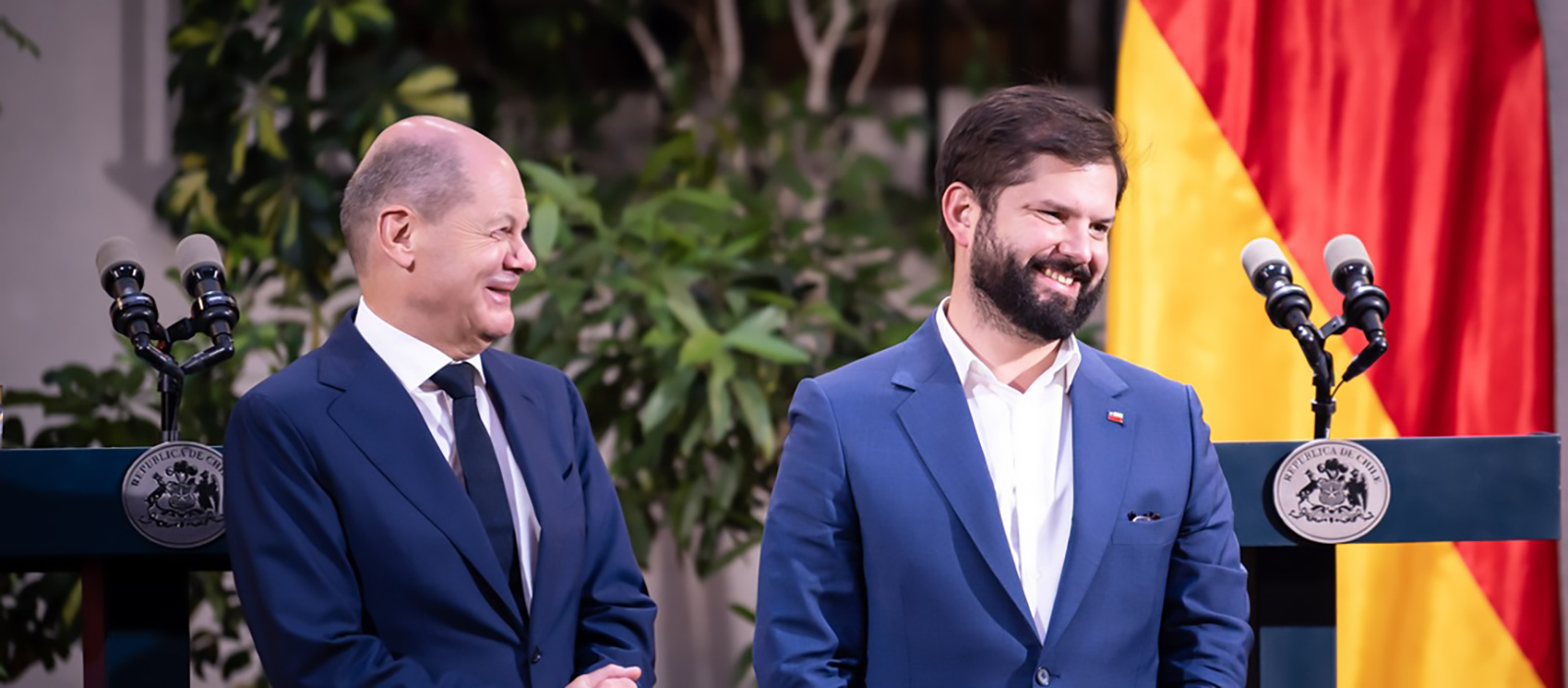
The EU could learn valuable lessons from German Chancellor Scholz’s recent official visit to South America, writes Carlos Cruz Infante. Scholz showed a diplomacy formula that could leverage the Union’s geopolitical influence in the region Read more
Sophia Hunger
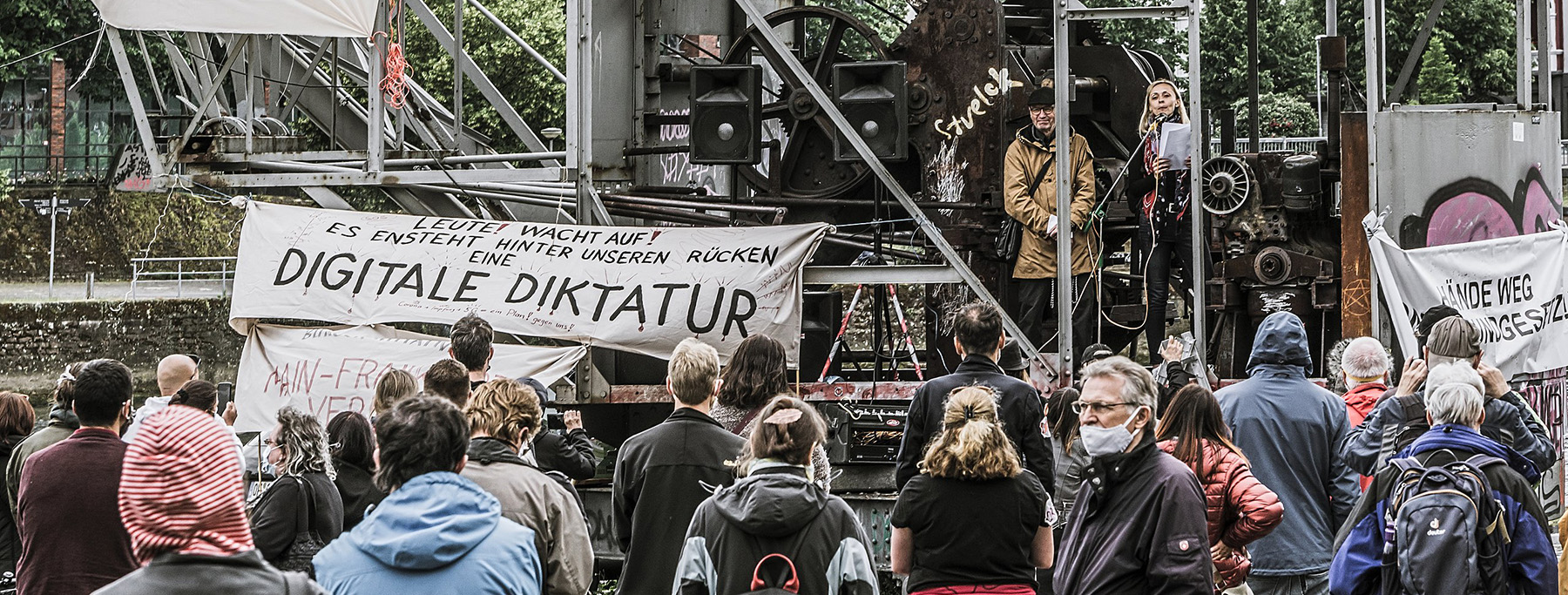
In recent years, demonstrations against containment measures to mitigate the spread of Covid-19 have dominated the protest landscape. Sophia Hunger, Swen Hutter and Eylem Kanol explain what drives individuals from passive sympathy to active participation. They find that political and ideological attitudes, rather than 'biographical availability', play a critical role Read more
Joris Frese
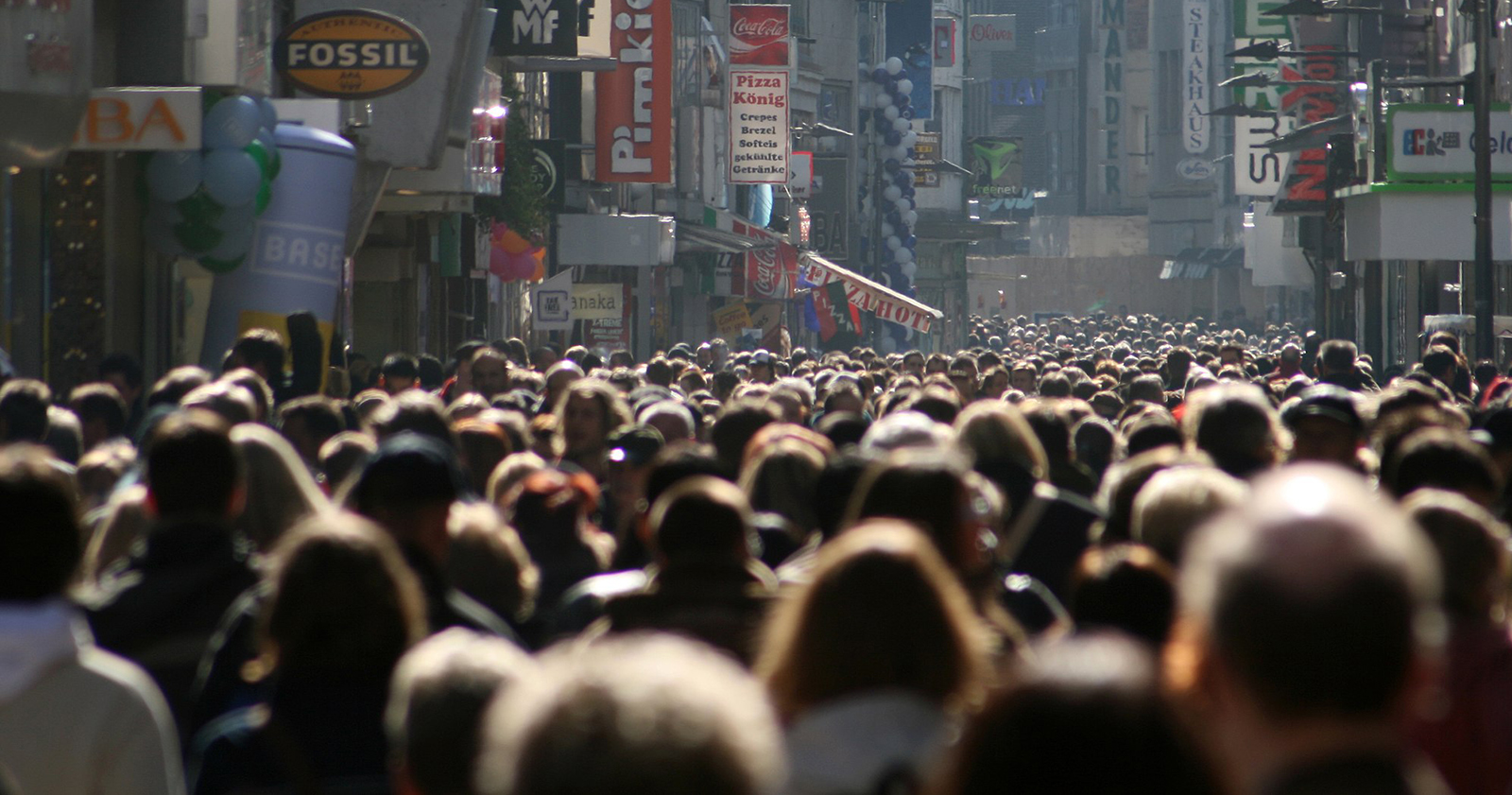
People with migrant backgrounds are underrepresented in party politics. Yet, writes Joris Frese, most parties in Germany do not have a deliberate strategy for the integration of migrants, and few party chapters aspire to attract them Read more
Sabine Volk
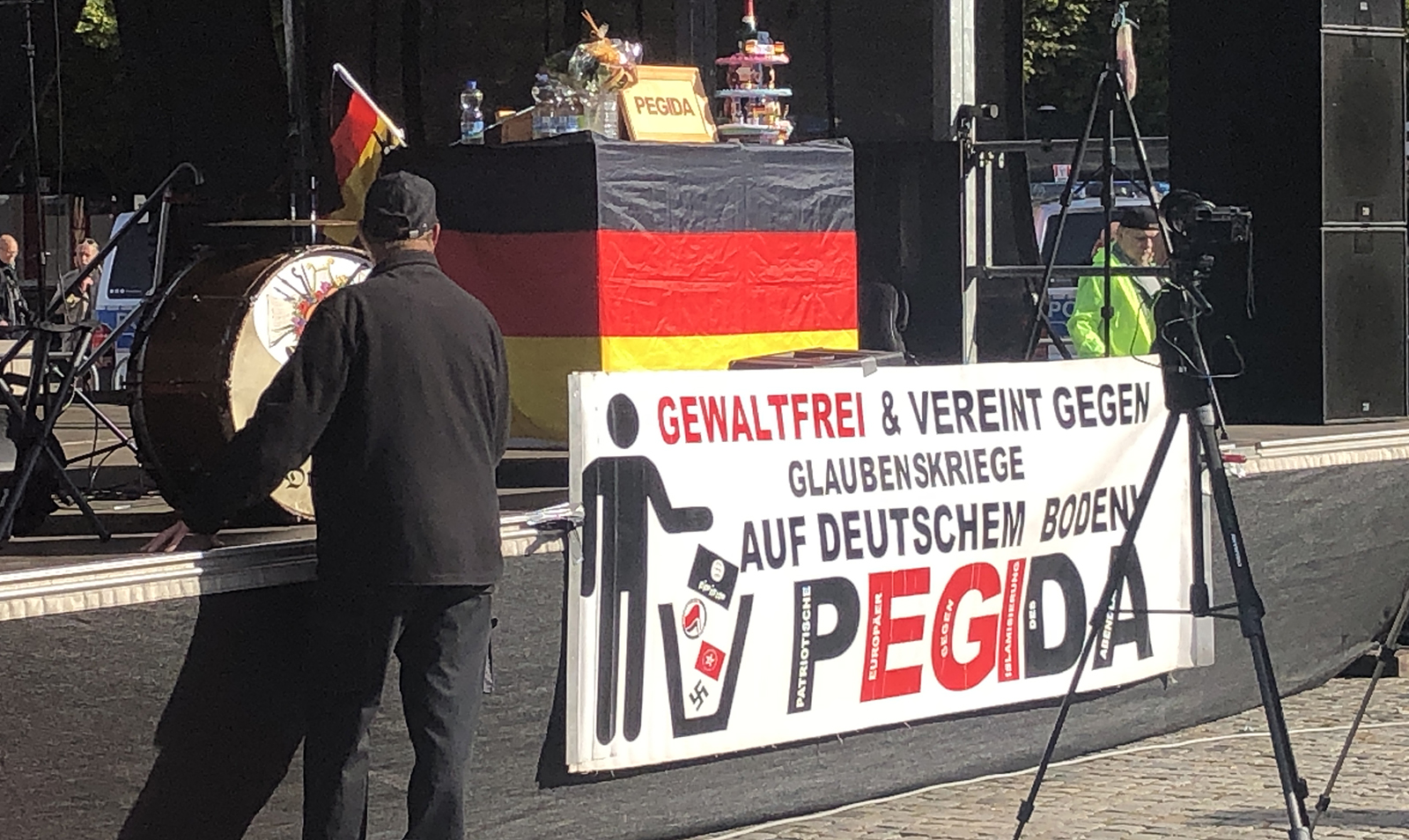
Germany’s largest far-right protest movement, PEGIDA, this month celebrates eight years of mobilisation and protest activity. Its survival, argues Sabine Volk, is a puzzle not explained by social movement theory. She explores an overlooked explanatory factor: PEGIDA's repetitive protest ritual Read more
Christoph Deppe
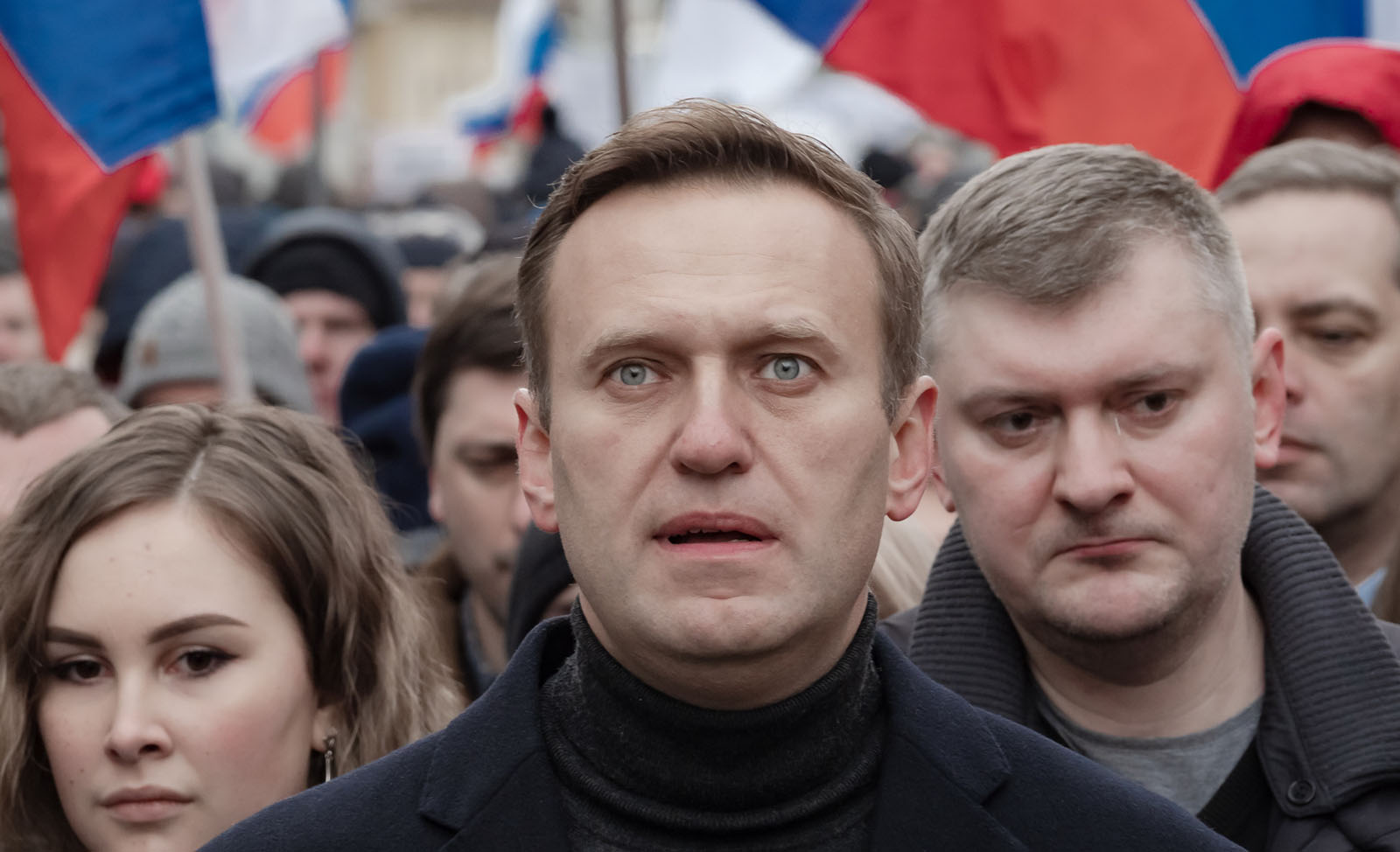
Disinformation affects democratic systems and lowers the deliberative quality of our society. Analysing press coverage of the poisoning of Alexei Navalny, Christoph Deppe and Gary S. Schaal reveal that Russia Today journalists instrumentalise democratic institutions – including German government press conferences – in their favour Read more
Ben Seyd
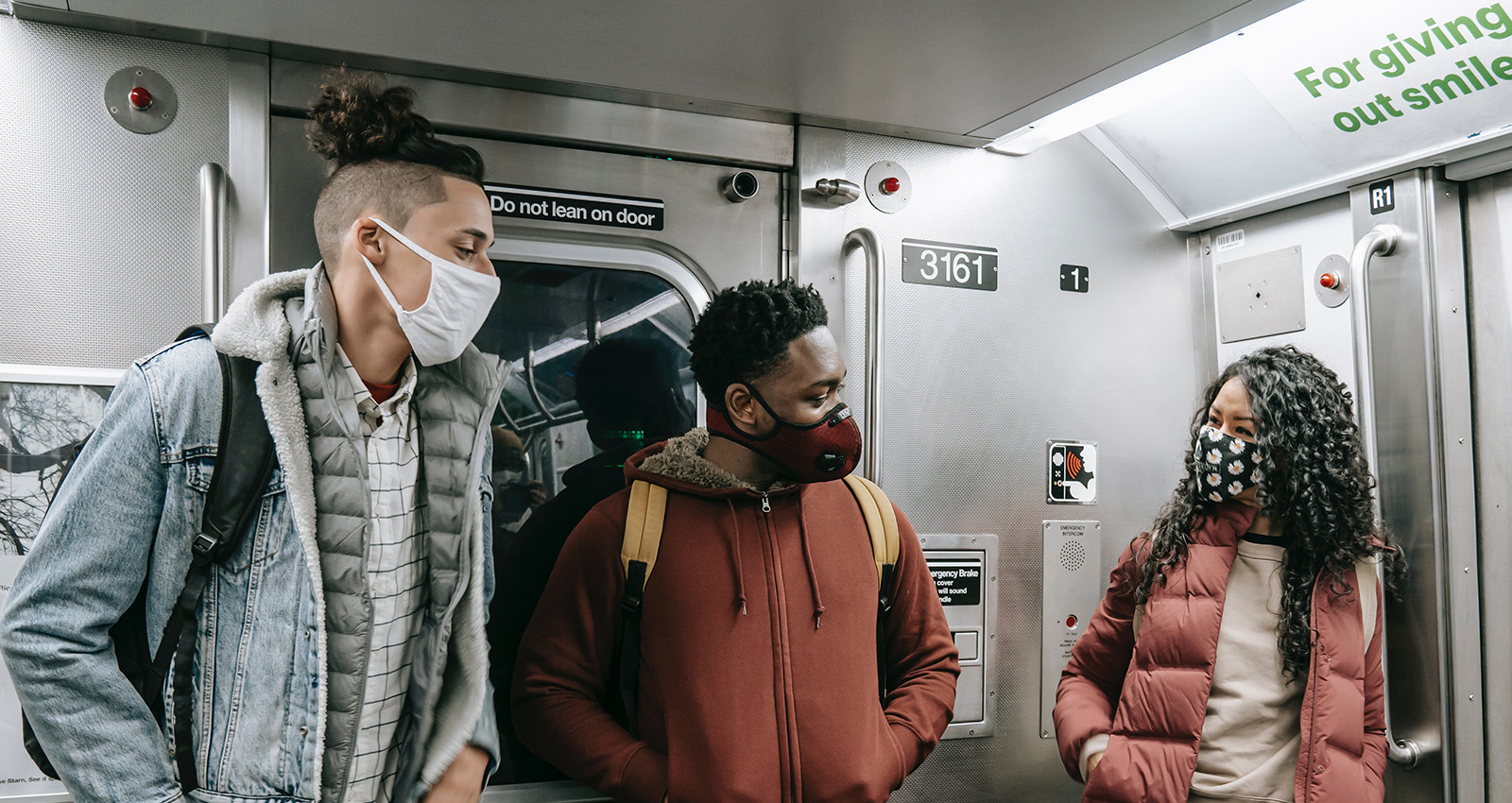
Can policymakers expect people to comply with official health restrictions out of fear rather than because they trust the government? Ben Seyd suggests the answer is no. Governments still need trust to motivate citizens to comply with important collective rules. Read more
Hager Ali
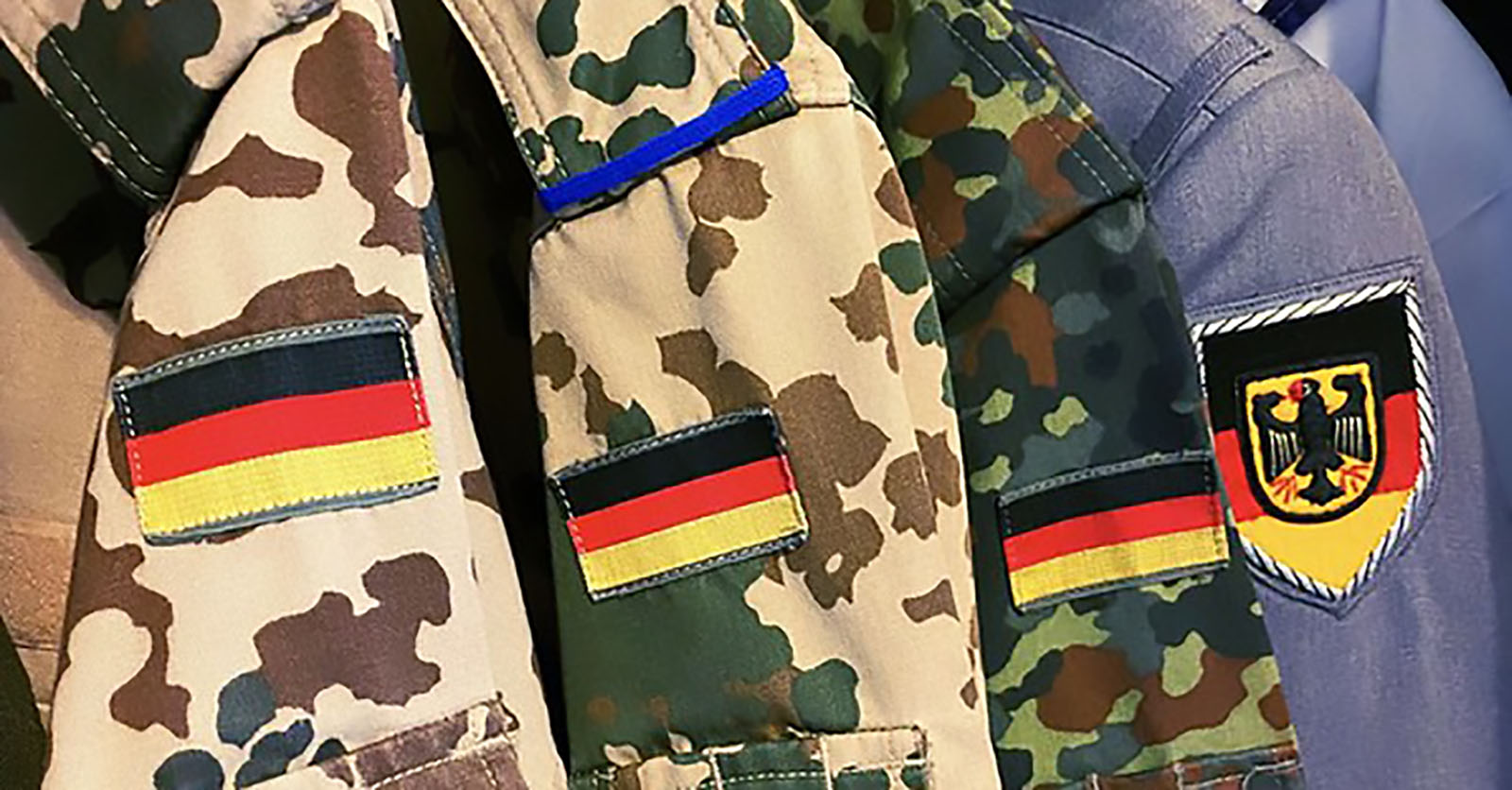
Years of austerity has stifled Germany’s army, the Bundeswehr, but Hager Ali argues that money is the least of it. Salvaging the Bundeswehr means reconfiguring German military professionalism – and fixing its relations with the public Read more
Adrian Kreutz
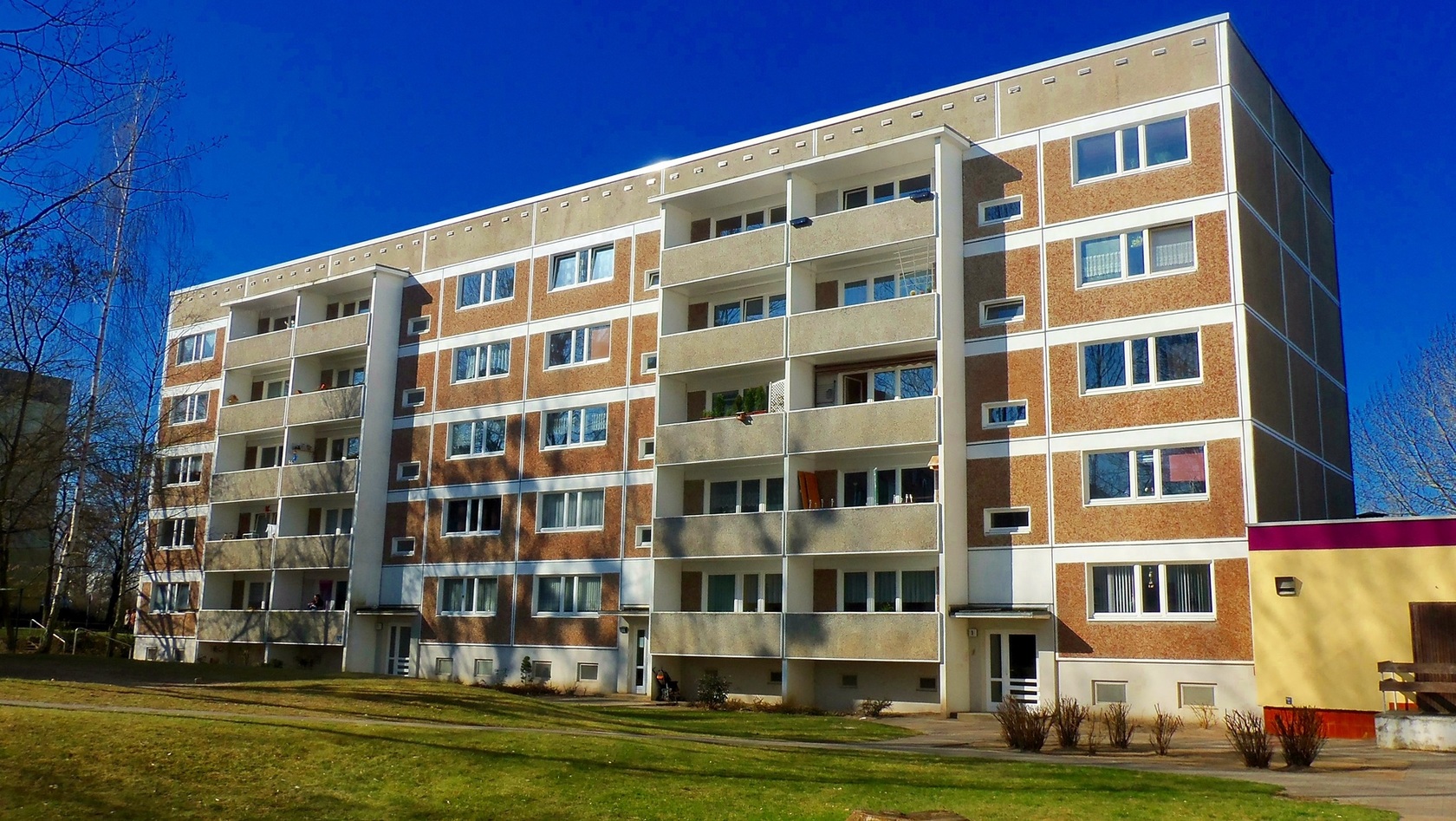
The people of Berlin recently voted to expropriate property-owning companies and bring them back under public ownership. However, argues Adrian Kreutz, while the people have insisted on their right to housing, implementation of the referendum result remains uncertain Read more
We use necessary cookies to make our site work. We'd also like to set analytics cookies that help us make improvements by measuring how you use the site. These will be set only if you accept.
▼
Strictly Necessary Cookies
Necessary cookies enable core functionality such as security, network management, and accessibility. You may disable these by changing your browser settings, but this may affect how the website functions.
▼
Analytics Cookies
Google Analytics
We'd like to set Google Analytics cookies to help us improve our website by collecting and reporting information on how you use it. The cookies collect information in a way that does not directly identify anyone. For more information on how these cookies work please see our Privacy Notice.