Michael Hameleers
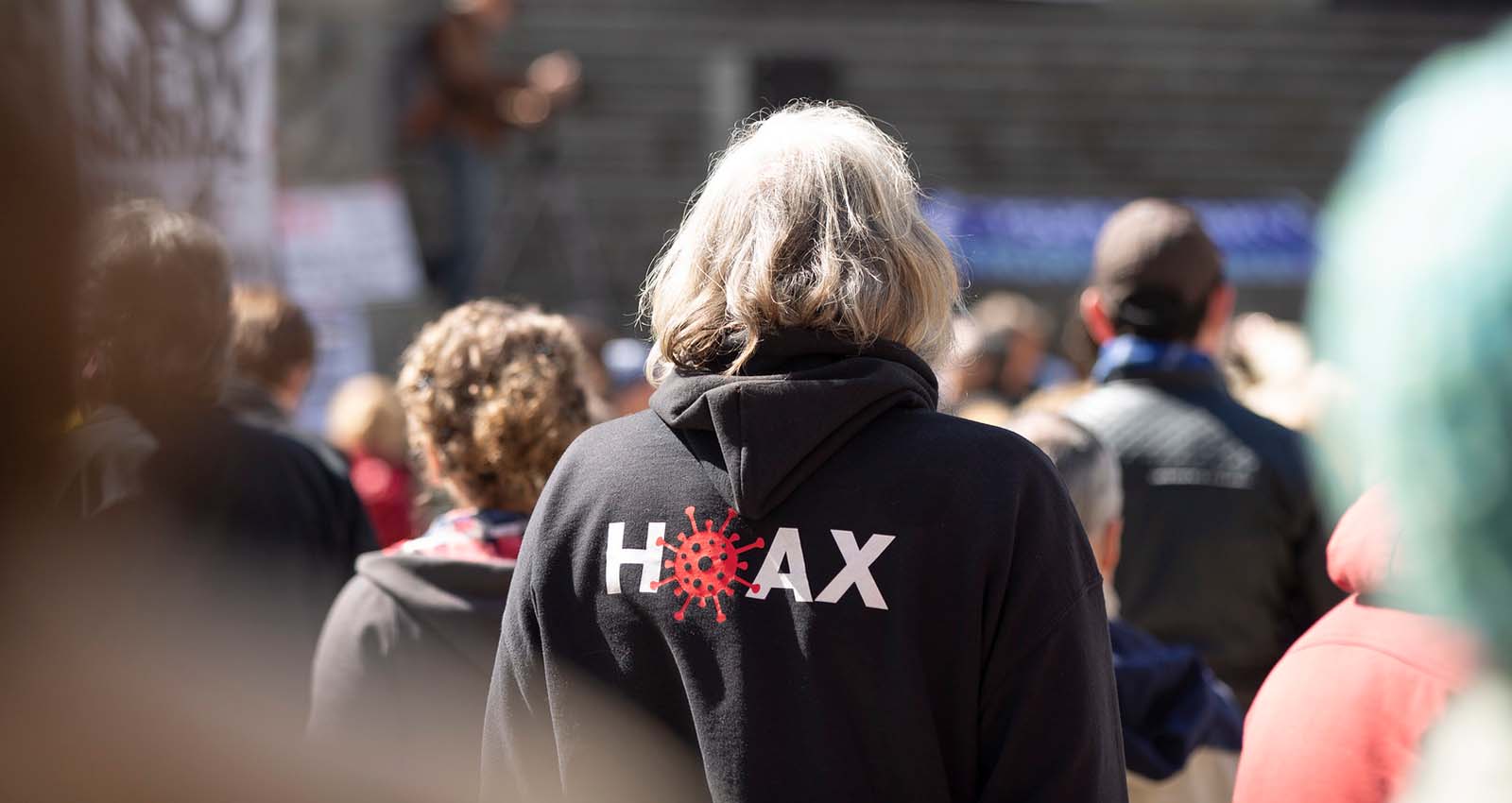
Michael Hameleers explains his team's experimental results: that COVID-19 disinformation is most credible – and dangerous – when it stays close to objective facts. This in turn has implications for how disinformation can be countered. Read more
Benjamin Abrams
Democracy is in danger, and autocrats are becoming bolder and bolder. Benjamin Abrams argues that our failure to understand democracy stops us from effectively defending it. To protect democracy, we need to understand what it means, what kind we have, and what it can become Read more
Samuel Brazys
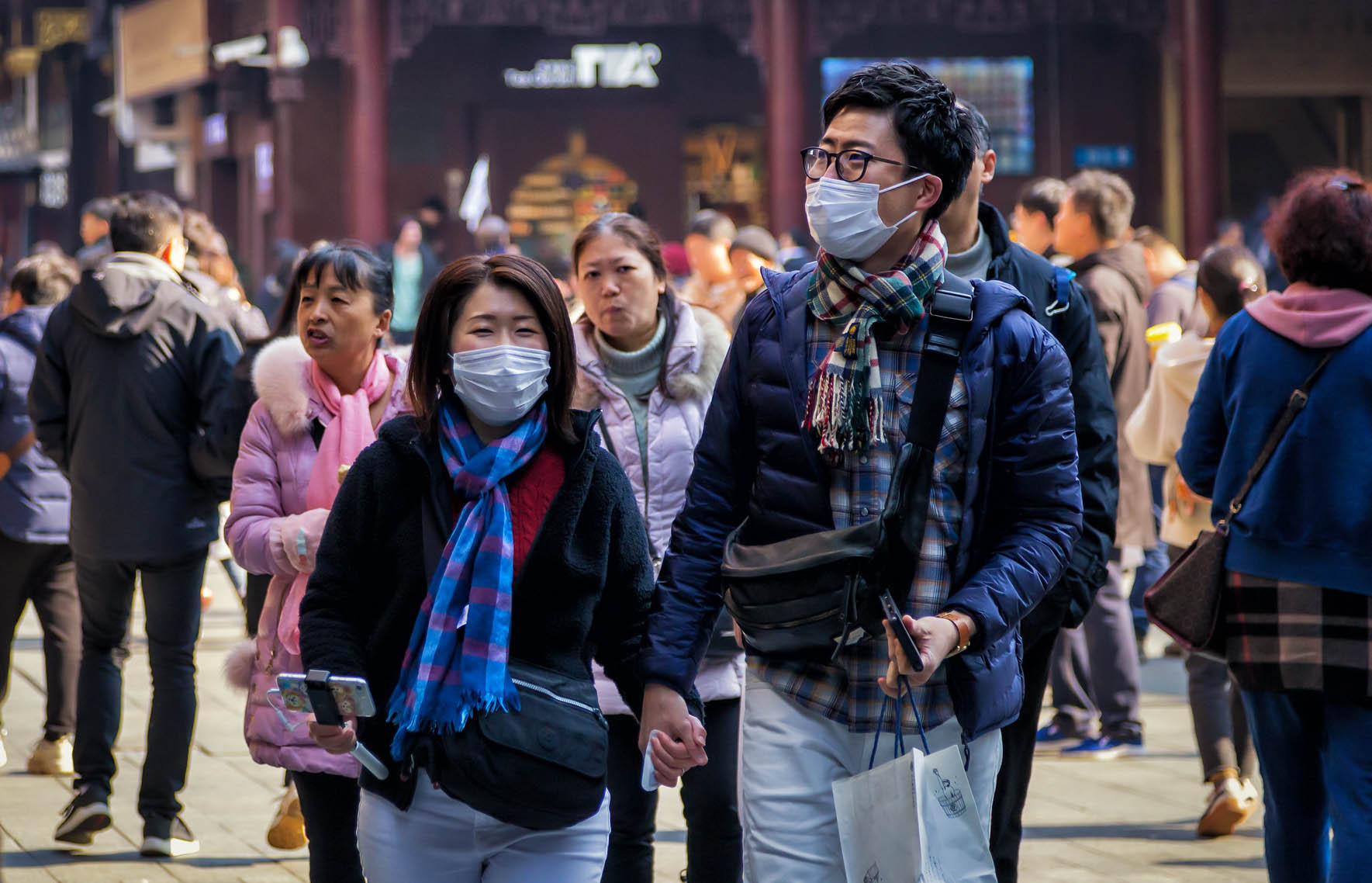
China seeks to control the international narrative on its role in the pandemic. But while Beijing cannot always deflect criticism, its mask diplomacy efforts and external propaganda streams do affect China’s image, write Samuel Brazys, Alexander Dukalskis and Stefan Müller Read more
Annemarie Walter
During the coronacrisis, conspiracy theories have proliferated, and politicians who use them for political gain are – at least partly – to blame. Let the January attack on the US Capitol be a warning to Europe, write Annemarie Walter and Hugo Drochon Read more
Daniel Braby
Identifying the different positions of MPs inside the same political parties is a longstanding problem for political science. Daniel Braby and Marius Sältzer argue that applying automated content analysis to MPs' Twitter timelines offers a robust impression of sub-party positions Read more
Kate Hawkins
The Loop launched on 12 October 2020. During our short life, we have published 57 articles on a huge range of political science sub-disciplines, by some 79 bloggers. Managing Editor Kate Hawkins reflects on this early phase Read more
Angelo Vito Panaro
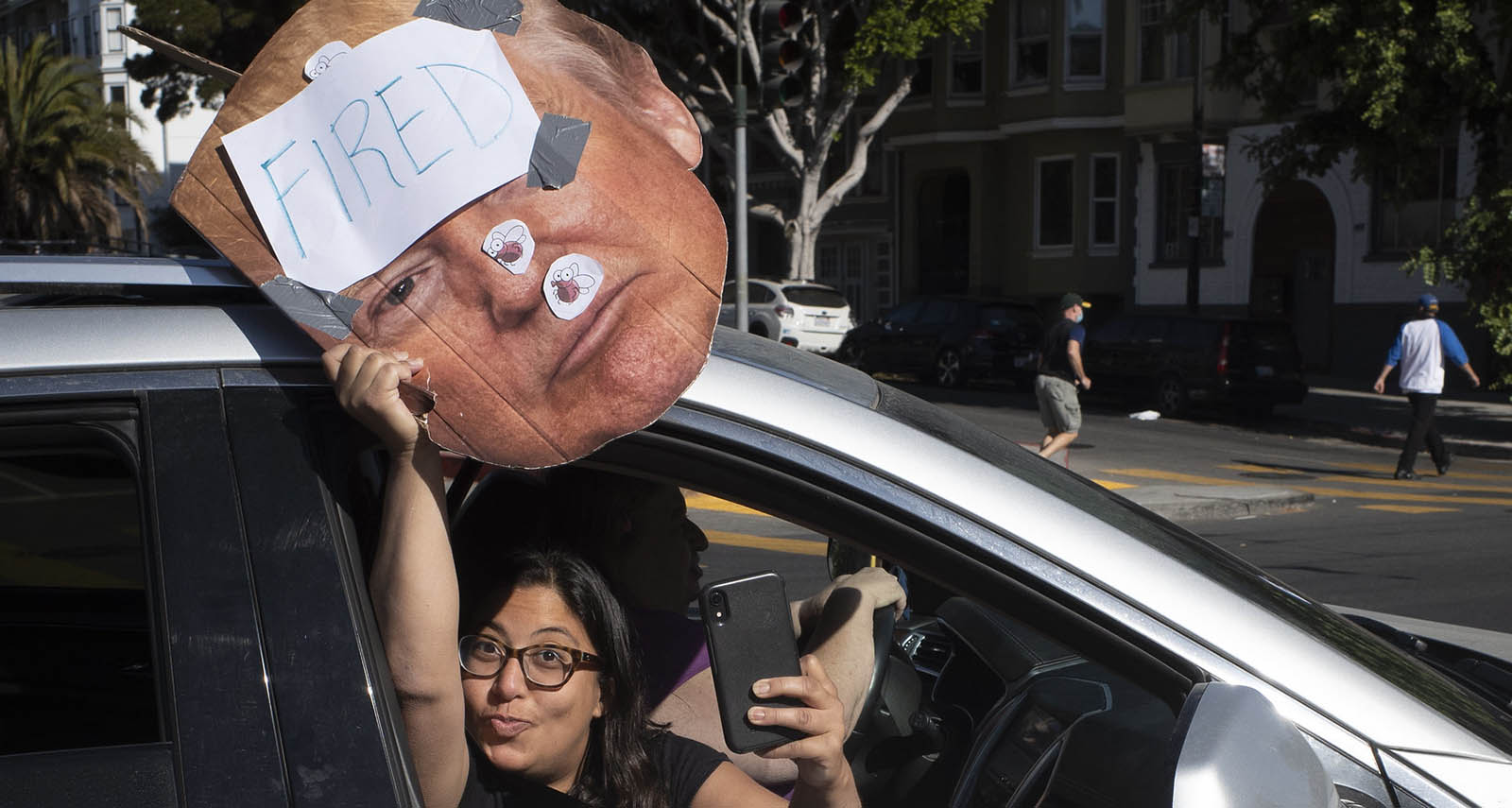
The American presidential elections, and the refusal of President Trump to recognise the result on the basis of unsubstantiated claims of electoral fraud have resulted in the social media platforms, Twitter and Facebook, taking unprecedented initiatives against misinformation and false accusations, thus helping to safeguard American democracy, writes Angelo Vito Panaro Read more
Omogbolahan Bello
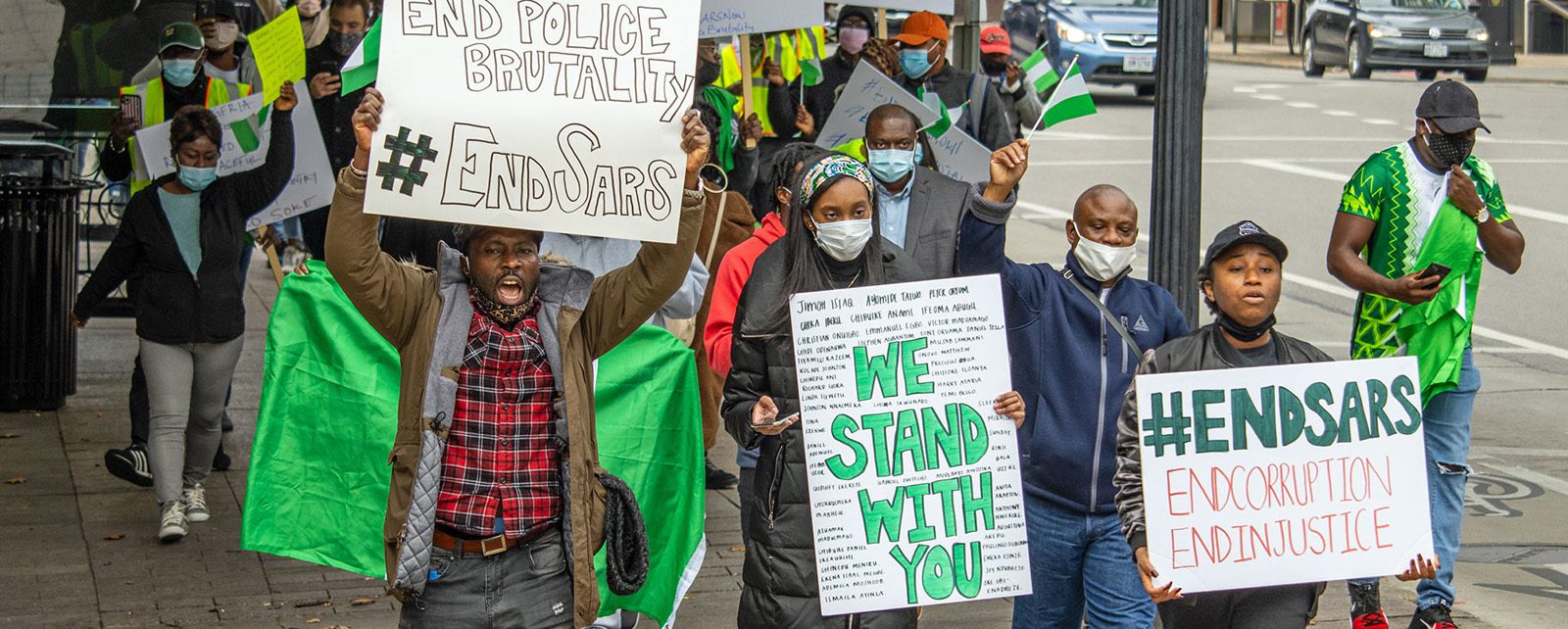
In Nigeria, nationwide protests have erupted from the Twitter hashtag #EndSARS, created to oppose the abuse of police power. Omogbolahan Bello argues that the implications of this movement show how social media may be a tool for democratic reform Read more
We use necessary cookies to make our site work. We'd also like to set analytics cookies that help us make improvements by measuring how you use the site. These will be set only if you accept.
▼
Strictly Necessary Cookies
Necessary cookies enable core functionality such as security, network management, and accessibility. You may disable these by changing your browser settings, but this may affect how the website functions.
▼
Analytics Cookies
Google Analytics
We'd like to set Google Analytics cookies to help us improve our website by collecting and reporting information on how you use it. The cookies collect information in a way that does not directly identify anyone. For more information on how these cookies work please see our Privacy Notice.