Alexandr Burilkov
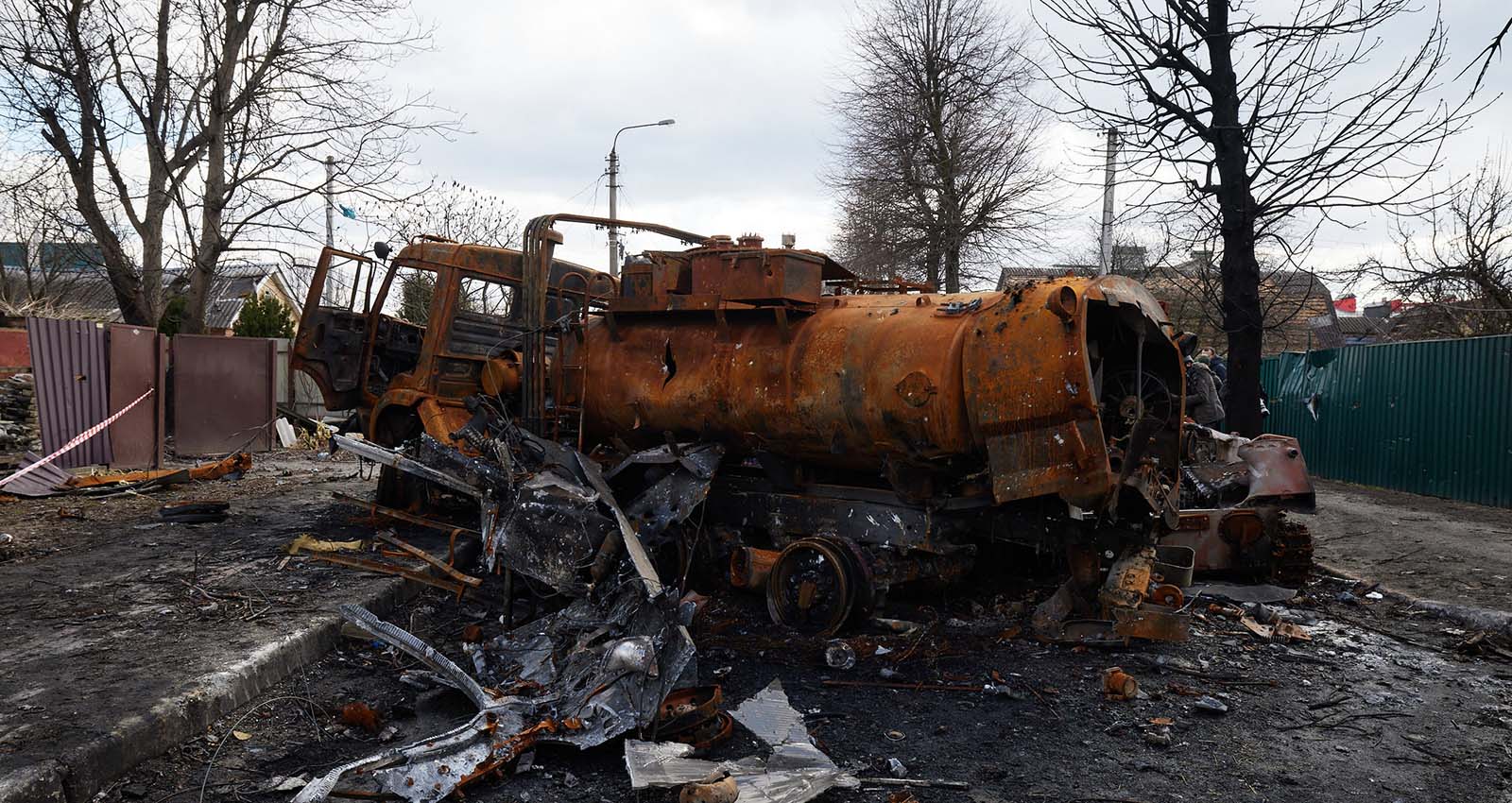
With the Russian invasion of Ukraine reduced to a protracted battle for the Donbas, discontent grows in Russian military and ultranationalist circles. This could lead to the formation of paramilitary groups aiming for a Russia of the revolutionary right, says Alexandr Burilkov Read more
Ian Budge
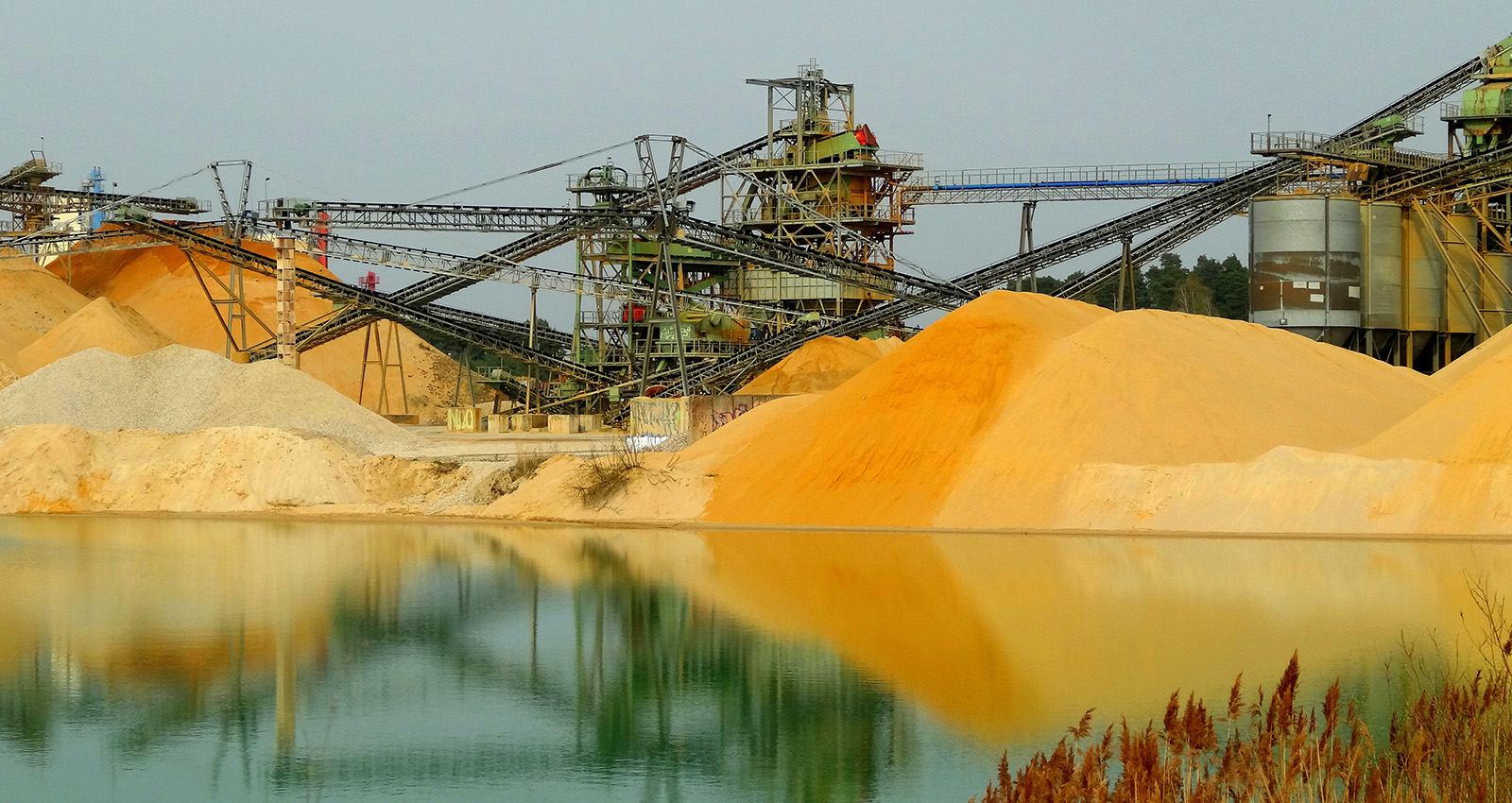
The Russian invasion of Ukraine has reduced media coverage of the political violence and turmoil elsewhere in the world caused by climate change, as well as causing a retreat on climate change policy targets by richer democracies. Ian Budge highlights what needs to be done and how Read more
Stefano Braghiroli
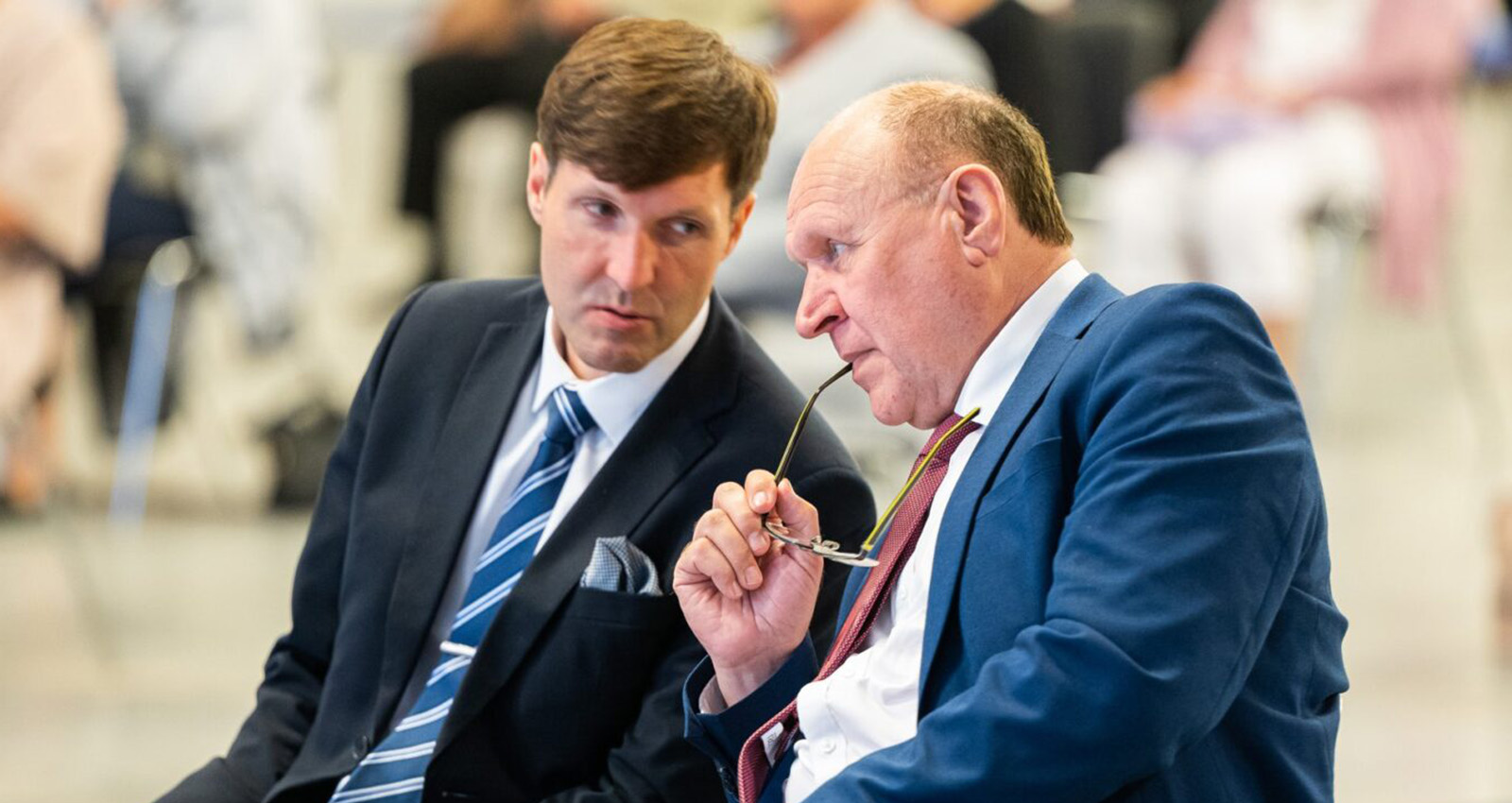
Stefano Braghiroli and Andrey Makarychev chart a change in the Estonian National Conservative Party (EKRE). Lately, it has appealed for the first time to Russian-speaking minorities – an attempt at a similar process to the League’s transformation into a national party in Italy. Unlike the Lega, though, they face the obstacle of the Russian invasion of Ukraine Read more
Ana Tereza Duarte Lima de Barros
Political terms such as communist, fascist, and populist have become so elastic that they end up losing their analytical precision and meaning, write Ana Tereza Duarte Lima de Barros and Jorge Henrique Oliveira Gomes. It is our responsibility to use them with accuracy Read more
Valesca Lima
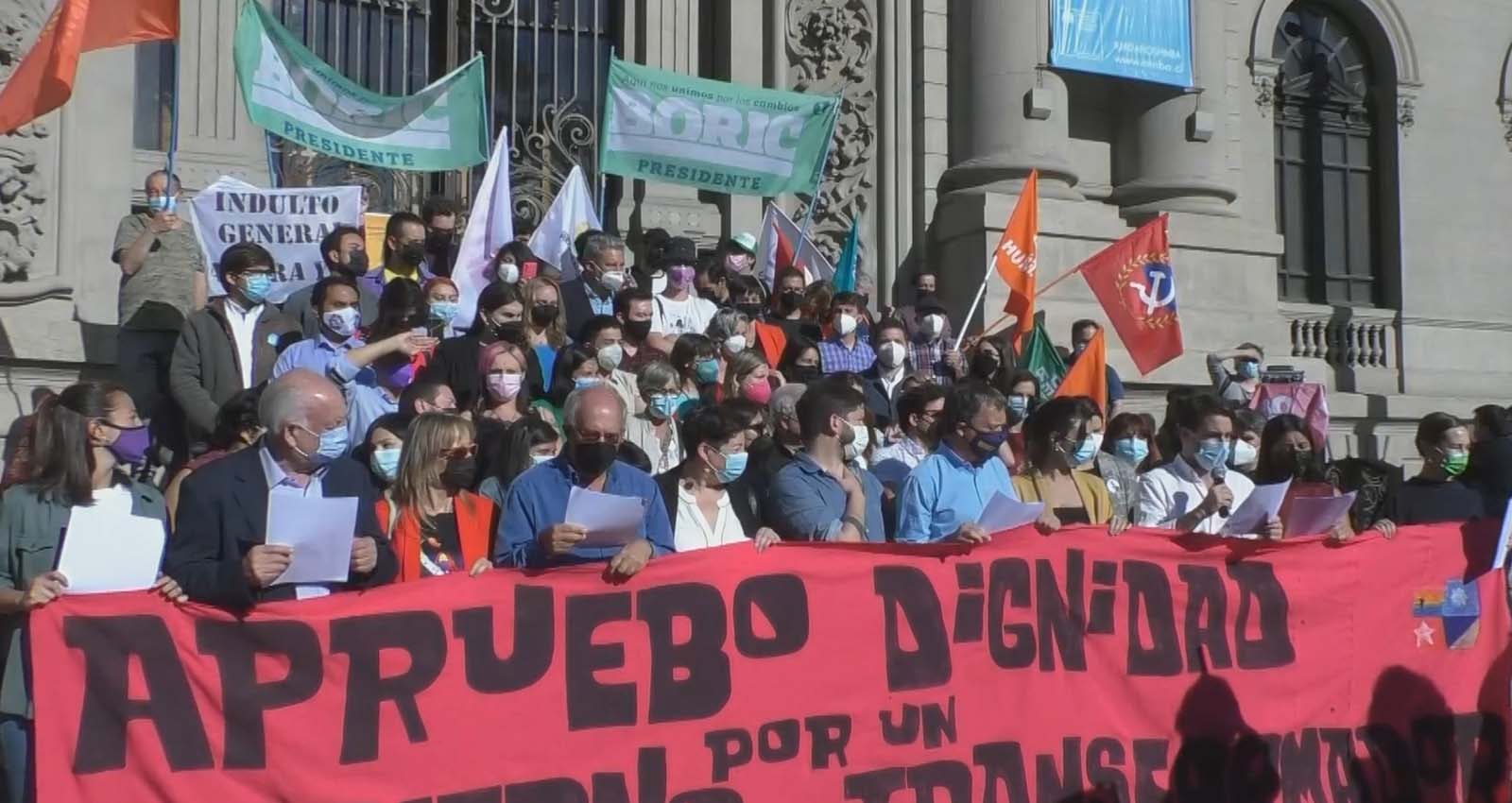
The advance of left-wing, progressive parties in Latin America is driven by the mismanagement of the pandemic, the economic crisis, and the failure of right-wing populism in the region, observes Valesca Lima Read more
Fred Paxton
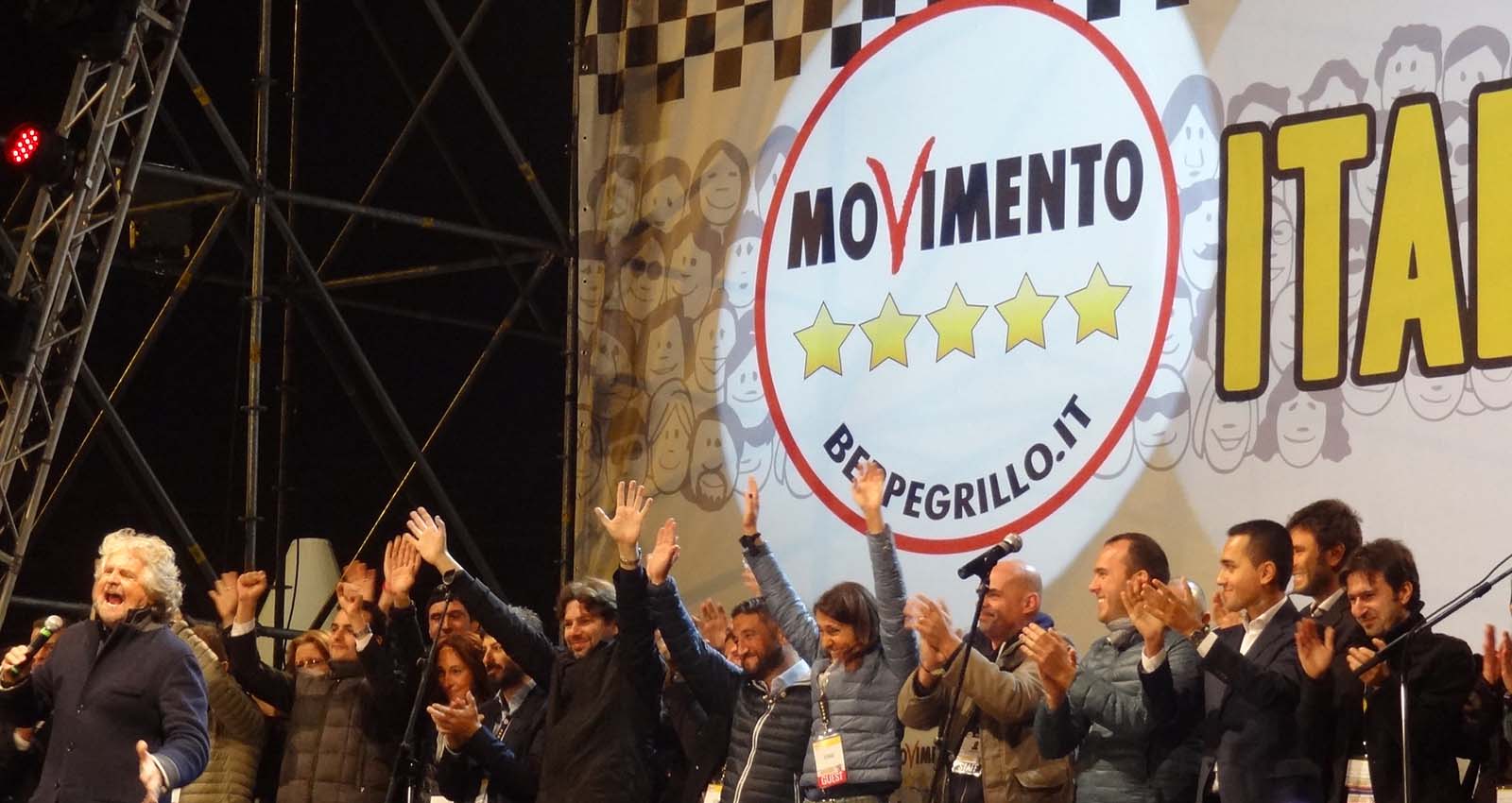
Italian populists’ focus on ‘the will of the people’ has frequently contradicted their ideological priorities towards migration, Fred Paxton and Andrea Pettrachin find. The perception of local attitudes to immigration and issue salience are the determining factors in how populists in local government make their decisions Read more
Martin Bull
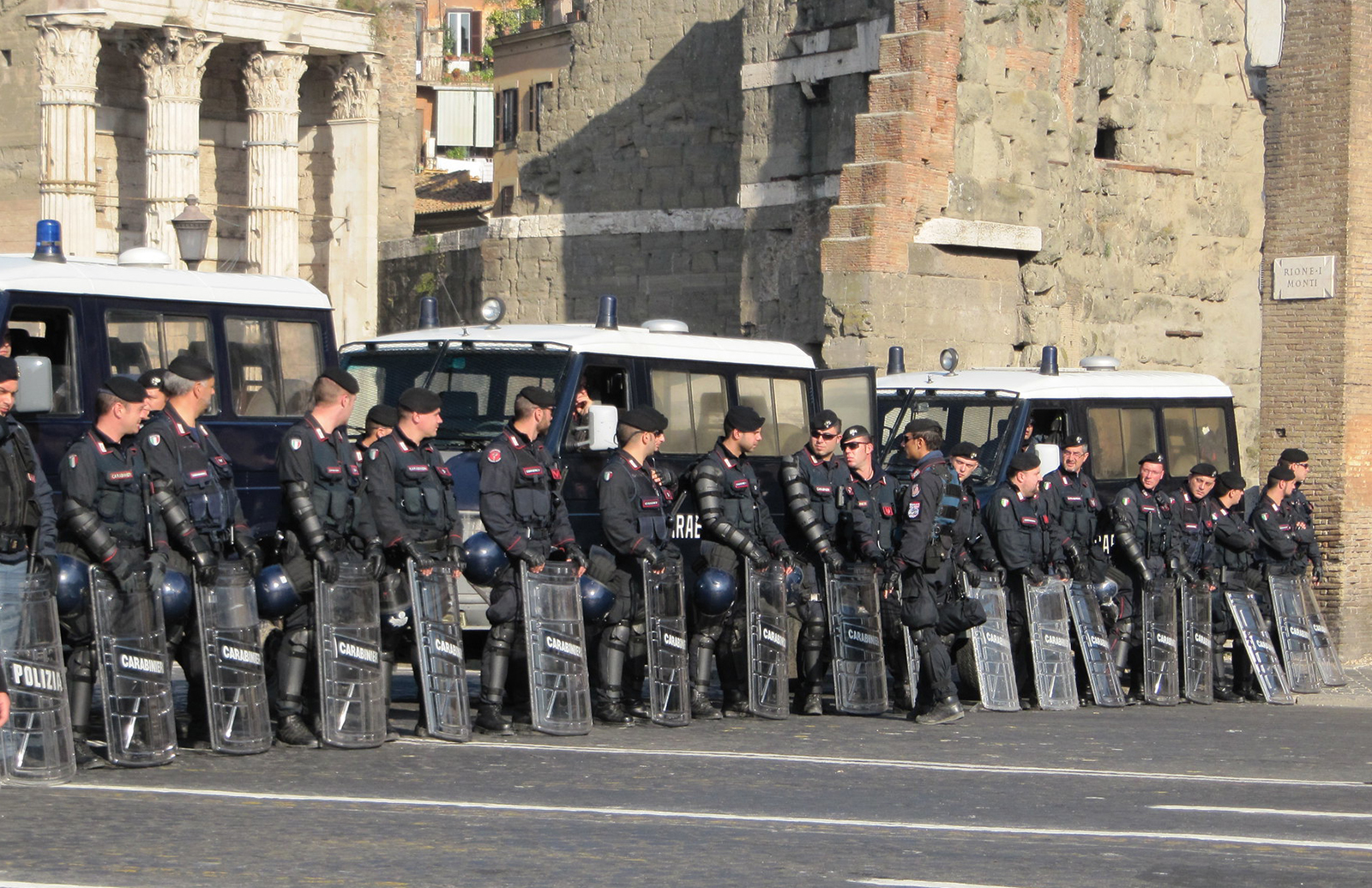
Protests have broken out in Rome against the extension of Italy’s Covid Green Pass to the workplace. They quickly deteriorated into violence and assault, exploited by the fascist group Forza Nuova. This, argues Martin Bull, has reignited the debate about Italy’s fascist heritage, and led to calls on Prime Minister Draghi to dissolve the group Read more
Manès Weisskircher
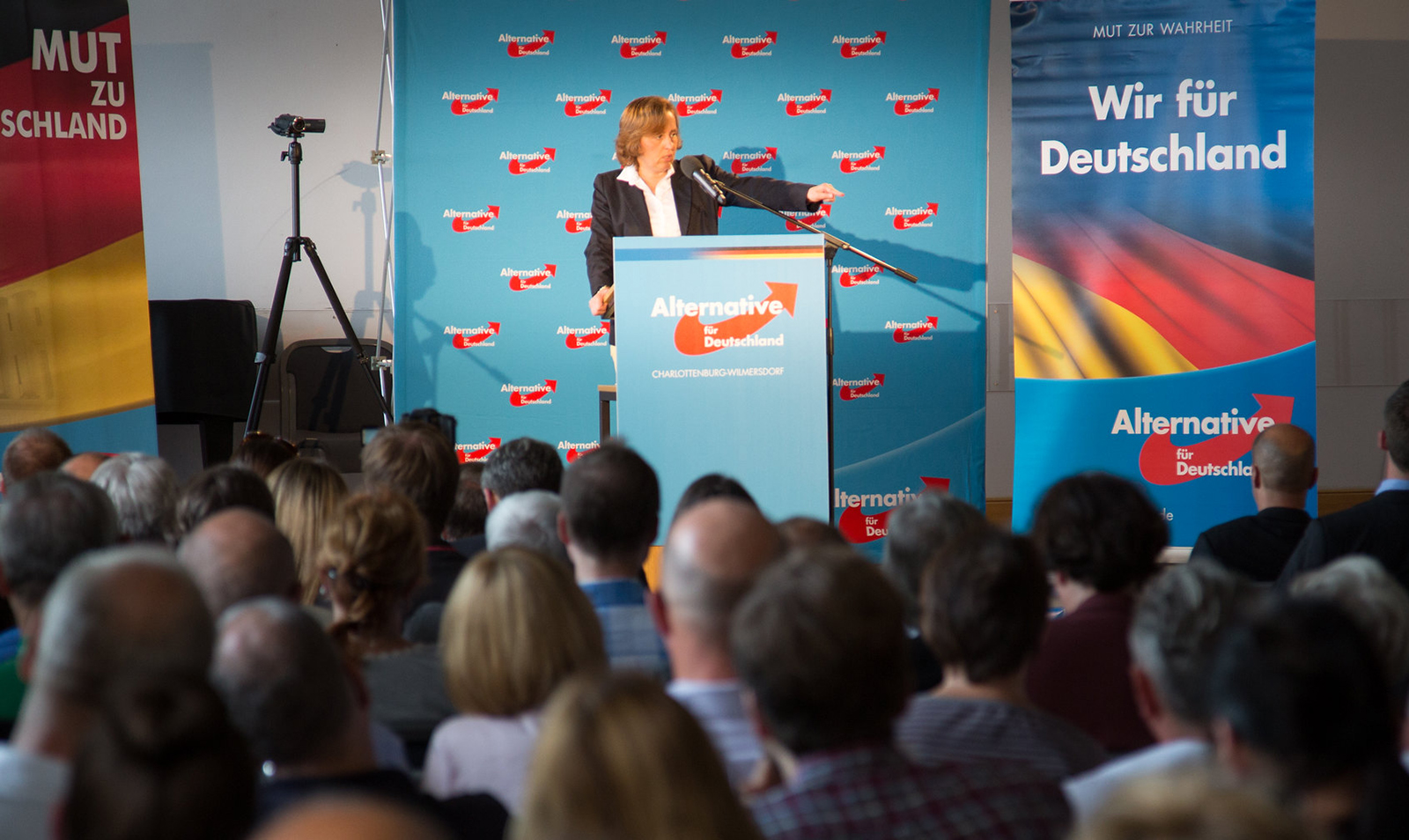
Alternative für Deutschland is not expected to make gains at this Sunday’s general election in Germany, yet it is essential to scrutinise the party’s strongholds, writes Manès Weisskircher. AfD’s strength in the east is not just relevant for the party's future. It may also shape German politics in the medium term Read more
We use cookies to ensure that we give you the best experience on our website. If you continue to use this site we will assume that you are happy with it.