Luca Manucci
We have, in the intellectual world, spent much time trying to understand populism, fascism, illiberalism and the processes of autocratisation. Now, argues Luca Manucci, it is time to debate and establish the best strategies to fight against these tendencies and establish democratic resilience Read more
Kandida Purnell
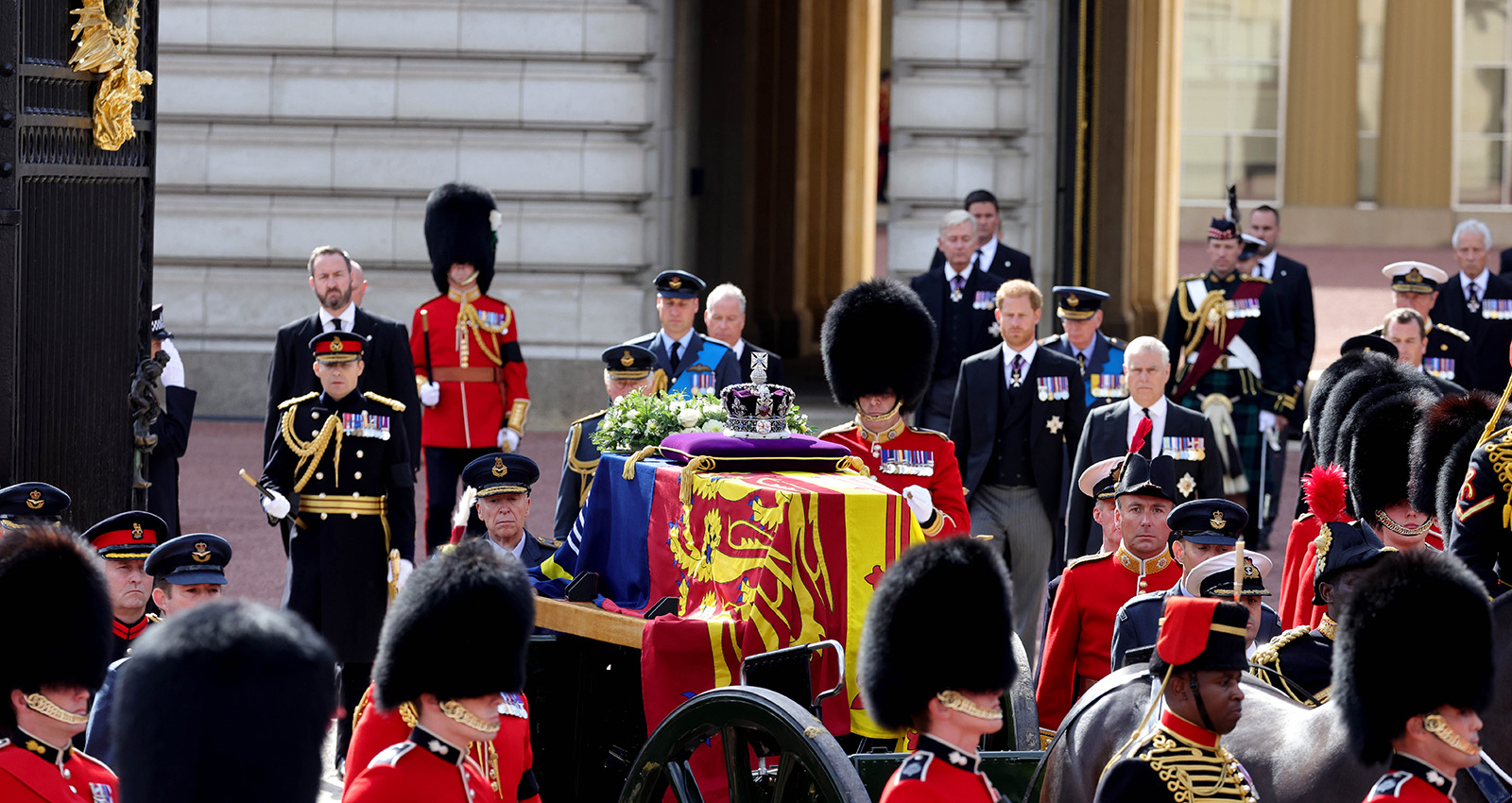
Kandida Purnell explains the significance of the transition between the death of Queen Elizabeth II and the crowning of King Charles III. There is a strange (yet strategic) legal-theological history and tradition which gives the UK's monarch two ‘bodies’. In doing so, it breathes life into the still commonly deployed metaphorical ‘body politic’ Read more
Francesca Melhuish
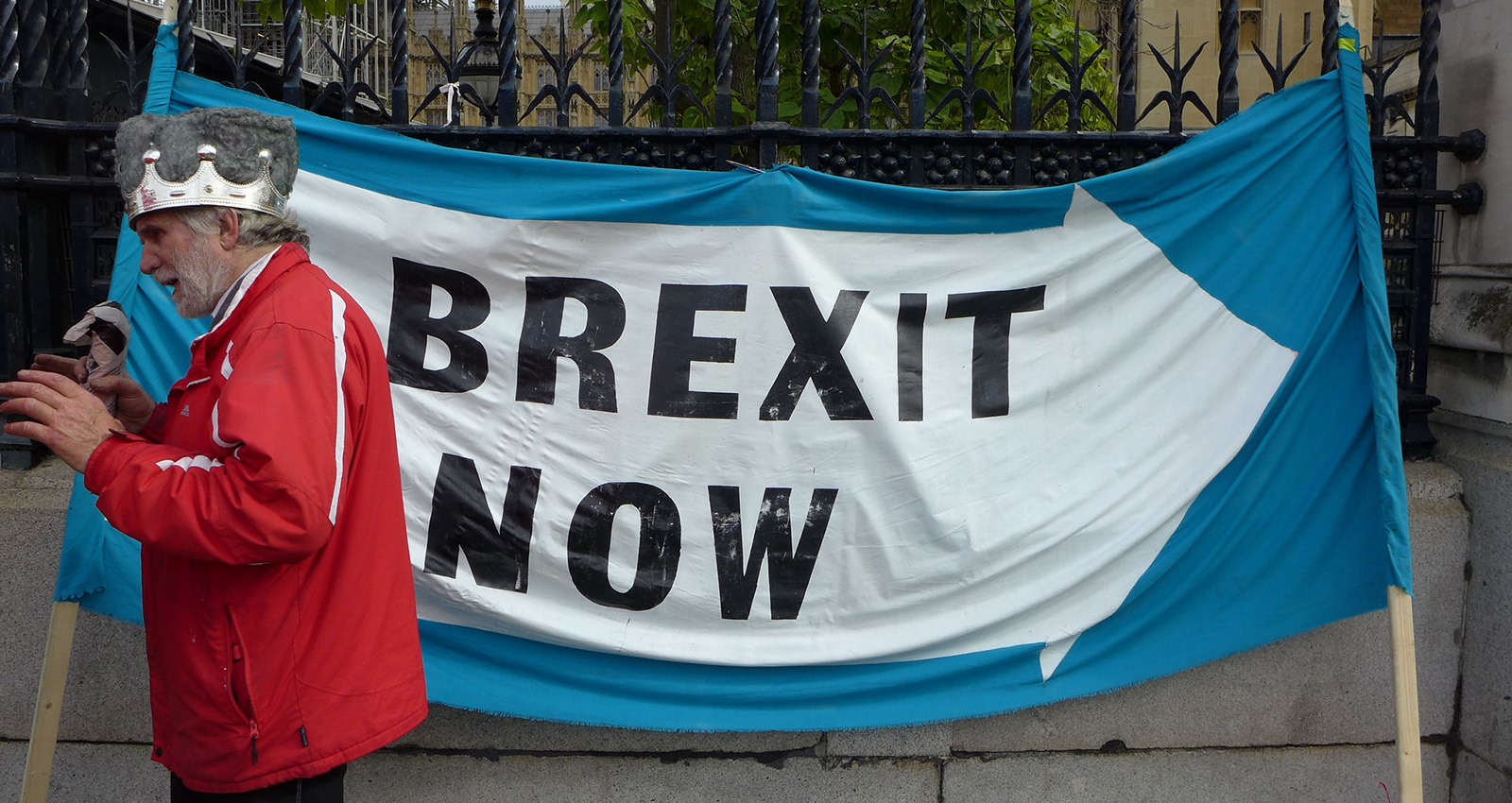
We often consider nostalgia – the emotional sense that things were better in the past – as the opposite of future orientation. But nostalgia’s relationship with time is more complicated. Francesca Melhuish explores this relationship as it relates to Brexit, and how it helps us to understand the emotional appeal of temporal narratives of the nation Read more
Trym Nohr Fjørtoft
Have we had enough of experts? Covid-19 revealed how expertise doesn't necessarily translate into public acceptance of the right to make decisions in the public interest. Trym Nohr Fjørtoft and Asimina Michailidou explore the conditions under which expert agencies secure public legitimacy. Their conclusion? It's about striking the right balance Read more
Andrea Pritoni
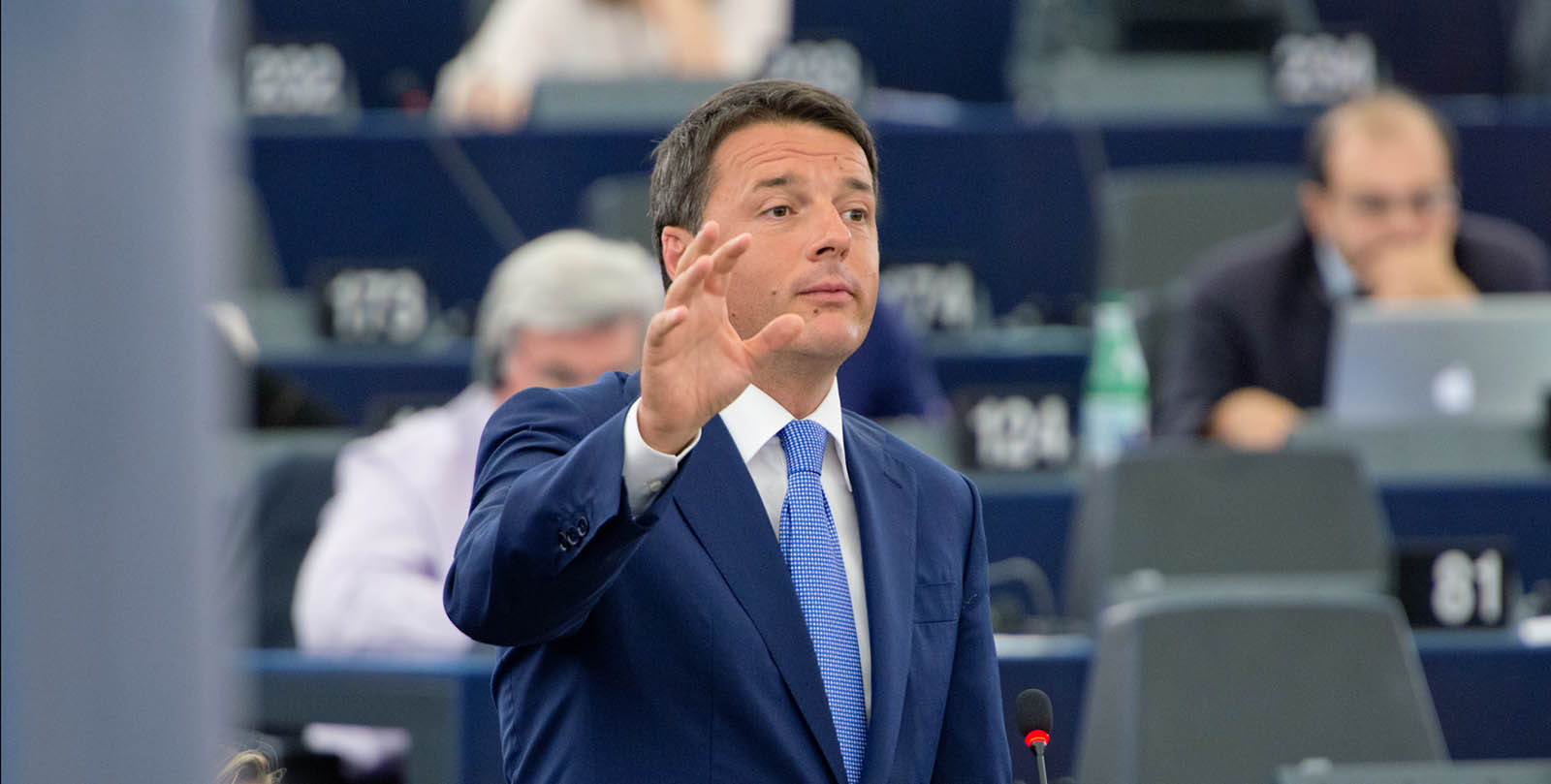
Political scientists are typically accused of remaining in their ivory towers. YePolitical scientists are often accused of hiding away in ivory towers, yet their participation could significantly enhance public debate. Andrea Pritoni and Giulia Vicentini analyse one such case, in Italy. In so doing, they discover a missed opportunity to increase the social relevance of the disciplinet their participation could enhance public debate and increase the social relevance of the discipline. Andrea Pritoni and Giulia Vicentini analyse one such case, in Italian public debate, and discover a missed opportunity Read more
Stuart Wilks-Heeg
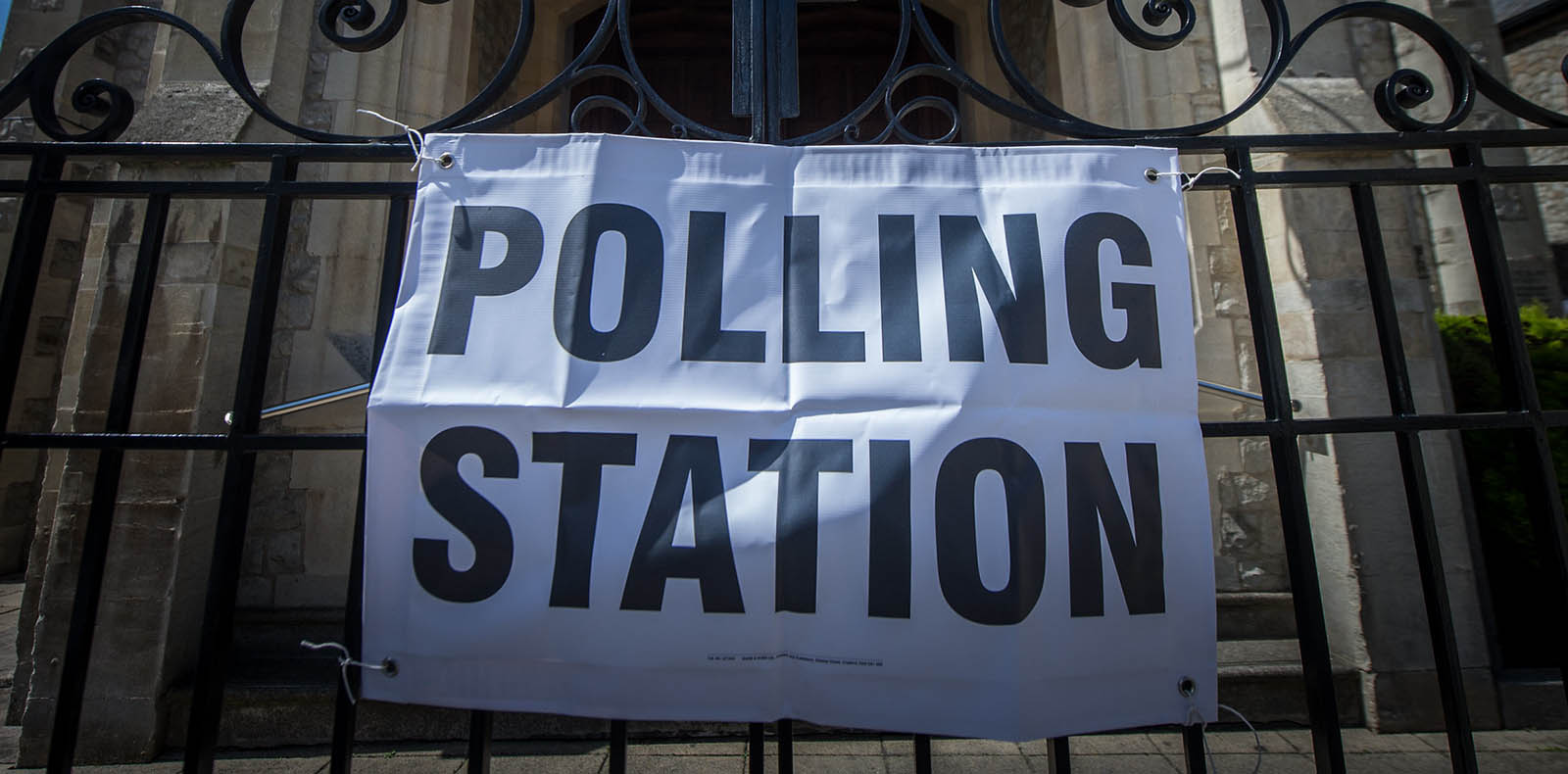
BBC general election night programmes since the 1950s have become increasingly frontloaded with discussion of projected results. Stuart Wilks-Heeg and Peter Andersen explain how this shift has developed in tandem with exit polling, and consider the implications for how the politics of election night unfolds Read more
Alexander Dukalskis
Authoritarian states deliberately use a number of tools to manage their image internationally, writes Alexander Dukalskis. Creating positive news, distracting and silencing critique, and shaping elite opinion help make the world safer for dictatorships Read more
Ruairidh Brown
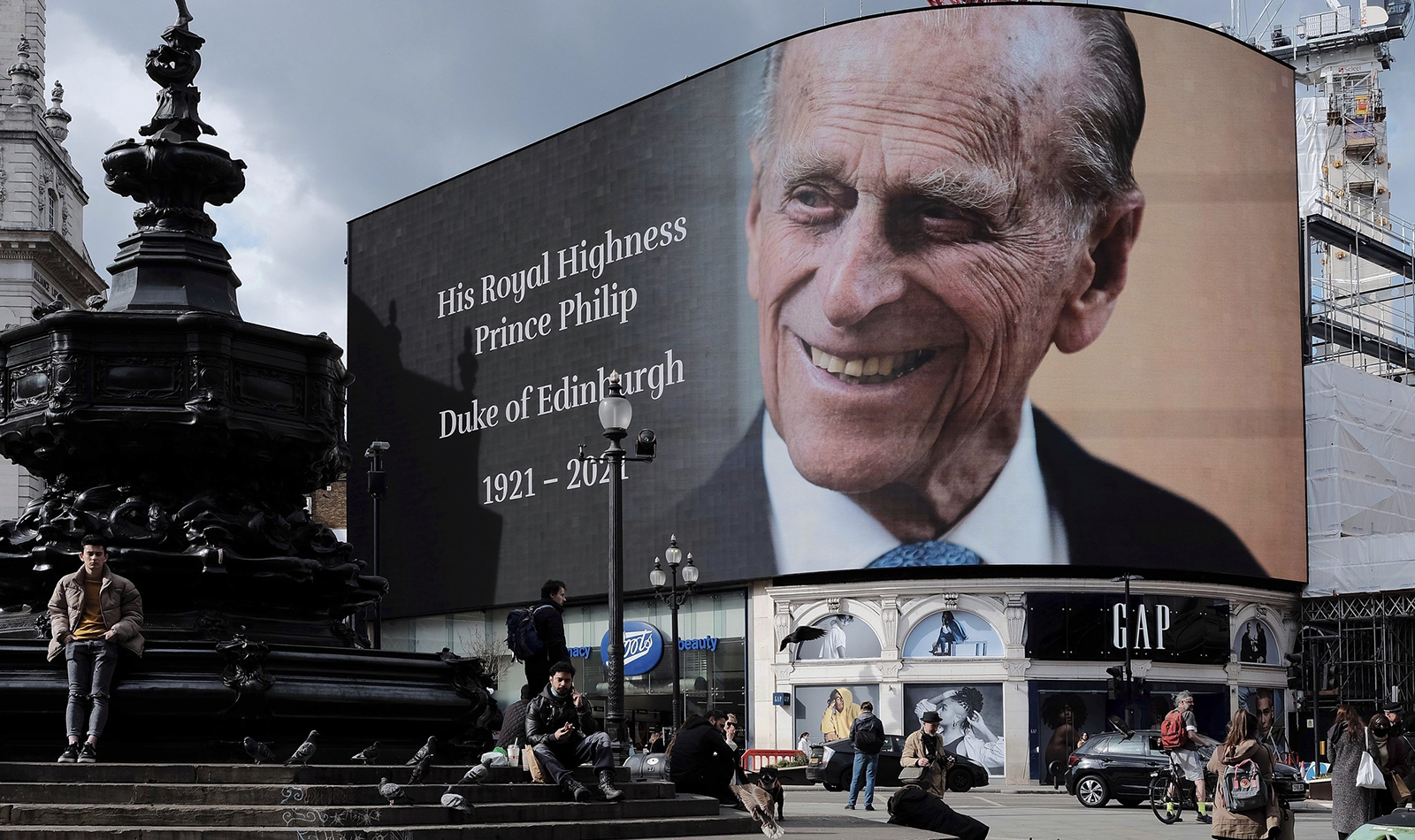
As coverage of Prince Phillip's death becomes the most complained about event in British television history, Ruairidh Brown argues that, despite its role as the UK’s national public broadcaster, the BBC must avoid normative attempts to dictate public sentiment Read more
We use necessary cookies to make our site work. We'd also like to set analytics cookies that help us make improvements by measuring how you use the site. These will be set only if you accept.
▼
Strictly Necessary Cookies
Necessary cookies enable core functionality such as security, network management, and accessibility. You may disable these by changing your browser settings, but this may affect how the website functions.
▼
Analytics Cookies
Google Analytics
We'd like to set Google Analytics cookies to help us improve our website by collecting and reporting information on how you use it. The cookies collect information in a way that does not directly identify anyone. For more information on how these cookies work please see our Privacy Notice.