Michal Grahn
Far-right parties are growing increasingly hostile towards LGBTQ rights. In the forthcoming European Parliament elections, such parties are expected to gain significant ground. Michal Grahn shows that non-straight voters might, through mobilisation, help keep far-right forces at bay Read more
Vasabjit Banerjee
Pakistan’s recent elections have produced a two-party ruling coalition, and seemingly ended the confrontation between ex-Prime Minister Imran Khan and his former backers, the military. Yet, while the military’s role as a veto player in Pakistani politics remains unquestioned, its grip is shakier, argue Vasabjit Banerjee and Adnan Rasool. Read more
Jan Philipp Thomeczek
Jan Philipp Thomeczek argues that European left-wing populist parties become more moderate as a consequence of their participation in government. Here, he draws on recent examples from Spain, Greece and Germany. Read more
Olga Vlasova
Olga Vlasova delves into the intricacies of economic sanctions termination. Scrutinising global data and exploring historical precedents, she uncovers the complexities surrounding the lifting of sanctions, and how rarely they are lifted. Her analysis offers valuable insights for policymakers navigating the delicate balance of international relations. Read more
Claudia Wiehler
Violent local conflicts over land and resources are taking place almost exclusively in civil war-affected societies. Claudia Wiehler and Sebastian van Baalen argue that analysts and peacebuilding practitioners therefore need to involve civil war parties in communal conflict management and resolution — and view them as potential conflict management parties. Read more
Marcel Plichta
The spate of coups in the Sahel has been advantageous for Russia. Marcel Plichta and Christopher Faulkner argue that Moscow's mercenaries in the Sahel aren't to blame for the democratic retrenchment, but their presence is insulating and emboldening military dictators on their path to autocratic consolidation. Read more
Andrea Ceron
Analysing posts on Facebook and Twitter-X, Andrea Ceron, Silvia Decadri, and Fedra Negri highlight how Italian politicians use populist rhetoric to generate engagement. They find that such rhetoric does indeed increase the likelihood of posts going viral, even among non-populist voters Read more
Jaap Hoeksma
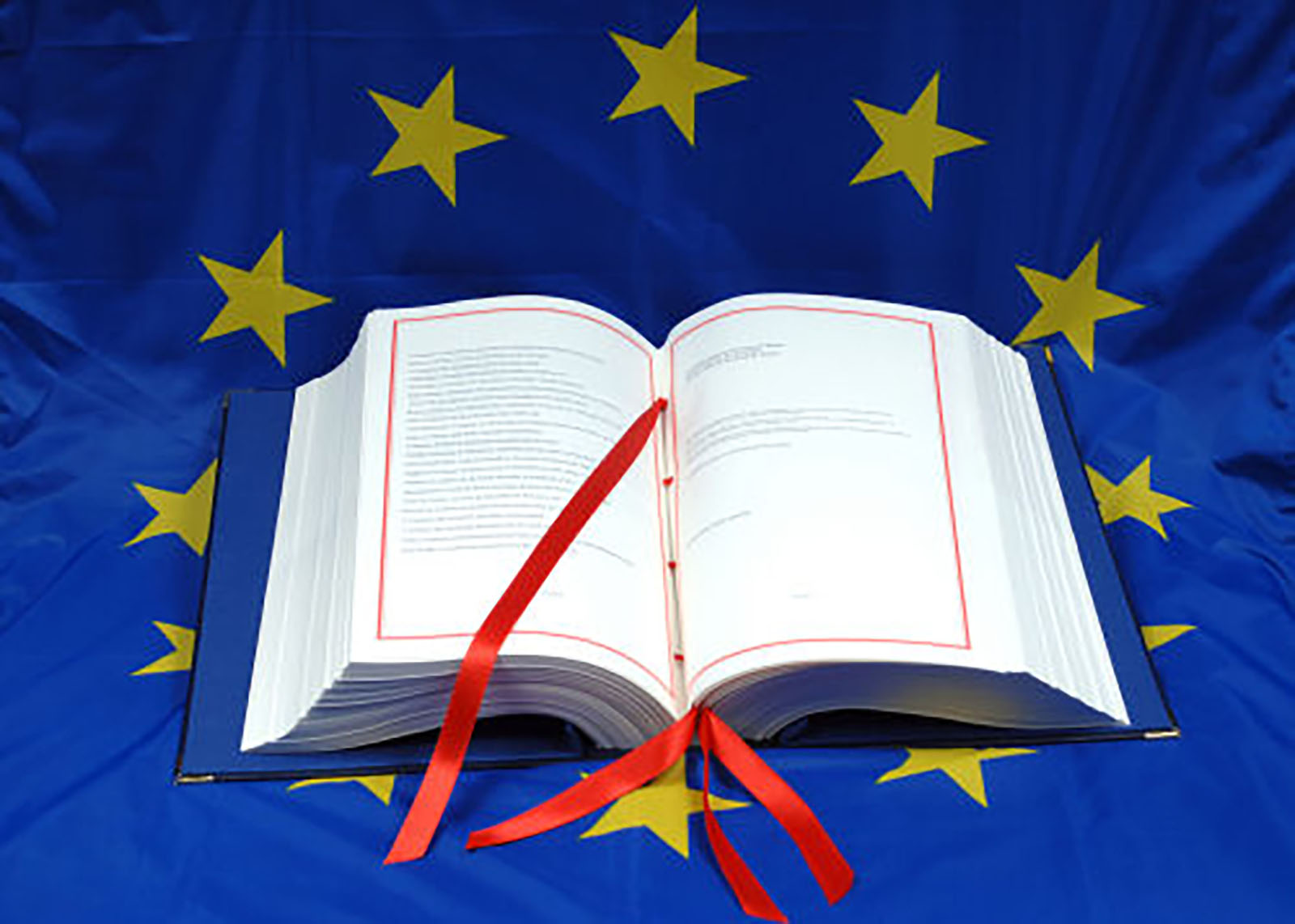
As we approach the the European Parliament elections, from 6–9 June, Jaap Hoeksma argues that the European Union has resolved its problems of democratic legitimacy by becoming a democratic international organisation Read more
We use necessary cookies to make our site work. We'd also like to set analytics cookies that help us make improvements by measuring how you use the site. These will be set only if you accept.
▼
Strictly Necessary Cookies
Necessary cookies enable core functionality such as security, network management, and accessibility. You may disable these by changing your browser settings, but this may affect how the website functions.
▼
Analytics Cookies
Google Analytics
We'd like to set Google Analytics cookies to help us improve our website by collecting and reporting information on how you use it. The cookies collect information in a way that does not directly identify anyone. For more information on how these cookies work please see our Privacy Notice.