Will Jennings
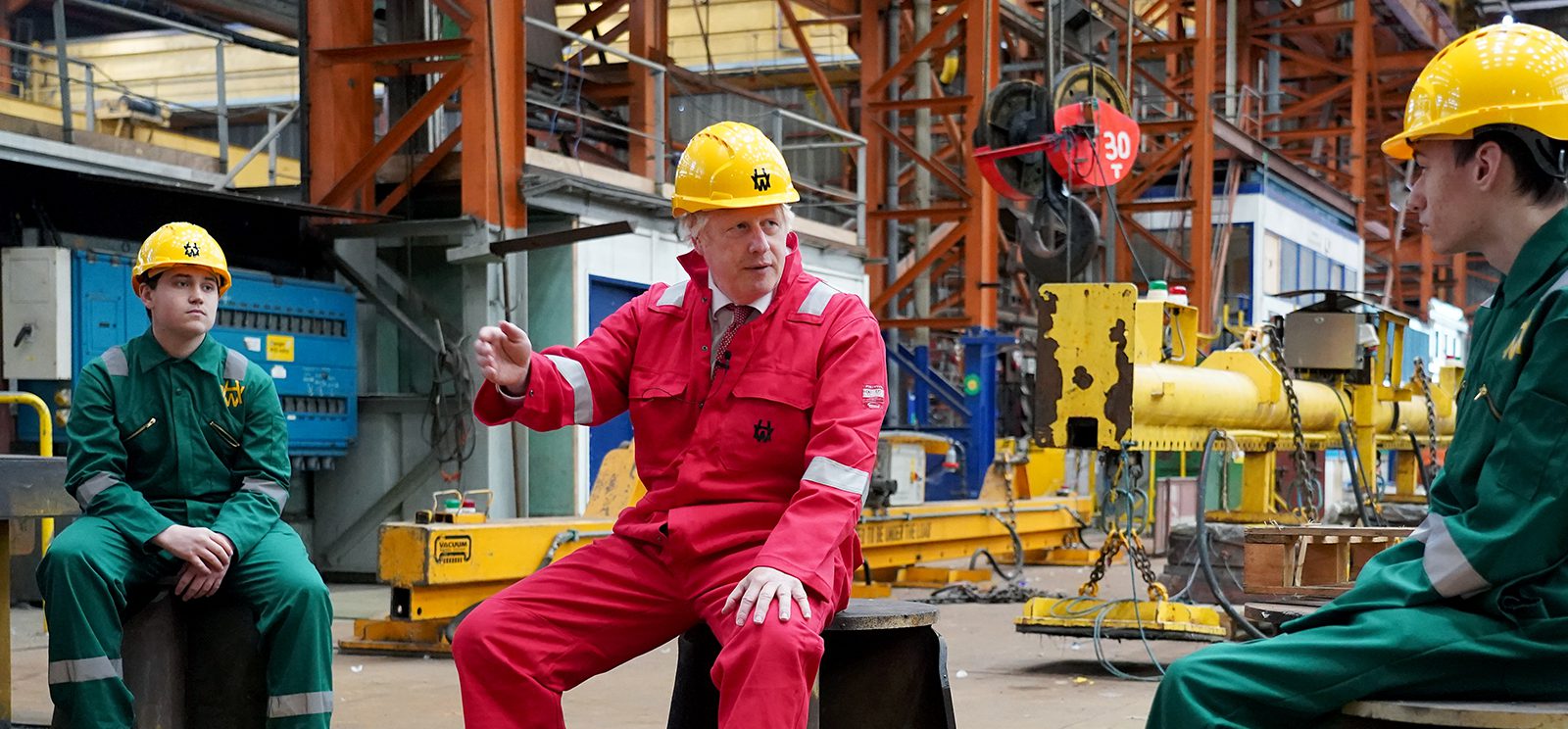
Prime Minister Boris Johnson is committed to a politics of ‘levelling up’ as the defining ambition of his government. Will Jennings, Lawrence McKay and Gerry Stoker argue that this may prove to be a long-lasting policy agenda, albeit one more of symbolism than substance Read more
James F. Downes
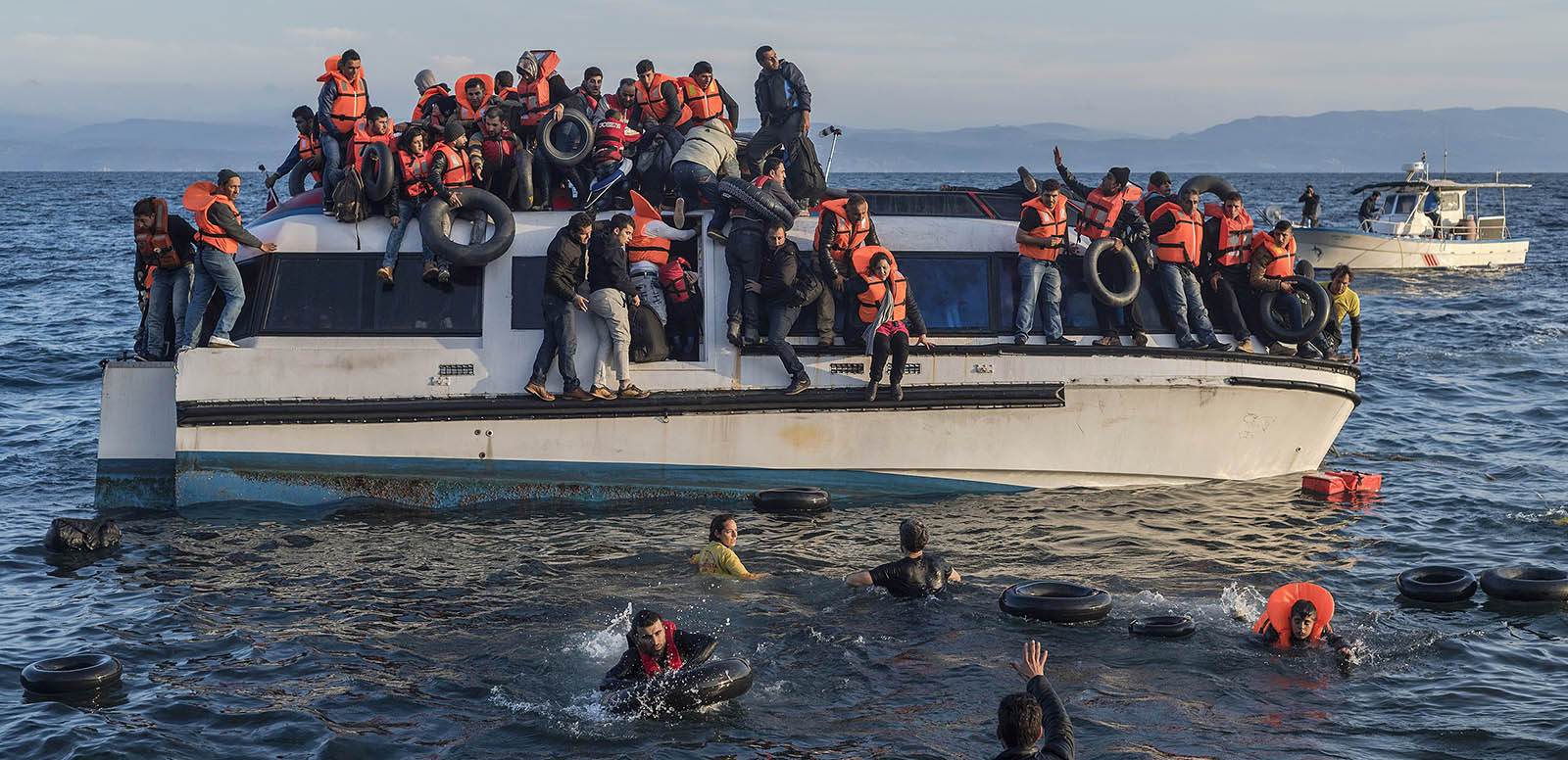
To guard against vote loss, parties of the centre right are taking a tough stance on immigration. James F. Downes, Matthew Loveless and Andrew Lam argue that such parties risk bringing far-right ideology into the political mainstream, and undermining the very tenets of liberal democracy they profess to uphold Read more
Kristian Vrede Skaaning Frederiksen
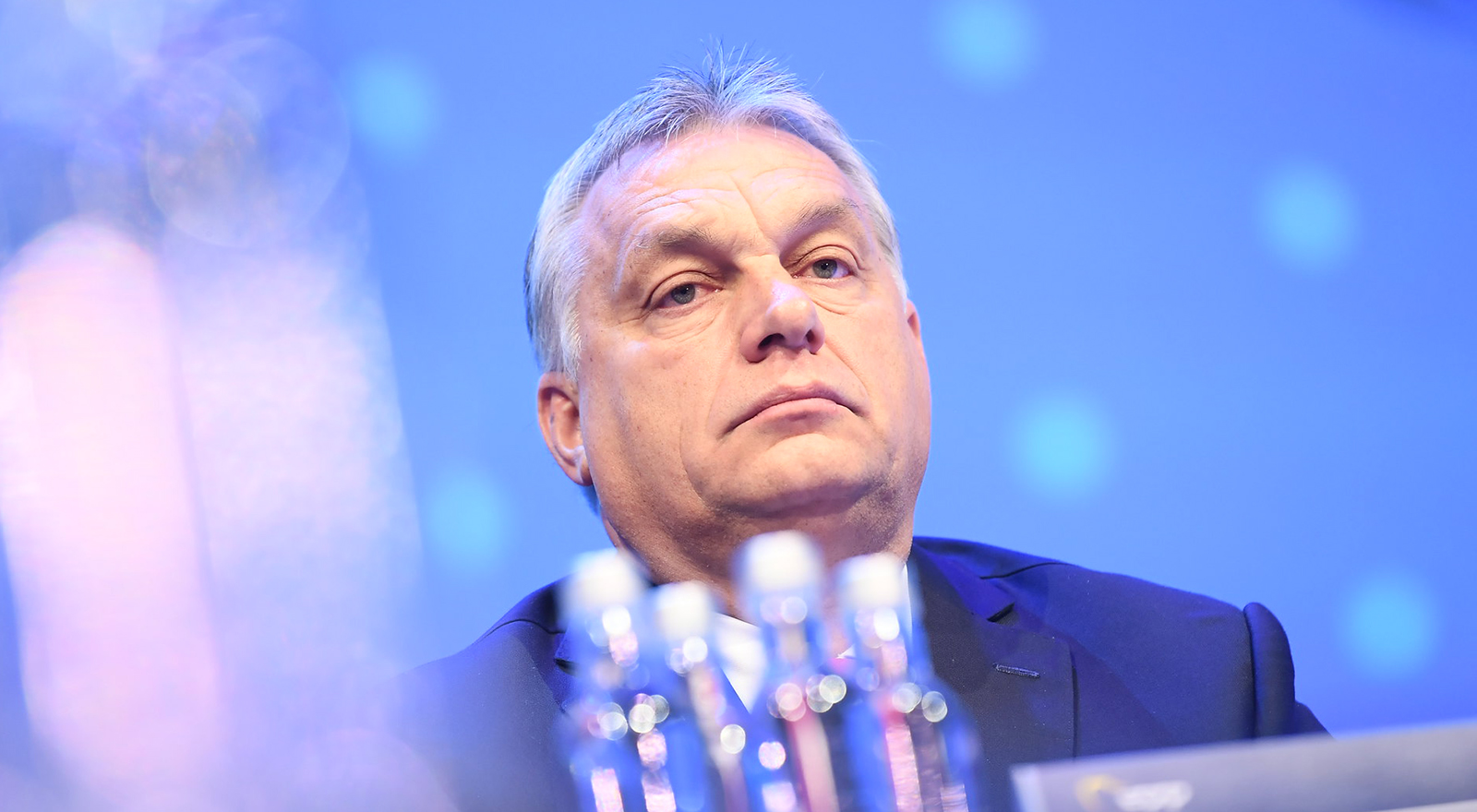
Citizens of young democracies sanction governments for violating democratic principles. However, as Kristian Vrede Skaaning Frederiksen finds, in new research based on data from 43 countries, citizens of old democracies do not. Given recent attacks on democracy across the world, the insights are important for policymakers as well as citizens Read more
Andrés Santana
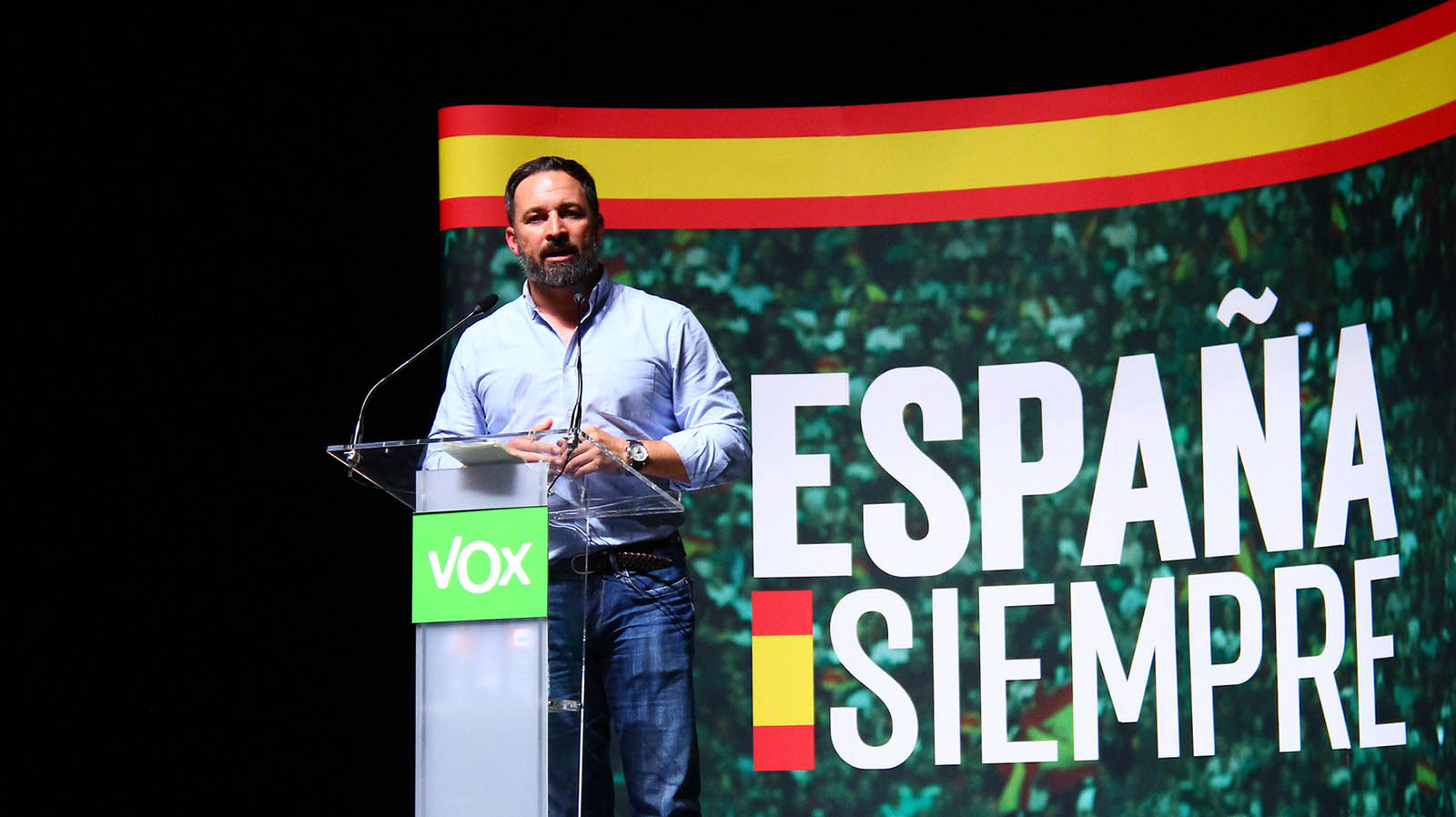
VOX has grown to become the third-largest political party in Spain. Its success means the country can no longer claim to be untouched by the rise of the European populist radical right, argue Andrés Santana, Lisa Zanotti, José Rama and Stuart Turnbull-Dugarte Read more
Stuart Wilks-Heeg
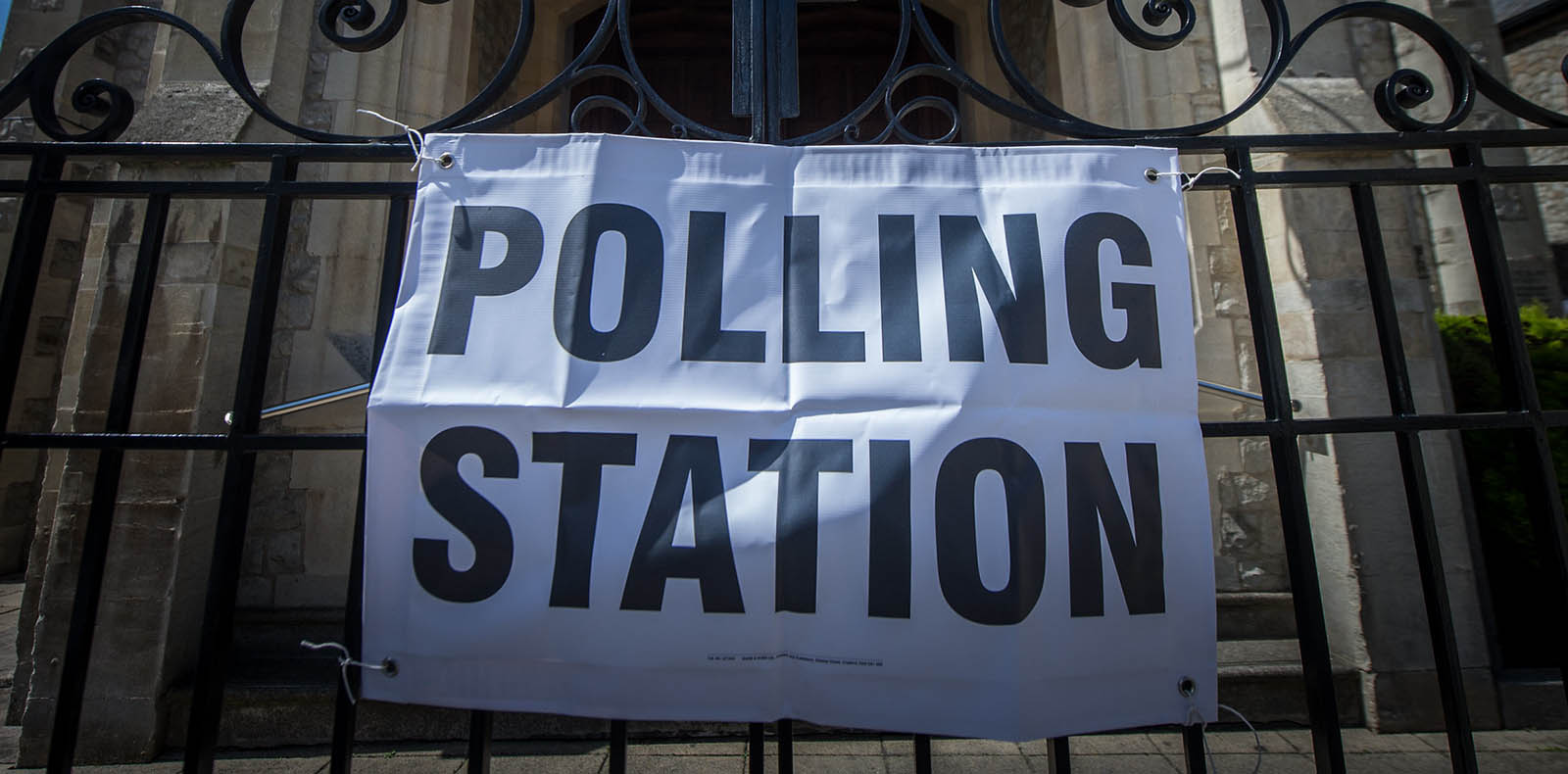
BBC general election night programmes since the 1950s have become increasingly frontloaded with discussion of projected results. Stuart Wilks-Heeg and Peter Andersen explain how this shift has developed in tandem with exit polling, and consider the implications for how the politics of election night unfolds Read more
Samuel Brazys
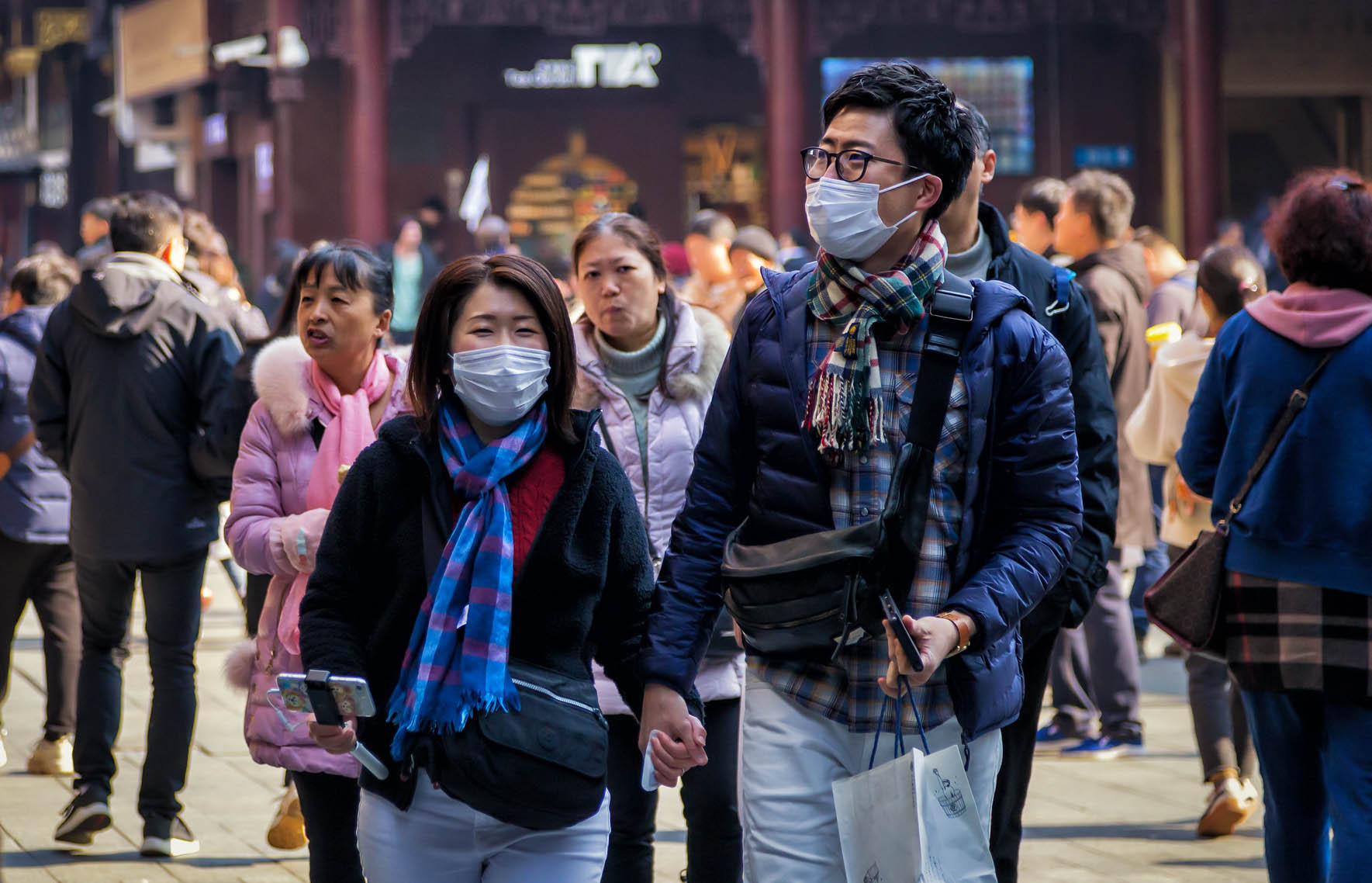
China seeks to control the international narrative on its role in the pandemic. But while Beijing cannot always deflect criticism, its mask diplomacy efforts and external propaganda streams do affect China’s image, write Samuel Brazys, Alexander Dukalskis and Stefan Müller Read more
Fernanda Barasuol
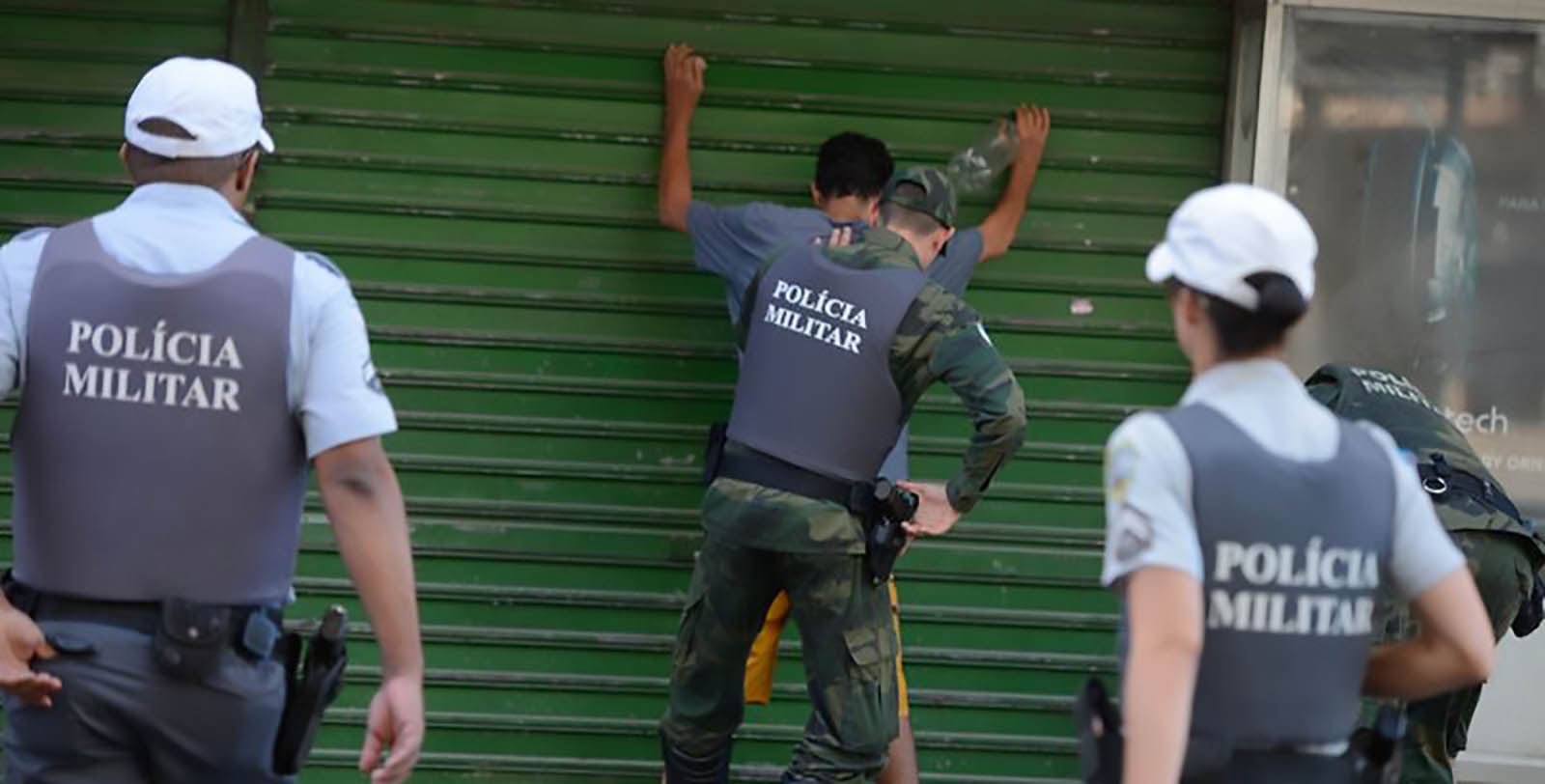
Police brutality is not new in Brazil. But the shocking events at Jacarezinho are also symptomatic of rising conservative politics in the country, write Fernanda Barasuol and Thiago Borne Read more
Stefano Braghiroli
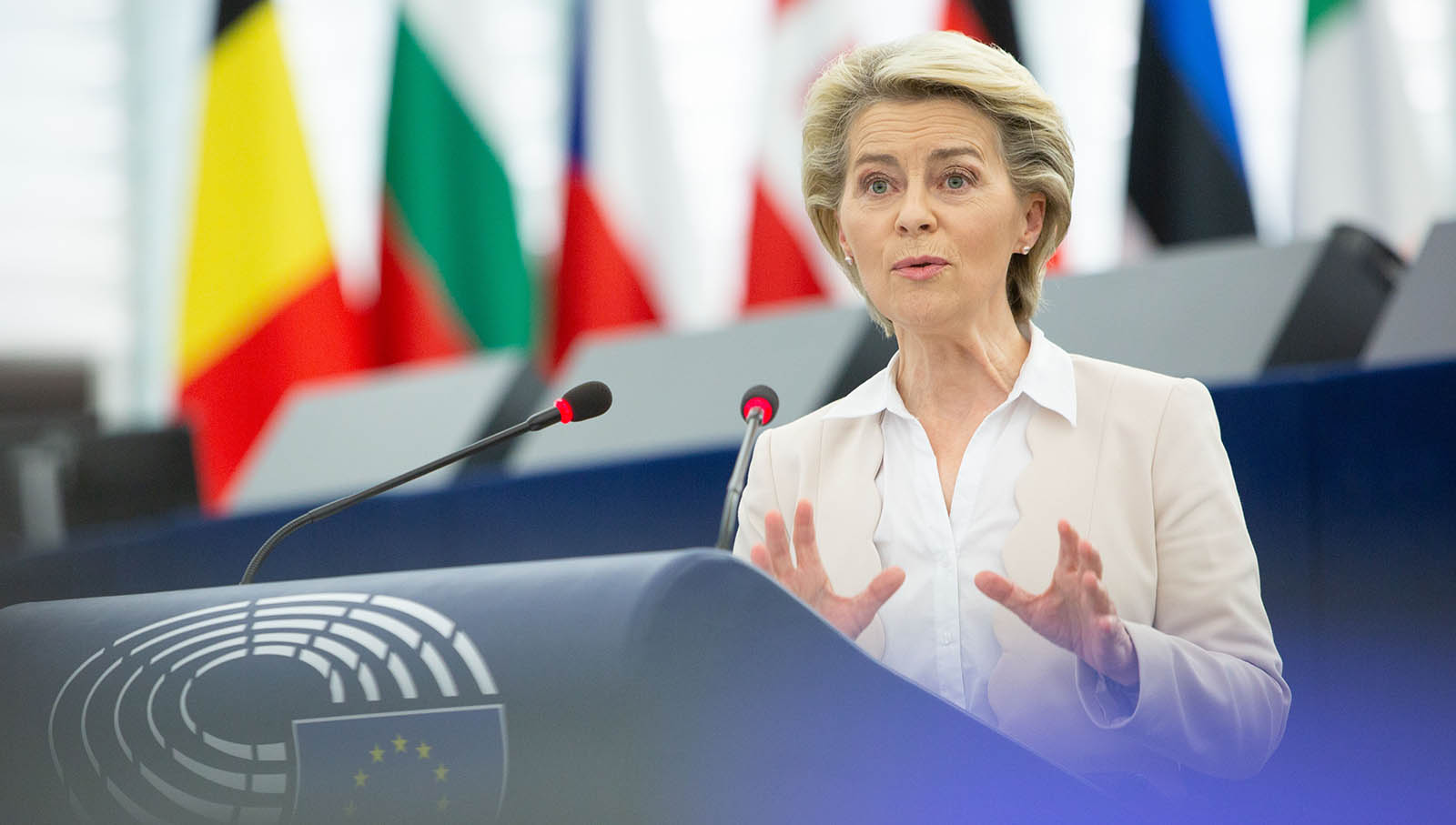
The EU has activated a Covid recovery package worth a staggering €672.5 billion. Observers focus on the role of European capitals, inter-governmental institutions, and the European Commission's coordinating role in delivering it. Yet, argues Stefano Braghiroli, we shouldn't ignore the role of the European Parliament... Read more
We use necessary cookies to make our site work. We'd also like to set analytics cookies that help us make improvements by measuring how you use the site. These will be set only if you accept.
▼
Strictly Necessary Cookies
Necessary cookies enable core functionality such as security, network management, and accessibility. You may disable these by changing your browser settings, but this may affect how the website functions.
▼
Analytics Cookies
Google Analytics
We'd like to set Google Analytics cookies to help us improve our website by collecting and reporting information on how you use it. The cookies collect information in a way that does not directly identify anyone. For more information on how these cookies work please see our Privacy Notice.