Manès Weisskircher
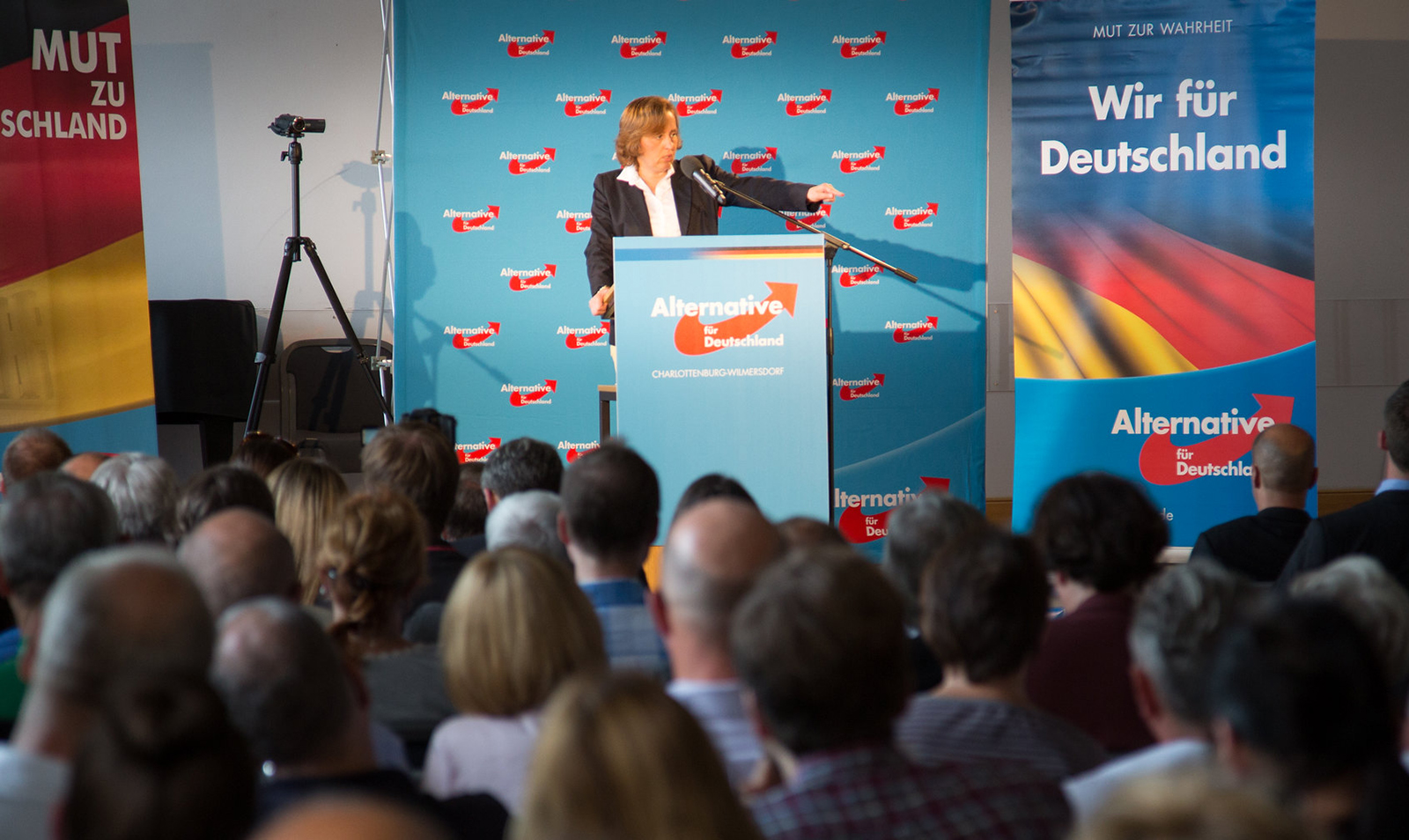
Alternative für Deutschland is not expected to make gains at this Sunday’s general election in Germany, yet it is essential to scrutinise the party’s strongholds, writes Manès Weisskircher. AfD’s strength in the east is not just relevant for the party's future. It may also shape German politics in the medium term Read more
Paolo Gerbaudo
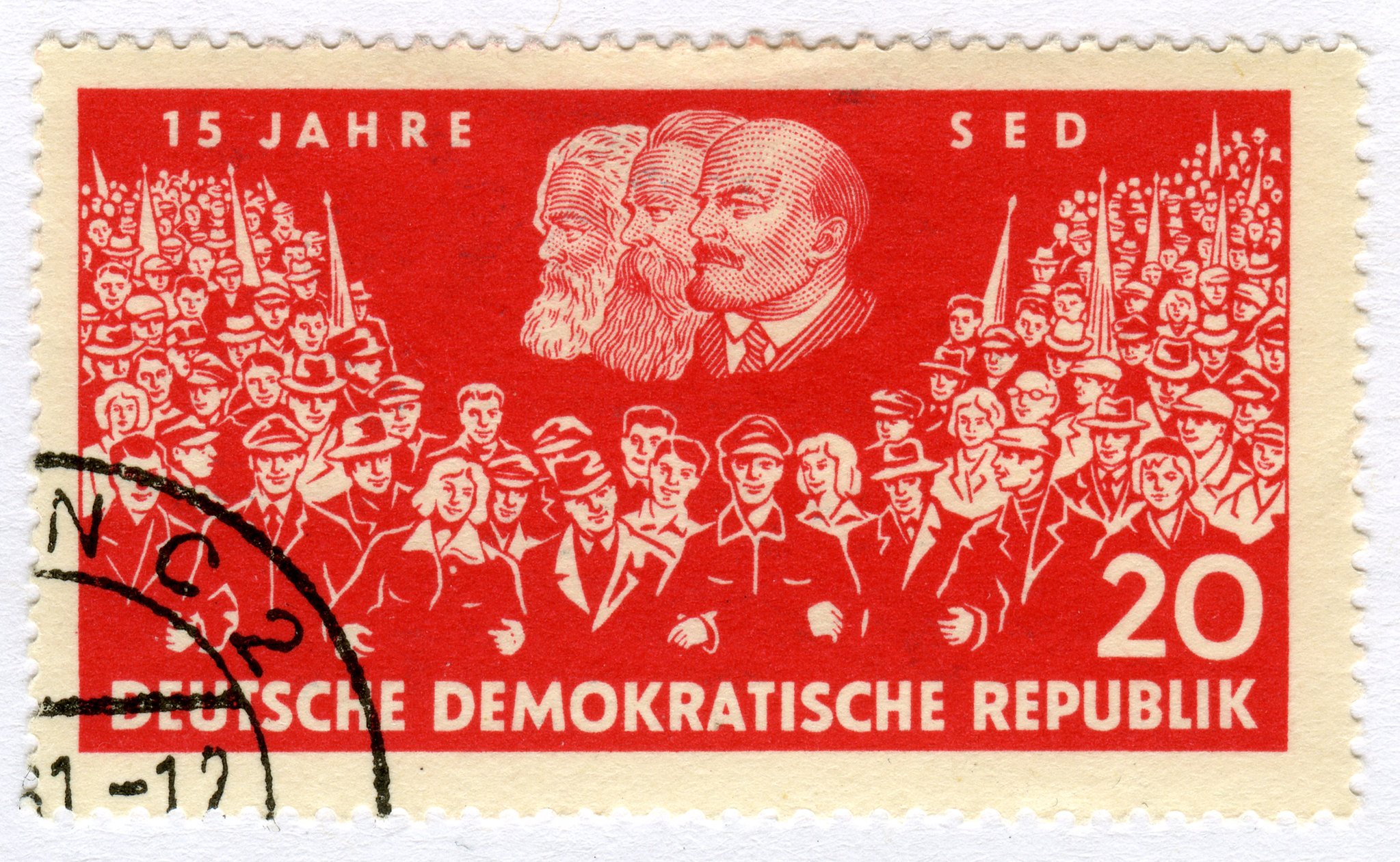
The era of neoliberalism began with Thatcher and Reagan. Paolo Gerbaudo argues that it is crumbling before our eyes. Replacing it is a new era of ‘neo-statism’, the exact parameters of which are not yet fully shaped Read more
Tetsuki Tamura
Tetsuki Tamura argues we need a better and wider concept of democracy to capture democratic practices in unlikely places, such as the family Read more
Johanne Døhlie Saltnes
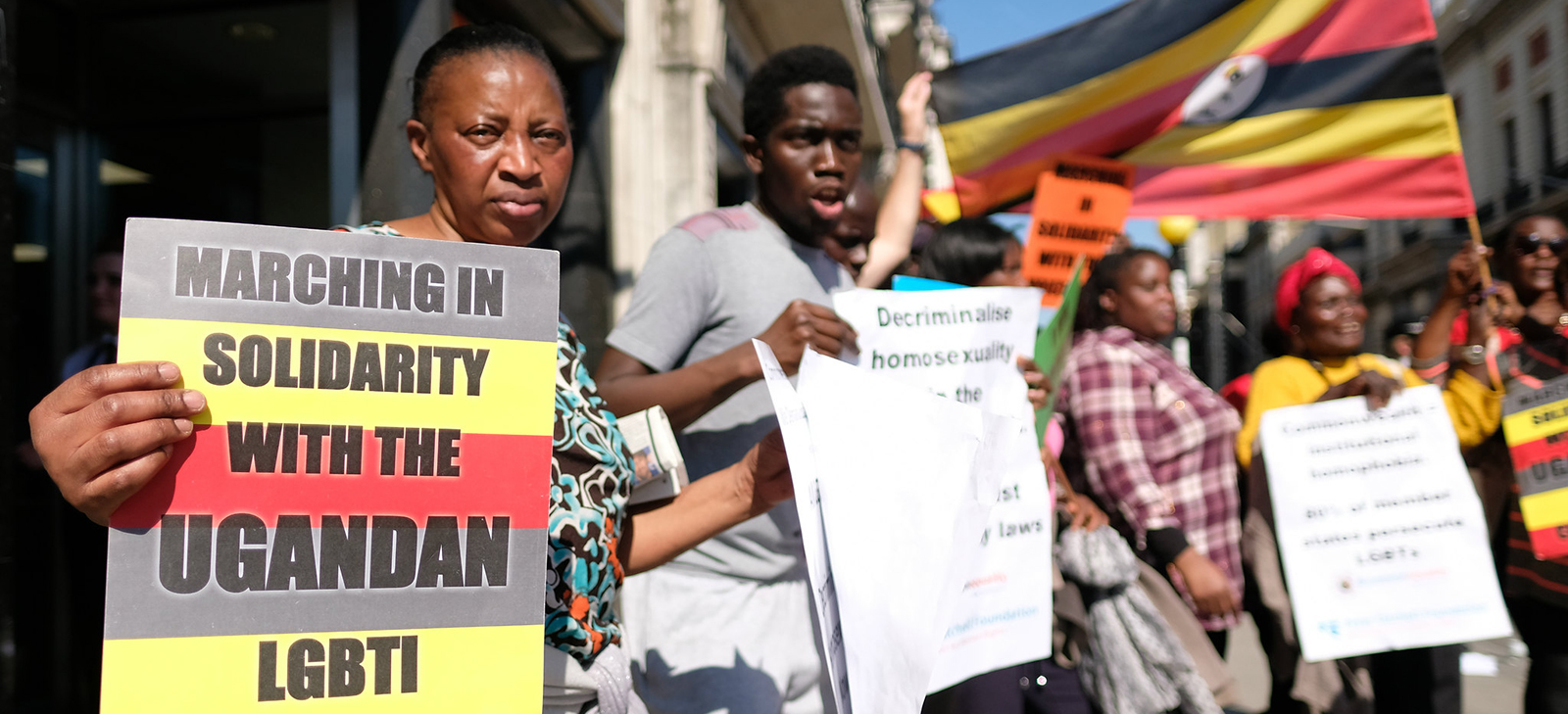
The EU often faces criticism for conducting an inconsistent and arbitrary human rights policy. This critique is misguided and overlooks a more fundamental problem with the policy, argues Johanne Døhlie Saltnes: that it tends to be executive-driven, precluding the participation of individuals and affected groups Read more
Leonardo Morlino
Jean-Paul Gagnon's original blog in this series asked ‘what is democracy?’ Leonardo Morlino brings an empirical perspective to this question. Contextualising and unpacking it, he then develops an empirical strategy of research for democrats to follow Read more
Alexander De Juan
Dictators depend on committed bureaucrats to stay in power. To instil loyalty, some indoctrinate through enforced military service. Alexander De Juan, Felix Haaß, and Jan Pierskalla warn that this strategy can backfire. Rather than creating truly convinced cadres, conscription can help bureaucrats get better at faking loyalty Read more
Dannica Fleuß
Building a ‘dictionary of democracies’, as Jean-Paul Gagnon proposes, will not render a revolution of democratic theory. Yet the data mountain may be a valuable point of departure for a 'decentred' understanding of democracy and, in consequence, for several theoretical, empirical, and political innovations, writes Dannica Fleuß Read more
Gabriella Gricius
States face not just threats to their physical security, but also to their sense of self and biographical continuity. This is what we call securitisation. Understanding the process of securitisation can uncover taken-for-granted colonial and imperial influences that would otherwise remain hidden, writes Gabriella Gricius Read more
We use necessary cookies to make our site work. We'd also like to set analytics cookies that help us make improvements by measuring how you use the site. These will be set only if you accept.
▼
Strictly Necessary Cookies
Necessary cookies enable core functionality such as security, network management, and accessibility. You may disable these by changing your browser settings, but this may affect how the website functions.
▼
Analytics Cookies
Google Analytics
We'd like to set Google Analytics cookies to help us improve our website by collecting and reporting information on how you use it. The cookies collect information in a way that does not directly identify anyone. For more information on how these cookies work please see our Privacy Notice.