Filip Ilkowski
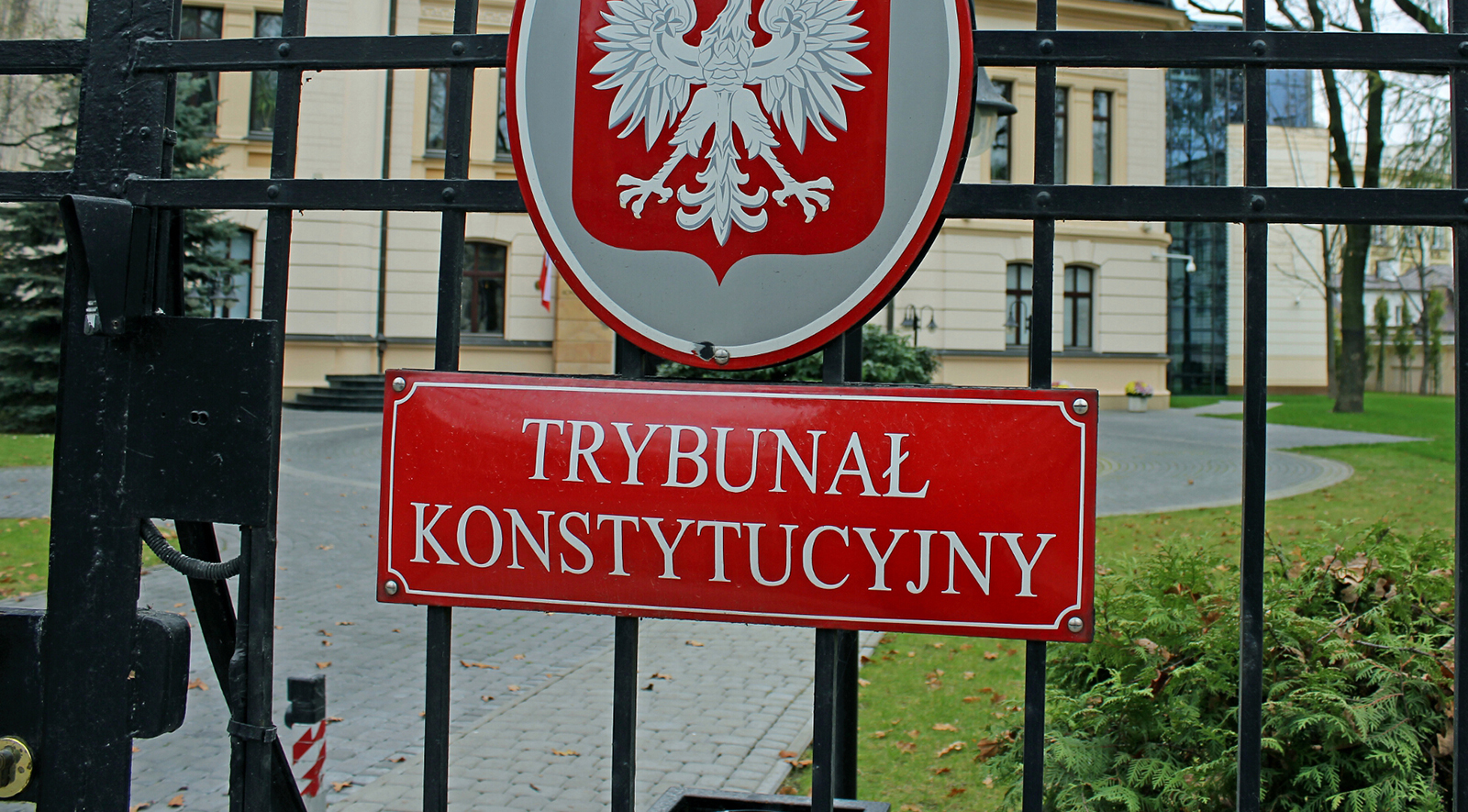
Relations between Poland and the EU have reached a nadir with the recent clash between the Polish Constitutional Court and the European Union Court of Justice. This conflict, argues Filip Ilkowski, reflects much deeper divisions connected to EU geopolitics and ideological clashes in Polish society Read more
Giovanni Capoccia
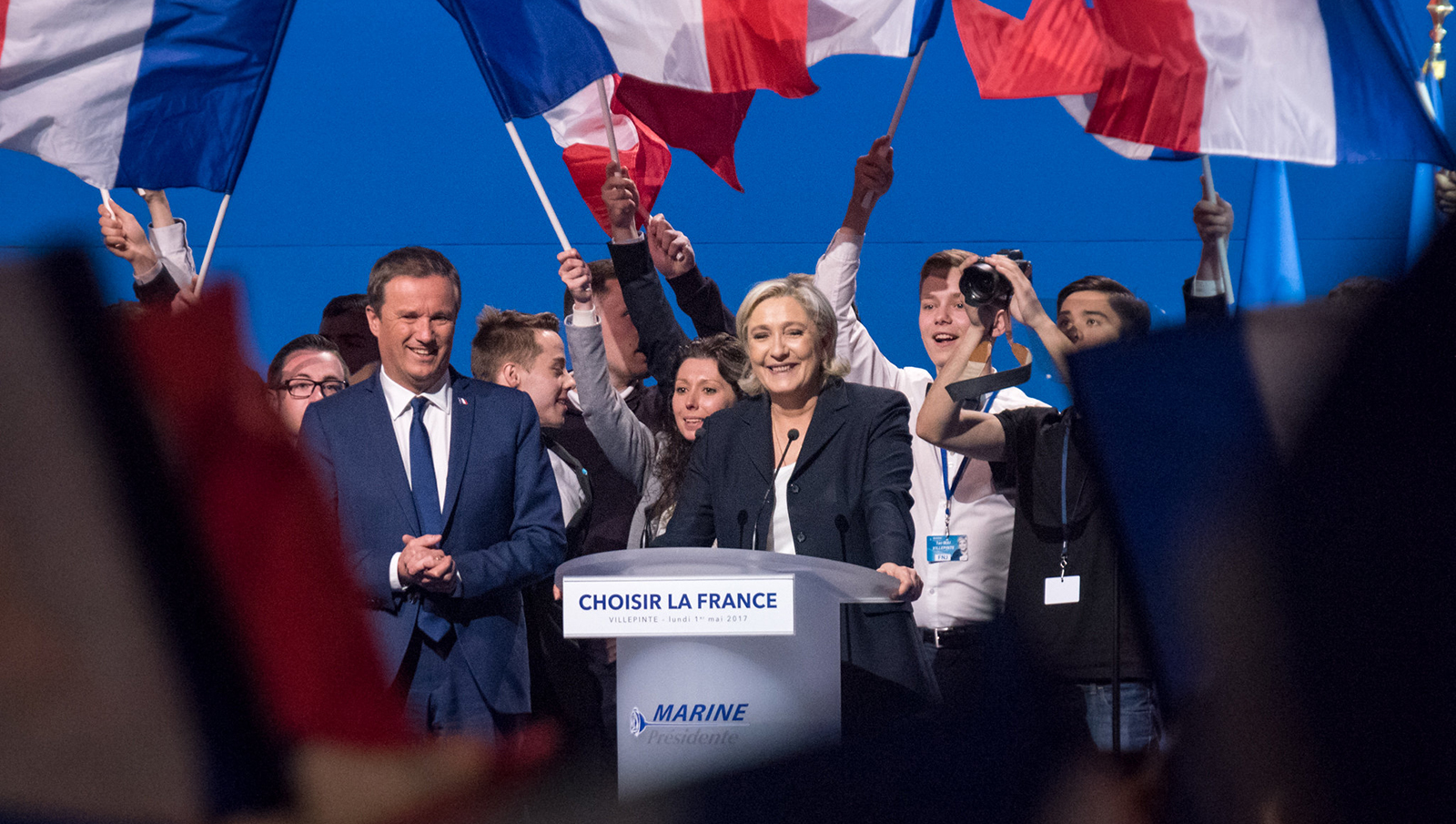
Giovanni Capoccia argues that the 2022 French Presidential elections could constitute a greater threat to the EU than any current challenge. Although unlikely at present, a Eurosceptic French President would precipitate the greatest crisis in the EU’s history – and there is still much to play for Read more
Norma Osterberg-Kaufmann
To strengthen democracy, we need new, innovative thinking, write Norma Osterberg-Kaufmann, Toralf Stark and Christoph Mohamad-Klotzbach. They propose to identify the core norms underlying a universally valid concept of democracy, opening up dialogue between empirical and theoretical approaches, and linking inductive and deductive methods Read more
Mahmoud Javadi
Relations between Iran and Europe are in a pretty poor state. But Mahmoud Javadi argues that there are avenues for improvement through identification of 'shared interests' – and the EU can, and should, play its part Read more
Tim Bale
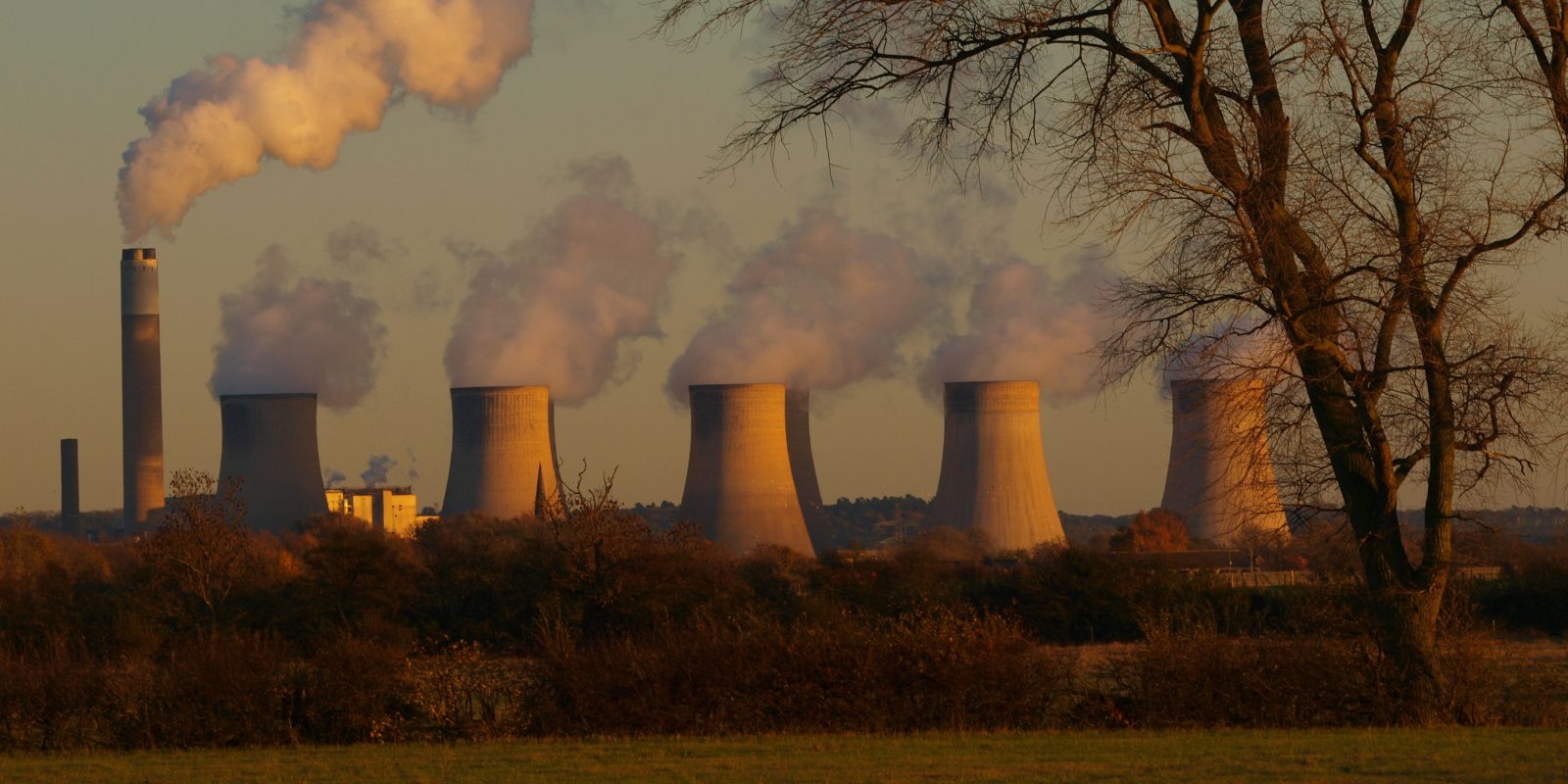
The UK may be in the limelight at COP26, with the government having set highly ambitious targets for net zero by 2050. But, Tim Bale argues, evidence suggests that parts of the British electorate – largely Tory supporters – may be sceptical about the merits of the policy Read more
Xuechen Chen
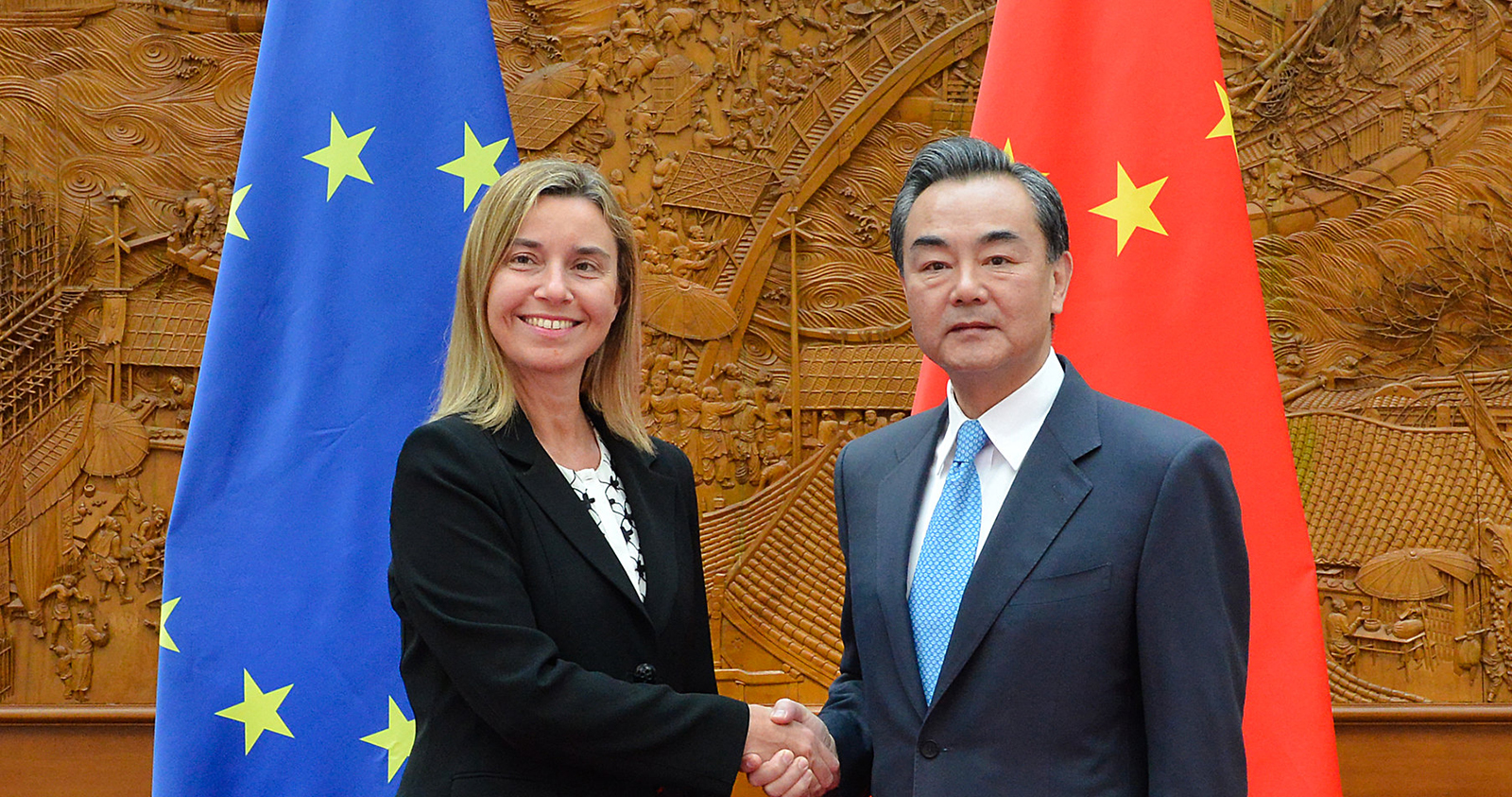
Xuechen Chen and Xinchuchu Gao argue that the EU’s decision to securitise China lies behind the recent deterioration in EU-China relations. Yet divergent views among member states are hampering EU policy, resulting in incoherent and inconsistent implementation at national levels Read more
Luke Temple
Wikis and music are better analogies for Jean-Paul Gagnon’s data mountain than butterflies, writes Luke Temple. Our reflections on how to use his database, not the database in itself, will contribute to democratic innovation Read more
Costas Panayotakis
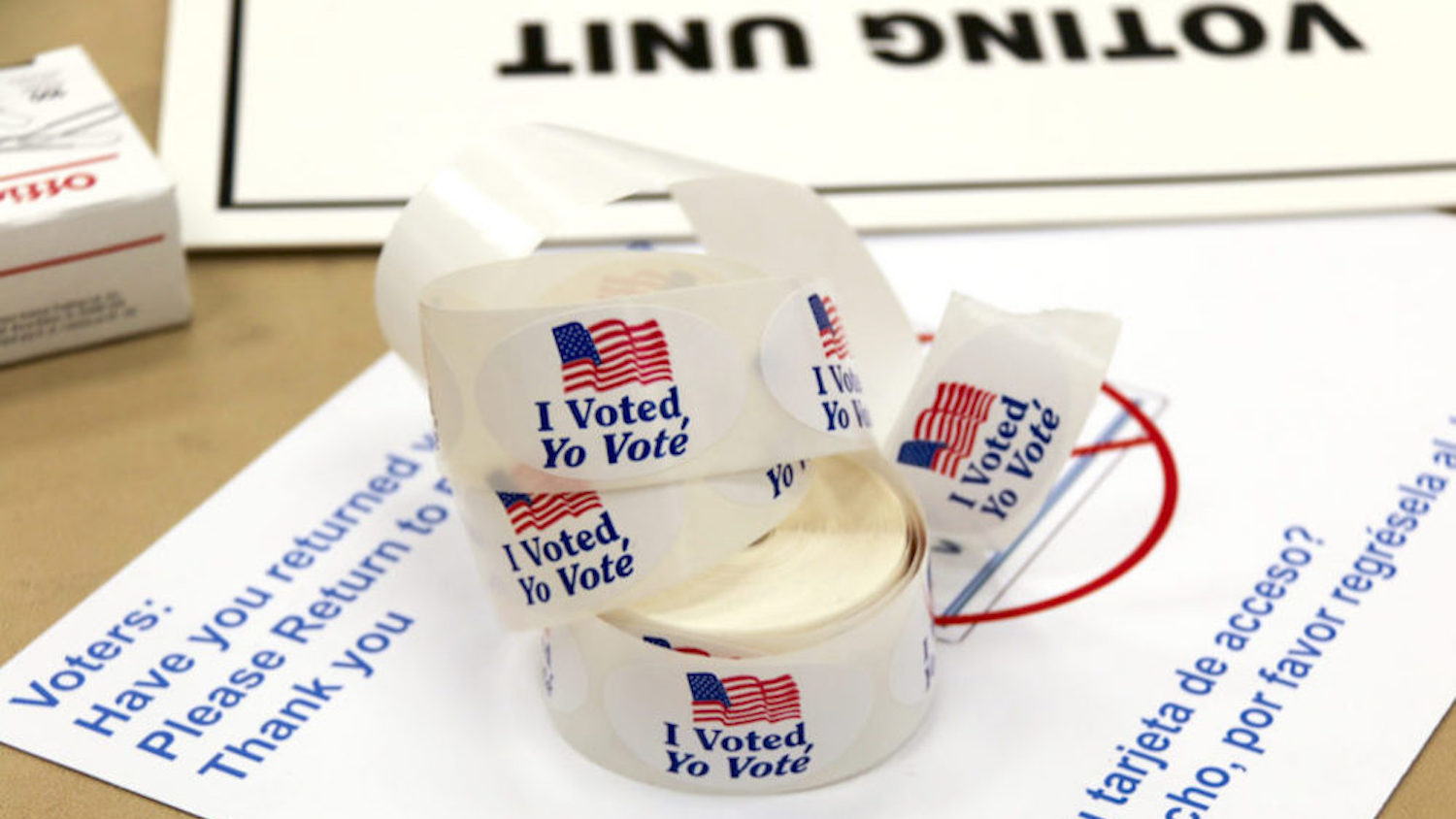
Costas Panayotakis analyses the popular claim that 'every vote counts' in a democracy. He finds it is based on false assumptions and a misunderstanding of statistical probability. Voting and democratic participation, he concludes, are not based on individualistic self-interest but on some degree of idealism and solidarity Read more
We use necessary cookies to make our site work. We'd also like to set analytics cookies that help us make improvements by measuring how you use the site. These will be set only if you accept.
▼
Strictly Necessary Cookies
Necessary cookies enable core functionality such as security, network management, and accessibility. You may disable these by changing your browser settings, but this may affect how the website functions.
▼
Analytics Cookies
Google Analytics
We'd like to set Google Analytics cookies to help us improve our website by collecting and reporting information on how you use it. The cookies collect information in a way that does not directly identify anyone. For more information on how these cookies work please see our Privacy Notice.