Alexander Hudson
How we measure democracy matters, writes Alexander Hudson. For practitioners, measuring the component parts of democracy is just as important as using an integral concept of democracy Read more
Sebastian Steingass
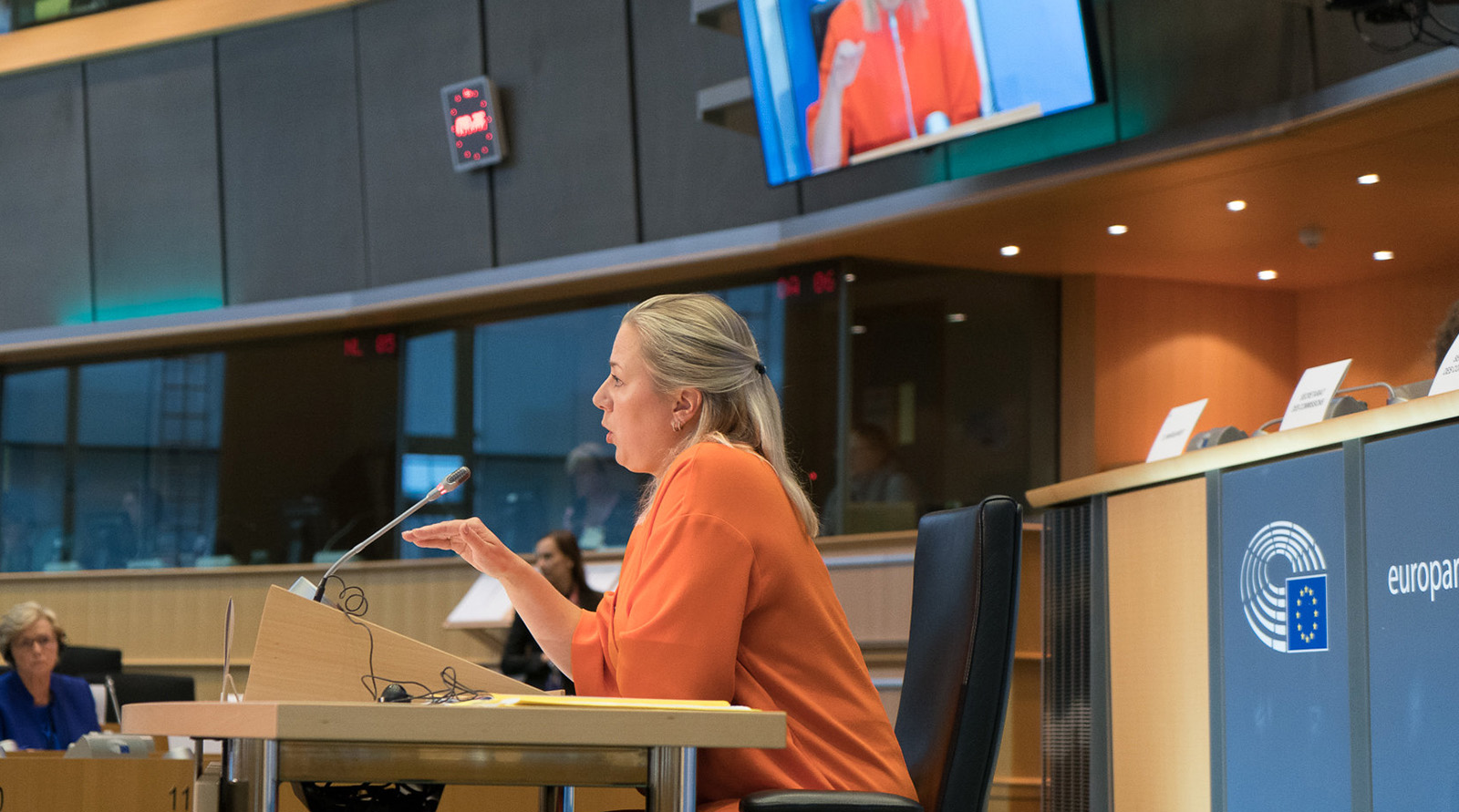
According to the European Union, the time of aid donors and recipients is over. But the transition towards policies and equal partnerships conducive to global development remains elusive. Sebastian Steingass argues that it is doubtful whether such transition is sufficient to overcome the EU's post-colonial legacies Read more
Philipp Lutz
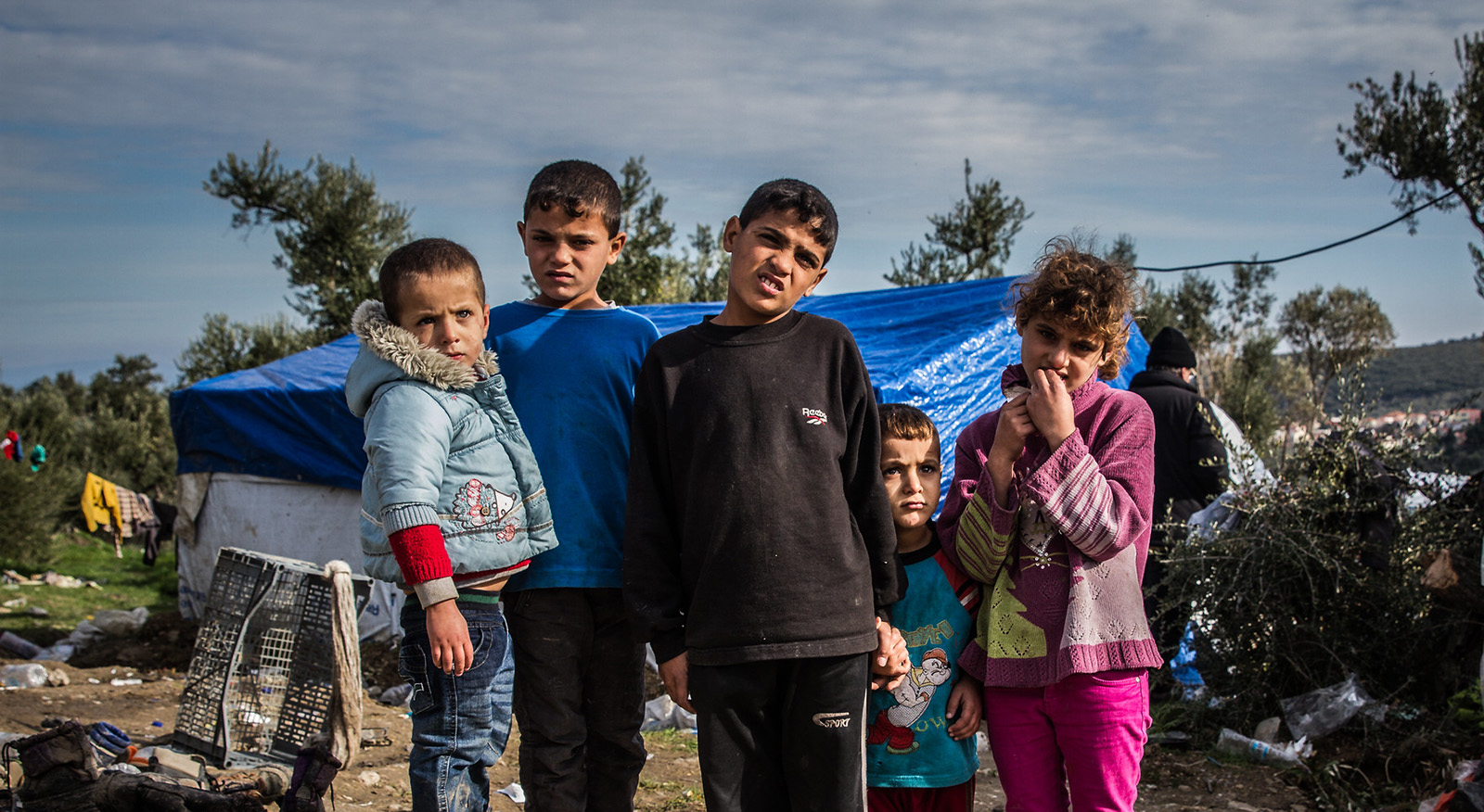
Western countries repeatedly point to resettlement – the organised transfer of refugees to a safe third country – as a solution to persistent humanitarian crises. Yet, Philipp Lutz and Lea Portmann show how such resettlement can, paradoxically, be a way for states to legitimise limiting access to humanitarian protection Read more
Sandra Leonie Field
Scholars of democracy must look beyond received paradigms. With his democracy 'data mountain', Jean-Paul Gagnon is challenging us to do so. However, drawing on Francis Bacon's analogous project for natural science, Sandra Leonie Field wonders whether a database of adjectives is indeed the best method of reaching this goal Read more
Christine Neuhold
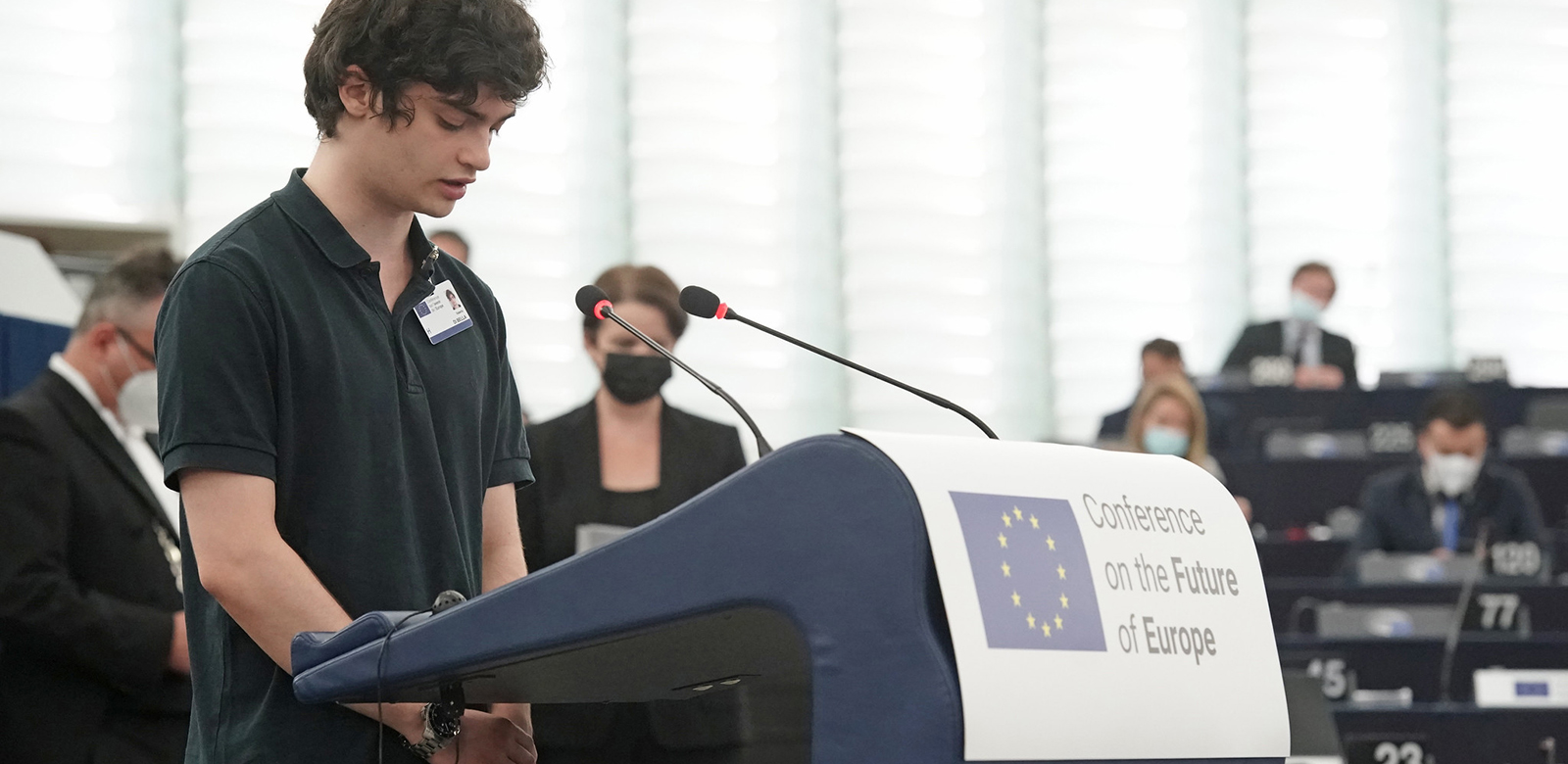
Does the European Union have a democratic problem? Here, Christine Neuhold summarises a lively debate that aims to tackle this question. The EU’s democratic deficit dominates discussion, but citizen participation is now being trialled through the innovative Conference on the Future of Europe Read more
Nicholas Whithorn
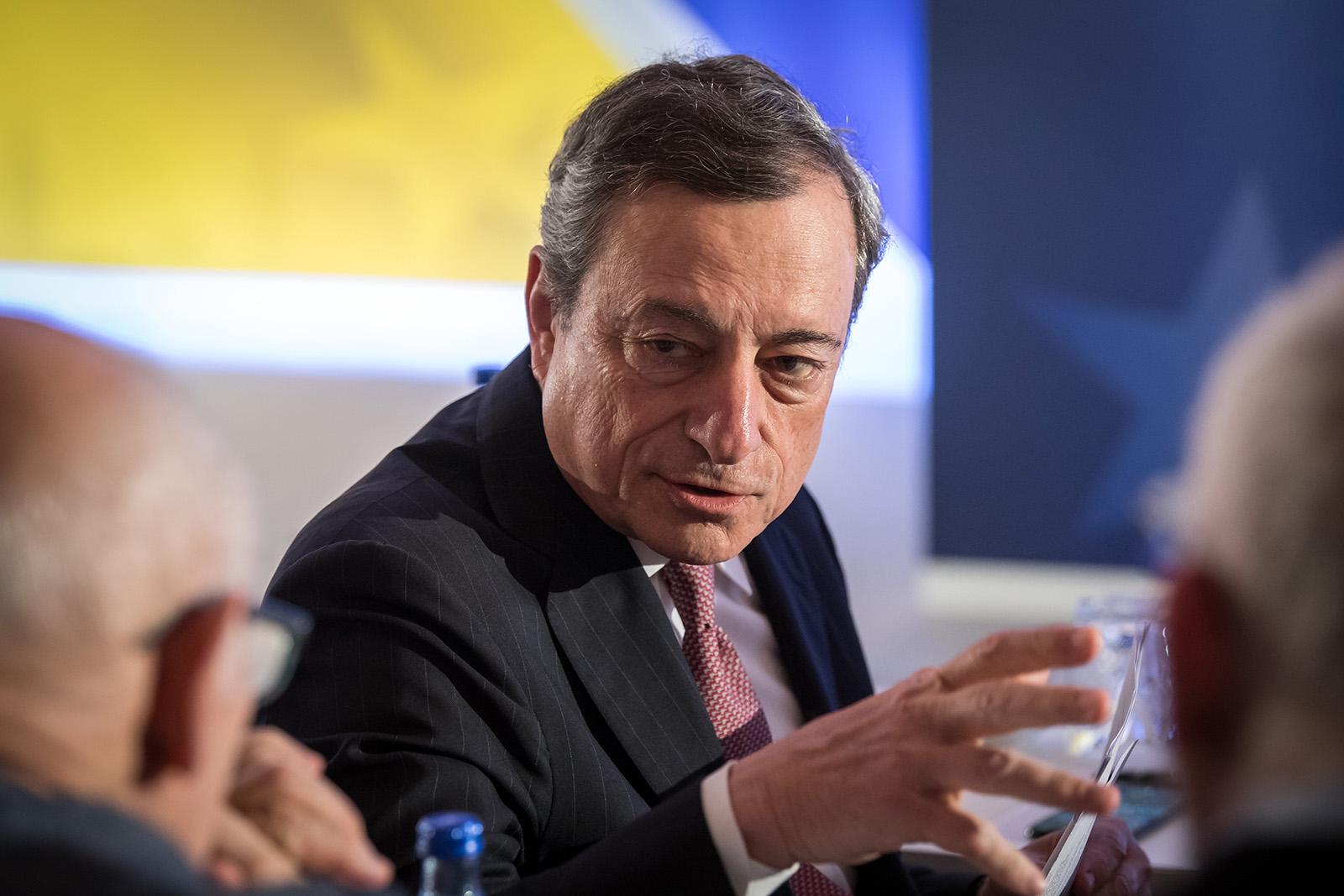
In January, Italy must elect a new President in a ritual equivalent to a Papal conclave. The likely contenders are already emerging, but, argues Nicholas Whithorn, there are no certainties in this election – especially when there are complications concerning the favourite, Mario Draghi Read more
Dennis Penu
How do federal states die? Dennis Penu looks at the case of Ghana, explaining that a federal state can die gradually rather than suddenly. In crisis situations such as the current pandemic, political forces can easily exploit such gradual change Read more
Katjana Gattermann
Media reports on elections often refer to the 'winners' and 'losers'. Yet, especially in multi-party systems, there is often more than one way to interpret election results. How the media frames election results does not depend only on parties’ objective performance, write Katjana Gattermann, Thomas M. Meyer and Katharina Wurzer. It also depends on also on party ideology Read more
We use necessary cookies to make our site work. We'd also like to set analytics cookies that help us make improvements by measuring how you use the site. These will be set only if you accept.
▼
Strictly Necessary Cookies
Necessary cookies enable core functionality such as security, network management, and accessibility. You may disable these by changing your browser settings, but this may affect how the website functions.
▼
Analytics Cookies
Google Analytics
We'd like to set Google Analytics cookies to help us improve our website by collecting and reporting information on how you use it. The cookies collect information in a way that does not directly identify anyone. For more information on how these cookies work please see our Privacy Notice.