Eva Krick
Eva Krick is sympathetic to Gagnon’s collection of ‘democracies with adjectives’ but does not fully share his optimism that this will finally make us grasp democracy’s ‘total texture’. It is but one little building block of an infinite and eclectic science of democracy. Read more
Ramin Jahanbegloo
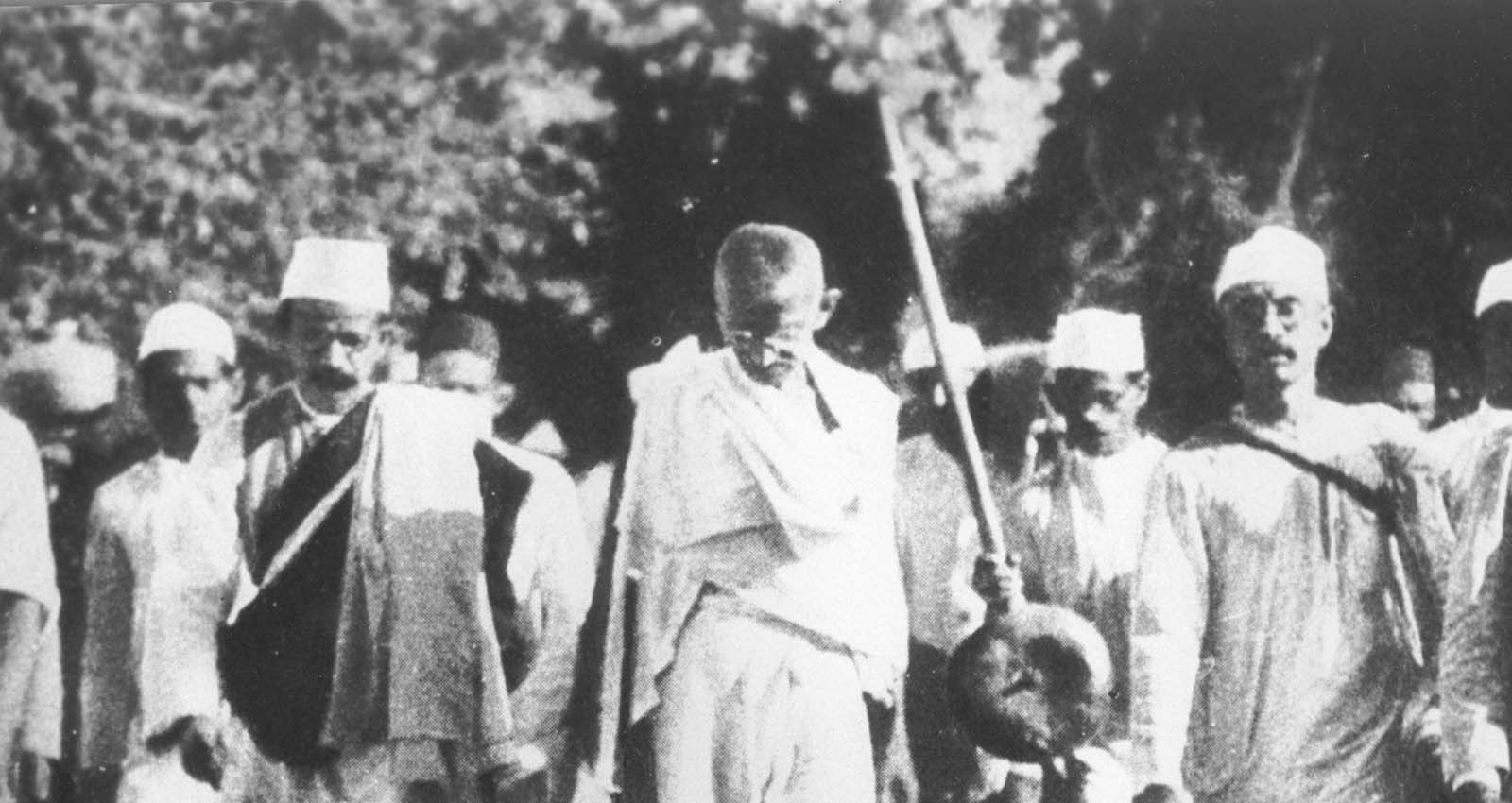
Ramin Jahanbegloo explores how Mahatma Gandhi’s non-western democratic theory prescribes empathetic emancipation through nonviolent action. Gandhi sought to bring about a truly democratic transformation of society, thereby securing an ethical social order Read more
Lucy Barnes
The way people think the economy works shapes public opinion towards progressive taxation. But the 'tax the rich' crowd don't neglect economic efficiency, observes Lucy Barnes The politics of progressive taxation presents a paradox. Polling on whether taxes on the rich should be increased returns supermajorities in favour, yet the recent direction of travel has […] Read more
Trym Nohr Fjørtoft
Have we had enough of experts? Covid-19 revealed how expertise doesn't necessarily translate into public acceptance of the right to make decisions in the public interest. Trym Nohr Fjørtoft and Asimina Michailidou explore the conditions under which expert agencies secure public legitimacy. Their conclusion? It's about striking the right balance Read more
Ian Budge
The climate catastrophe has been forgotten, Ian Budge argues, as NATO extends itself up to the Russian border. Stopping Russia destroying its natural environment should be the real imperative for the West. Recognising this would soften both sides’ aggressive reactions and ease the way to an equable settlement over Ukraine. Read more
Colm Walsh
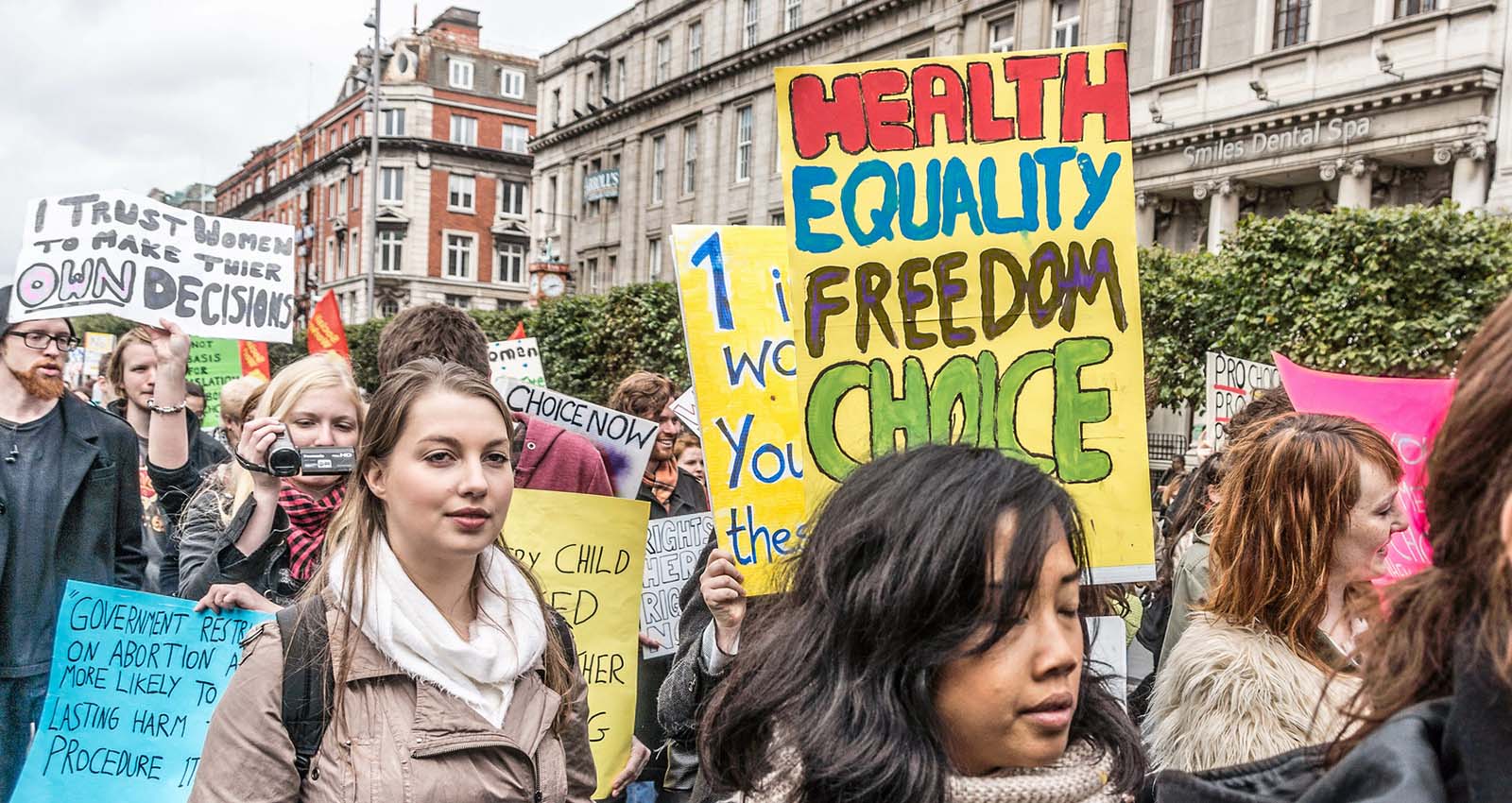
Experimentation with citizens' assemblies is flourishing throughout the world. Using Ireland as a case study, Colm D. Walsh finds that, while these assemblies offer democracy great promise and have strong citizen support, ensuring equal participation in them remains a challenge Read more
Damir Kapidžić
Illiberal politics are a way to understand the process by which ruling elites (mis)use democratic institutions of the state to create an electoral advantage for themselves with the aim to remain in power indefinitely. With a focus on Southeast Europe, Damir Kapidžić explains the concept's roots in institutional legacies of past regimes Read more
Martin Westlake
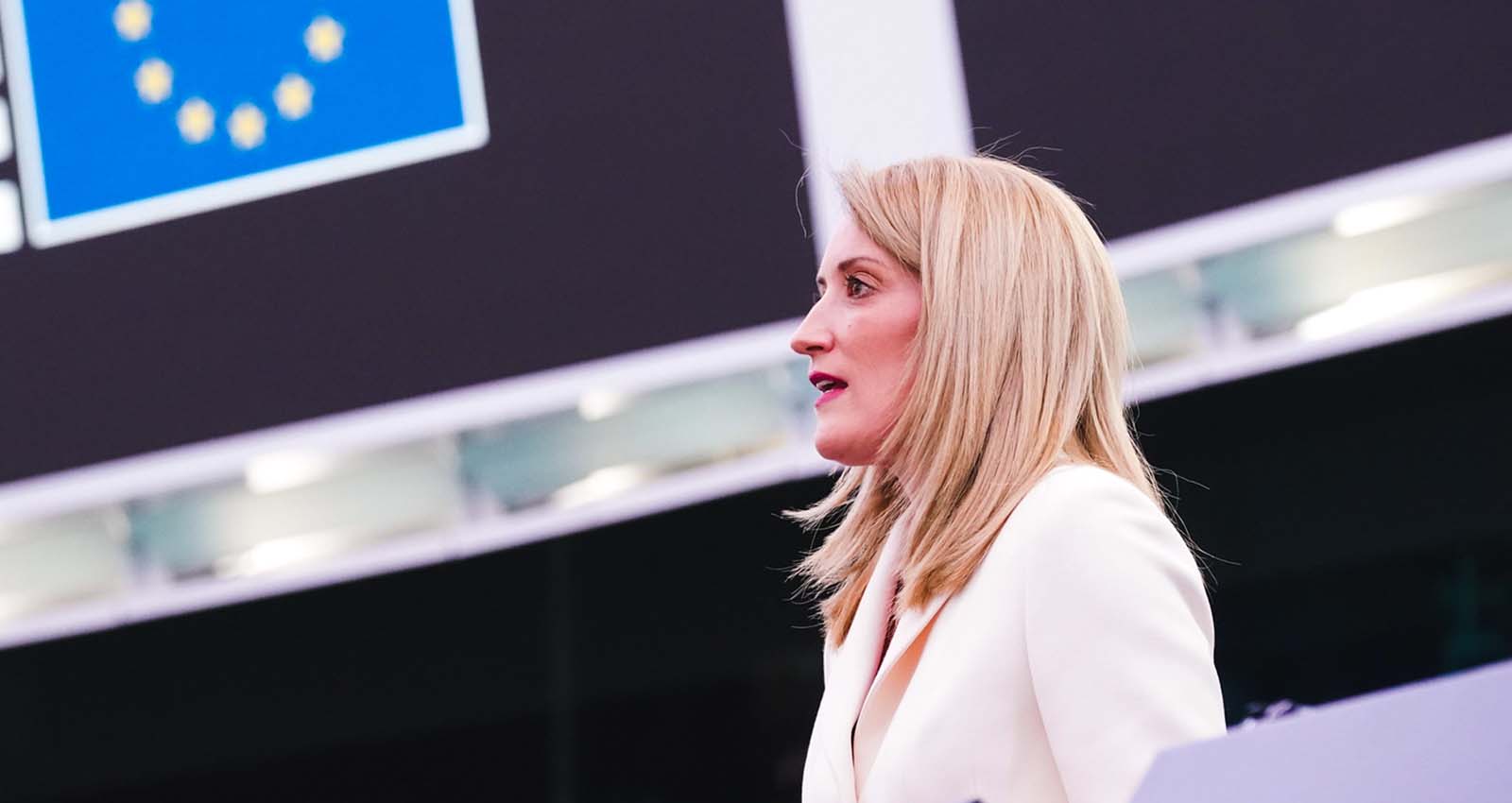
The new President of the European Parliament, Maltese Roberta Metsola, was elected as a continuity candidate of the centre-right. Yet, argues Martin Westlake, her election also marks a shift to the young, the left and the south, by a gifted politician who will surely leave her mark A breath of fresh air On 18 January […] Read more
We use necessary cookies to make our site work. We'd also like to set analytics cookies that help us make improvements by measuring how you use the site. These will be set only if you accept.
▼
Strictly Necessary Cookies
Necessary cookies enable core functionality such as security, network management, and accessibility. You may disable these by changing your browser settings, but this may affect how the website functions.
▼
Analytics Cookies
Google Analytics
We'd like to set Google Analytics cookies to help us improve our website by collecting and reporting information on how you use it. The cookies collect information in a way that does not directly identify anyone. For more information on how these cookies work please see our Privacy Notice.