Oliver Fiala
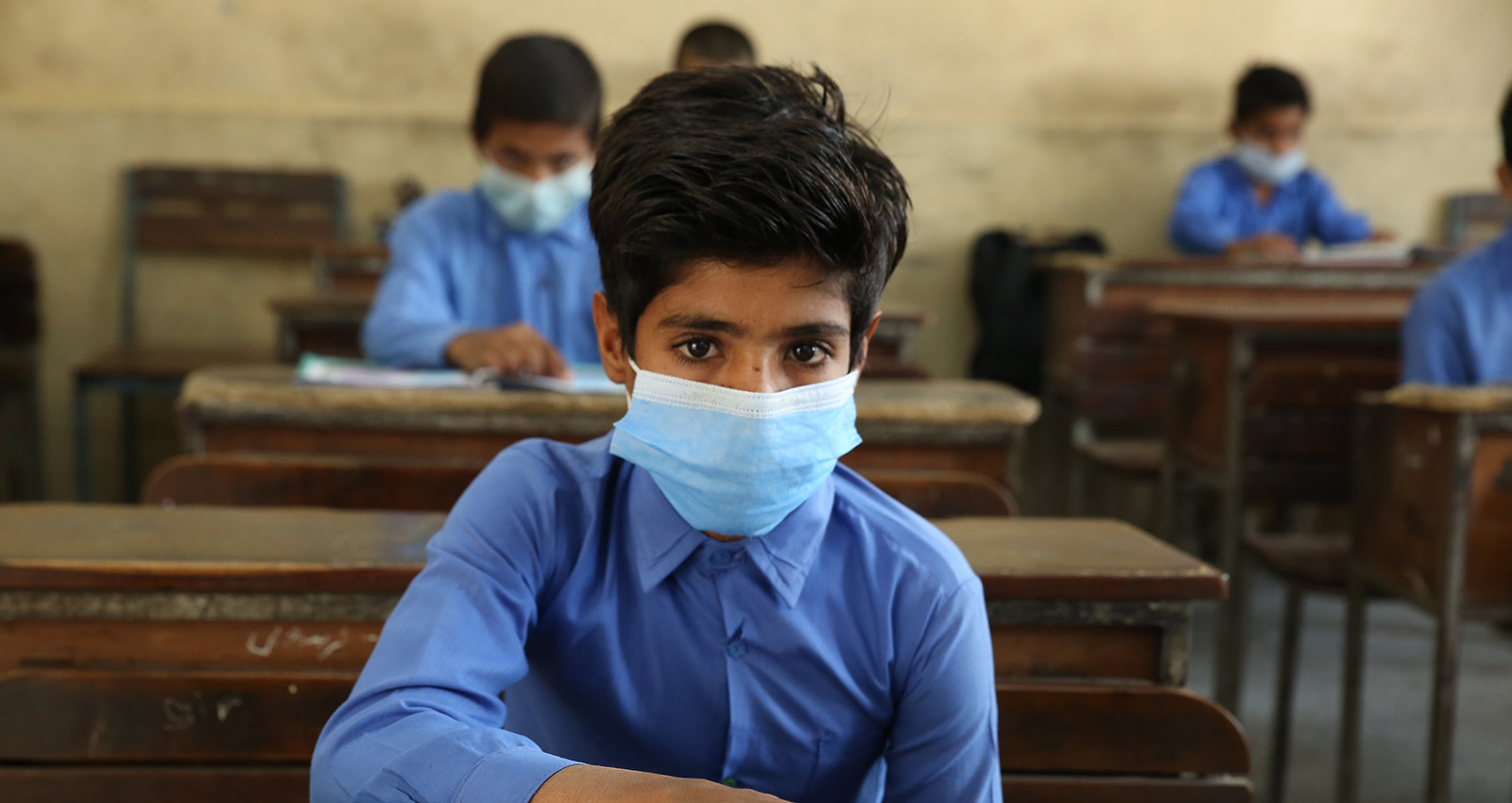
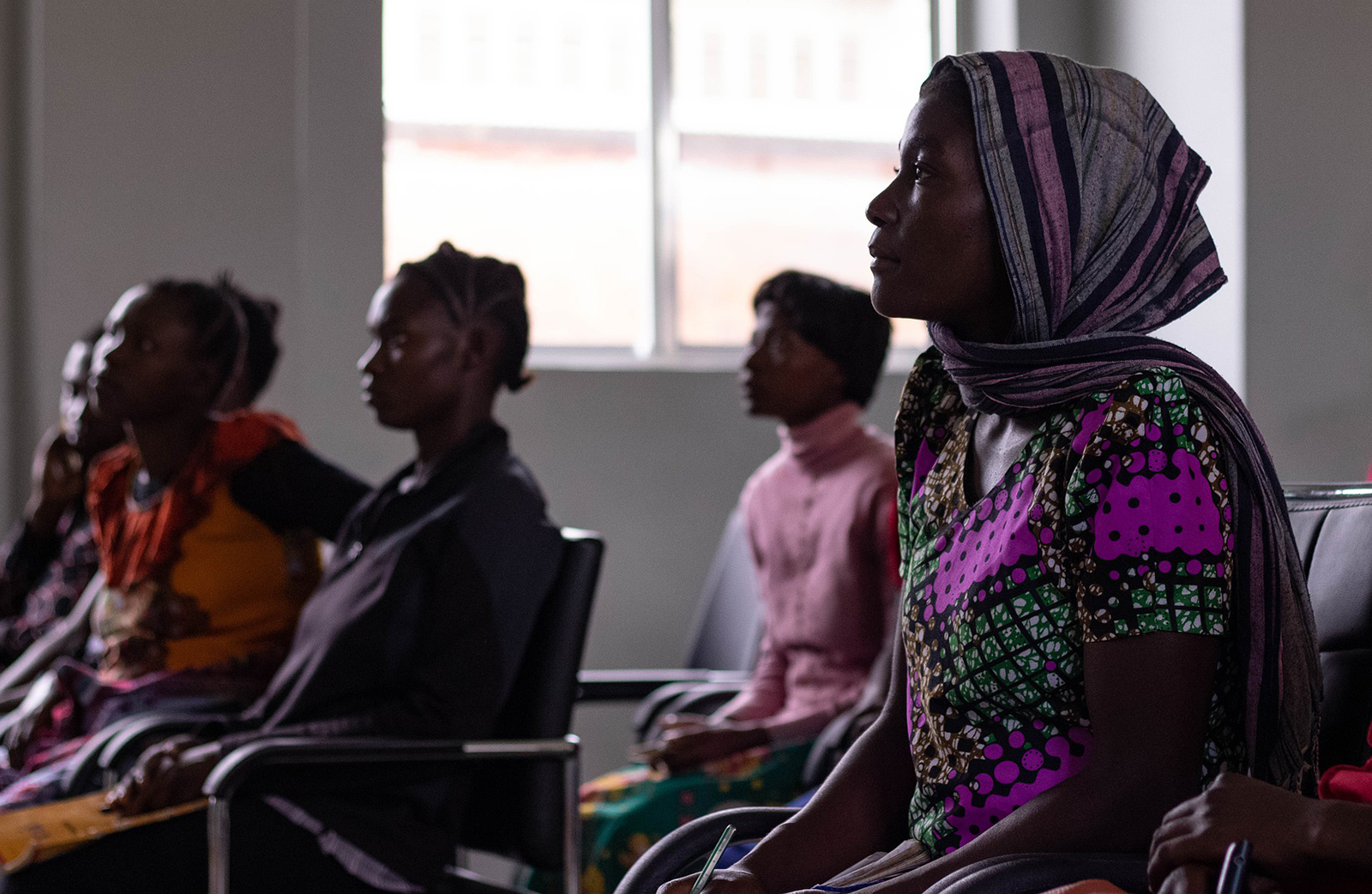
Around the world, children’s rights are at risk of abuse. But are all children (or rights) equally at risk? Oliver Fiala, Elizabeth Kaletski, and K. Anne Watson argue that more extensive and disaggregated data are vital for understanding the extent to which children’s rights are realised Read more
Pablo C. Santos-Pineda
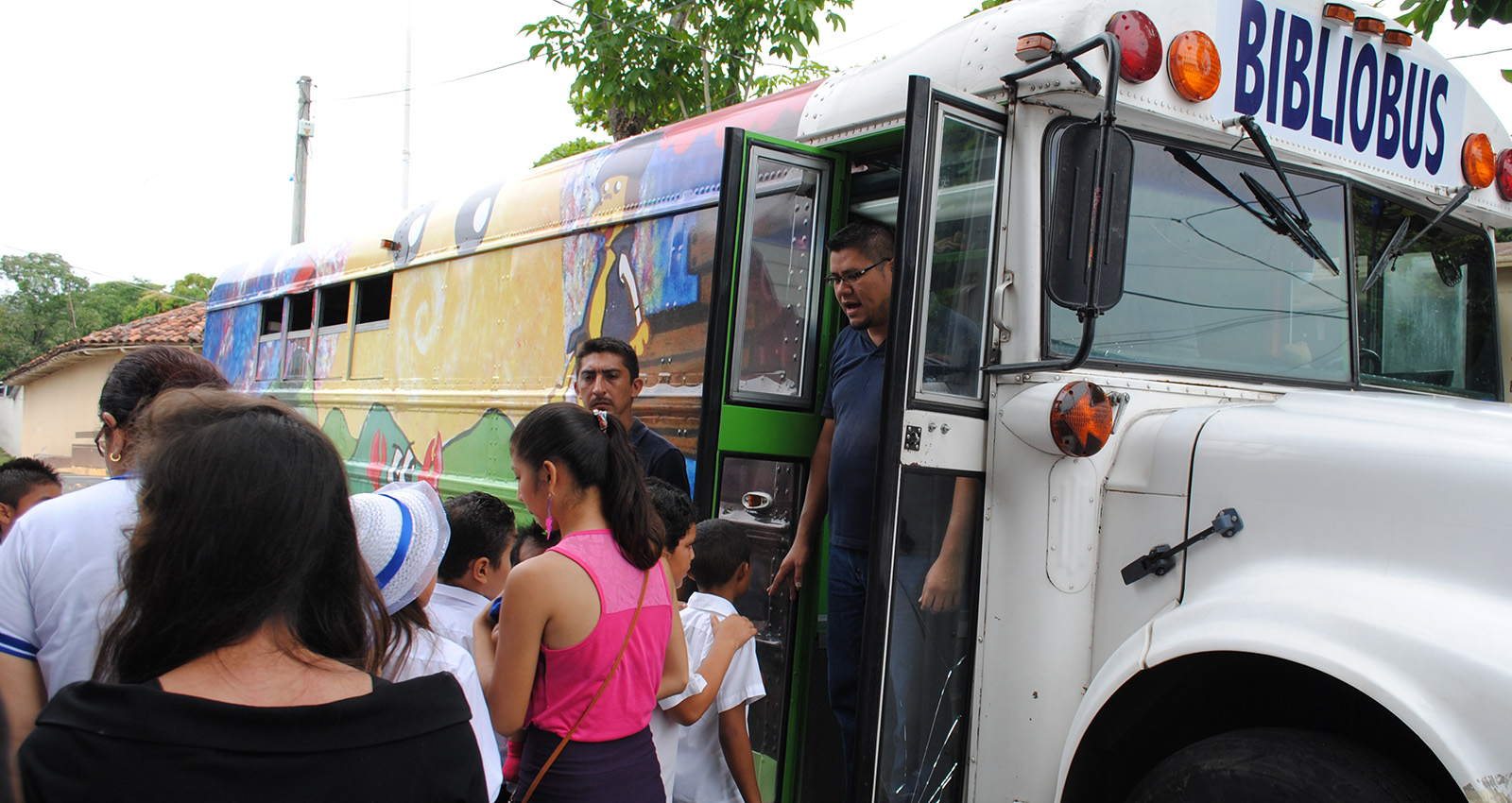
Pablo Santos-Pineda uses the Human Rights Measurement Initiative scores to evaluate El Salvador’s performance in fulfilling the right to education. This performance has been poor, and many children would benefit from strategic changes in its policies Read more
Nitesh Anchan
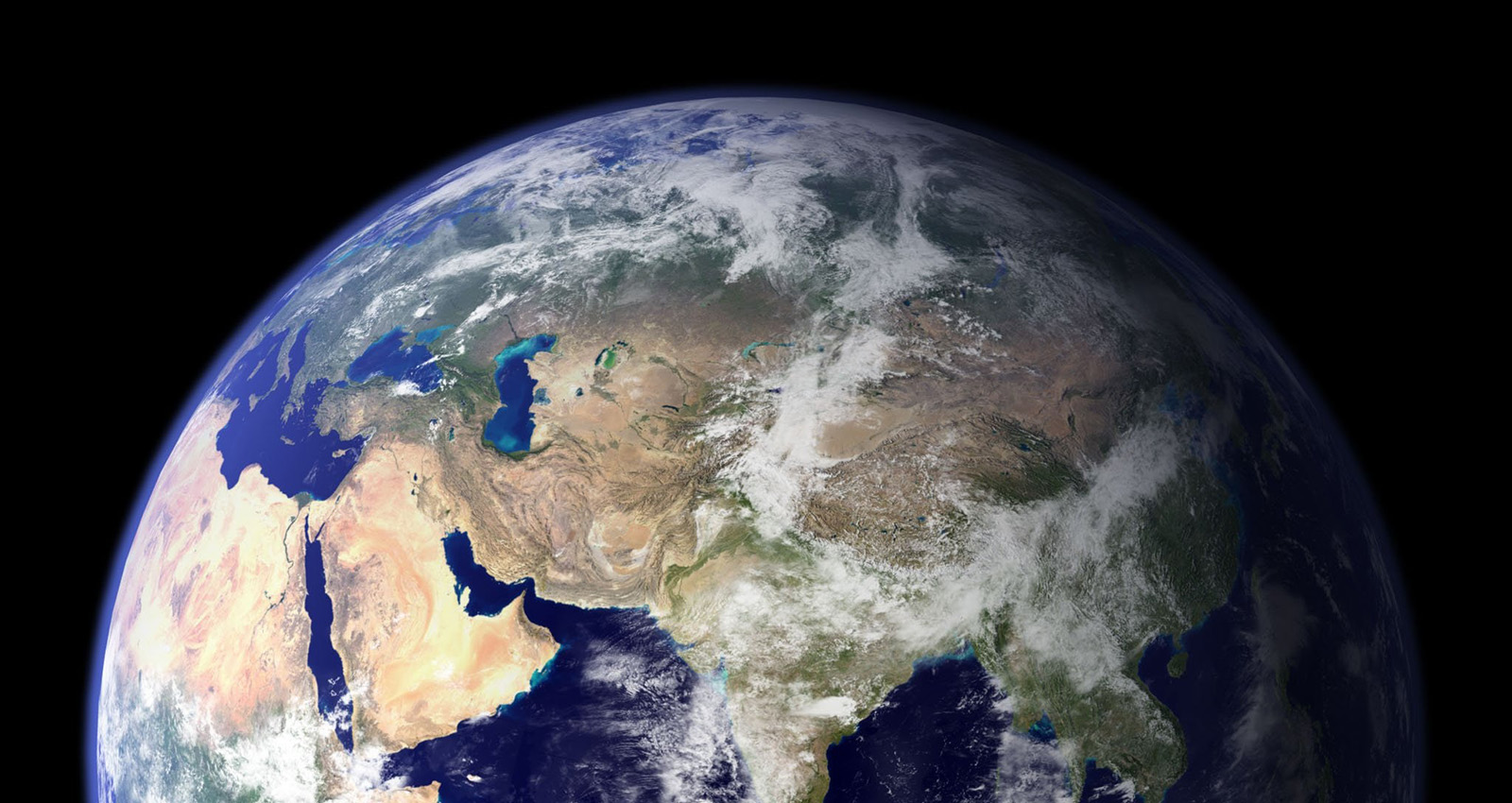
Russia justified its invasion of Ukraine mainly on political grounds, but also claimed a cultural reason: the construction of a Eurasian civilisation. To Nitesh Anchan and Priya Vijaykumar Poojary, the Russia-Ukraine war signifies that global politics in the 21st century will be dominated by the rhetoric of the civilisation state Read more
Bernhard Reinsberg
The International Monetary Fund (IMF) is not only a ‘lender of last resort’ but also a security actor. New data and analysis from Bernhard Reinsberg and Daniel Shaw at the University of Glasgow shows that IMF interventions often have a negative effect on human security Read more
Oliver P. Richmond
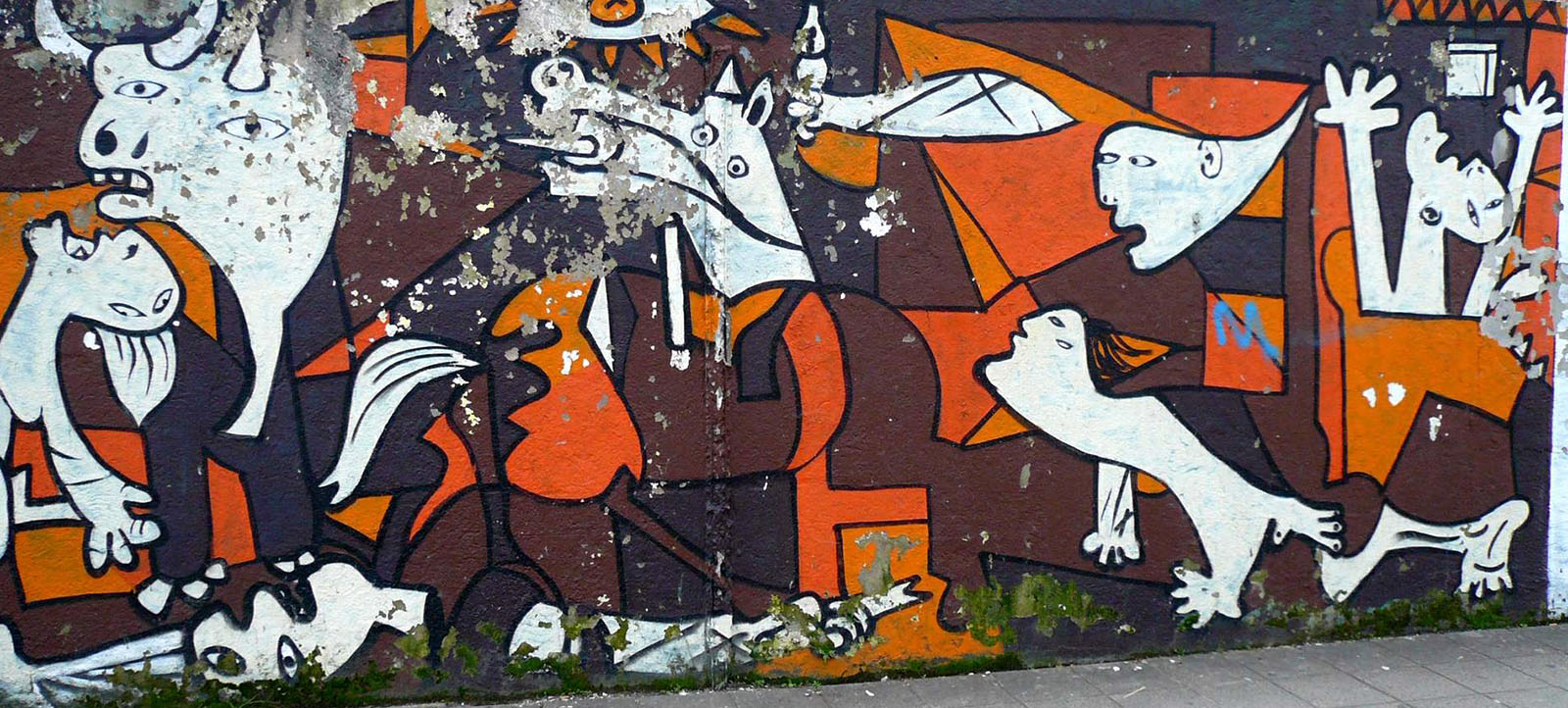
Global ideological struggle and counter-peace processes have had grave consequences for the international peace architecture. Oliver P. Richmond and Sandra Pogodda highlight the need for a knowledge-based, emancipatory renewal Read more
Joyce Wu
Addressing gender inequality is a critical aspect of international development. So why has progress been so slow? Joyce Wu considers the roadblocks on the path of gender and development. Here, she focuses on institutional resistance, and suggests how to break it down Read more
Lyndsay Hayhurst
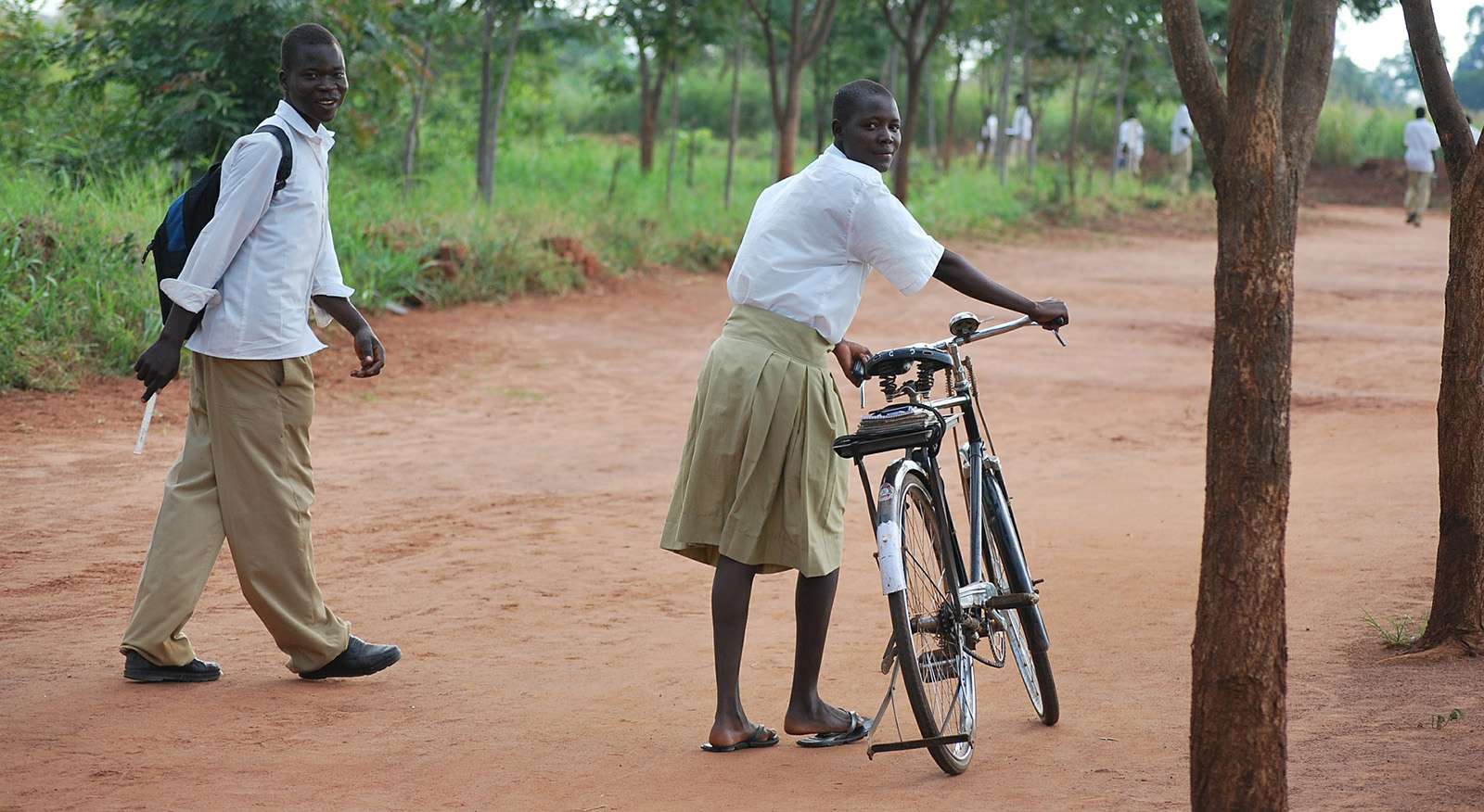
Women and girls’ increased access to bicycles can support sustainable development, says the UN. Yet, write Lyndsay Hayhurst and Mitchell McSweeney, the bicycle may also exacerbate gender inequality Read more
Sebastian Steingass
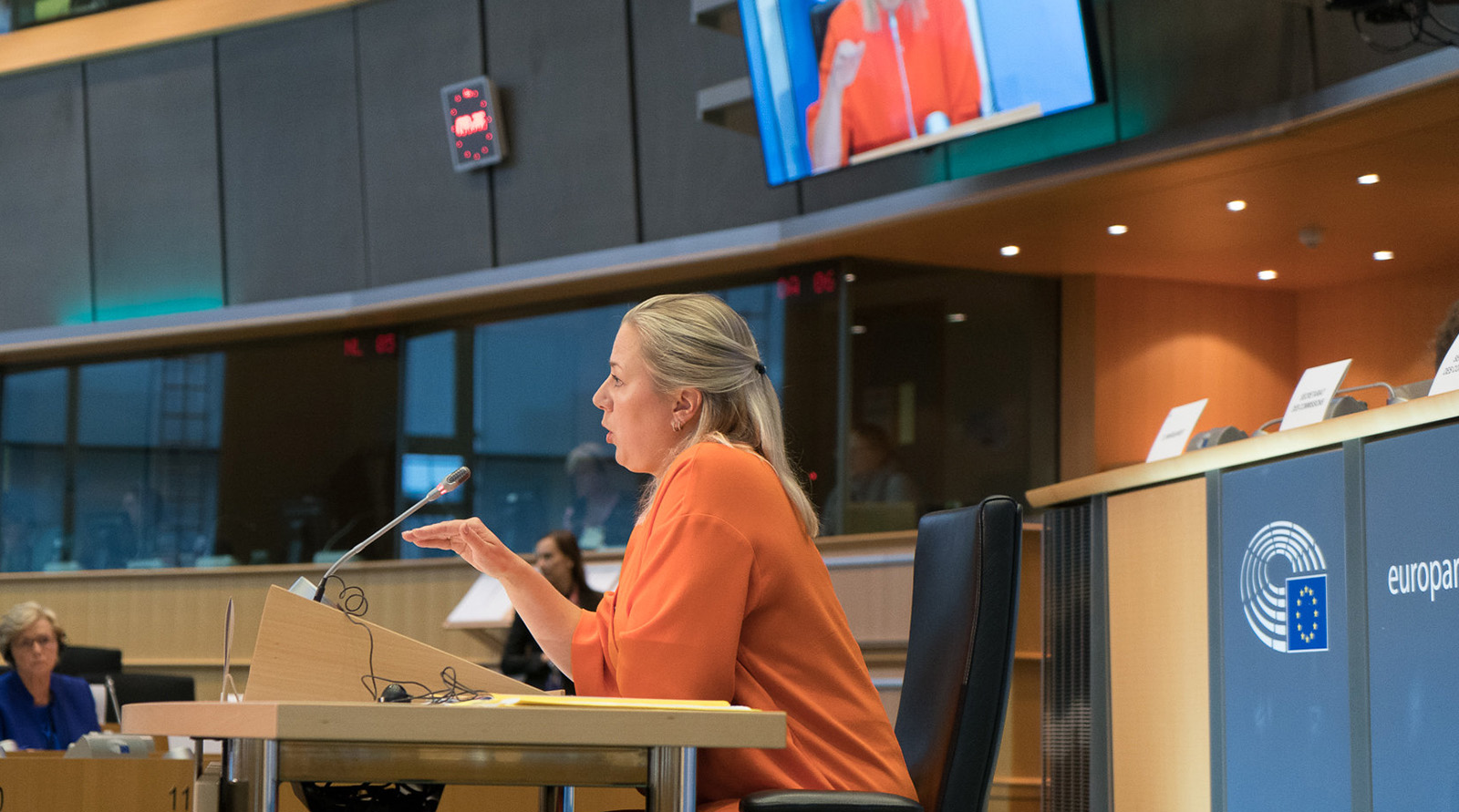
According to the European Union, the time of aid donors and recipients is over. But the transition towards policies and equal partnerships conducive to global development remains elusive. Sebastian Steingass argues that it is doubtful whether such transition is sufficient to overcome the EU's post-colonial legacies Read more
We use necessary cookies to make our site work. We'd also like to set analytics cookies that help us make improvements by measuring how you use the site. These will be set only if you accept.
▼
Strictly Necessary Cookies
Necessary cookies enable core functionality such as security, network management, and accessibility. You may disable these by changing your browser settings, but this may affect how the website functions.
▼
Analytics Cookies
Google Analytics
We'd like to set Google Analytics cookies to help us improve our website by collecting and reporting information on how you use it. The cookies collect information in a way that does not directly identify anyone. For more information on how these cookies work please see our Privacy Notice.