Natalie Welfens
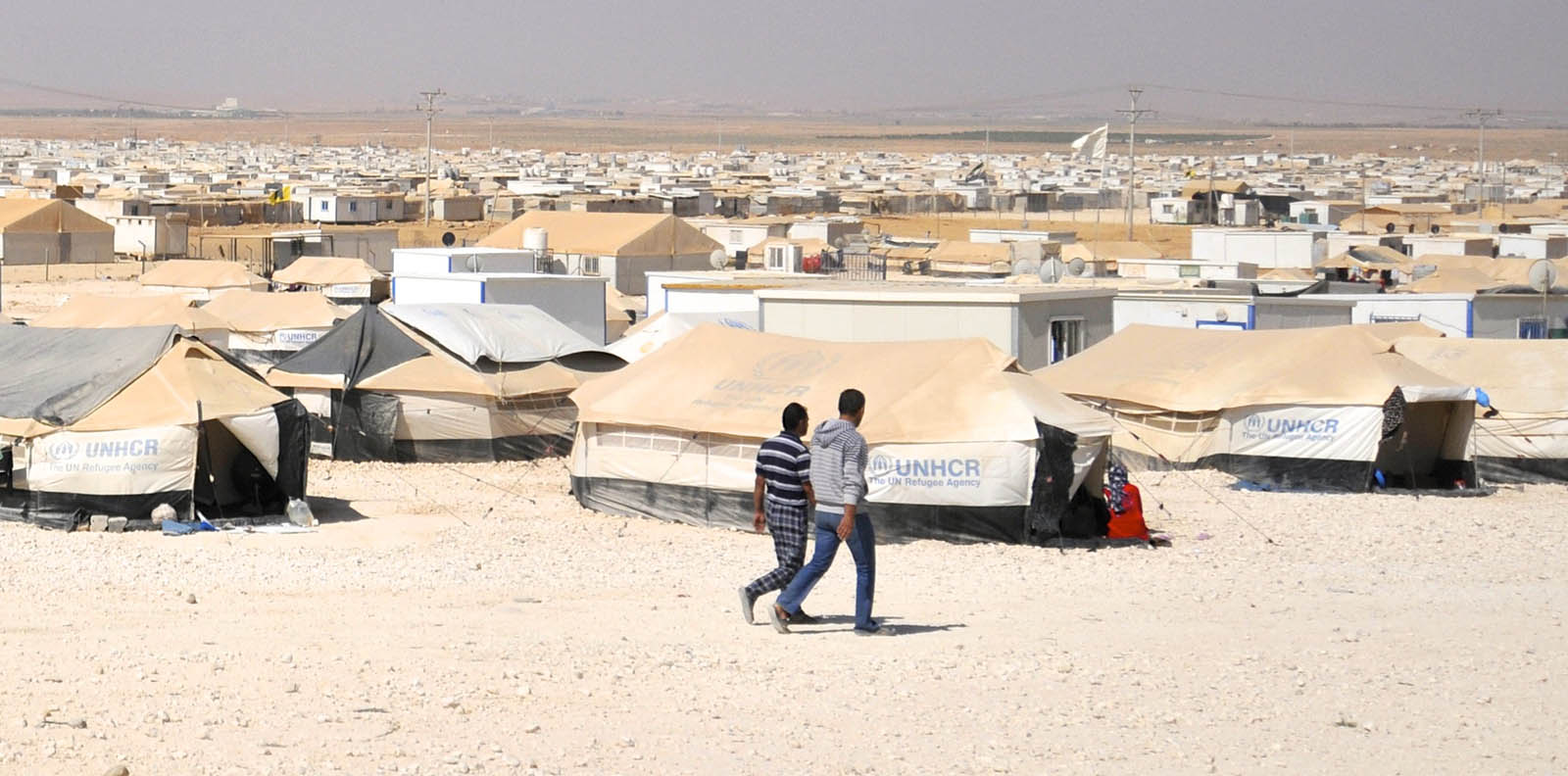
Safe and legal pathways to protection in Europe are scarce. Officially, states should admit only ‘the most vulnerable’ refugees. Yet, writes Natalie Welfens, humanitarian considerations are increasingly bound up with concerns about refugees' social and cultural fit with the admission state Read more
Gemma Dipoppa
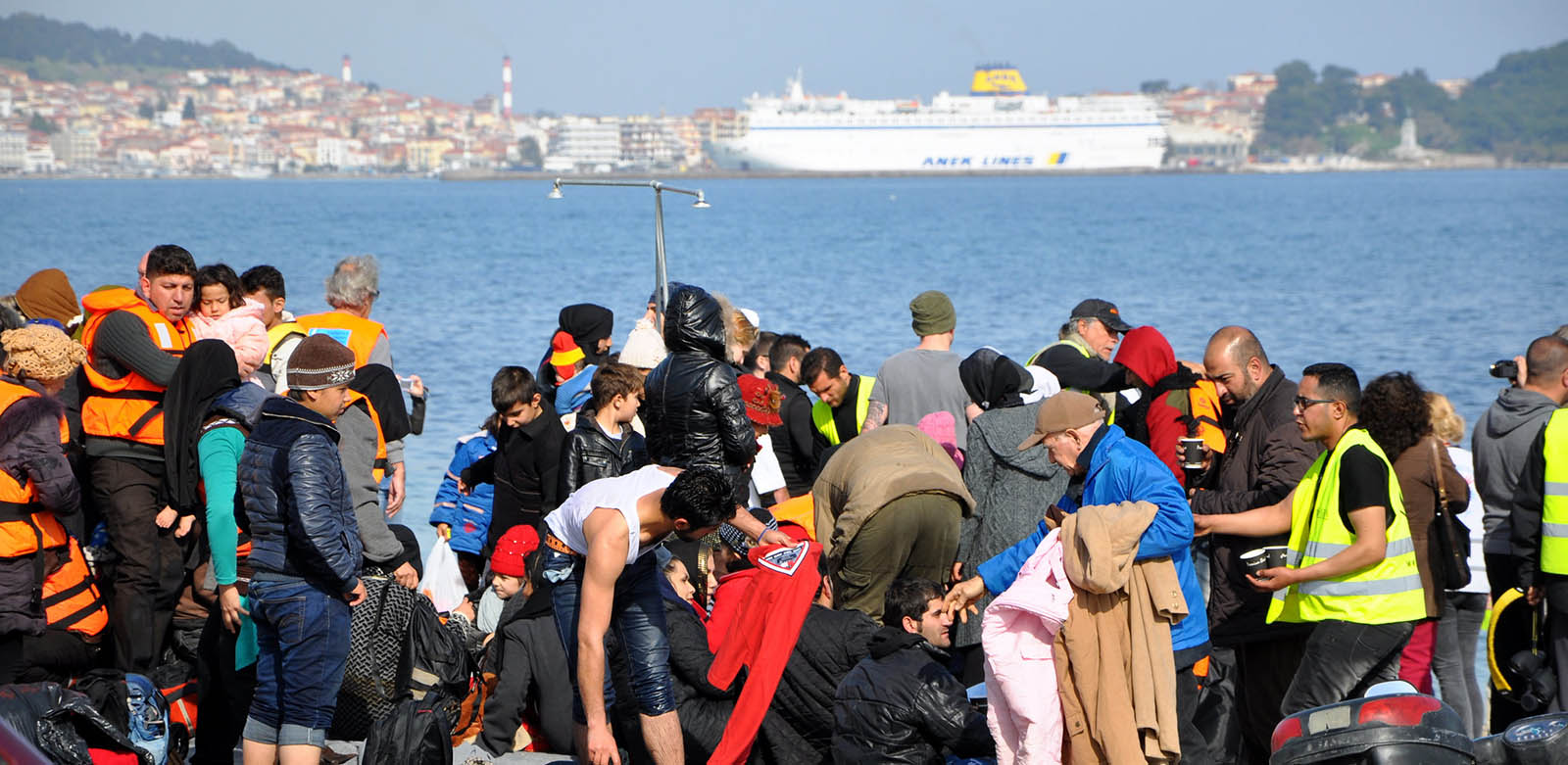
The emergence of criminal organisations has been blamed on state weakness. But recent trends in organised crime expansion show that criminal groups often move to states with strong economies and institutions. As mafias establish permanent roots in new countries, Gemma Dipoppa suggests that migrant exploitation might play an important role Read more
Andrea Pritoni
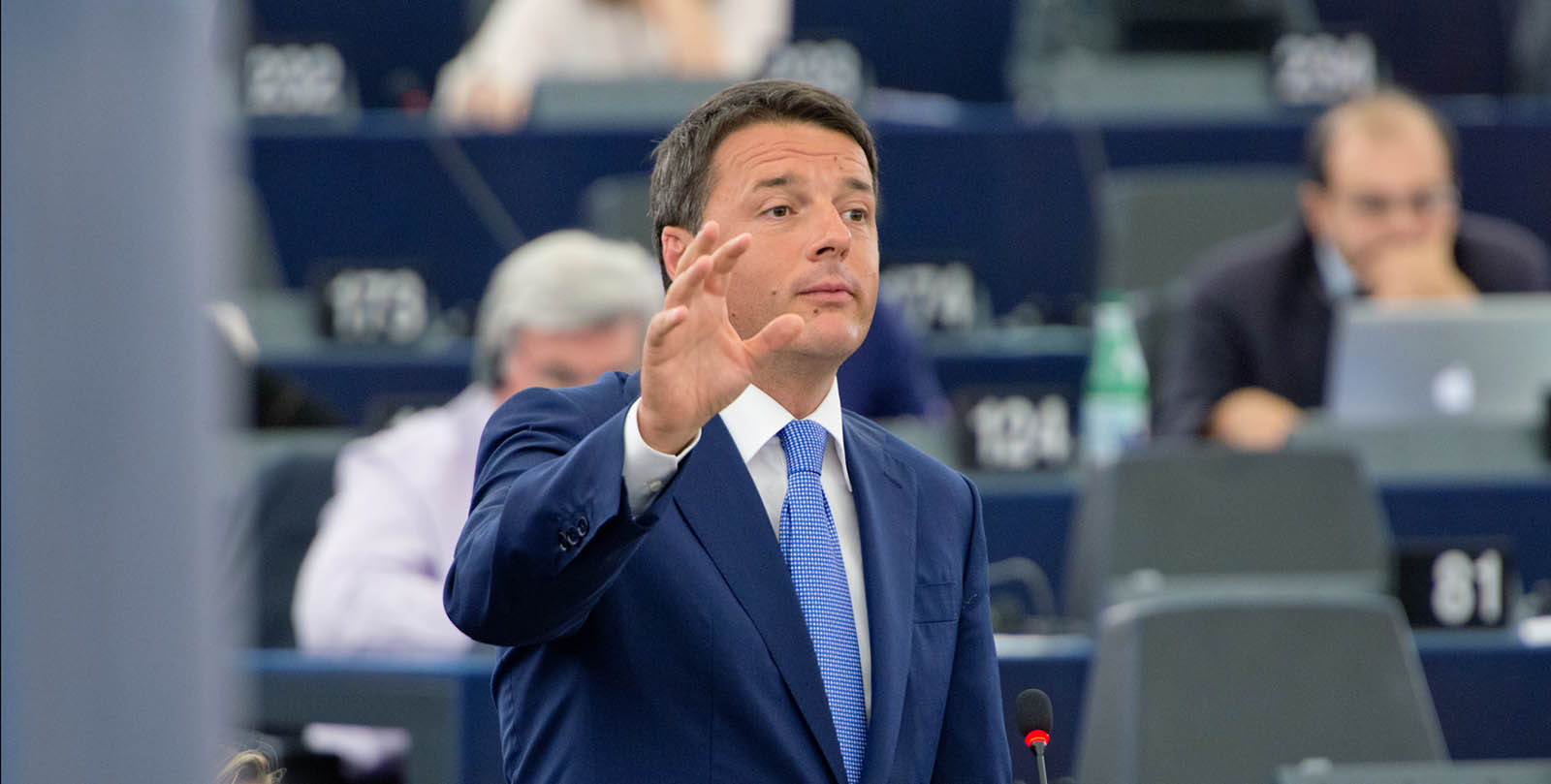
Political scientists are typically accused of remaining in their ivory towers. YePolitical scientists are often accused of hiding away in ivory towers, yet their participation could significantly enhance public debate. Andrea Pritoni and Giulia Vicentini analyse one such case, in Italy. In so doing, they discover a missed opportunity to increase the social relevance of the disciplinet their participation could enhance public debate and increase the social relevance of the discipline. Andrea Pritoni and Giulia Vicentini analyse one such case, in Italian public debate, and discover a missed opportunity Read more
Léonie De Jonge
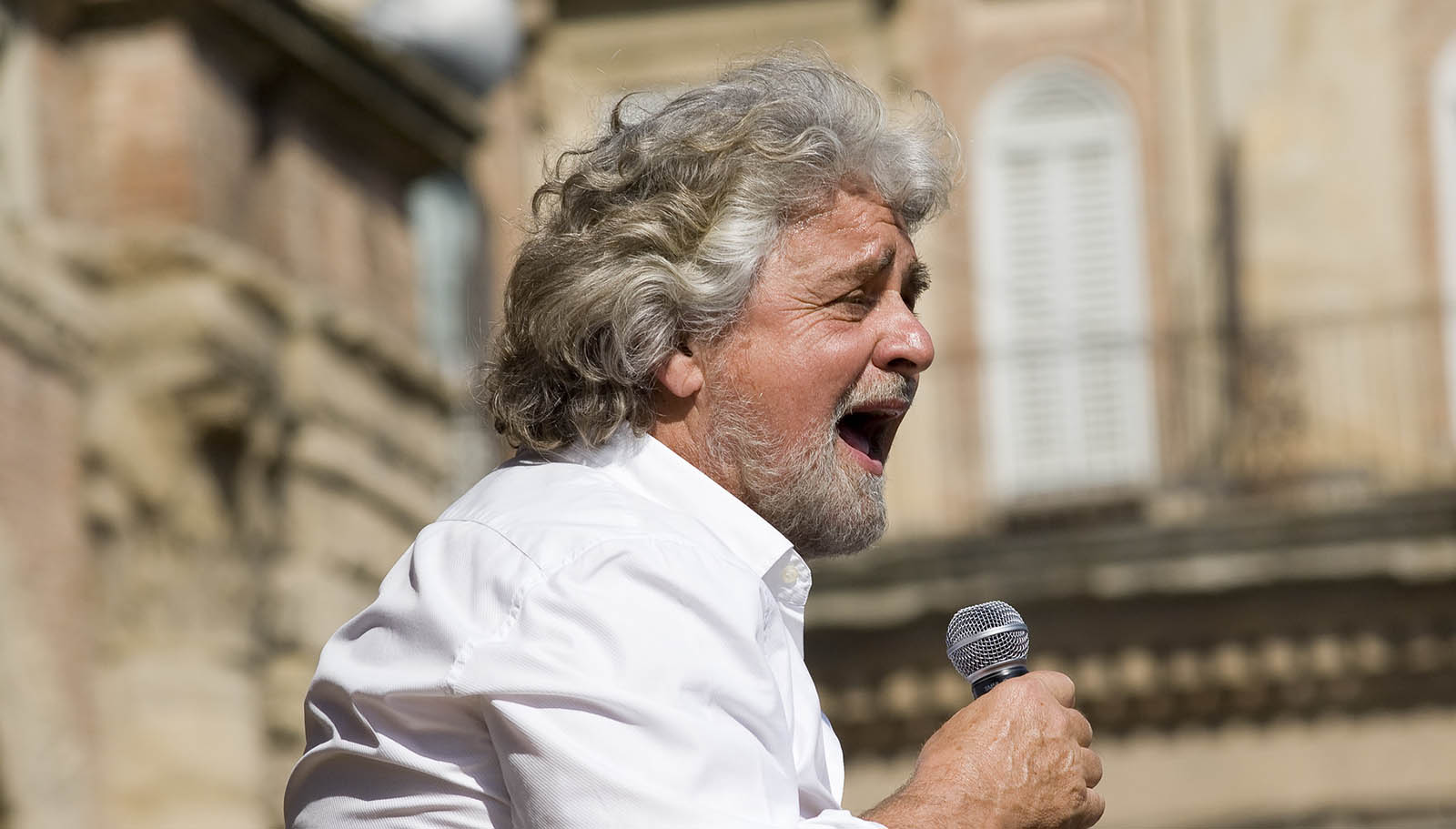
Right-wing populism is not contagious; it only spreads if mainstream parties and the media diffuse it. This helps explain why right-wing populist parties are more successful in the Netherlands and Flanders than in Luxembourg and Wallonia, writes Léonie de Jonge Read more
Jean-Paul Gagnon
For centuries democracy has had many meanings. But they have not been collected and studied as a whole. This leaves us, Jean-Paul Gagnon argues, with only a partial knowledge of democracy. It's one that limits our options for democratisation in an increasingly authoritarian world Read more
Michelangelo Vercesi
Italy is unmatched in Western Europe in the scale of its electoral support for populists. Michelangelo Vercesi argues that this exceptionality, combined with the strategic adaptation of political entrepreneurs to different territorial political traditions, is a legacy of how the unitary state formed Read more
Elena Cossu
China has delivered vaccines to Latin America on an extraordinary scale. We must understand this in the context of China’s long-term aspirations as a rising power in the international order. Elena Cossu argues that Chinese vaccine diplomacy directly challenges the already declining US authority in the region Read more
Andrew S. Roe-Crines
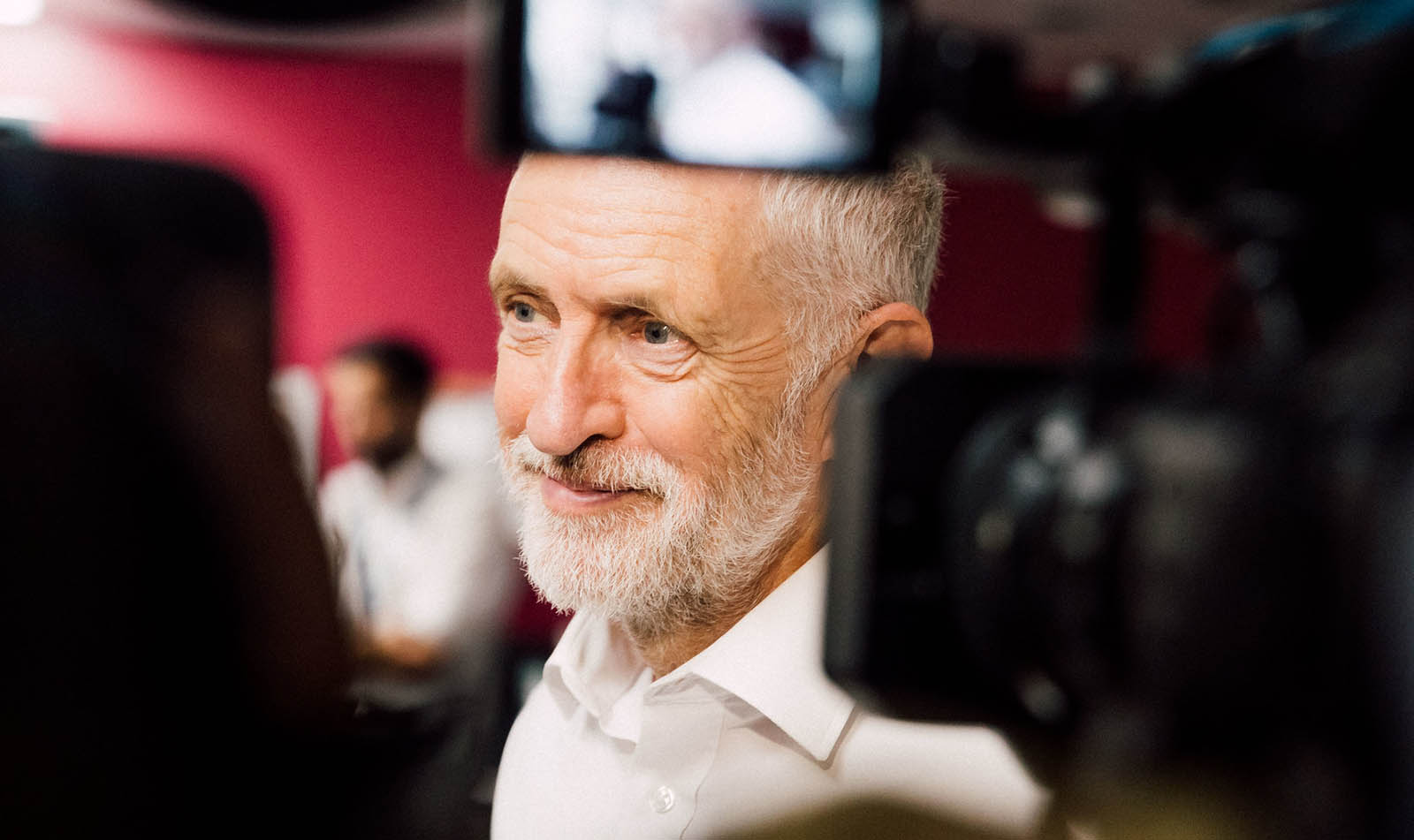
According to one’s personal perspective, Jeremy Corbyn’s leadership either wrecked the Labour Party, or came close to saving it. But where does ‘Corbynism’ stand now under new leader Keir Starmer? Andrew S. Roe-Crines argues that it is entrenched in a longstanding historical debate about what Labour stands for Read more
We use cookies to ensure that we give you the best experience on our website. If you continue to use this site we will assume that you are happy with it.