Kei Nishiyama
Teaching democracy is hard work, precisely because we are living in a time when democracy is in crisis. So what should we teach, and how? Kei Nishiyama suggests that a grassroots, bottom-up approach involving teachers and learners alike will help us gain ownership of democracy – and fall back in love with it Read more
Ekaterina Rashkova
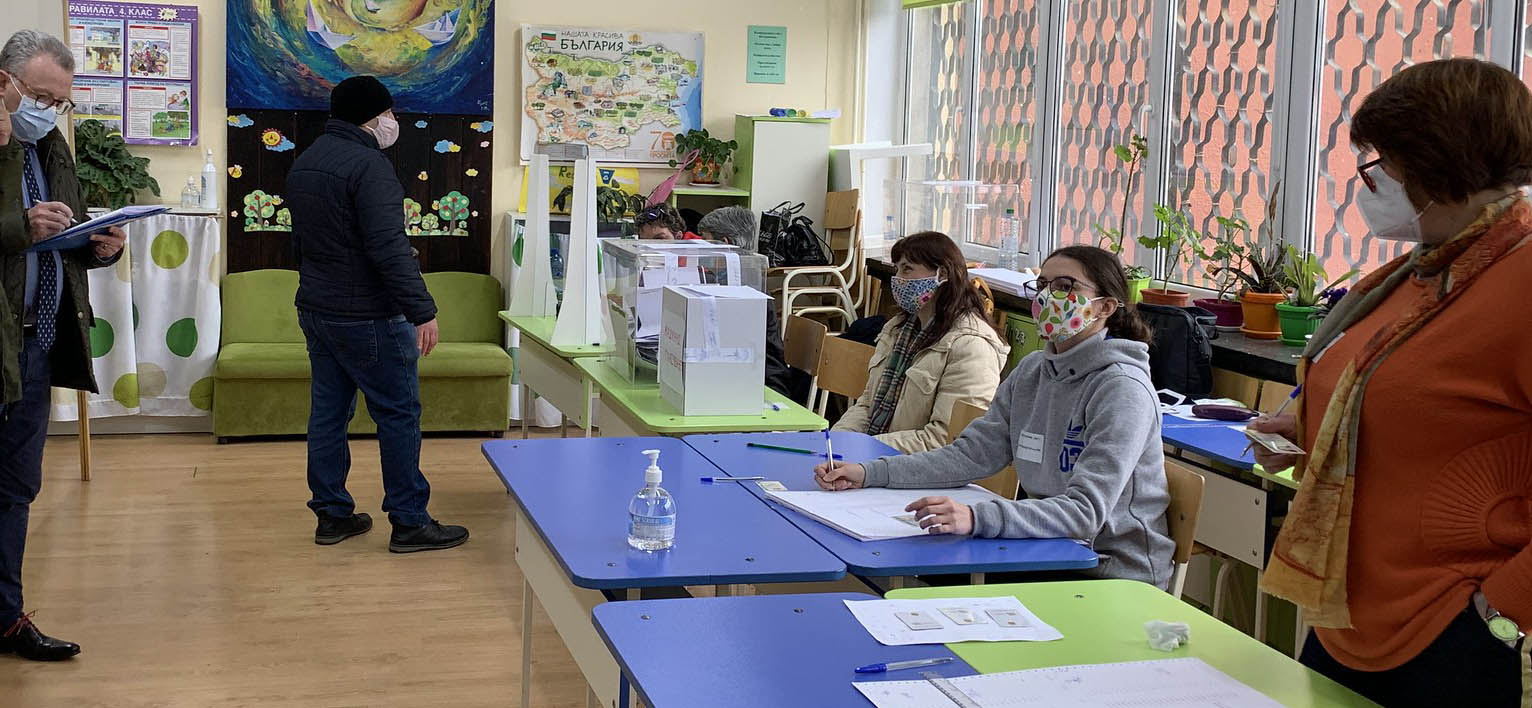
Following the stalemate produced by April's elections, Bulgaria has just gone to the polls for the second time this year. Ekaterina Rashkova-Gerbrands argues that these elections have resolved nothing, leaving Bulgaria in a dilemma Read more
Dragomir Stoyanov
Dragomir Stoyanov analyses the outcome of recent Bulgarian elections, which, just like the April elections a few months ago, have failed to resolve the power struggle between parties of the establishment and new protest parties. The prospect now looms for combined presidential and parliamentary elections in autumn Read more
Elena Escalante Block
The European Commission is losing cases related to state aid taxation in the European General Court. If the Commission continues to suffer defeat against multinationals like Amazon, Apple and Starbucks, this could undermine the authority of its decisions on state aid, argues Elena Escalante Block Read more
Natalie Welfens
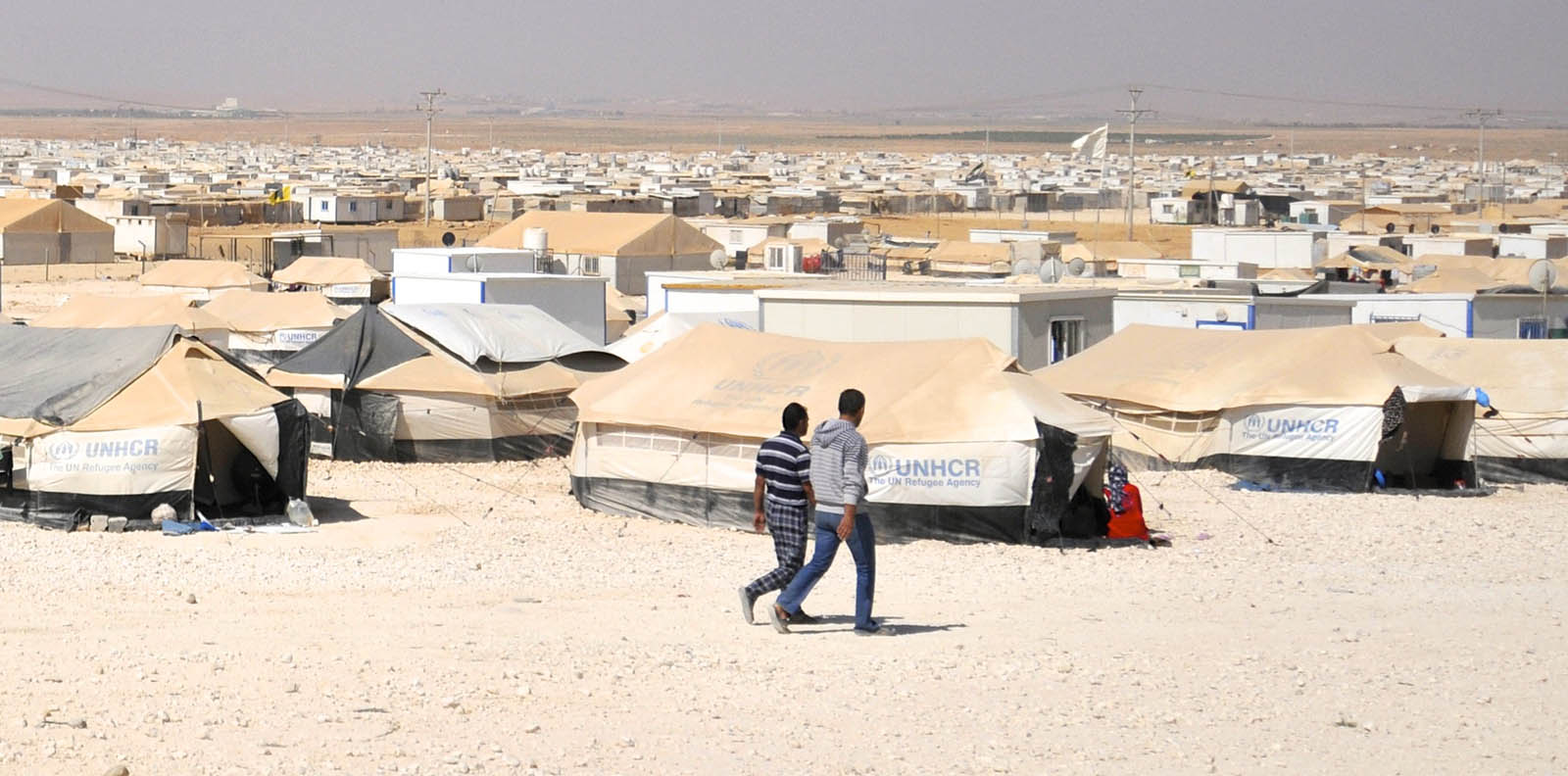
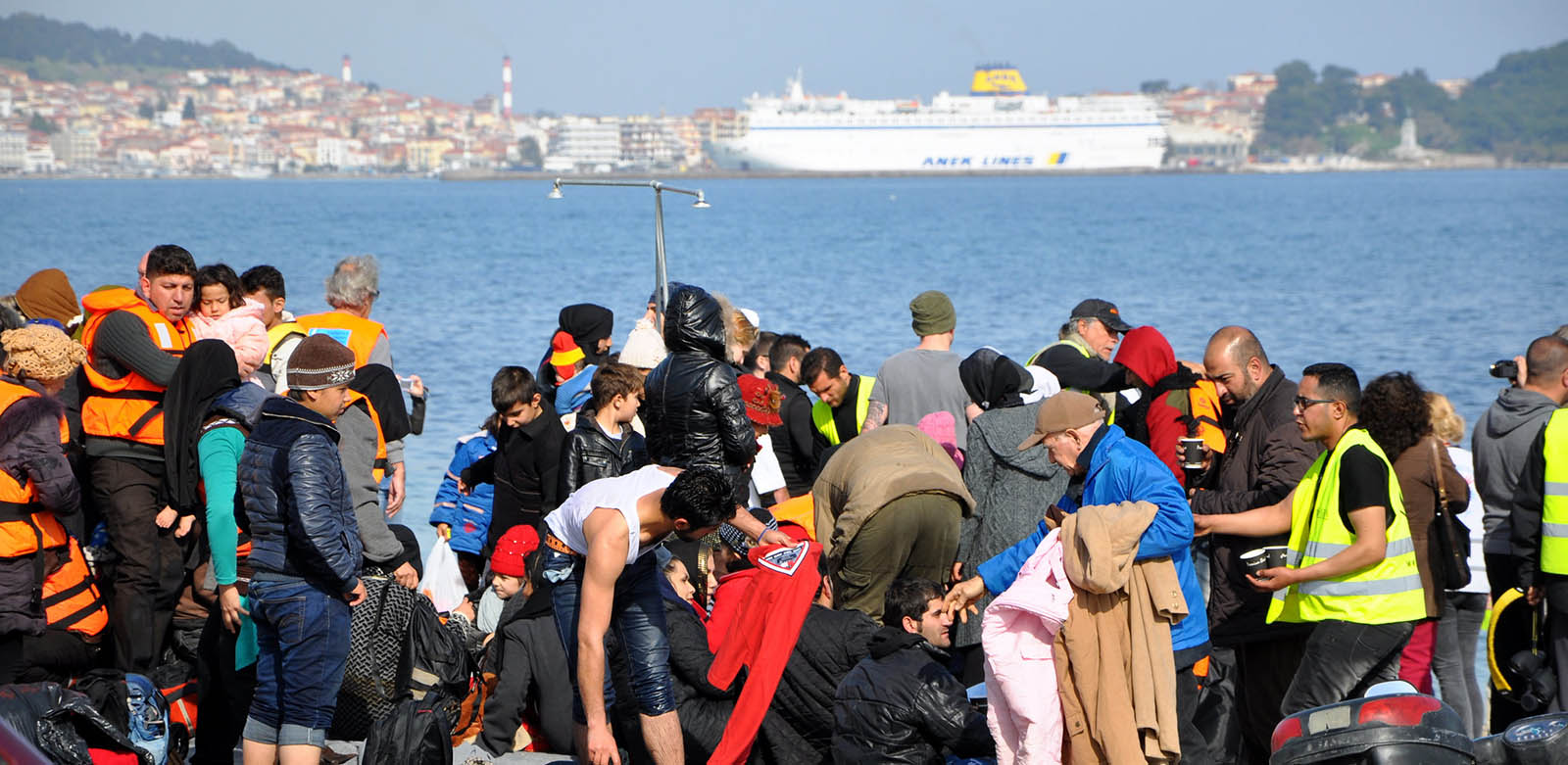
Safe and legal pathways to protection in Europe are scarce. Officially, states should admit only ‘the most vulnerable’ refugees. Yet, writes Natalie Welfens, humanitarian considerations are increasingly bound up with concerns about refugees' social and cultural fit with the admission state Read more
Gemma Dipoppa
The emergence of criminal organisations has been blamed on state weakness. But recent trends in organised crime expansion show that criminal groups often move to states with strong economies and institutions. As mafias establish permanent roots in new countries, Gemma Dipoppa suggests that migrant exploitation might play an important role Read more
Andrea Pritoni
Political scientists are typically accused of remaining in their ivory towers. YePolitical scientists are often accused of hiding away in ivory towers, yet their participation could significantly enhance public debate. Andrea Pritoni and Giulia Vicentini analyse one such case, in Italy. In so doing, they discover a missed opportunity to increase the social relevance of the disciplinet their participation could enhance public debate and increase the social relevance of the discipline. Andrea Pritoni and Giulia Vicentini analyse one such case, in Italian public debate, and discover a missed opportunity Read more
Léonie De Jonge
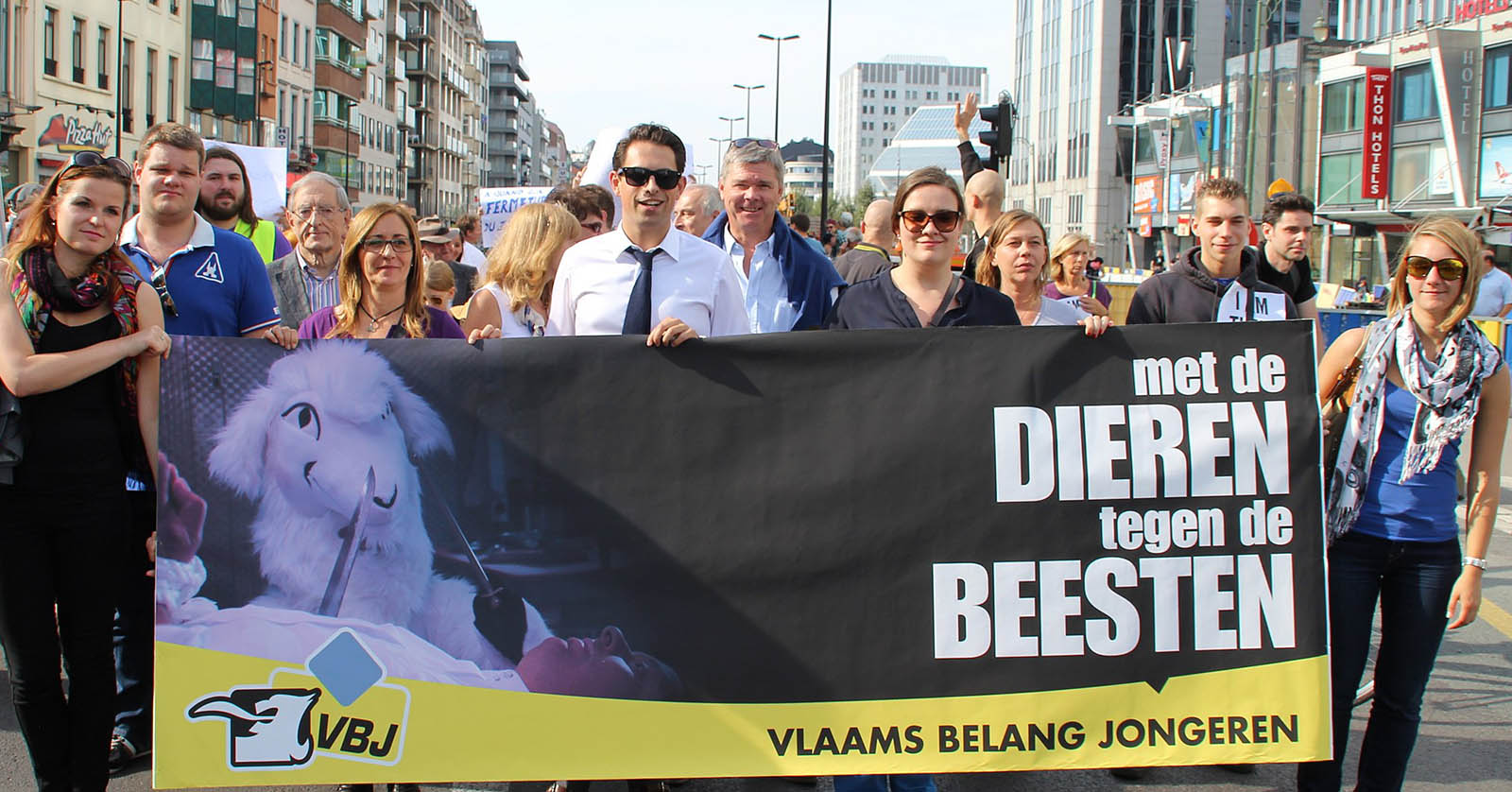
Right-wing populism is not contagious; it only spreads if mainstream parties and the media diffuse it. This helps explain why right-wing populist parties are more successful in the Netherlands and Flanders than in Luxembourg and Wallonia, writes Léonie de Jonge Read more
We use cookies to ensure that we give you the best experience on our website. If you continue to use this site we will assume that you are happy with it.