Lucy Kinski
National politicians in Europe represent their own citizens, but they also consider the concerns of fellow European citizens when making decisions on EU politics, writes Lucy Kinski. Many do not believe that a national focus will solve our common problems, and neither should we Read more
Veronica Anghel
Under the Biden administration, the EU stands to have an ally against authoritarian tendencies in some Central and Eastern European countries writes Veronica Anghel. But US involvement will not be transformative Read more
Elisa Volpi
Political distrust and reduced party identification suggest that political parties are in crisis. Elisa Volpi argues that parties are not in terminal decline, but undergoing a process of adaptation Read more
Maria Gloria Polimeno
The EU has failed to support democracy and political change in the Middle East and North Africa. Maria Gloria Polimeno argues for a more inclusivist social approach, along with radically revised foreign policy Read more
Simon Sweeney
Brexit makes policing less effective and makes developing vital defence capability more difficult, write Simon Sweeney and Neil Winn. Europe needs a strategic partnership which holds Britain close to EU security and defence-related structures, while the British government and industrial interests need strong partnerships with the EU and its member states Read more
Rachel M. Gisselquist
The last several months have given us many reasons to worry about US democracy – not least the riot at the US Capitol and the president’s refusal to accept the results of the November election, with Republican support. Rachel Gisselquist argues that clientelism is yet another reason to worry Read more
Gala Naseva
A lack of state initiatives to curb unemployment among young people in the Western Balkans has resulted in the highest emigration rate in Europe, writes Gala Naseva — and the pandemic is making matters worse for this vulnerable group Read more
Chiara Maritato
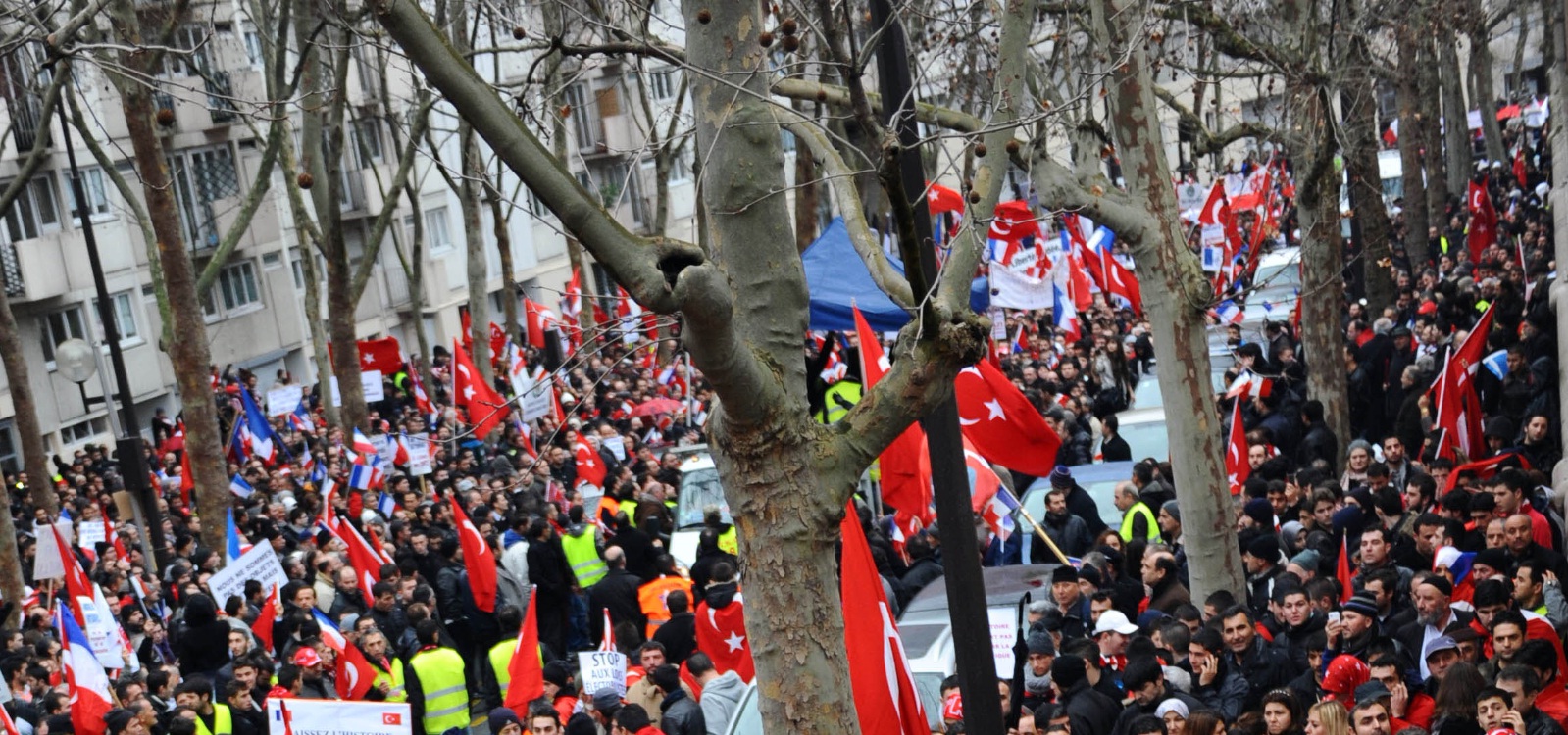
Turkey is upping its game in terms of exercising ‘pastoral power’ over its diaspora communities abroad, aiming to turn them into loyal and disciplined subjects who accept the government’s nationalist discourse, writes Chiara Maritato Read more
We use cookies to ensure that we give you the best experience on our website. If you continue to use this site we will assume that you are happy with it.