Matthijs Bogaards
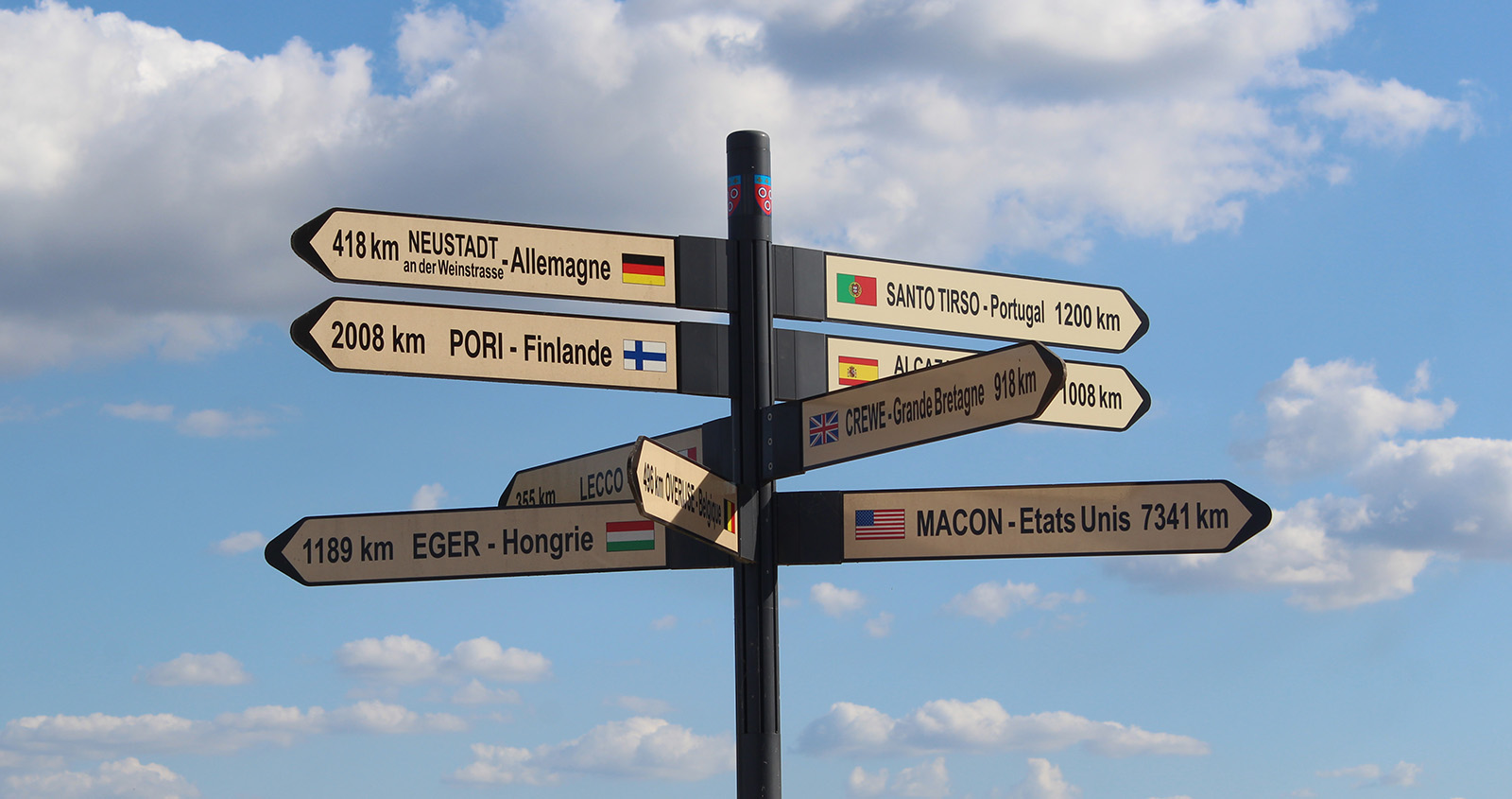
There is no European electorate. When voters elect the European Parliament, they vote for their own parties in their own countries. Many want this to change, but existing reform proposals are not sufficient. Matthijs Bogaards proposes twinning. It works to connect local communities across Europe and it may provide a new way to elect the European Parliament Read more
Calle Håkansson
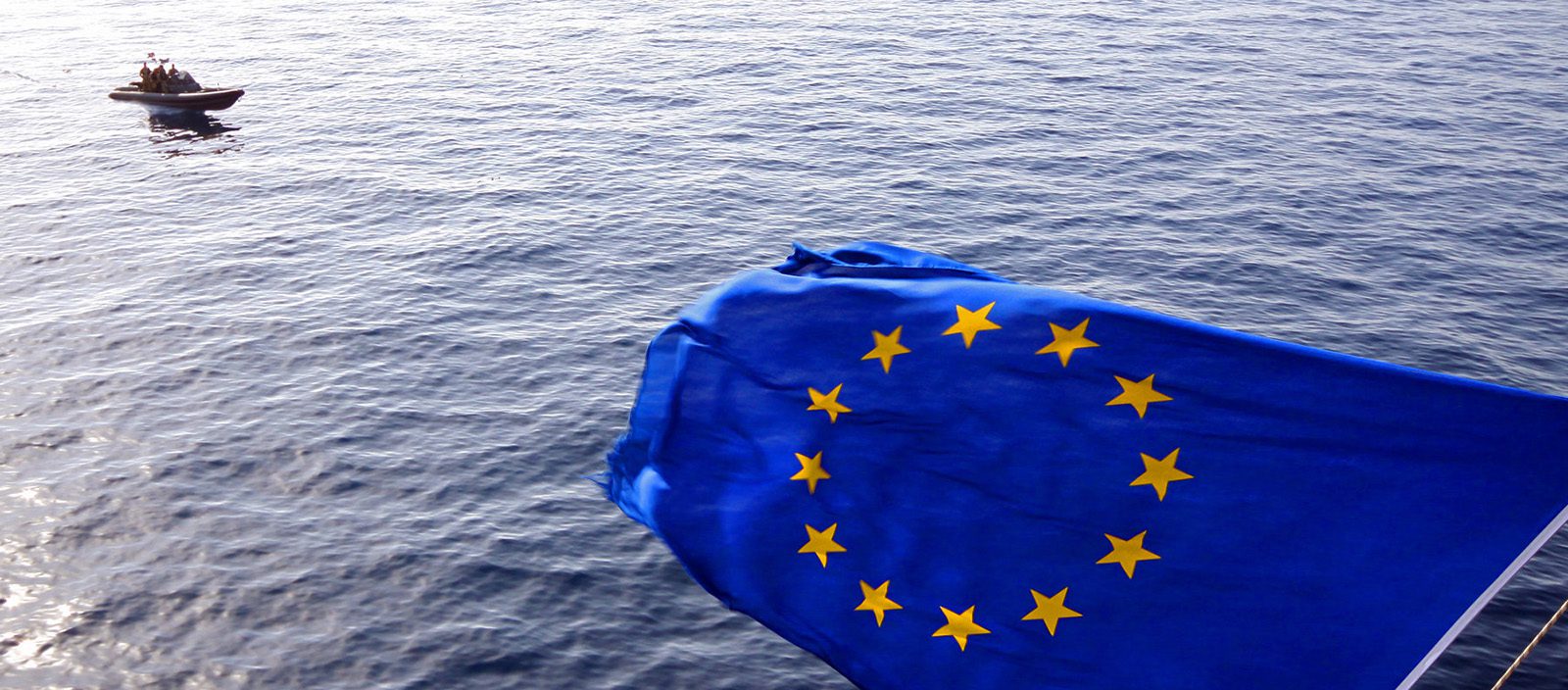
Over the past couple of years, the EU and the European Commission have stepped up security and defence policy cooperation. Calle Håkansson argues that the European Commission's new role blurs the traditional dichotomy between intergovernmental and supranational decision-making Read more
Feargal Cochrane
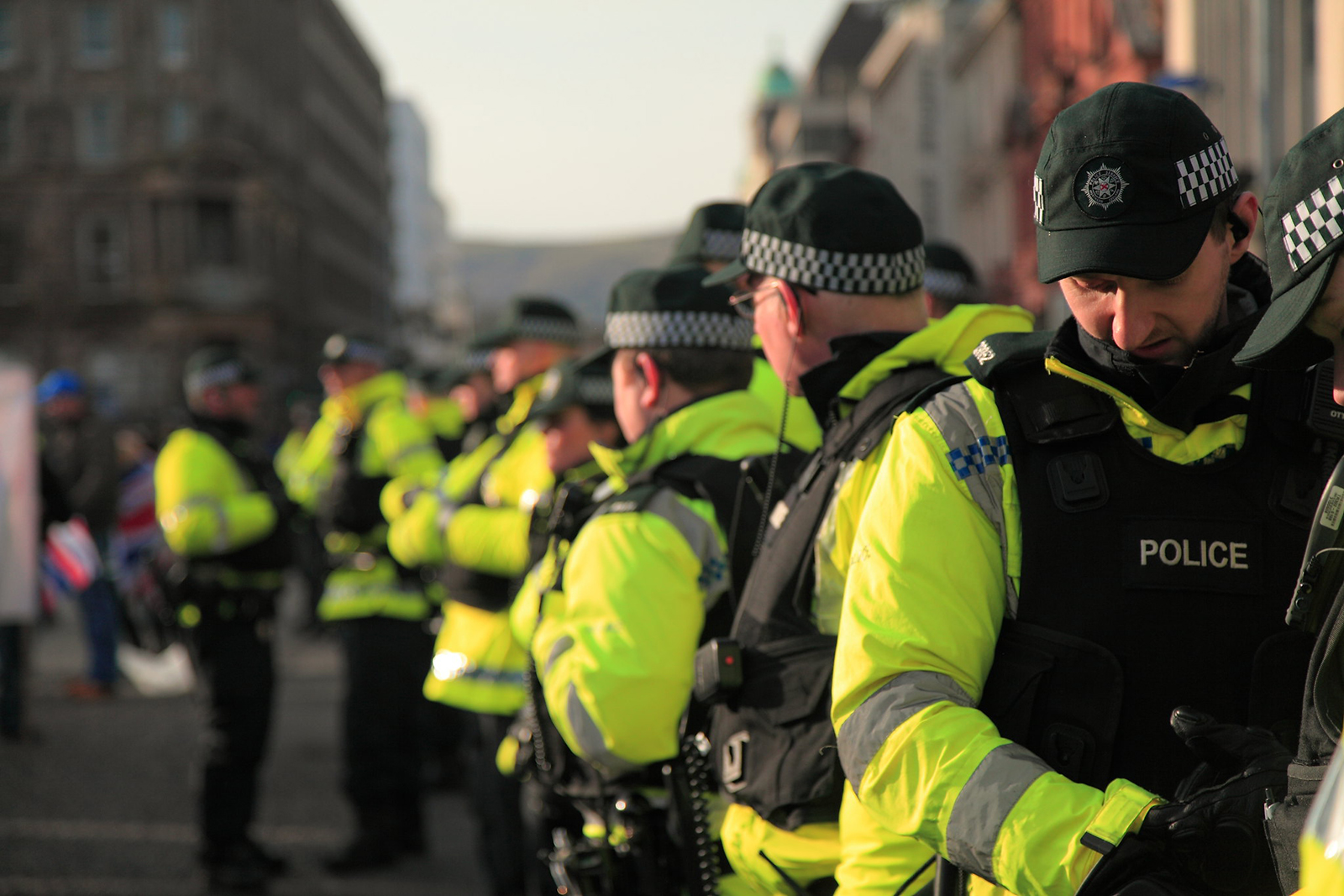
Twenty-three years after the Good Friday Agreement, the political atmosphere in Northern Ireland has reached boiling point. The underlying cause of recent unrest, writes Feargal Cochrane, is Brexit and its particular ramifications for Northern Ireland Read more
Ruairidh Brown
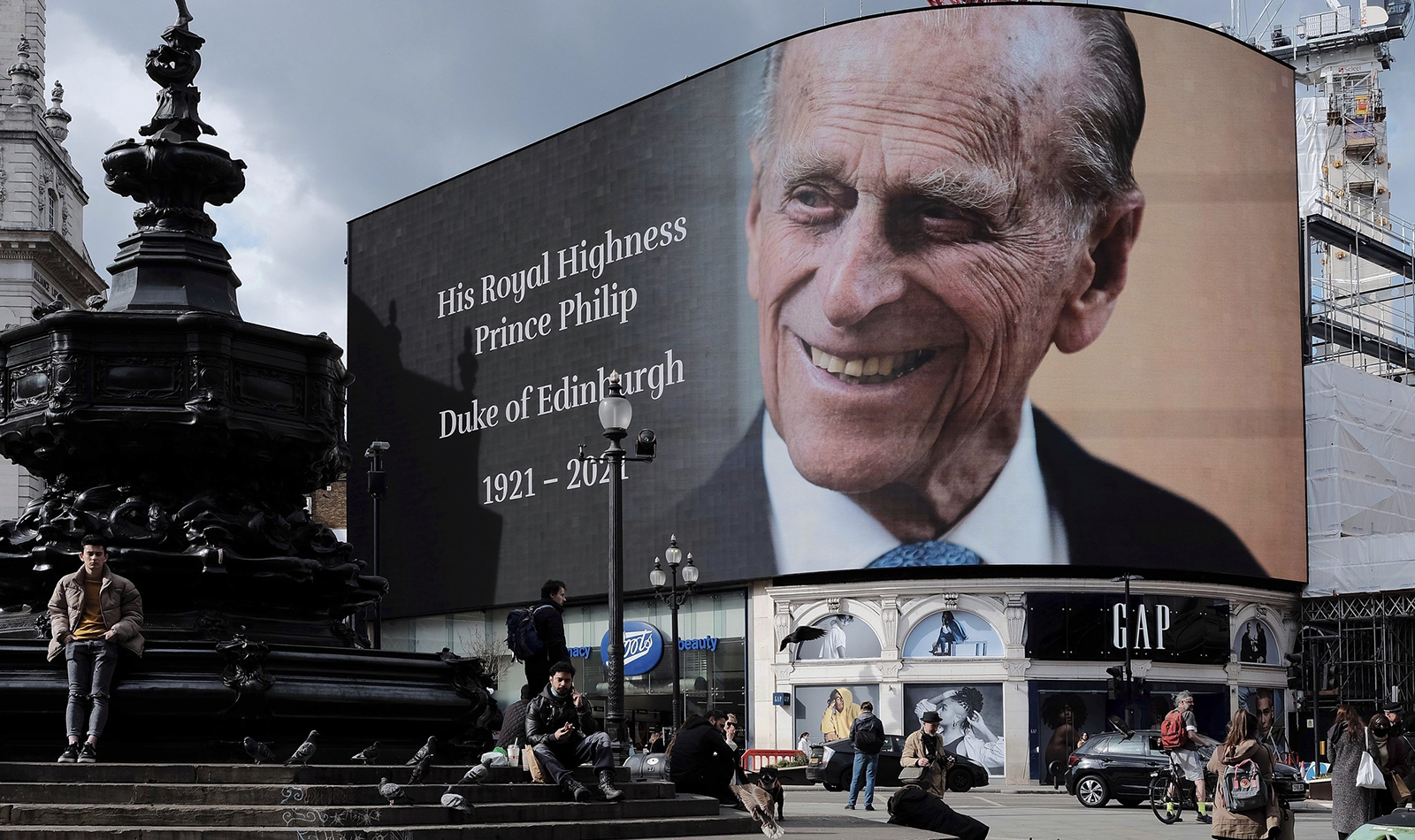
As coverage of Prince Phillip's death becomes the most complained about event in British television history, Ruairidh Brown argues that, despite its role as the UK’s national public broadcaster, the BBC must avoid normative attempts to dictate public sentiment Read more
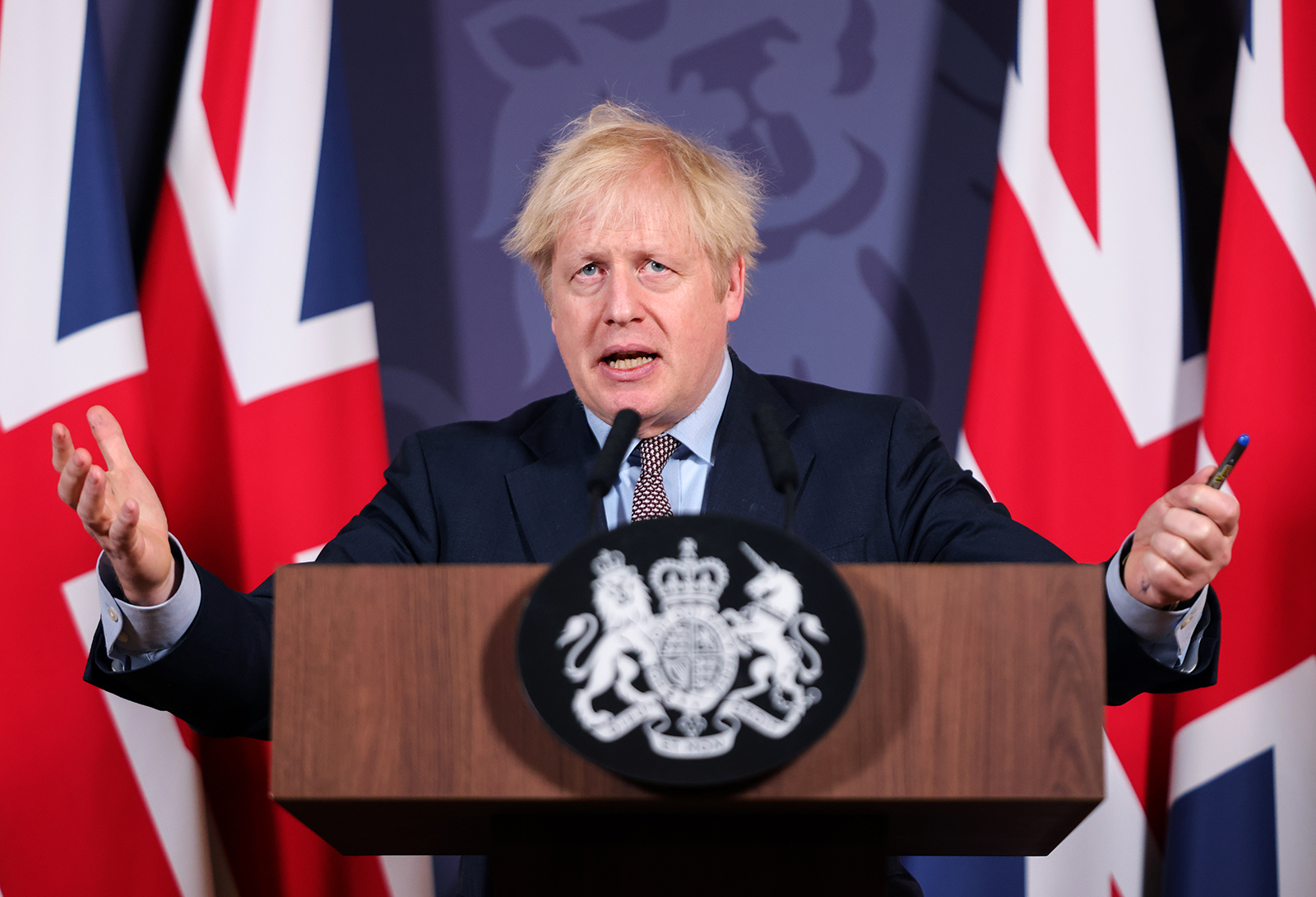
Ruairidh Brown
Too close an association between the BBC and the Union flag will damage the former’s claims to objectivity, writes Ruairidh Brown. It comes at a time when the impartiality of the service is increasingly challenged – at home and abroad Read more
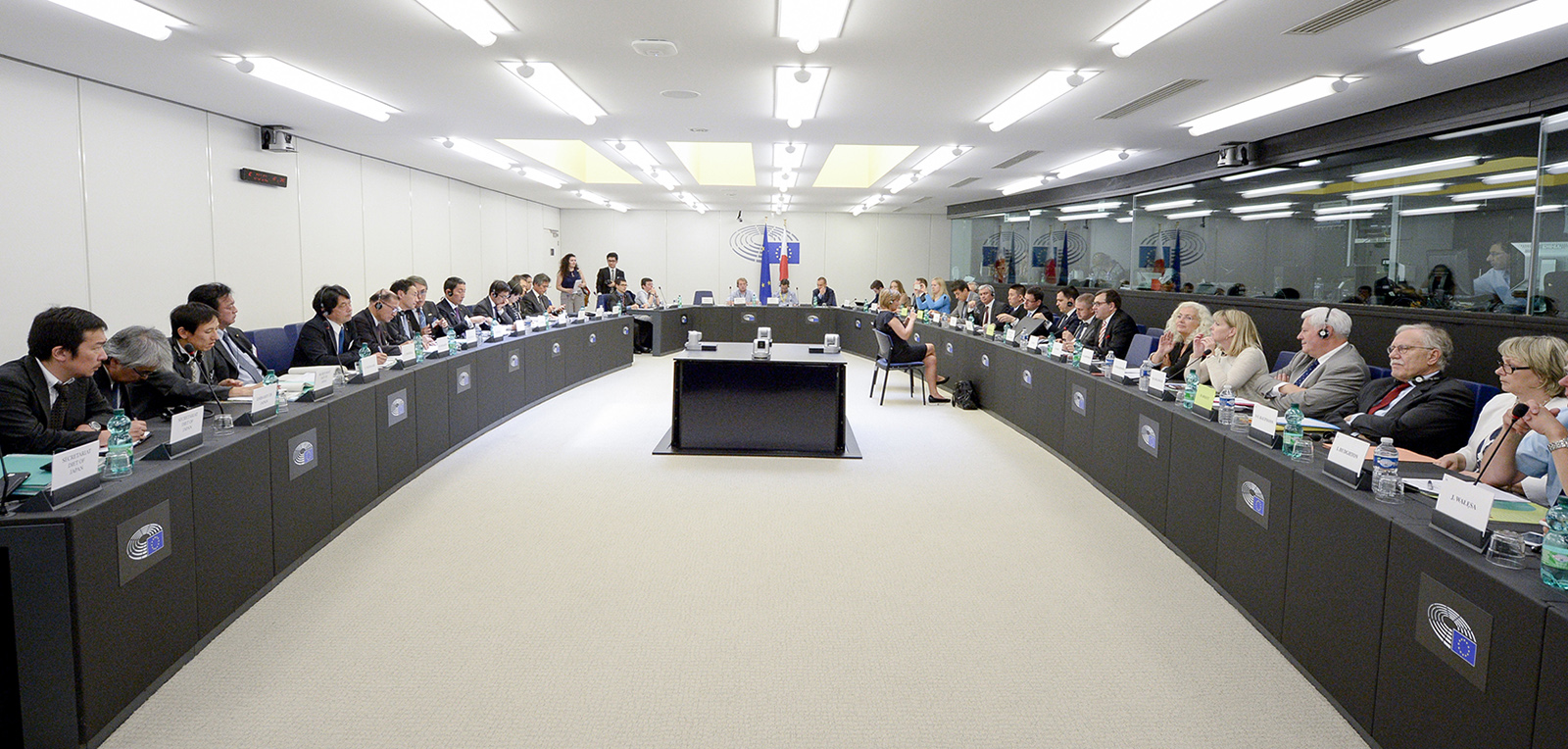
Noe Hinck
The European Union has faced a long struggle performing alongside its member states on the international stage. States seek other states to deliberate over global issues. Noe Hinck argues that the newly concluded EU-Japan Economic Partnership Agreement may be the key to changing this status quo Read more
Christine Hackenesch
Once seen as a low salience policy that member states and citizens supported without much debate, EU development policy is now politicised – inside and outside the Union. Christine Hackenesch, Julian Bergmann and Jan Orbie argue that this trend may hamper EU collective action Read more
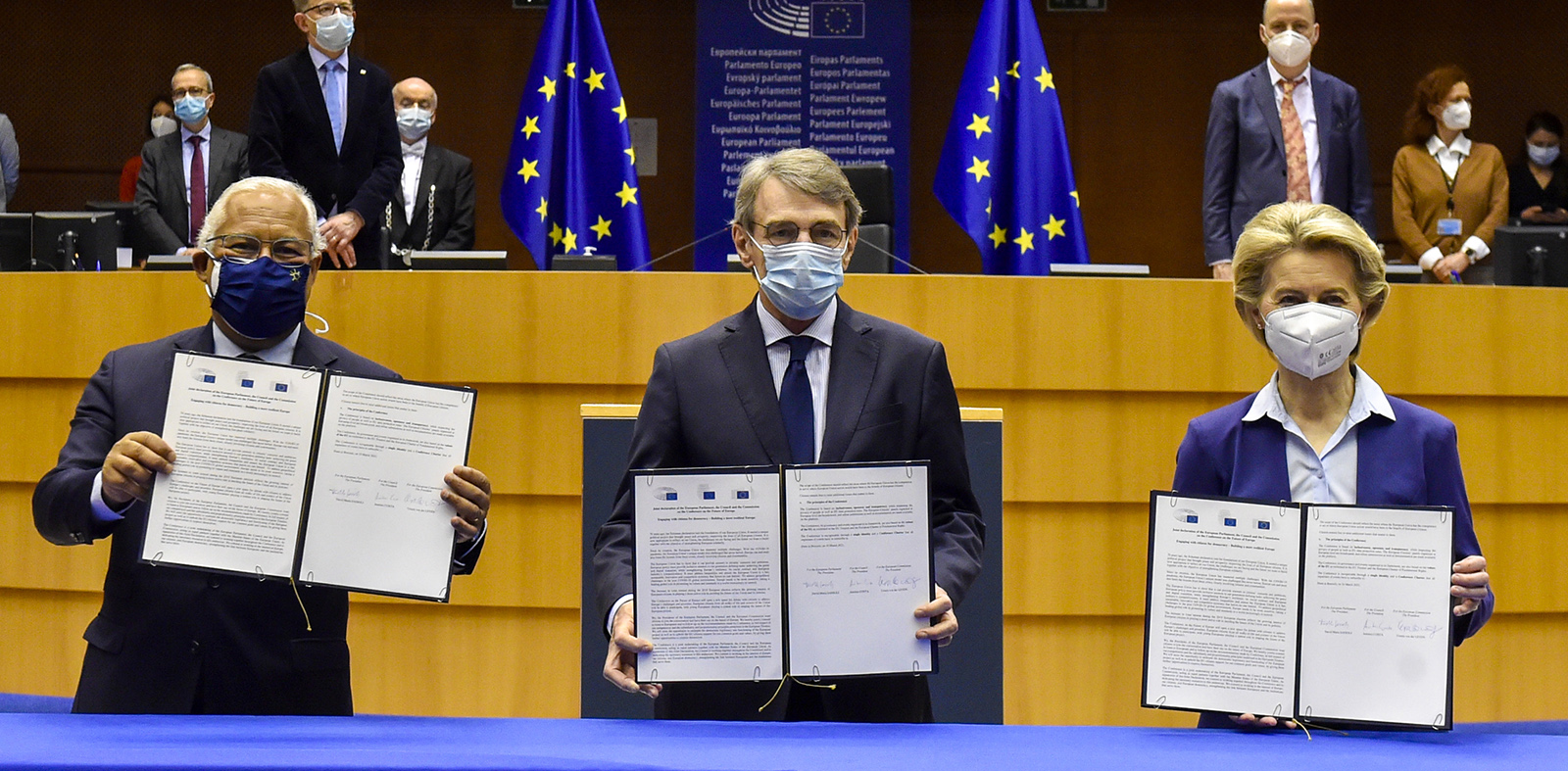
Markus Patberg
The Conference on the Future of Europe aims to produce proposals for EU ureform in a participatory manner. Yet, writes Markus Patberg, its setup suggests top-down steering, and lacks a clear conception of democratic authorisation. The envisaged forms of broad but unsystematic inclusion might even be counterproductive to the declared goal of empowering citizens Read more
We use cookies to ensure that we give you the best experience on our website. If you continue to use this site we will assume that you are happy with it.