Jasper Bongers
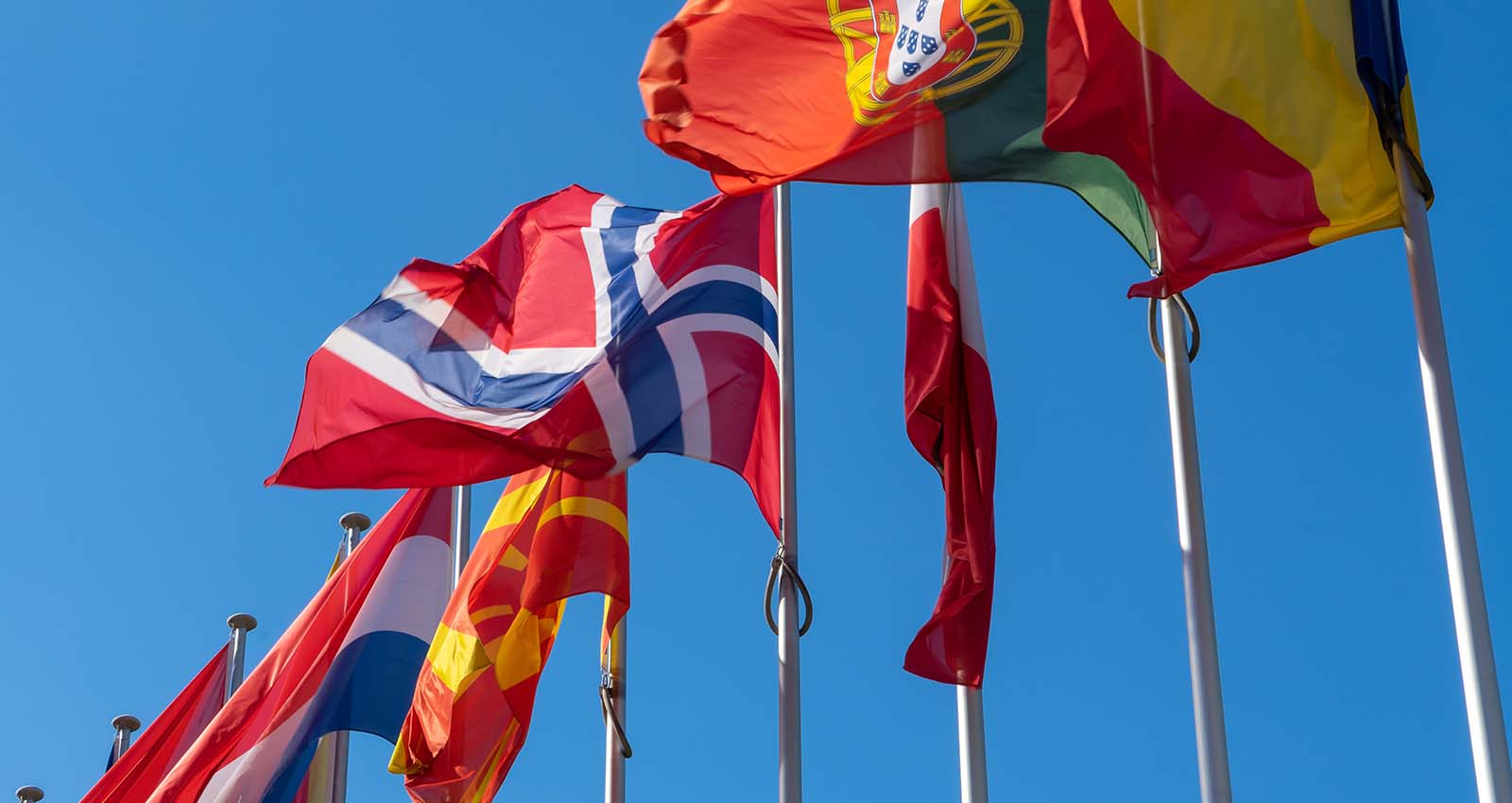
To facilitate interdisciplinary communication and deepen our shared understanding of European cooperation dynamics, Jasper Bongers, Lynn Hillary & Guus Wieman have developed the concept of aligning rulesets. Read more
Nicholas Charron
Citizens across Europe identify with Europe in different ways. Those with a civic conception of what it means to ‘be European’ are more supportive of sharing resources across borders. Those that identify with Europe based on religion are much more sceptical, write Nicholas Charron and Monika Bauhr Read more
Constance Woollen
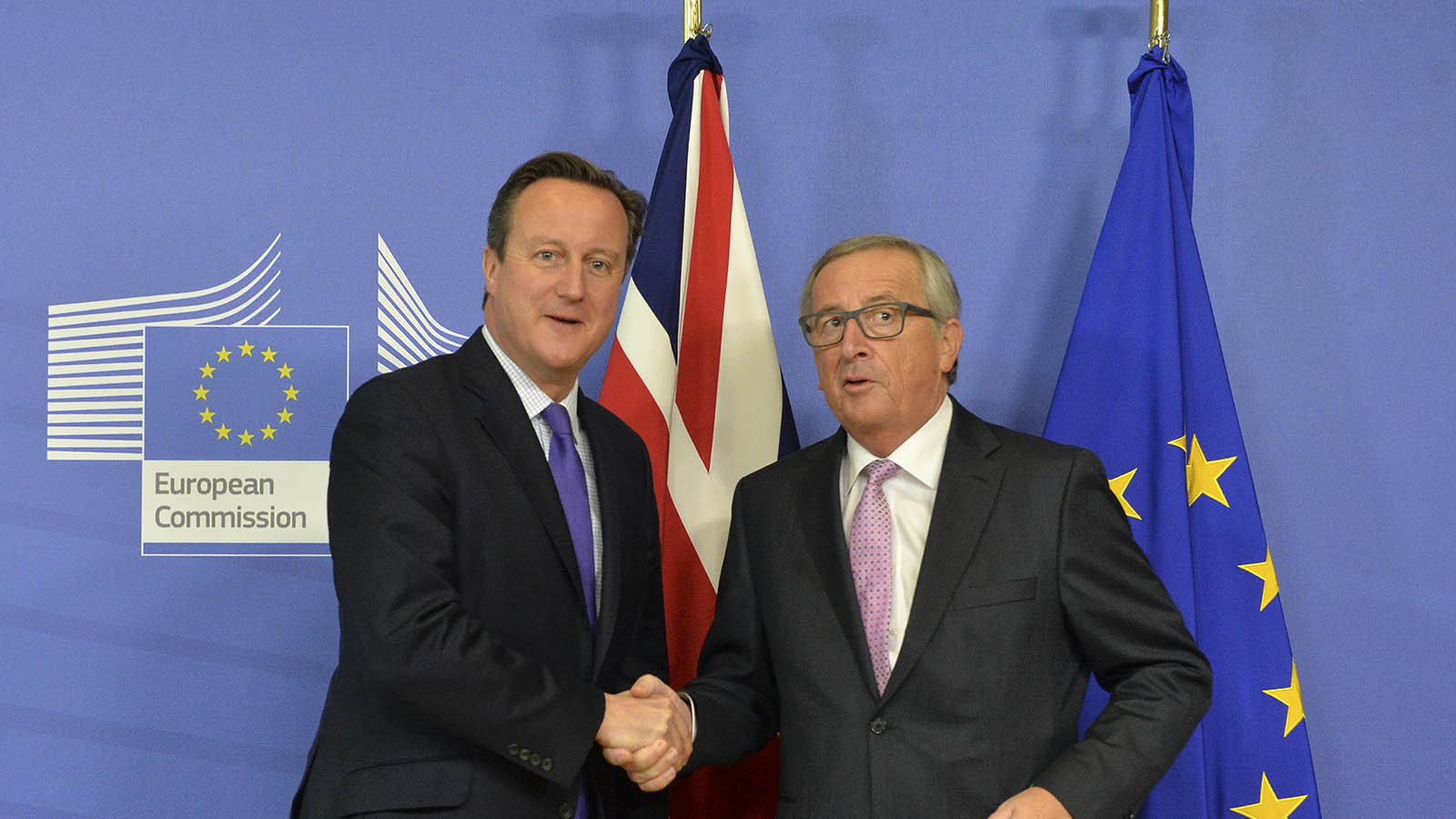
British politics has, traditionally, been divided along straightforward left-right lines. But Brexit disrupted this pattern, creating opportunities for a ‘European integration dimension’ to take hold, argues Connie Woollen. The deep rifts in public opinion, within parties and in Parliament, could dramatically reshape British electoral politics Read more
Vassilis Petsinis
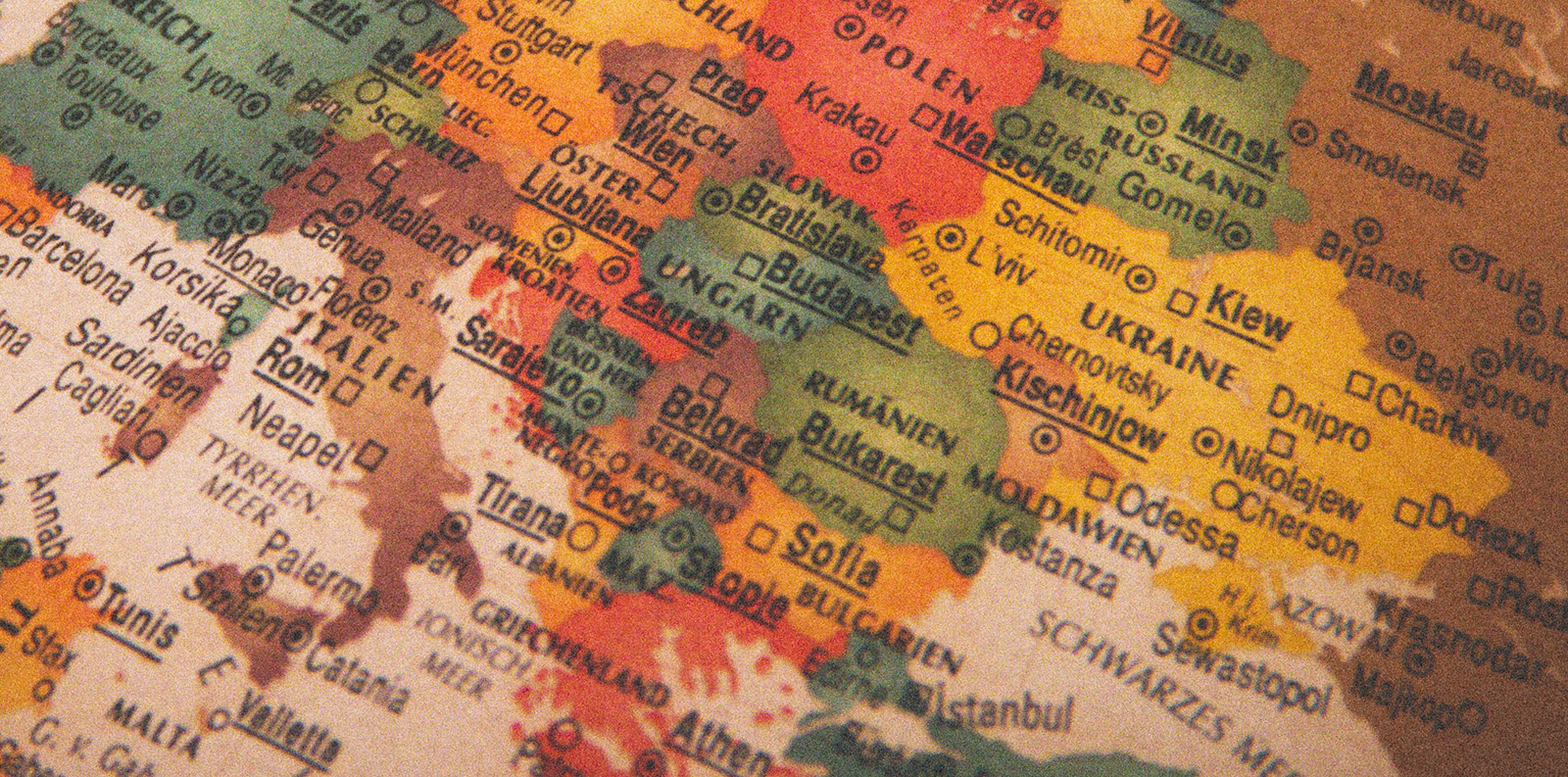
Euroscepticism manifests itself in different ways in the Balkans. Why? Vassilis Petsinis argues that grasping the differences between attitudes in different Balkan nations helps explain Serbia’s long and complex EU accession process Read more
Markus Patberg
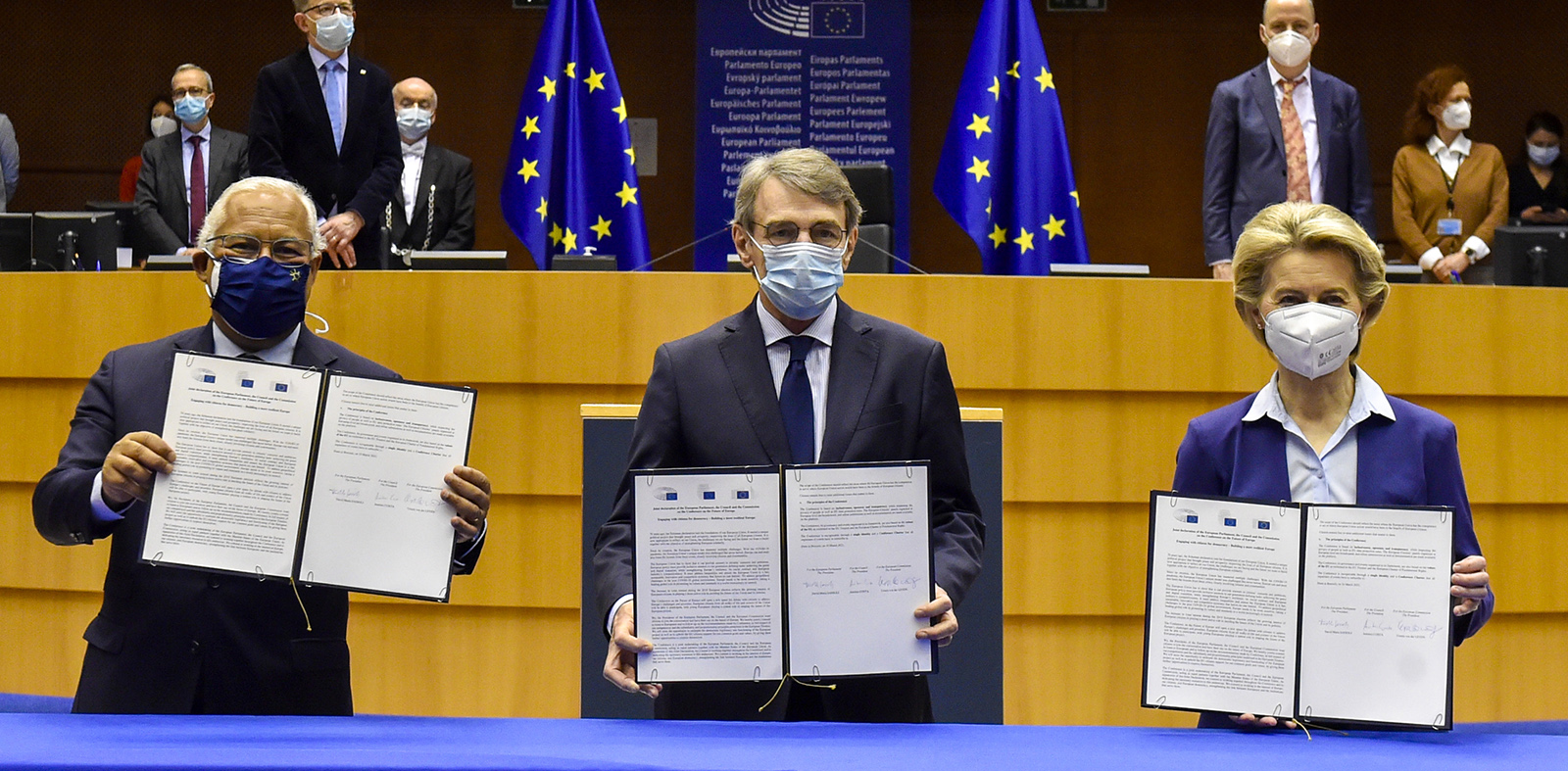
The Conference on the Future of Europe aims to produce proposals for EU ureform in a participatory manner. Yet, writes Markus Patberg, its setup suggests top-down steering, and lacks a clear conception of democratic authorisation. The envisaged forms of broad but unsystematic inclusion might even be counterproductive to the declared goal of empowering citizens Read more
Benjamin Leruth
A new European party, Volt, debuted in the Tweede Kamer following last week's Dutch elections. The party faces challenges, but it could play a role in domestic political landscapes throughout Europe, writes Benjamin Leruth Read more
Angie Gago
From 2014, ECJ decisions on welfare access have departed significantly from previous case law. Angie Gago and Francesco Maiani analyse two Court dialogues, one with the EU legislator, the other with national authorities Read more
Sergio Fabbrini
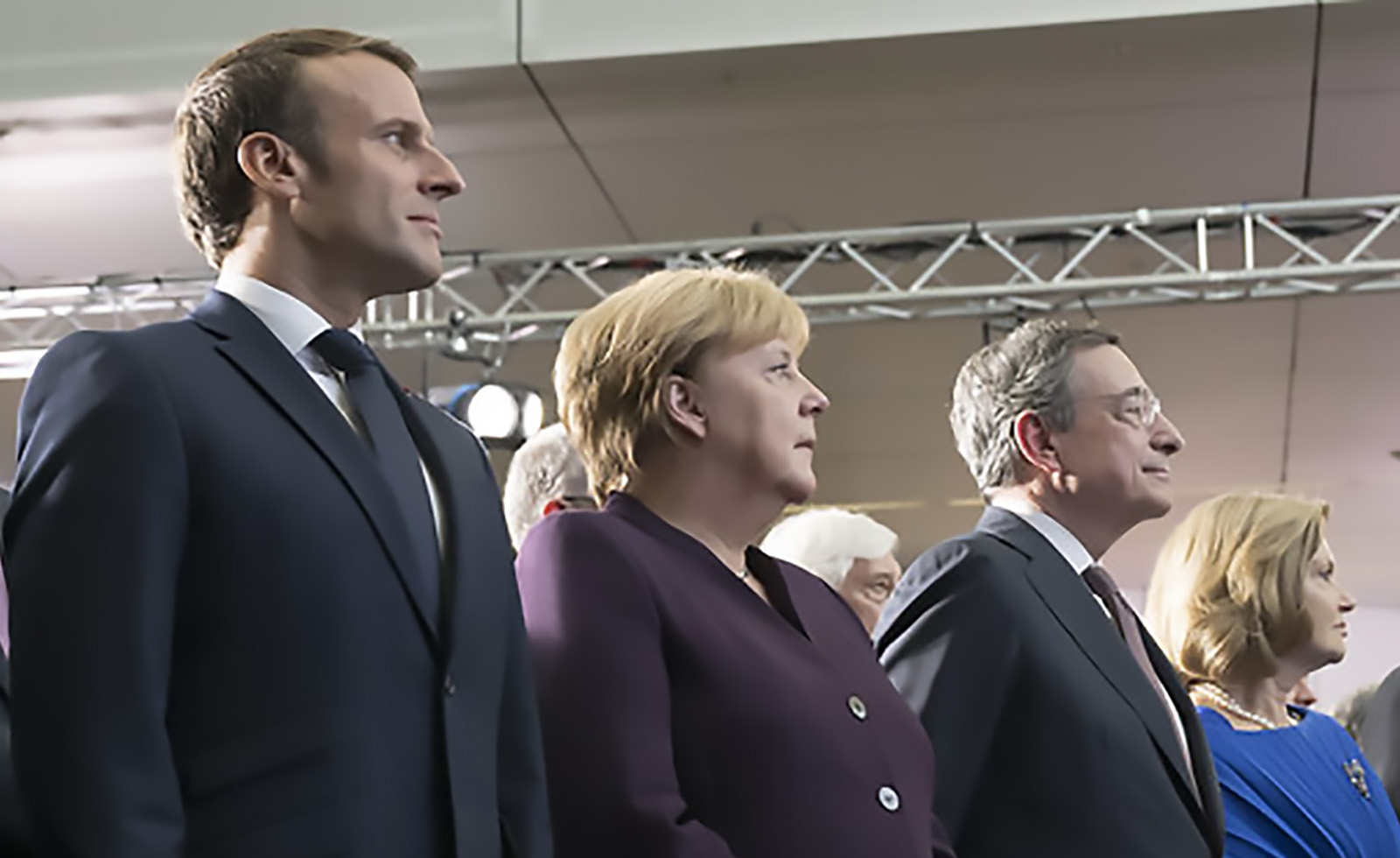
Although appointed unexpectedly, Mario Draghi is much more than just a stop-gap, technocratic Prime Minister. Sergio Fabbrini argues that Draghi's vision for Europe could make Italy one of the key voices in the European debate Read more
We use necessary cookies to make our site work. We'd also like to set analytics cookies that help us make improvements by measuring how you use the site. These will be set only if you accept.
▼
Strictly Necessary Cookies
Necessary cookies enable core functionality such as security, network management, and accessibility. You may disable these by changing your browser settings, but this may affect how the website functions.
▼
Analytics Cookies
Google Analytics
We'd like to set Google Analytics cookies to help us improve our website by collecting and reporting information on how you use it. The cookies collect information in a way that does not directly identify anyone. For more information on how these cookies work please see our Privacy Notice.