Svend-Erik Skaaning
Many observers say that democracy has undergone a large-scale global decline in recent decades. However, presenting evidence differently leads us to different conclusions. This calls for increased caution and reflection among those discussing democratic trends, writes Svend-Erik Skaaning Read more
Bakhytzhan Kurmanov
To understand today’s autocratic regimes, we should look at how they exploit social media, argues Bakhyzhan Kurmanov. In Kazakhstan, a referendum in the name of ‘open government’ is effectively a sham. What's more, it is a cover for autocratic practices of silencing dissent Read more
Catherine Owen
Catherine Owen argues that understanding how regime type influences public sector performance can illuminate varieties of ‘authoritarian public policy’ and the resilience of authoritarian states. To do so, she calls on the fields of public administration and comparative politics to work together Read more
Salah Ben Hammou
Researchers of authoritarian politics and civil-military relations have long examined military rule. However, our understanding of civilian participation in military regimes remains limited and requires greater analytical attention, argues Salah Ben Hammou. Amid last year’s coup resurgence, researchers must move to appreciate the subtle but salient differences among military dictatorships Read more
Hager Ali
The study of regime types, Hager Ali argues, is imbalanced. Theories and concepts of democracy have received attention for decades. But amid the resurgence of autocracies, scholars of authoritarianism still do not have the luxury of nuanced typologies to dissect the broad spectrum of non-democratic regimes Read more
Hannah Muzee
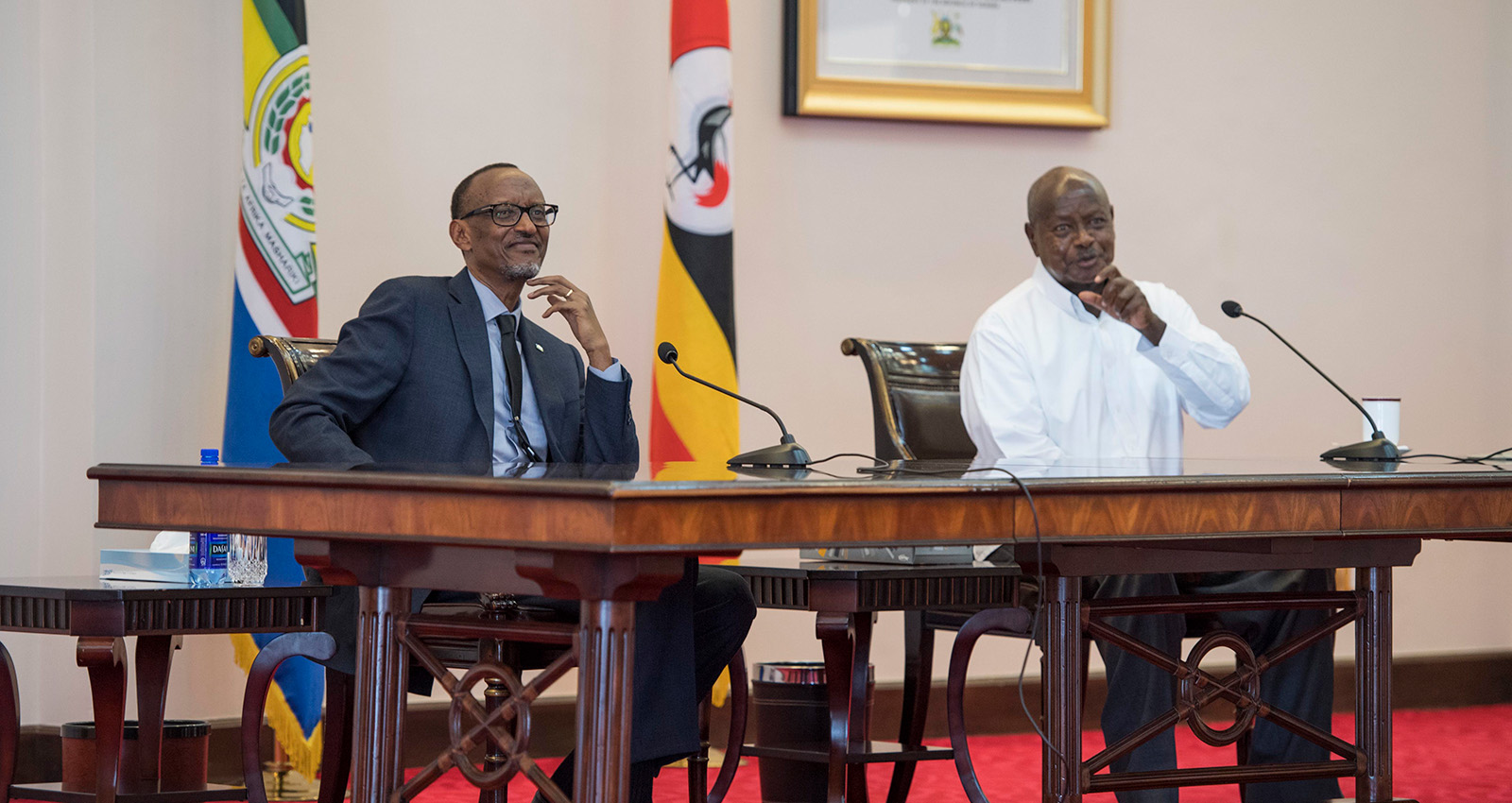
The new democratically oriented regimes that emerged in Rwanda and Uganda after the 1980s aspired to overcome postcolonial sectarianism. Those aspirations now appear largely to have receded, argue Hannah Muzee and Femi Mimiko, as both regimes have drifted into personalised politics and illiberal practices Read more
Rongxin Li
Unlike Western nations, China is reintroducing restrictions to counter the latest wave of Covid-19. Rongxin Li explains China's pandemic policy and its apparent acceptance by the Chinese people in the context of authoritarian resilience Read more
Consuelo Thiers
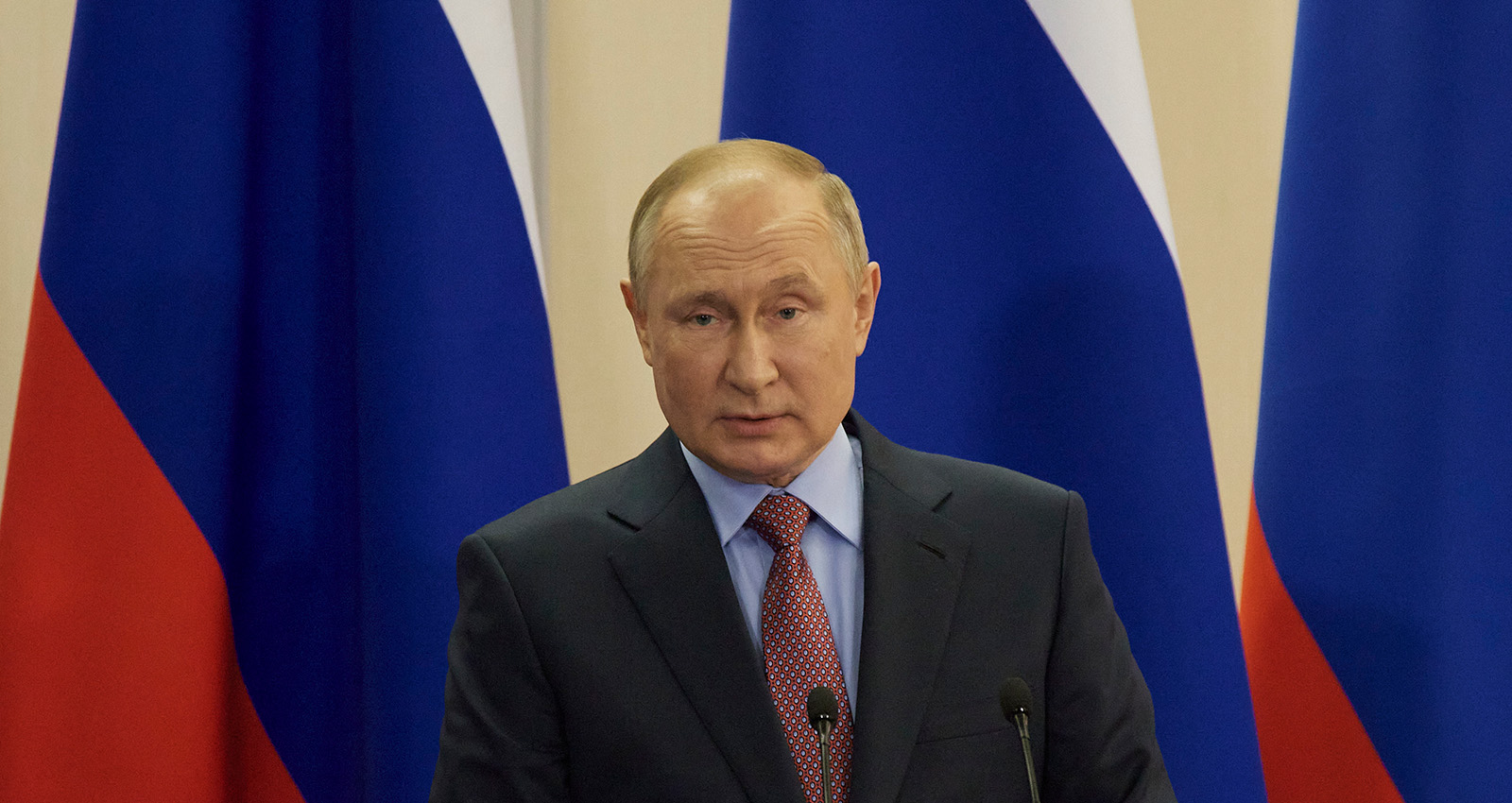
Understanding political leaders' psychology is crucial to making sense of foreign policy decision-making processes. Consuelo Thiers highlights Putin's change of beliefs as a key factor in explaining his decision to wage war against Ukraine Read more
We use necessary cookies to make our site work. We'd also like to set analytics cookies that help us make improvements by measuring how you use the site. These will be set only if you accept.
▼
Strictly Necessary Cookies
Necessary cookies enable core functionality such as security, network management, and accessibility. You may disable these by changing your browser settings, but this may affect how the website functions.
▼
Analytics Cookies
Google Analytics
We'd like to set Google Analytics cookies to help us improve our website by collecting and reporting information on how you use it. The cookies collect information in a way that does not directly identify anyone. For more information on how these cookies work please see our Privacy Notice.