Eduardo Burkle
The role of the private sector is often overlooked in evaluating a country’s performance on human rights. Eduardo Burkle and Ella Fraser explore new data showing how private sector actions can be damaging to human rights. The potential for the private sector to improve human rights exists, but is currently untapped Read more
Kiran Auerbach
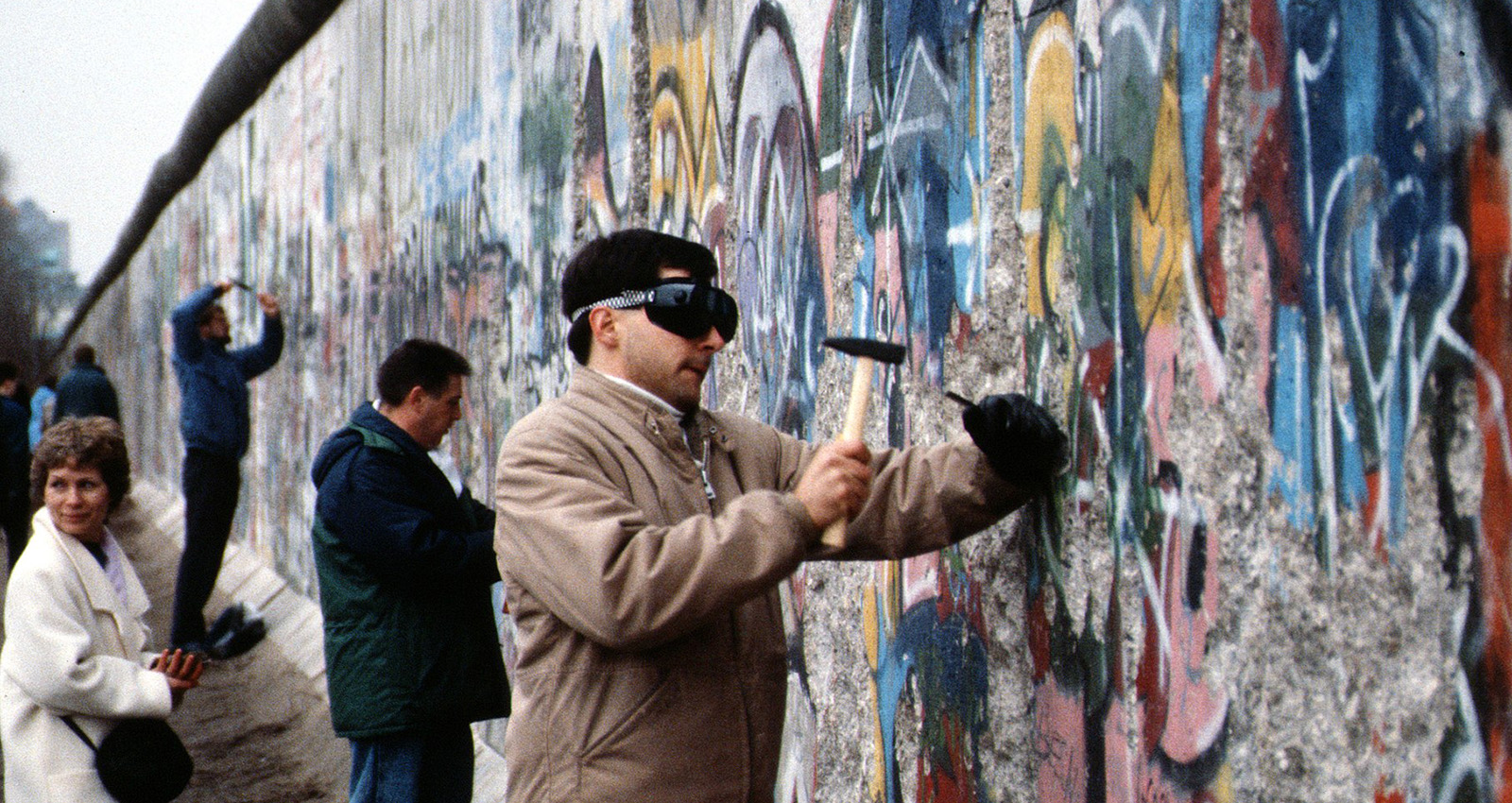
What explains democratic skepticism in Central and Eastern Europe? Kiran Auerbach and Bilyana Petrova show that post-communist citizens’ low support for democracy is linked to dissatisfaction with the way democracy is practiced in their countries Read more
Sergio Ricardo Quiroga
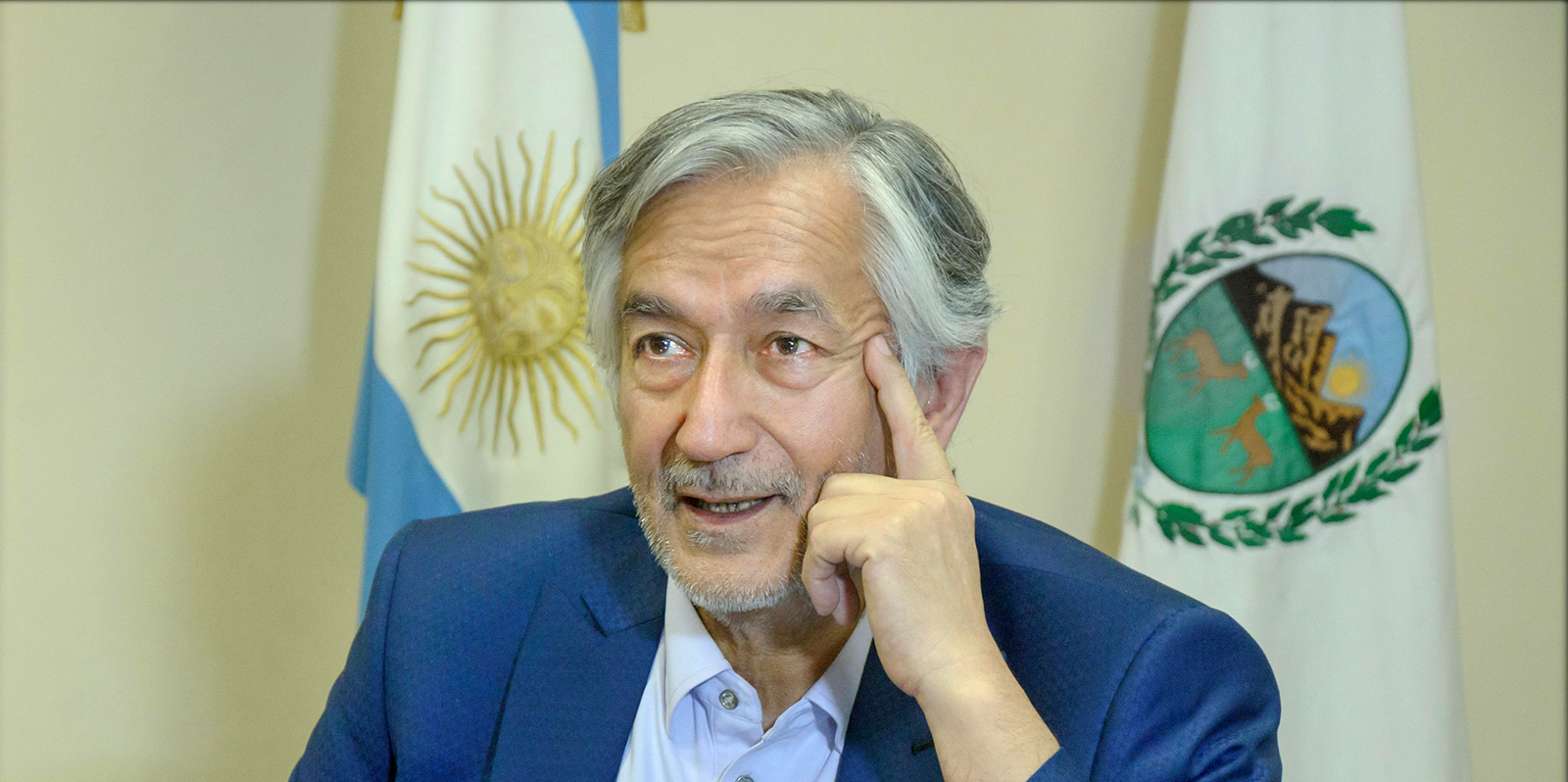
Kirchnerism emerged from Argentine Peronism, spearheaded by Néstor Kirchner and Cristina Fernández de Kirchner. Since 2003, it has built a cultural and political hegemony that denies Argentinian citizens their political and civil liberties, writes Sergio Quiroga. Read more
Ruairidh Brown
The first obstacle in holding an Independence Referendum is assuring its legitimacy. To do so, says Ruairidh Brown, the SNP-Green alliance have implied the UK Government has no moral authority to deny Scots a choice on their future Read more
Andrew Richard Ryder
Since 2010, Hungarian Prime Minister Viktor Orbán has carried through measures that have undermined the rule of law, with no prospect for changing this trajectory. However, argues Andrew Richard Ryder, current events present opportunities for a return to democratic values in Hungary Read more
Simon Weschle
The UK government is embroiled in a sleaze scandal after a Conservative Member of Parliament was found to have lobbied for a company in which he held a second job. Simon Weschle argues that these jobs have systematic consequences for how legislators behave in parliament — some problematic, some not Read more
Sergio Ricardo Quiroga
As Argentina heads for primary and then legislative elections in September, Sergio Ricardo Quiroga assesses the state of Argentinian politics through election build-up in a single province, San Luis. He finds that Argentina’s socioeconomic crisis cannot be resolved without first confronting its crisis of democracy Read more
Gemma Dipoppa
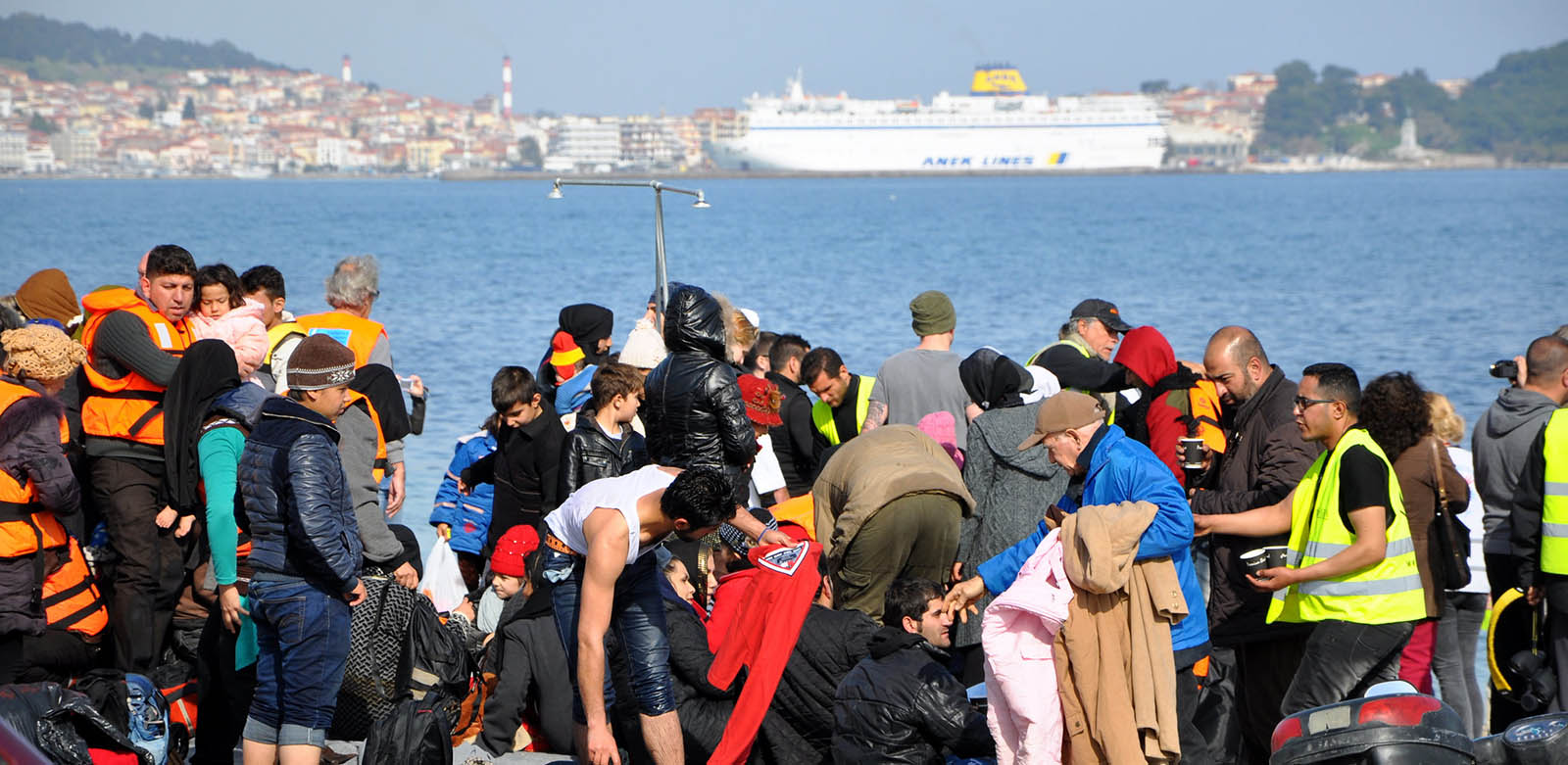
The emergence of criminal organisations has been blamed on state weakness. But recent trends in organised crime expansion show that criminal groups often move to states with strong economies and institutions. As mafias establish permanent roots in new countries, Gemma Dipoppa suggests that migrant exploitation might play an important role Read more
We use necessary cookies to make our site work. We'd also like to set analytics cookies that help us make improvements by measuring how you use the site. These will be set only if you accept.
▼
Strictly Necessary Cookies
Necessary cookies enable core functionality such as security, network management, and accessibility. You may disable these by changing your browser settings, but this may affect how the website functions.
▼
Analytics Cookies
Google Analytics
We'd like to set Google Analytics cookies to help us improve our website by collecting and reporting information on how you use it. The cookies collect information in a way that does not directly identify anyone. For more information on how these cookies work please see our Privacy Notice.