Sonia Alonso Sáenz de Oger
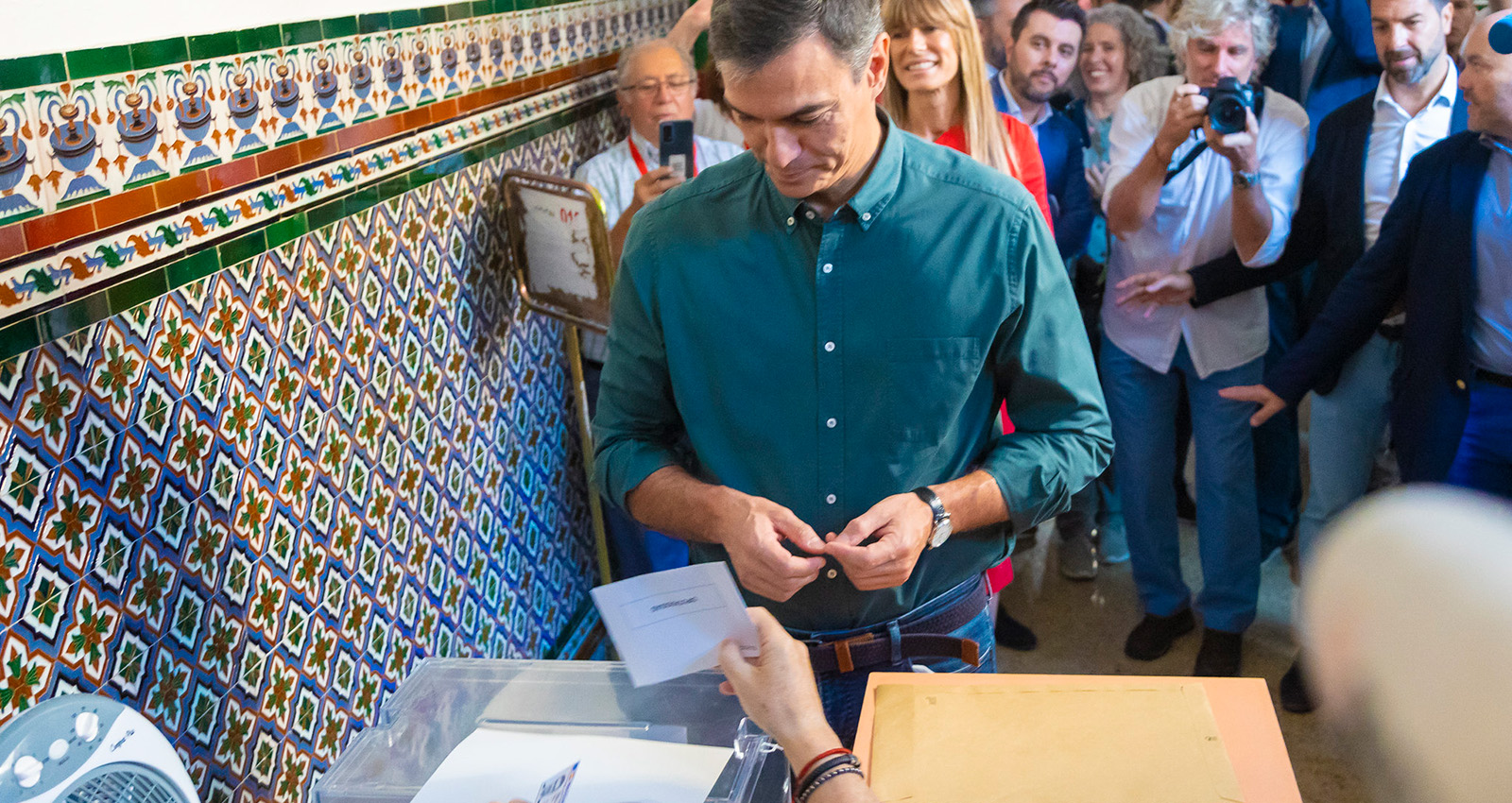
After Spain’s parliamentary elections on Sunday, the national right parties won more seats, but the left parties have a better chance of governing. Sonia Alonso and Bonnie N. Field examine the territorial and national identity divisions that will make or break governance Read more
Massimo D'Angelo
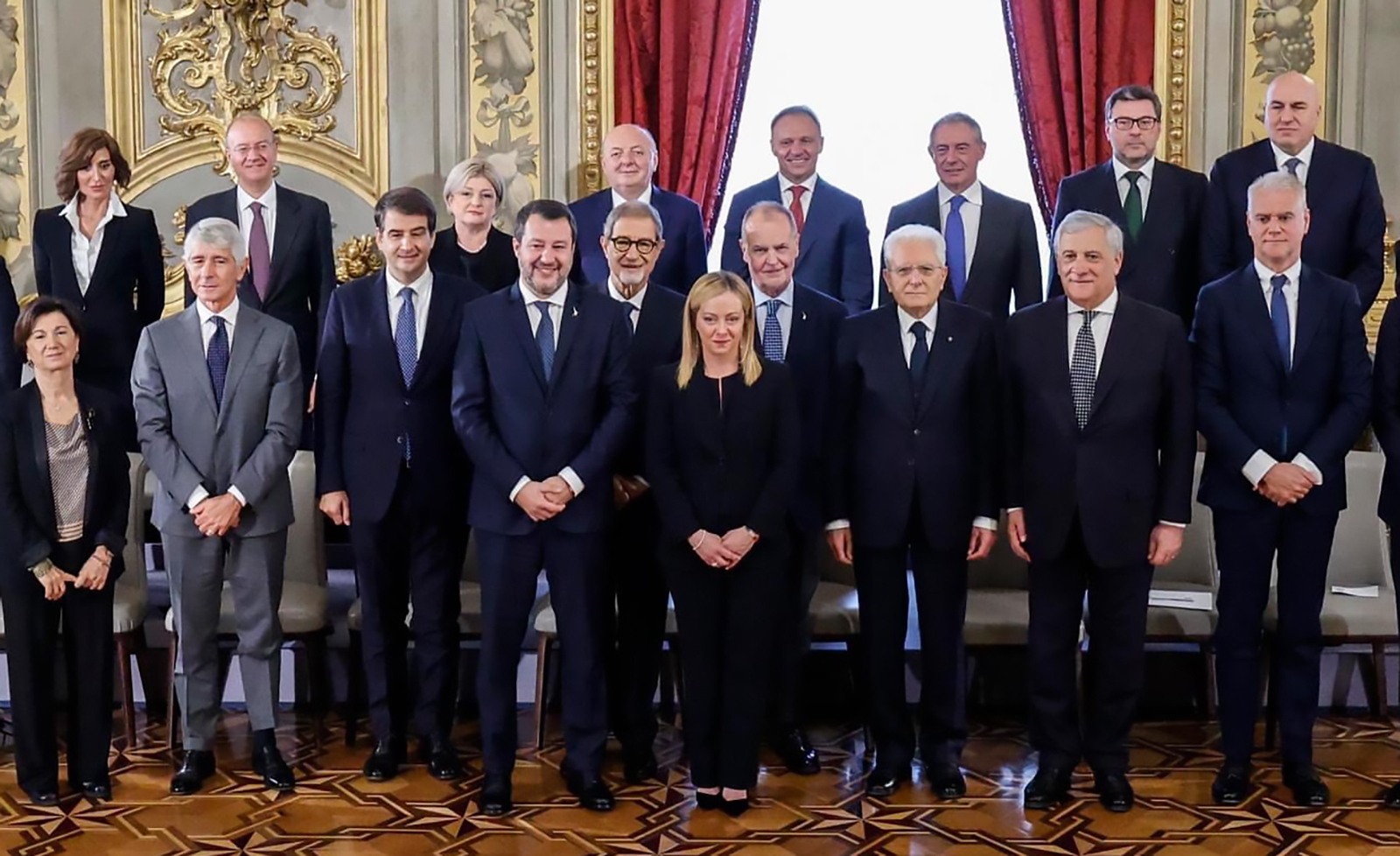
On 21 October 2022, Giorgia Meloni became the first female Italian Prime Minister. She is also the head of the most right-wing government in the history of the Republic. Massimo D’Angelo explores the implications for Italy’s foreign policy and European outlook, as well as the lure of authoritarianism in some European governments Read more
Luca Manucci
Luca Manucci argues that illiberalism and autocratisation have too readily been labelled as ‘populism’, an all-embracing concept which simply helps to provide cover to the neo-fascist cause. This has led to surprise when a politician like Giorgia Meloni, leading a party with neo-fascist roots, reaches the brink of power Read more
Julian G. Waller
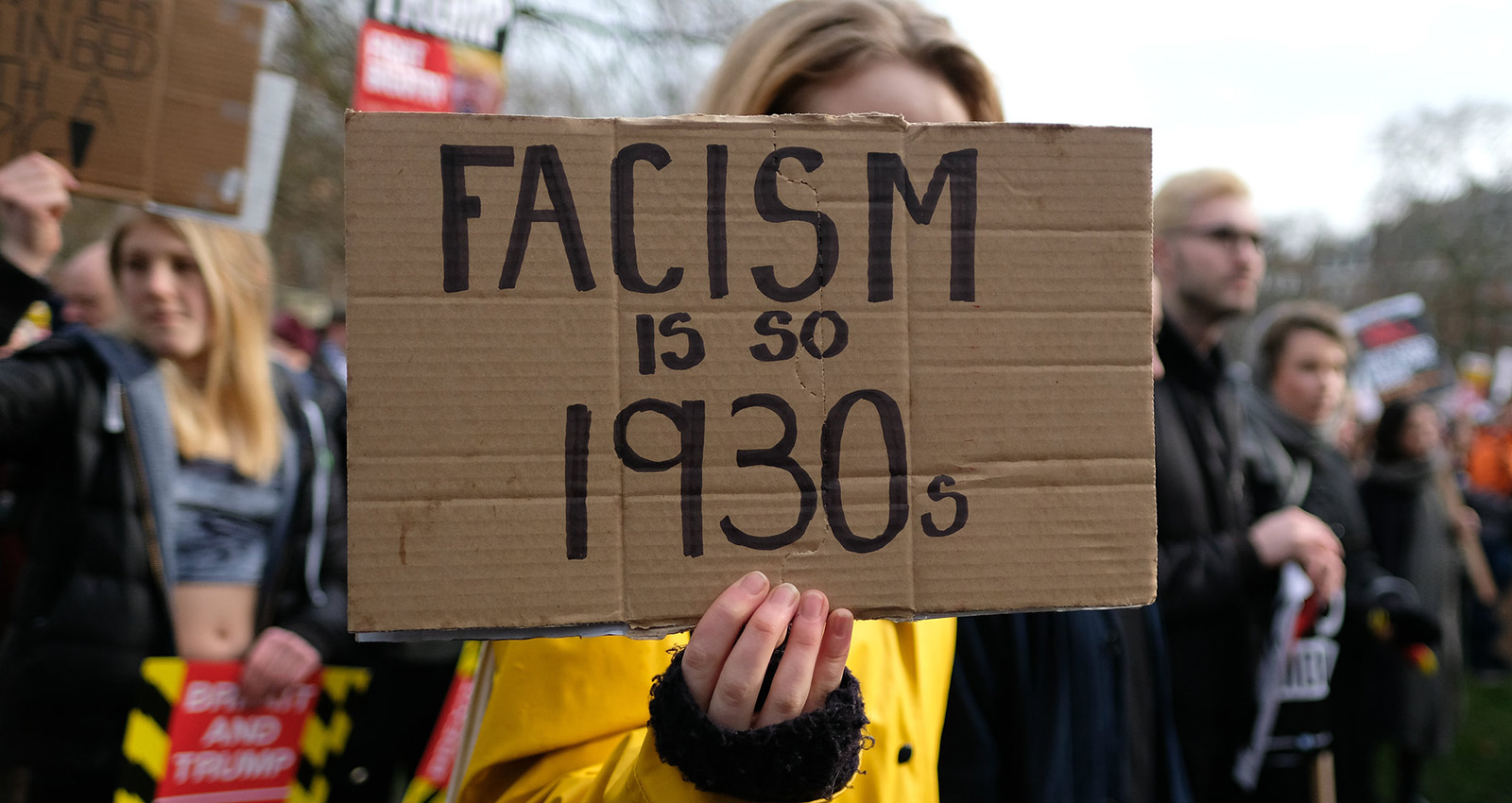
Some contemporary political developments take inspiration from fascism. But analogies between modern anti-liberal reaction and earlier totalitarian ideologies tend to obscure more than they enlighten. The concept of illiberalism allows us to make cross-national, ideational comparisons – especially transhistorical ones, writes Julian G. Waller Read more
Damian Raess
Surprisingly, left governments adopted more conservative fiscal policies than right governments in recent economic crises. Governments did not choose these policies freely; rather, the financial markets imposed them. Nonetheless, argues Damian Raess, they appear to have dire electoral consequences: left-leaning voters are increasingly voting with their feet Read more
Luca Manucci
Luca Manucci, in a panoramic survey of the rise of illiberalism in our times, argues that this trend is feeding on authoritarian historical legacies and memories which are being rewritten before our eyes. It is an exercise all democrats should challenge, and resist Read more
Andrés Santana
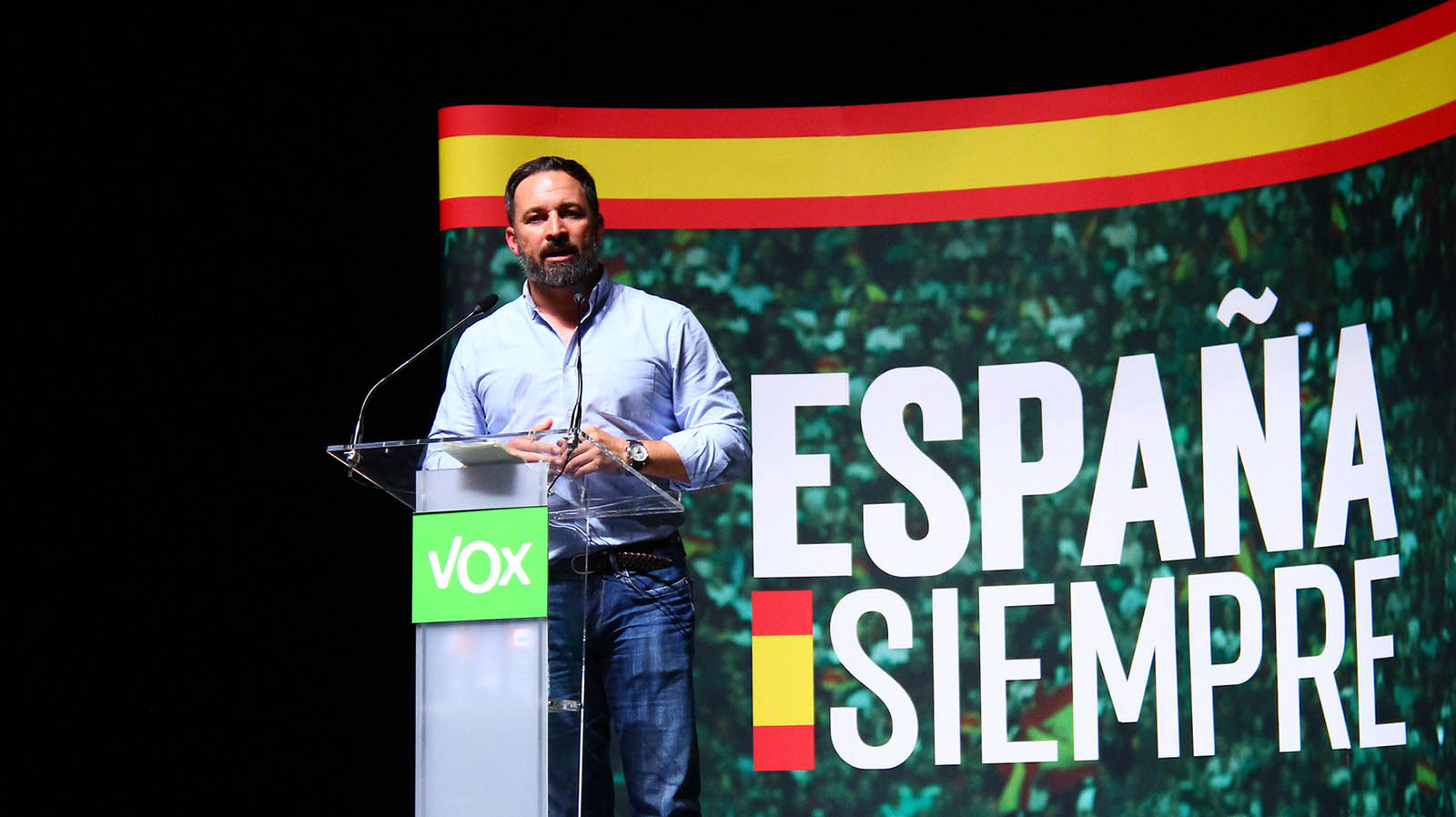
VOX has grown to become the third-largest political party in Spain. Its success means the country can no longer claim to be untouched by the rise of the European populist radical right, argue Andrés Santana, Lisa Zanotti, José Rama and Stuart Turnbull-Dugarte Read more
We use necessary cookies to make our site work. We'd also like to set analytics cookies that help us make improvements by measuring how you use the site. These will be set only if you accept.
▼
Strictly Necessary Cookies
Necessary cookies enable core functionality such as security, network management, and accessibility. You may disable these by changing your browser settings, but this may affect how the website functions.
▼
Analytics Cookies
Google Analytics
We'd like to set Google Analytics cookies to help us improve our website by collecting and reporting information on how you use it. The cookies collect information in a way that does not directly identify anyone. For more information on how these cookies work please see our Privacy Notice.