Chris Butler
Politicians need to have a good understanding of which issues matters most to voters. Chris Butler reports from a recent survey of politicians that reveals that while they have a reasonable understanding of which issues matter, there are also common reasons why they make mistakes that have consequences for representation Read more
Werner Krause
Werner Krause and Christina Gahn argue that we need to pay more attention to how the media communicates the results of opinion polls to the public. Reporting methodological details, such as margins of error, can alter citizens’ vote choices on election day. This has important implications for elections around the globe Read more
Sanne van Oosten
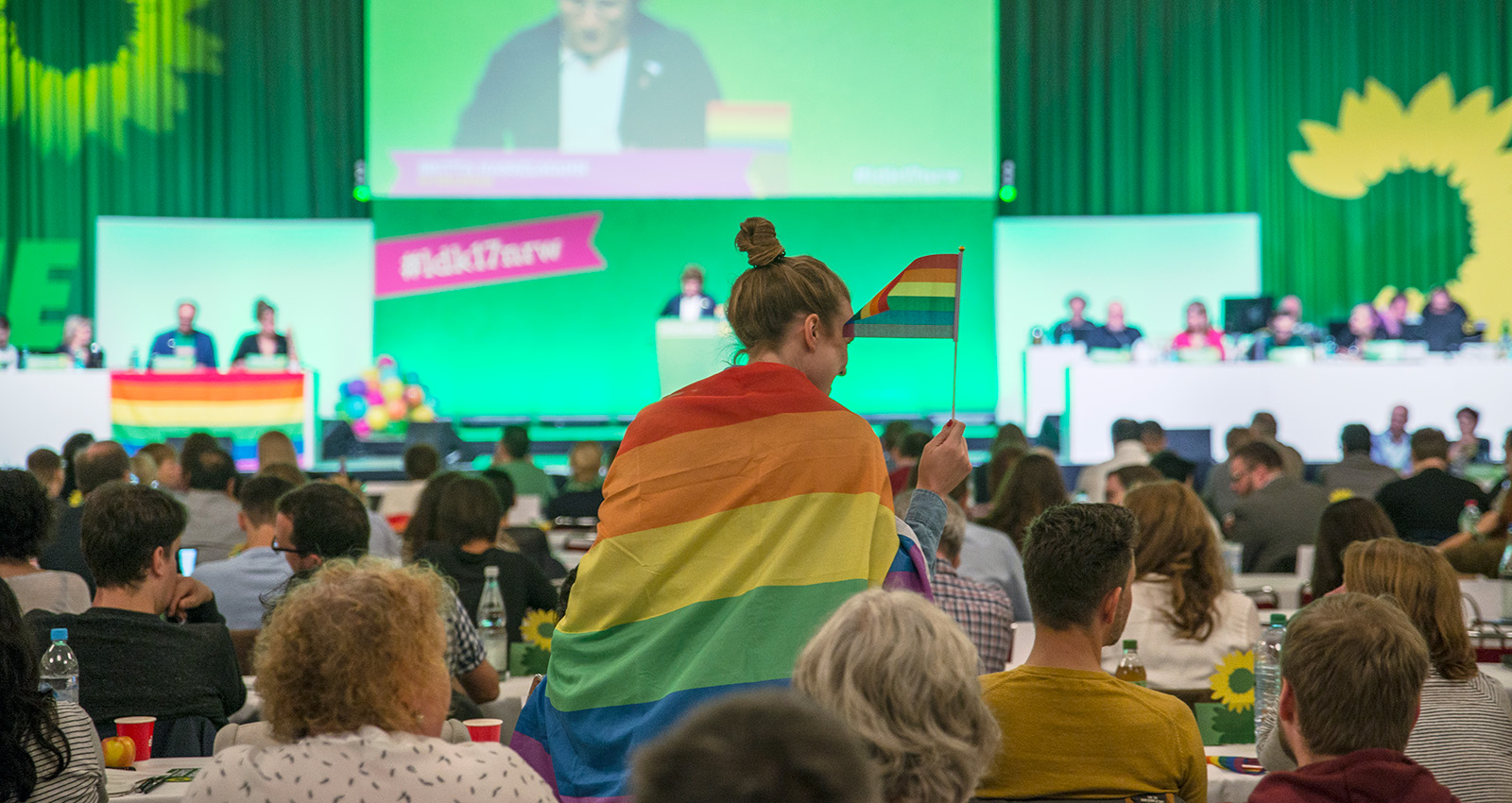
We know that voters stereotype Muslim politicians as homophobic. However, they also project their own ideas about LGBTQ+ rights onto politicians. Sanne van Oosten examines which of these voter tendencies are likely to prevail with which voters, and argues that both strength and type of opinion matter Read more
Jamie Shenk
Colombian voters rejected the political establishment, voting 'outsider' politicians into the run-off for the Colombian presidency. However, understanding who didn’t vote in Colombia’s election tells us more about the state of Colombia’s democracy, writes Jamie Shenk Read more
Katjana Gattermann
Media reports on elections often refer to the 'winners' and 'losers'. Yet, especially in multi-party systems, there is often more than one way to interpret election results. How the media frames election results does not depend only on parties’ objective performance, write Katjana Gattermann, Thomas M. Meyer and Katharina Wurzer. It also depends on also on party ideology Read more
Costas Panayotakis
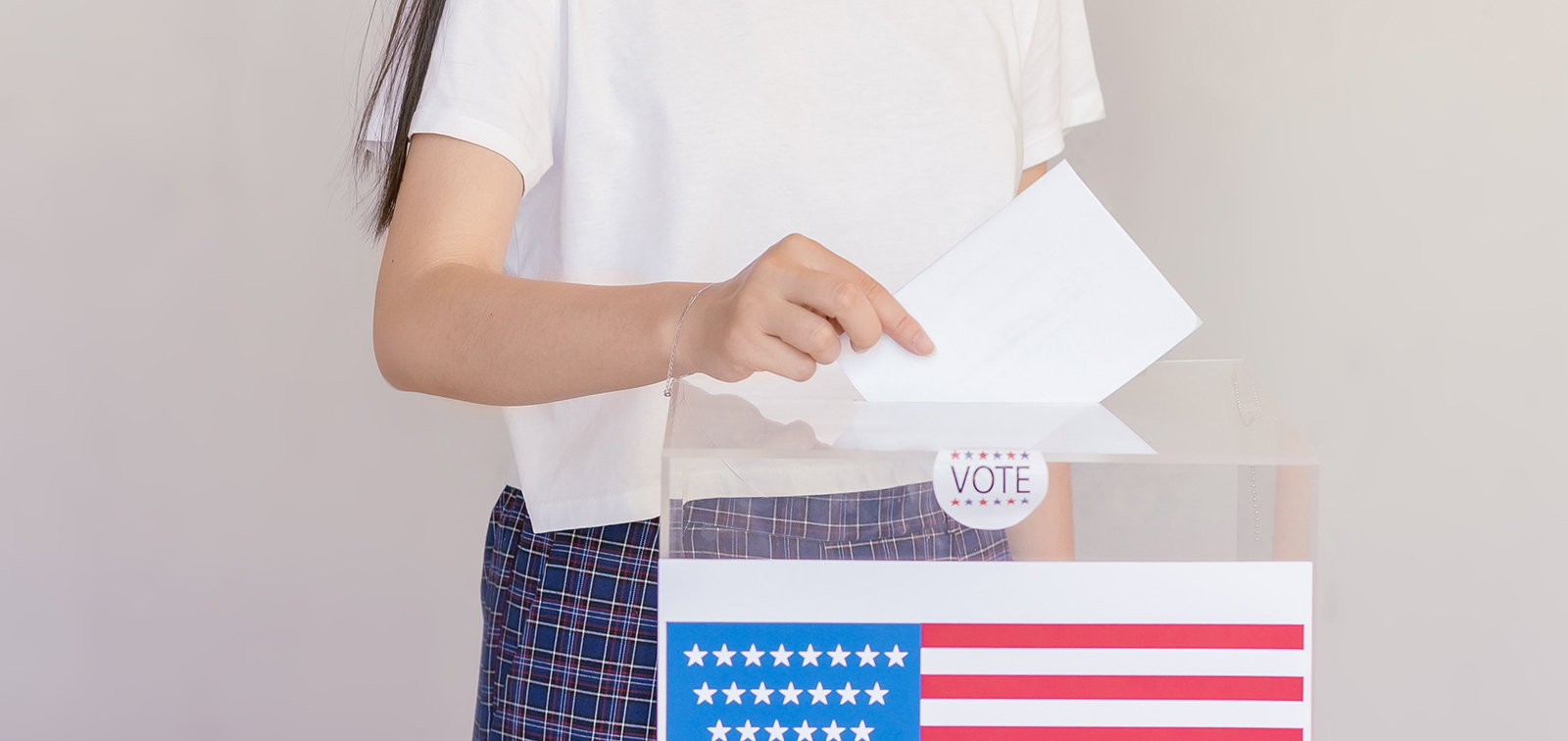
Costas Panayotakis recently exposed the fiction in the ‘Every Vote Counts’ thesis. Here, he explores the implications of that fiction for different electoral systems, notably those based on Proportional Representation and First Past the Post. In so doing, he reveals the futility of tactical voting Read more
Stefan Müller
Several studies have suggested that 'irrelevant events' outside politicians’ control, like sports results or lotteries, affect voting behaviour. Such findings raise worrying questions for democracy. Yet, write Stefan Müller and Liam Kneafsey, these concerns may be overstated. In Ireland, a country with a strong sporting tradition, match outcomes do not influence citizens’ assessments of government performance, or voting behaviour Read more
Resul Umit
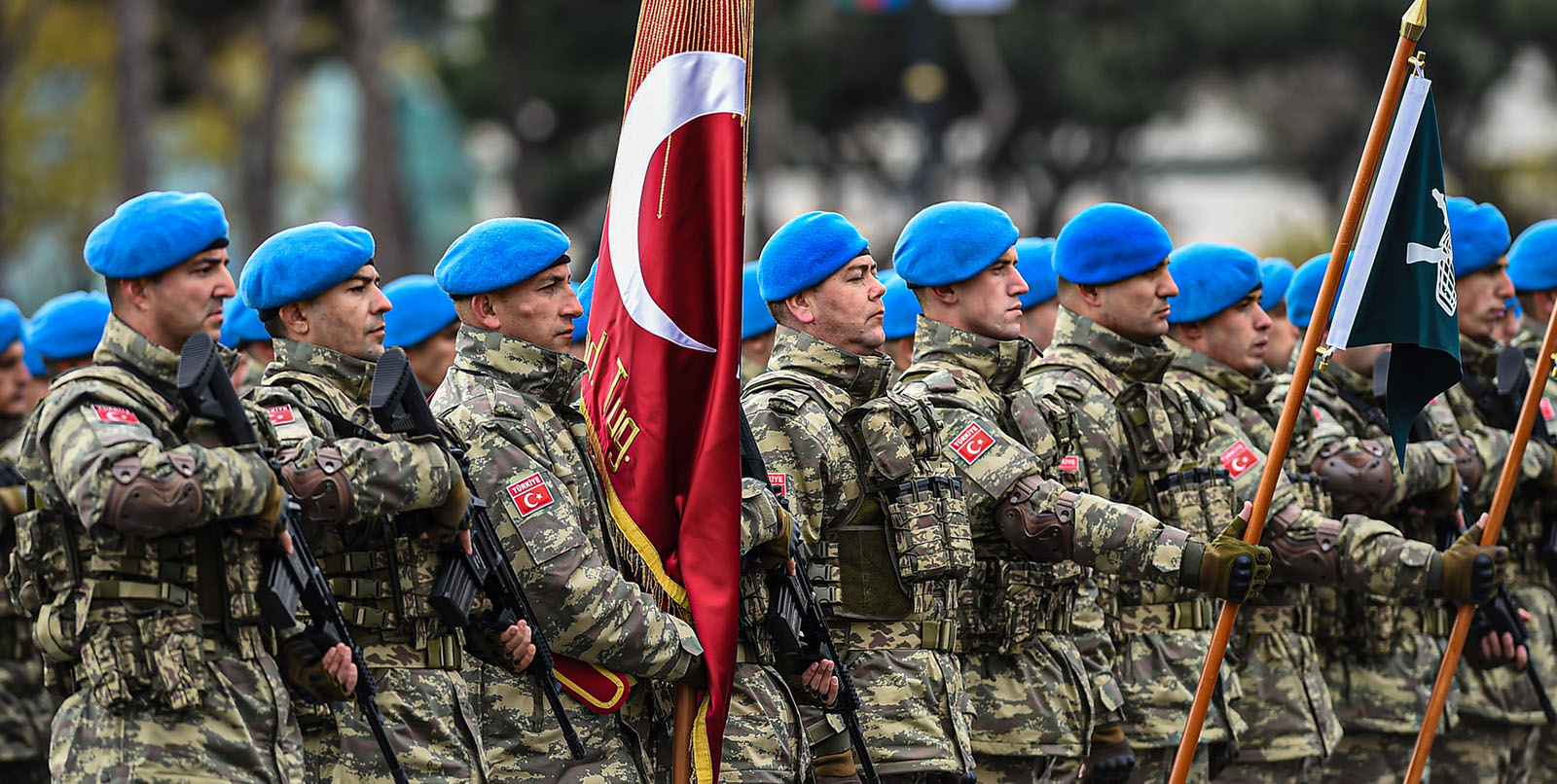
There is lively debate about the effect of casualties in armed conflicts on public opinion. Do voters rally behind their governments, or punish them for failing to prevent casualties? Resul Umit observes both scenarios at the same time in Turkey, as the public reacts differently to initial and subsequent casualties Read more
We use necessary cookies to make our site work. We'd also like to set analytics cookies that help us make improvements by measuring how you use the site. These will be set only if you accept.
▼
Strictly Necessary Cookies
Necessary cookies enable core functionality such as security, network management, and accessibility. You may disable these by changing your browser settings, but this may affect how the website functions.
▼
Analytics Cookies
Google Analytics
We'd like to set Google Analytics cookies to help us improve our website by collecting and reporting information on how you use it. The cookies collect information in a way that does not directly identify anyone. For more information on how these cookies work please see our Privacy Notice.