Mahmoud Javadi
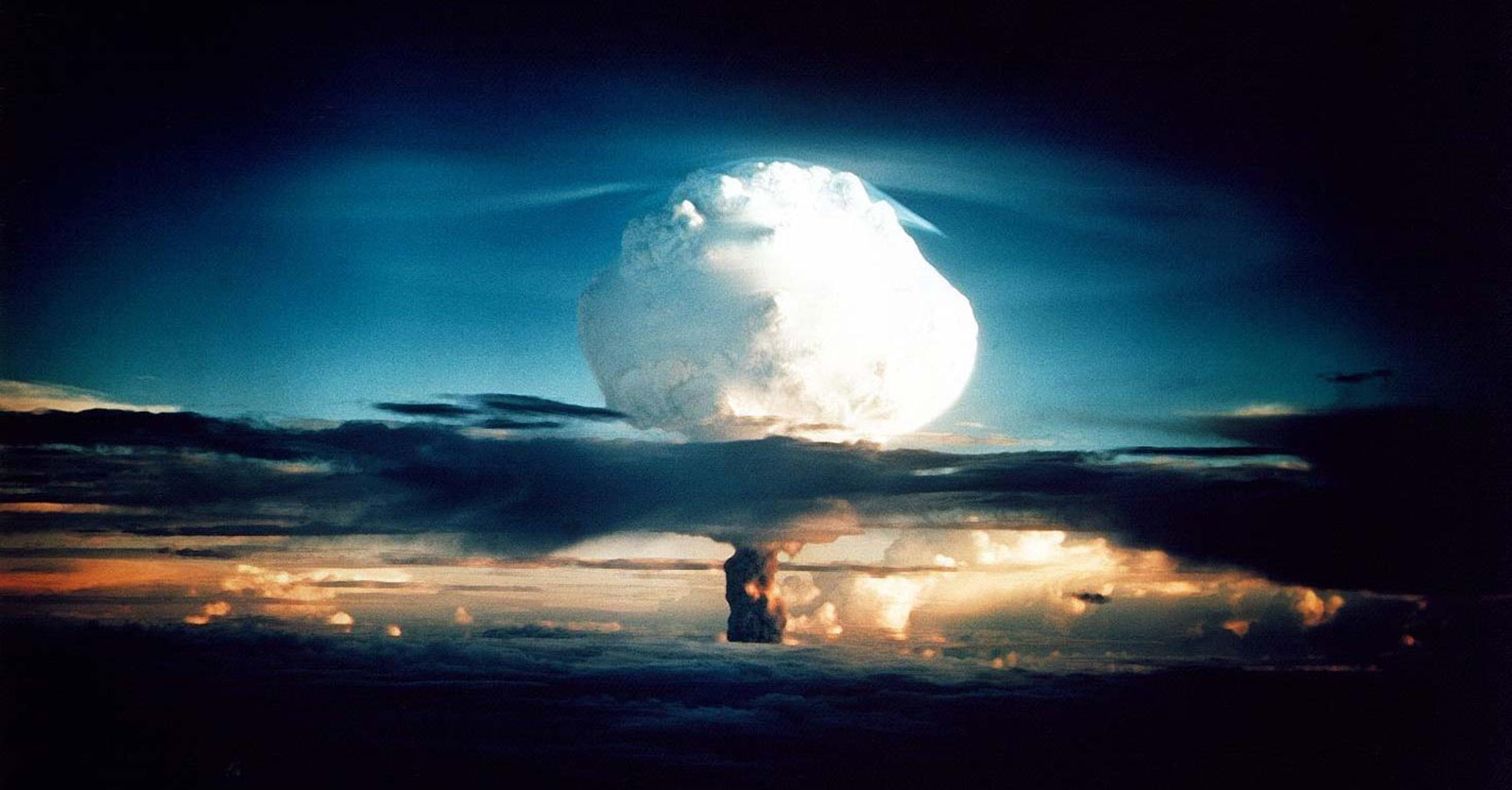
Mahmoud Javadi examines the paradox of nuclear politics as peacekeepers and existential threats. Exploring disarmament efforts, technological disruptions and global rivalries, he reimagines pathways beyond this precarious balance, towards lasting stability Read more
Ragnhild Louise Muriaas
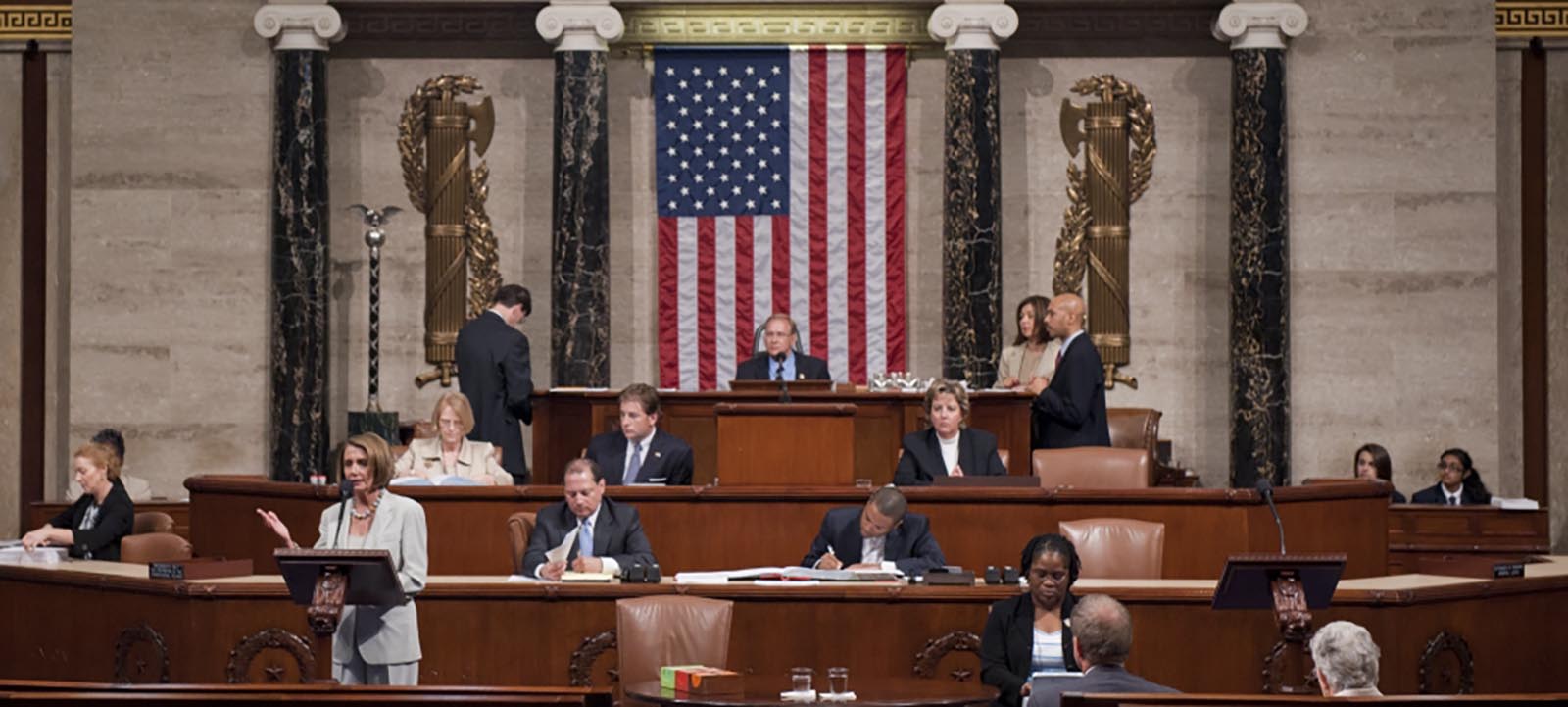
Women have made great strides towards equal representation in parliaments across the world. Their short parliamentary careers, however, still stop them from representing their constituents as effectively as men colleagues, write Ragnhild L. Muriaas and Torill Stavenes, guest editors of The Loop’s blog series to mark International Women’s Day on Friday 8 March Read more
Joanie Willett
Local elections have just taken place in the UK. Yet despite decades of devolution deals, and various iterations of 'Levelling Up', UK local government remains economically unequal and centralised. The US, by contrast is highly decentralised. Joanie Willett says we can learn from the US about the importance of capacity building, a vibrant civil society, and encouraging people to feel invested in their towns’ future Read more
Jack Wippell
Increased cooperation between a subset of far-right street-gangs – Active Clubs – has largely passed under the radar. Jack Wippell argues this constitutes a ‘new’ threat, and draws from research on extremist organisations to explore what might follow. He highlights several limitations in what we know, and calls for immediate collaboration between researchers and practitioners Read more
Cristina Chiva
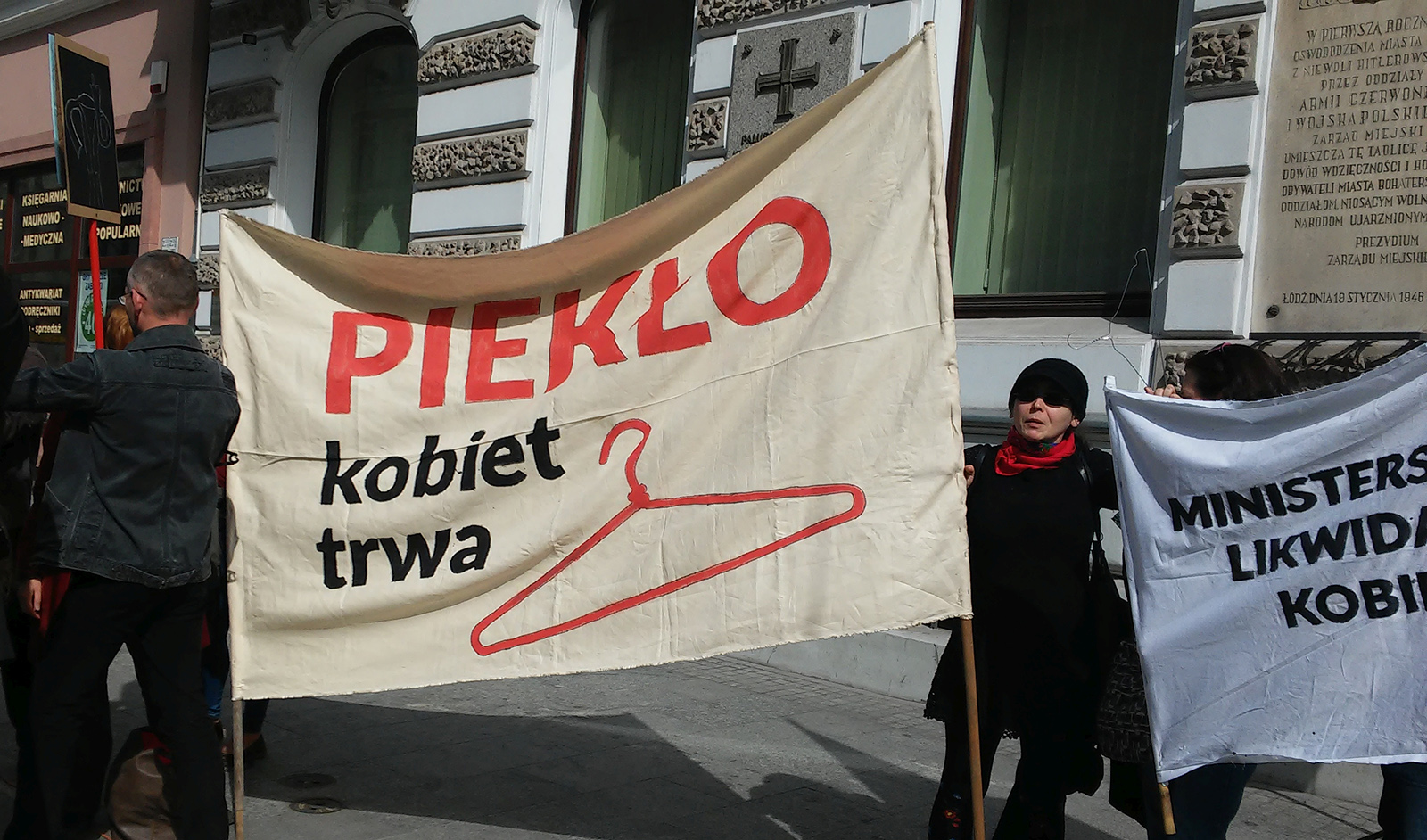
Reproductive rights and LGBTQ+ rights are increasingly under attack across the world. So far, we have a good grasp of the causes and consequences of the backlash against gender equality. What we need to do now, argues Cristina Chiva, is to conceptualise and document democratic resilience against these trends Read more
Paul Whiteley
Following COP27, Paul Whiteley explores public attitudes across the world to whether governments should prioritise growing the economy or resisting climate change. The findings across countries with different levels of economic development help explain the difficulties of finding common cause in the climate change challenge Read more
Lasse Thomassen
How should we interpret what happened on 6 January 2021 at the Capitol? Lasse Thomassen argues that, while populists like Trump may threaten democracy, we cannot simply dismiss populism and the populist mob without taking something away from it that we value: its inherent openness Read more
Albrecht Rothacher
he Russian invasion of Ukraine has exposed Russia’s growing dependence on China, argues Albrecht Rothacher. China’s ambitions to displace the US as the main world power contrast vividly with Russia’s long-term stagnation and decline. It's a decline exacerbated by the latest Western economic sanctions Read more
We use necessary cookies to make our site work. We'd also like to set analytics cookies that help us make improvements by measuring how you use the site. These will be set only if you accept.
▼
Strictly Necessary Cookies
Necessary cookies enable core functionality such as security, network management, and accessibility. You may disable these by changing your browser settings, but this may affect how the website functions.
▼
Analytics Cookies
Google Analytics
We'd like to set Google Analytics cookies to help us improve our website by collecting and reporting information on how you use it. The cookies collect information in a way that does not directly identify anyone. For more information on how these cookies work please see our Privacy Notice.