Philipp Bien
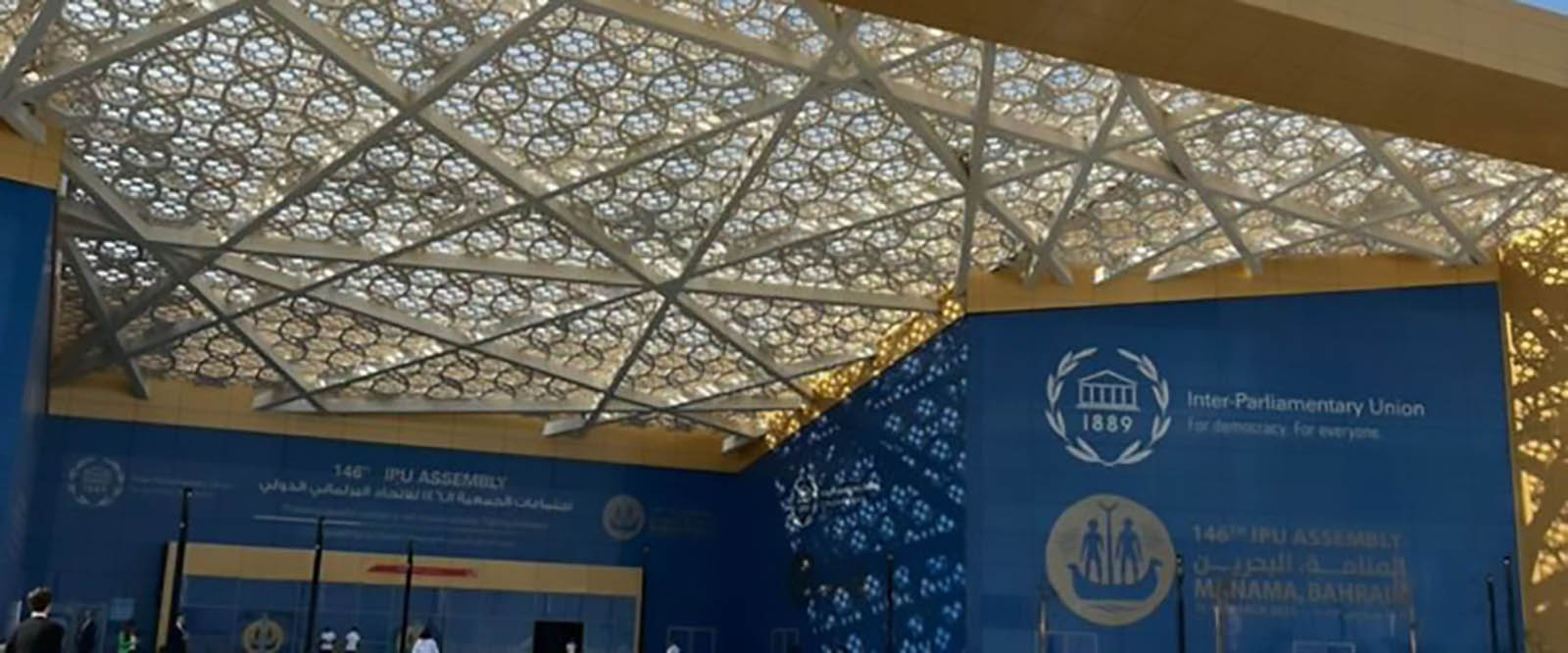
When we consider national parliaments, we think of the domestic arena. However, there are rarely observed foreign dimensions to the work of national legislators. Philipp Bien, Meray Maddah and Thomas Malang argue that, through fora like the Inter-Parliamentary Union, national legislators have become an important group in international politics Read more
Michael Walsh
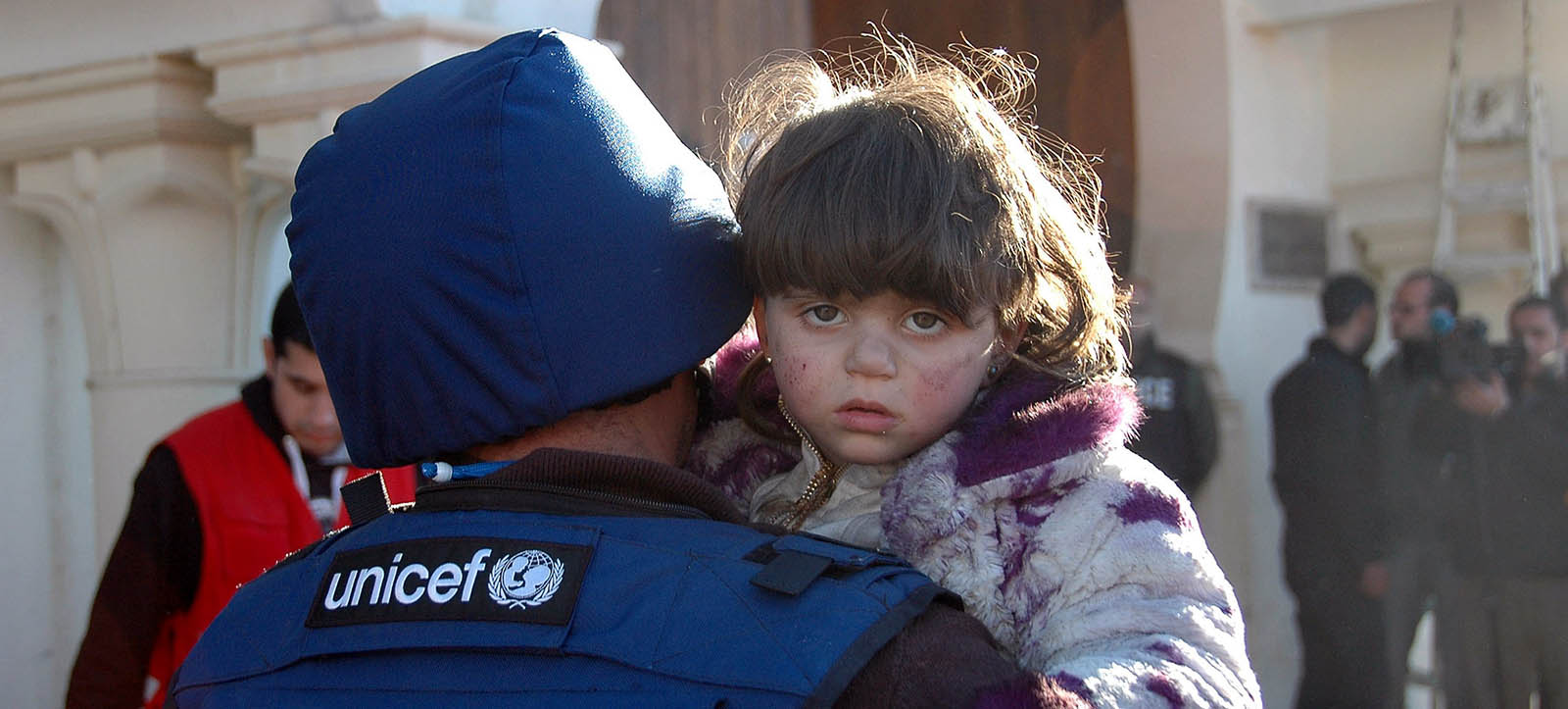
Michael Walsh argues that only ecosystem disruptors can realise the full potential of emergency medical teams. A radical reimagining of current structures would save lives and alleviate suffering in armed conflicts and other insecure environments Read more
Albrecht Rothacher
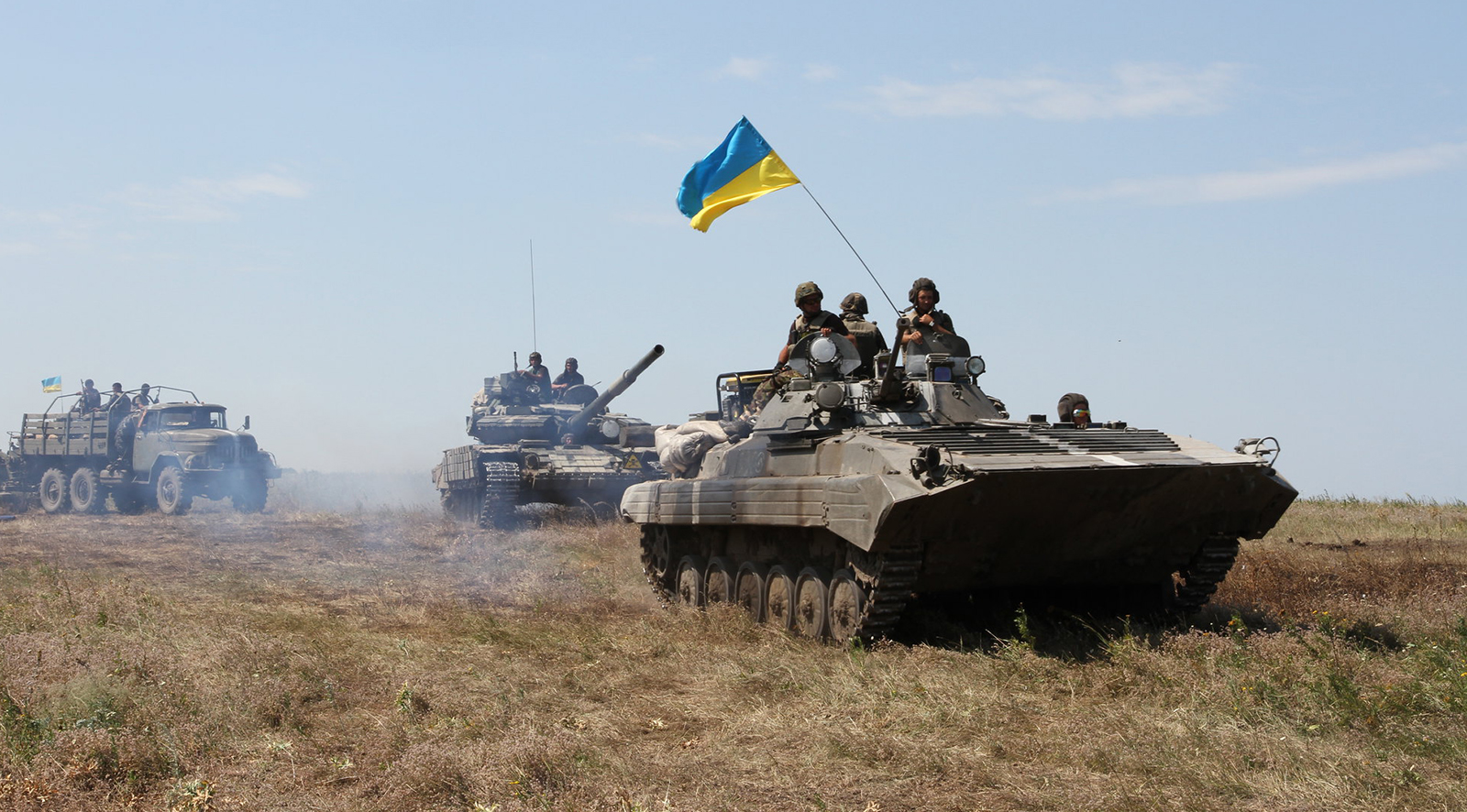
Albrecht Rothacher argues that an end to hostilities in Ukraine in the context of a Peace Plan is not unforeseeable. It is in the interest of all sides. He identifies the steps that need to be taken and the people likely to be involved Read more
Daniel Buarque
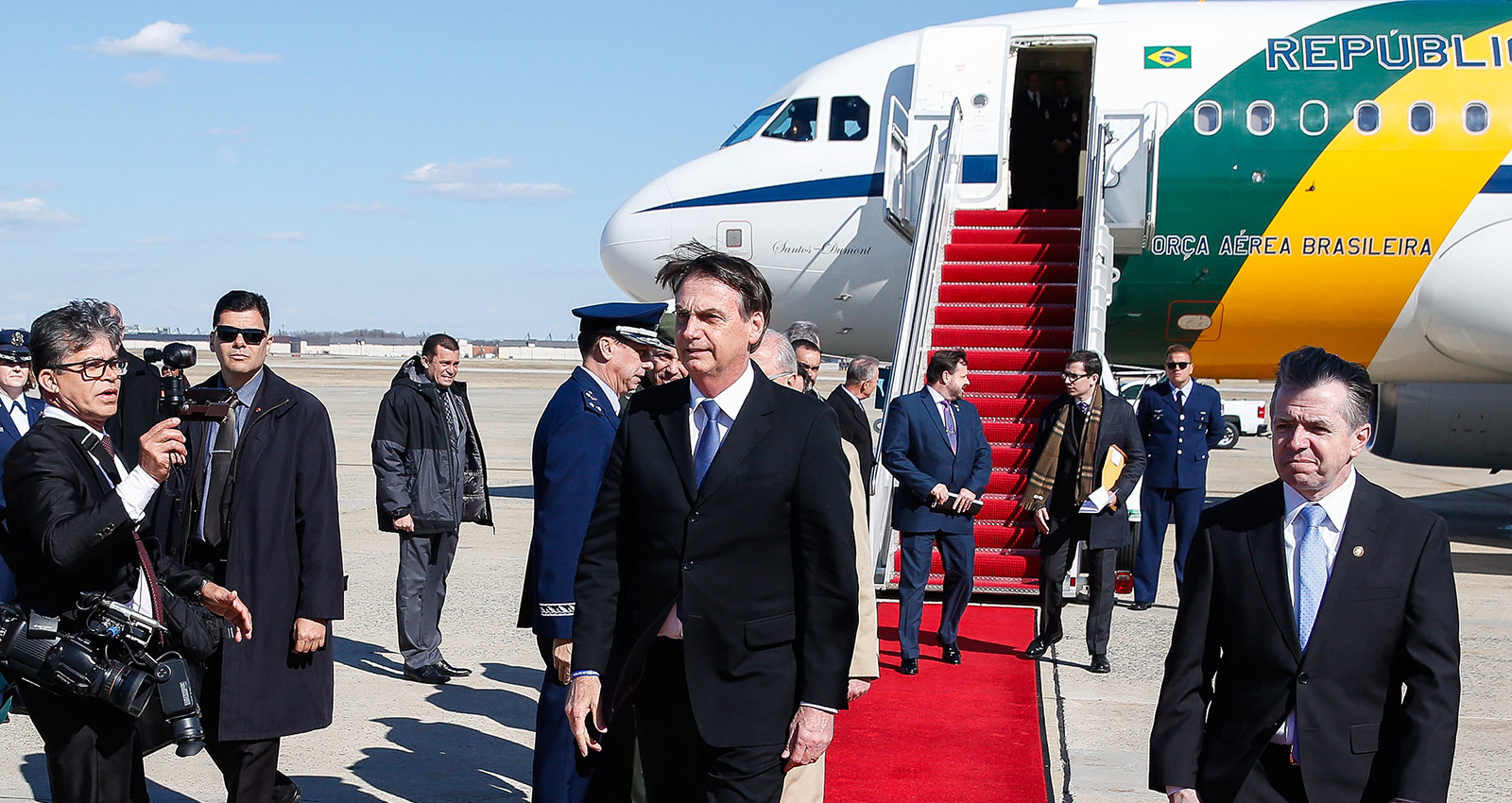
President Jair Bolsonaro has changed the priorities and alignments of Brazil's international positions, picked fights with historic allies, and threatened important economic relations, writes Daniel Buarque. These developments have changed the international status of Brazil and risk making the country a pariah Read more
Maya Bogers
Can progress be made towards the Sustainable Development Goals in the Netherlands when they are largely absent from Dutch politics? Maya Bogers, Francesco Montesano, and Melanie van Driel argue that Members of Parliament who have ‘adopted’ individual goals might provide the answer. Read more
Oliver Fiala
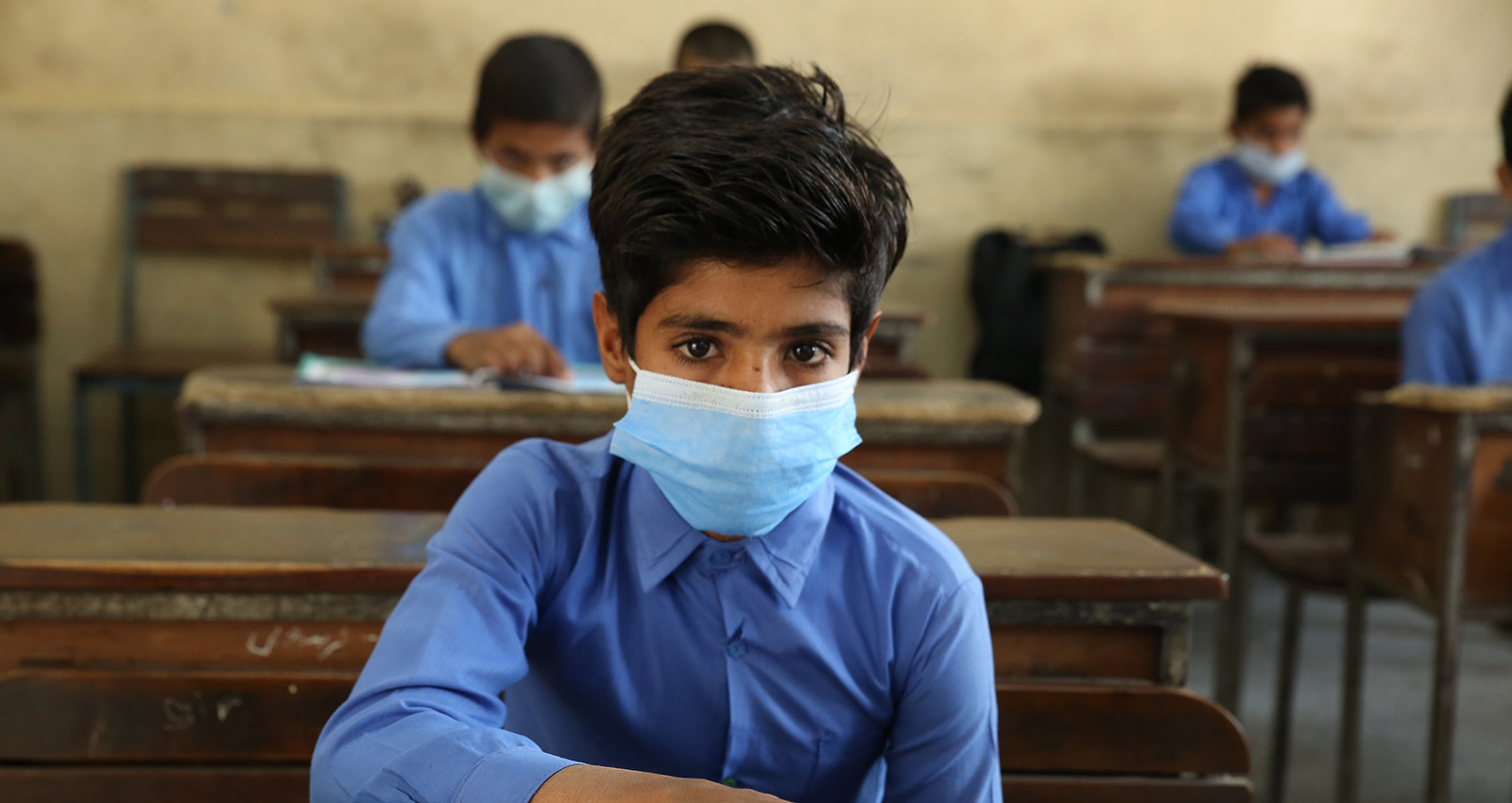
Around the world, children’s rights are at risk of abuse. But are all children (or rights) equally at risk? Oliver Fiala, Elizabeth Kaletski, and K. Anne Watson argue that more extensive and disaggregated data are vital for understanding the extent to which children’s rights are realised Read more
Oliver P. Richmond
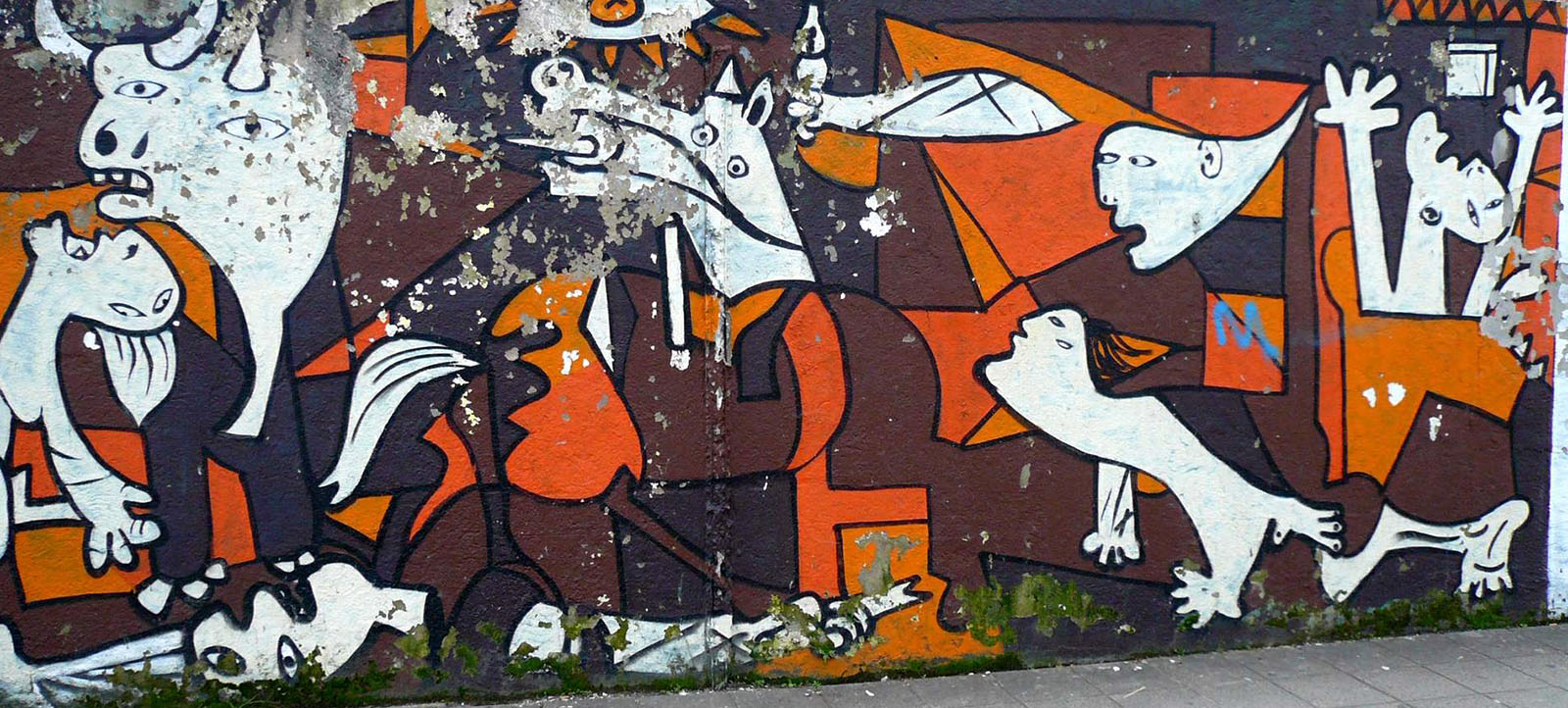
Global ideological struggle and counter-peace processes have had grave consequences for the international peace architecture. Oliver P. Richmond and Sandra Pogodda highlight the need for a knowledge-based, emancipatory renewal Read more
Louise Olsson
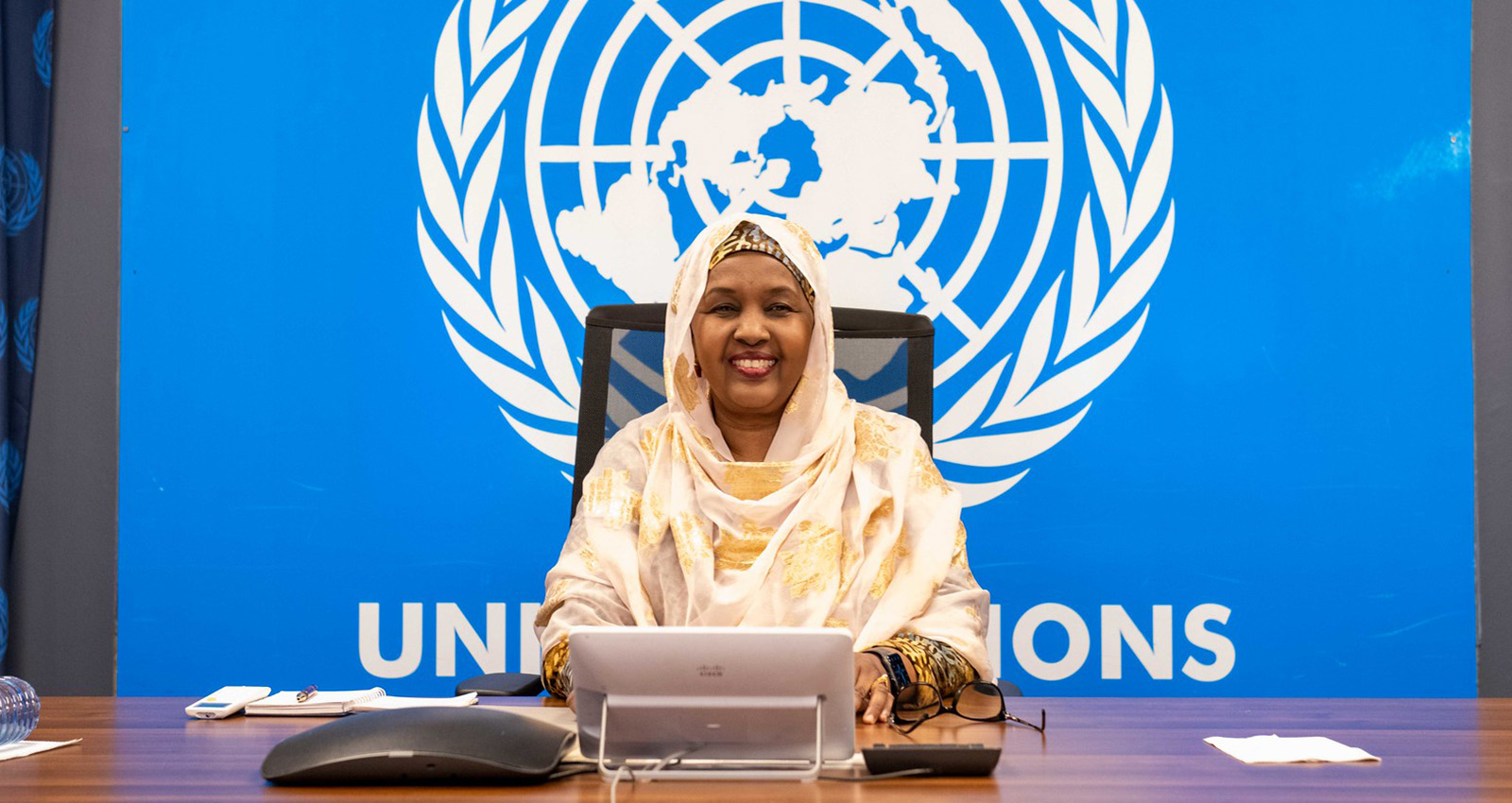
Inviting more women to brief the United Nations Security Council helps include them in decision-making on international peace and security. But despite progress, observe Louise Olsson and Anna Marie Obermeier, challenges remain. The Council must integrate recommendations from women's voices into decision-making Read more
We use necessary cookies to make our site work. We'd also like to set analytics cookies that help us make improvements by measuring how you use the site. These will be set only if you accept.
▼
Strictly Necessary Cookies
Necessary cookies enable core functionality such as security, network management, and accessibility. You may disable these by changing your browser settings, but this may affect how the website functions.
▼
Analytics Cookies
Google Analytics
We'd like to set Google Analytics cookies to help us improve our website by collecting and reporting information on how you use it. The cookies collect information in a way that does not directly identify anyone. For more information on how these cookies work please see our Privacy Notice.