Senem Aydın-Düzgit
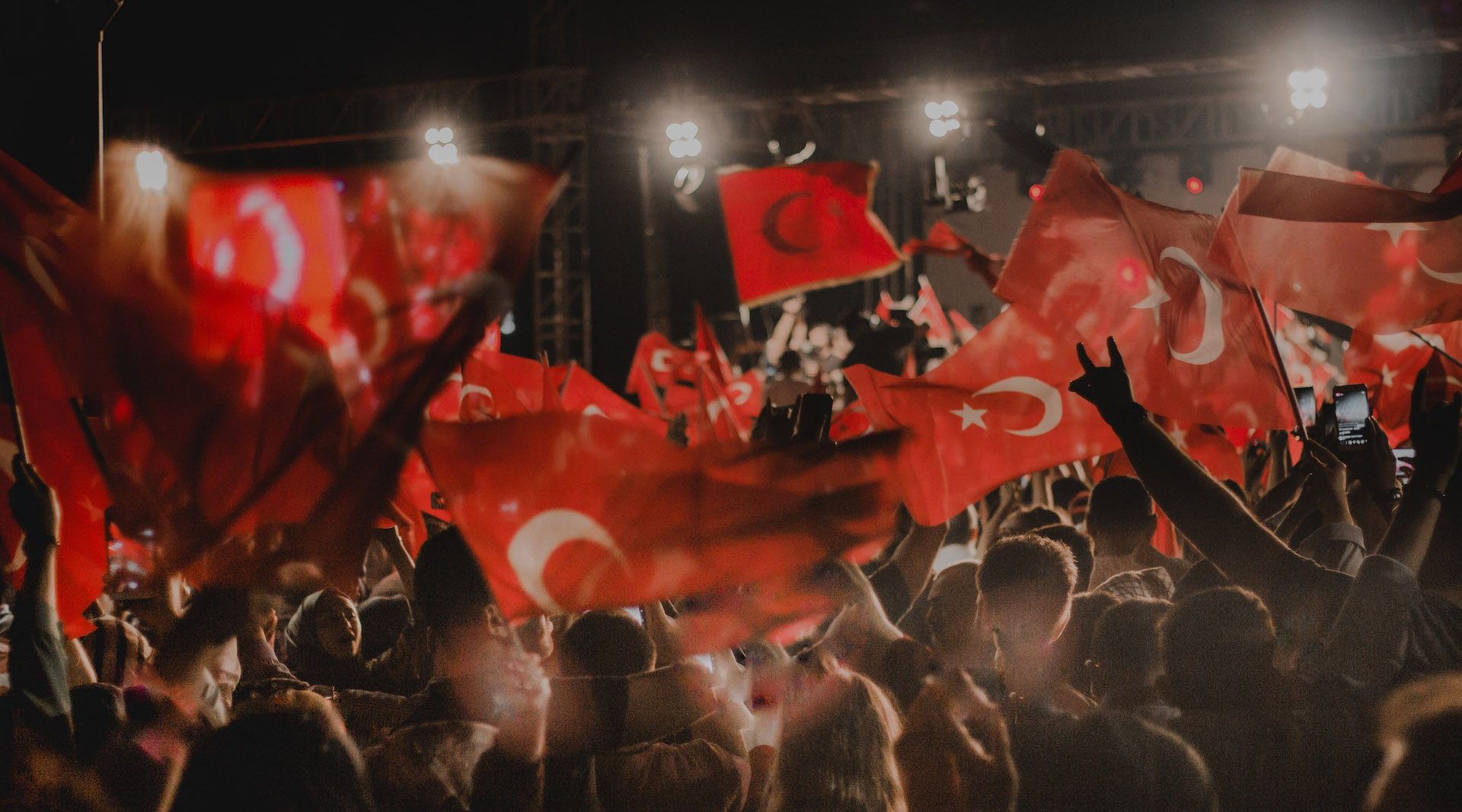
As Turkey goes to the polls on Sunday 14 May, Senem Aydın-Düzgit considers the implications for Turkish foreign policy. If the opposition wins, it will focus on rebuilding trust with Western partners. If Erdoğan prevails, he will focus on regime survival Read more
Georgios Samaras
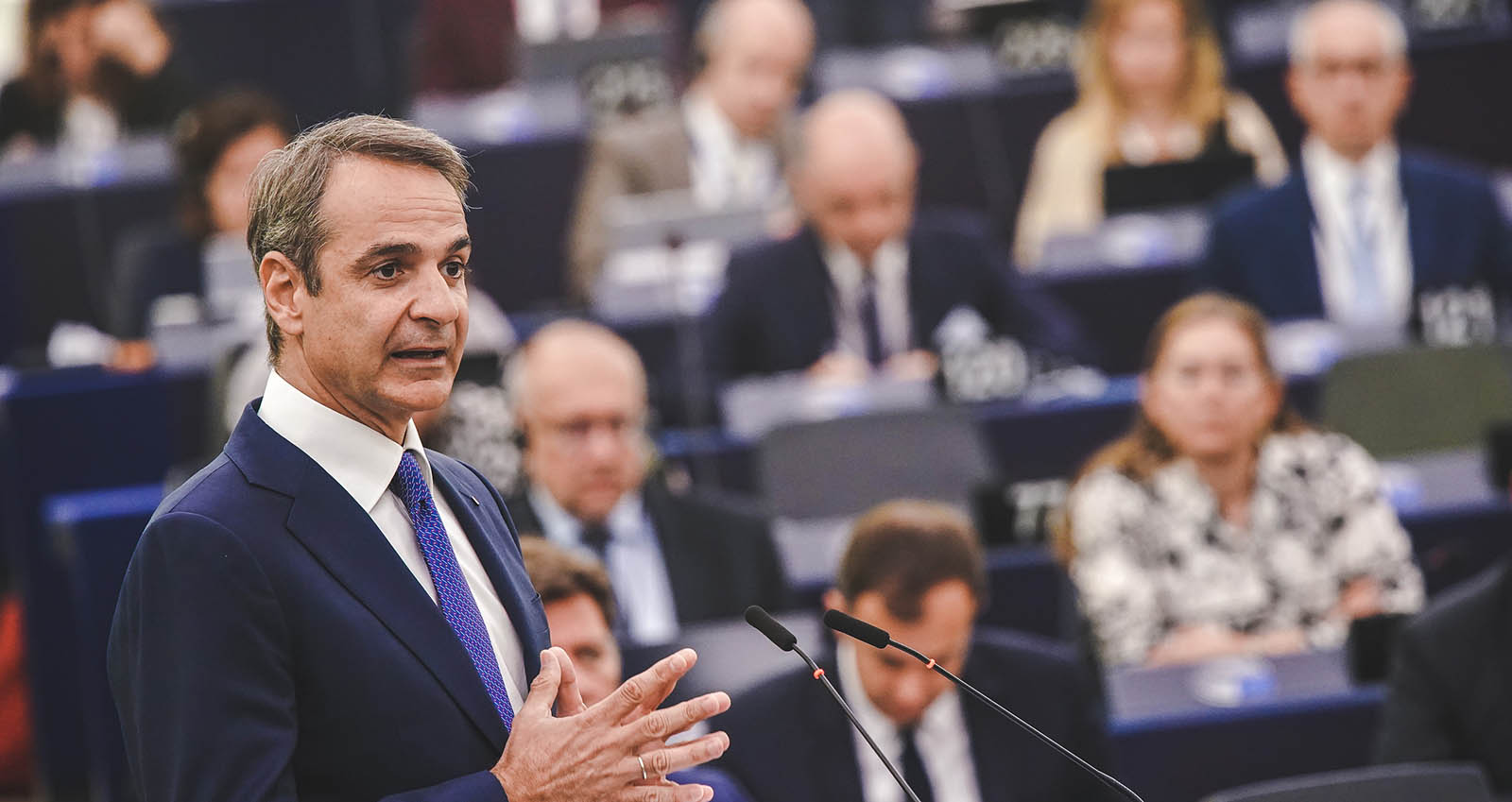
With the 21 May election in Greece fast approaching, Georgios Samaras examines the recent surge of ultranationalism in Greek politics. He argues that a process of normalisation of far-right practices is taking place, as echoed in other European countries, including Hungary and Italy Read more
Ilona Lahdelma
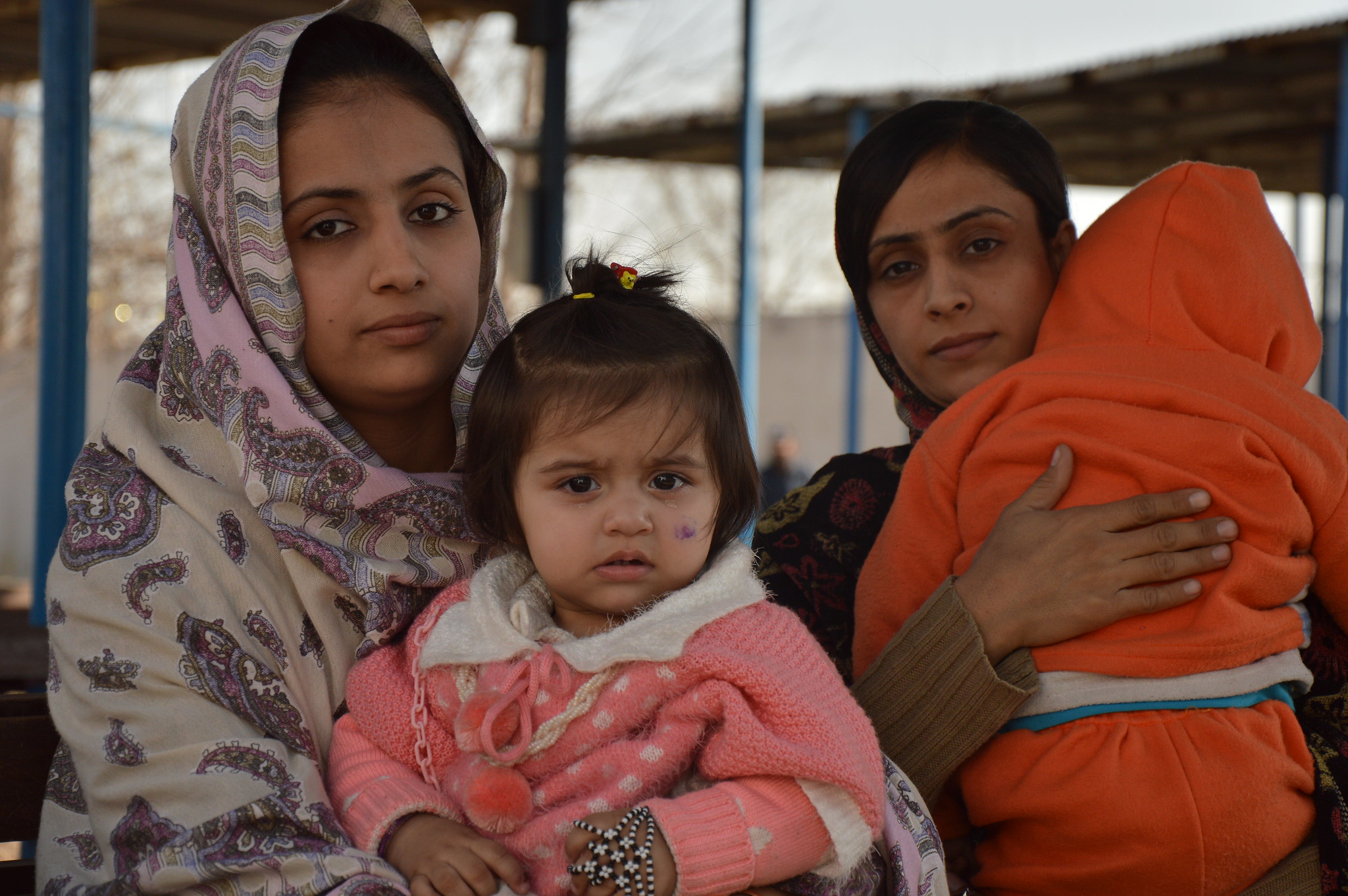
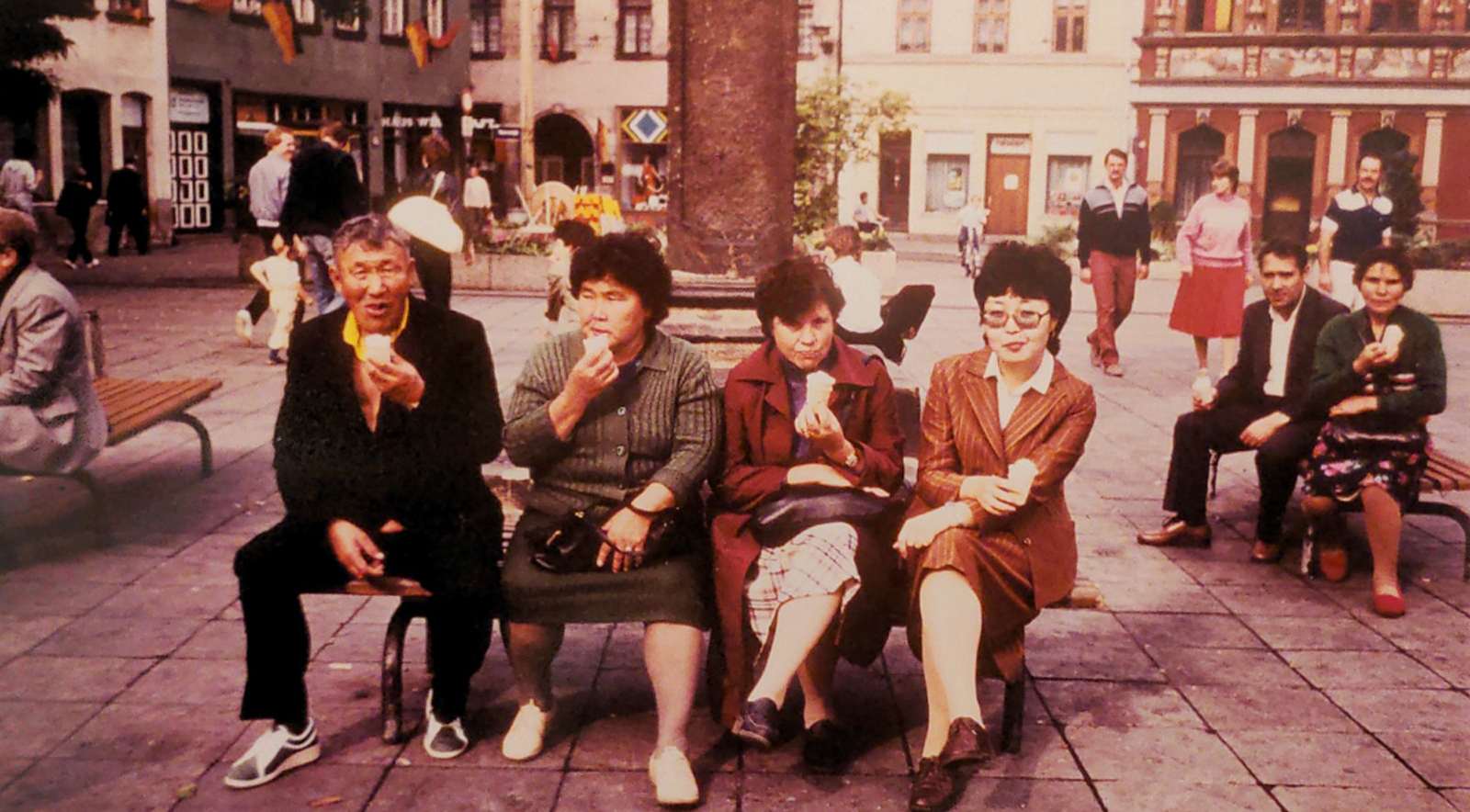
Europe’s capitals are the largest recipients of refugees because of their infrastructures, existing high proportion of foreigners and residents’ liberal outlooks. Yet, Ilona Lahdelma argues, rural areas suffering from population shortage might be better equipped to integrate refugees than previously thought. Both parties might even benefit from the arrangement Read more
Niels Keijzer
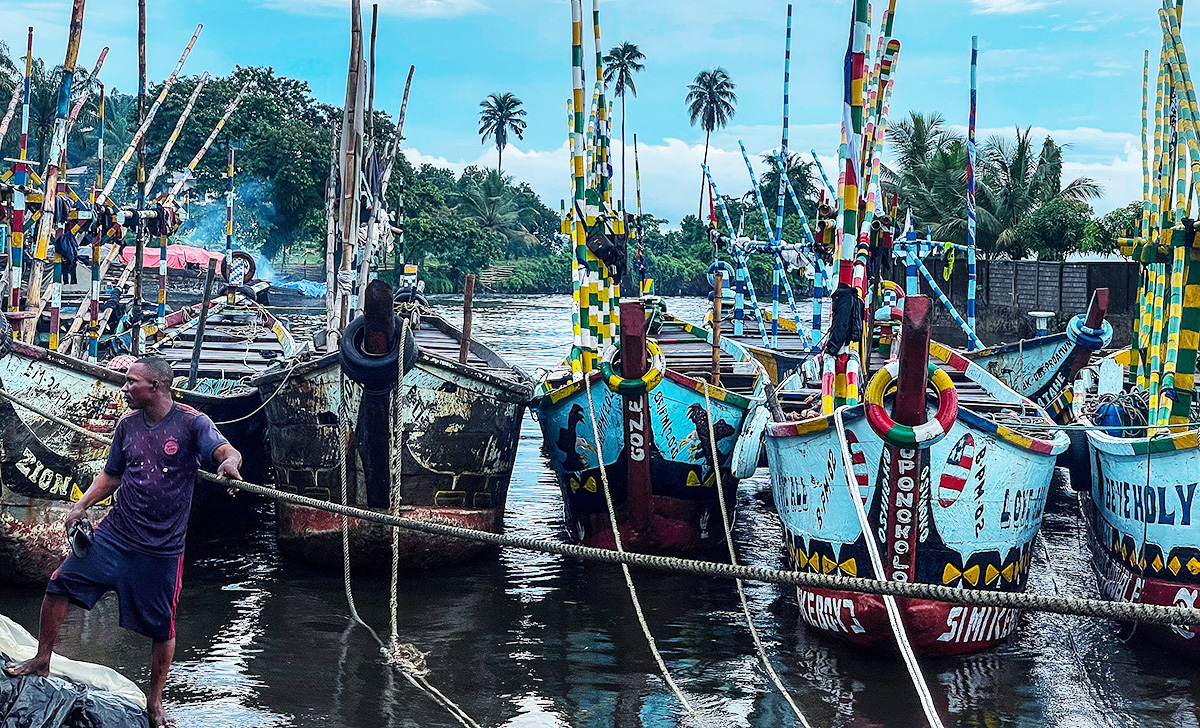
The EU is insistent on combatting ‘root causes’ of migration. Yet this has led it to overlook other reasons for human mobility. Niels Keijzer and Ifesinachi Okafor-Yarwood argue these include the threatened livelihoods of coastal communities in the Gulf of Guinea Read more
Christina Isabel Zuber
When it comes to migration, the past wields considerable power over the present in Germany. Christina Zuber argues that ‘ideational legacies’ mean outdated policies are upheld against pressing needs for change. Ideas dominant at historical junctures become tied to national identity. Yet, there is a way to overcome them Read more
Frowin Rausis
Qatar is basking in the global spotlight as host of the 2022 World Cup. Less prominently, it is the latest country to introduce an asylum law. Frowin Rausis argues that Qatar’s new-found status as a global host, of football and of asylum seekers, serves to showcase the country, and boost its global reputation Read more
Marco Bitschnau
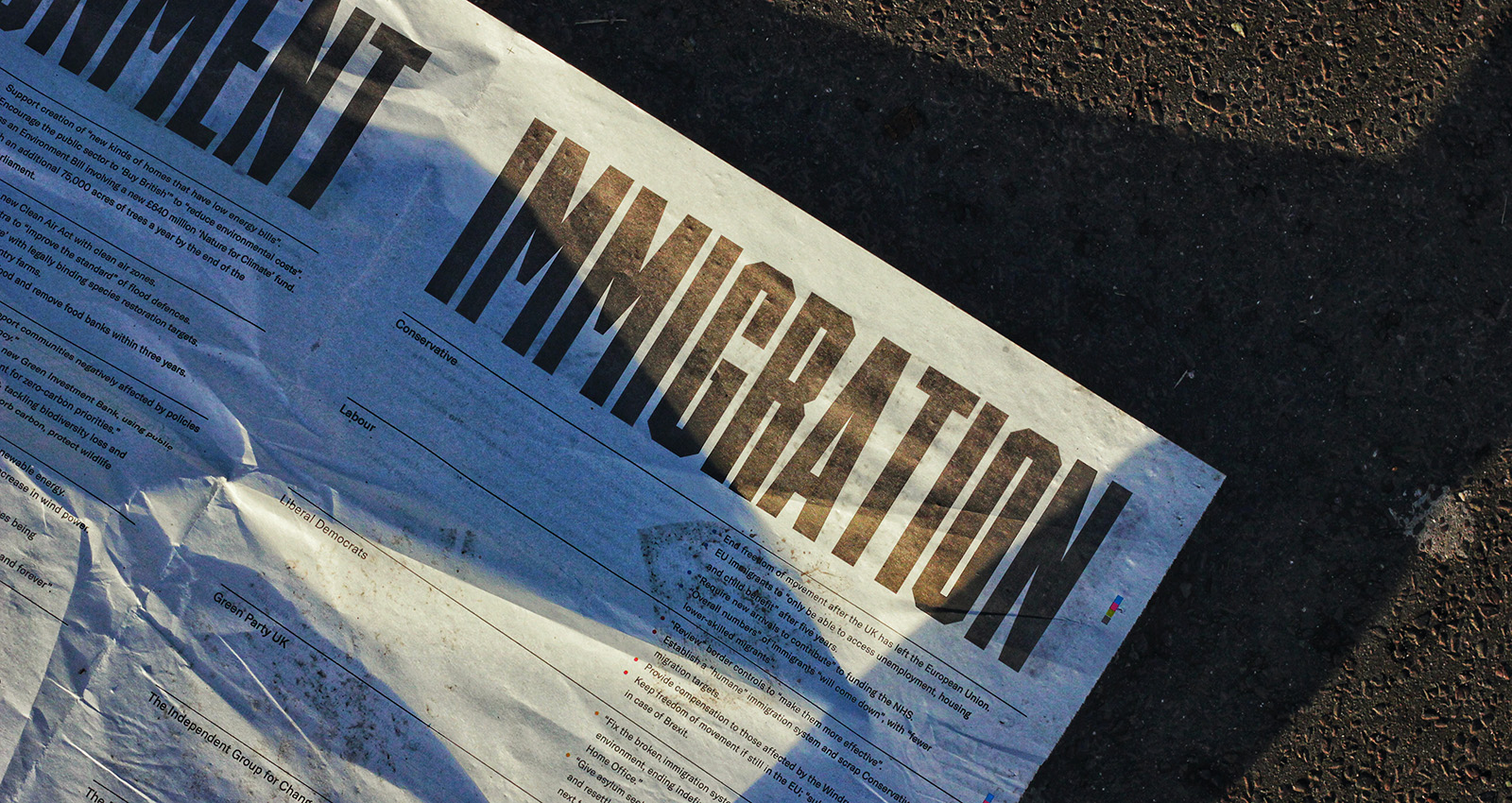
Most people hold deep-seated misperceptions about immigration, painting its nature, effects, and governance in excessively dark colours. This reflects concerns about out-group threat and tends to be resistant to correction efforts. It is also, argue Marco Bitschnau and Philipp Lutz, highly problematic for democracies Read more
Erica Dorn
Democracy today is a colonial artefact tied to violent borders. Moreover, it produces an increasing number of non-citizens, unable to participate in democracy where they live. Erica Dorn and Federico Vaz argue that Gagnon's courageous enquiry into defining the historical landscape of democracy can bring more equity to its current – unjust – paradigm Read more
We use necessary cookies to make our site work. We'd also like to set analytics cookies that help us make improvements by measuring how you use the site. These will be set only if you accept.
▼
Strictly Necessary Cookies
Necessary cookies enable core functionality such as security, network management, and accessibility. You may disable these by changing your browser settings, but this may affect how the website functions.
▼
Analytics Cookies
Google Analytics
We'd like to set Google Analytics cookies to help us improve our website by collecting and reporting information on how you use it. The cookies collect information in a way that does not directly identify anyone. For more information on how these cookies work please see our Privacy Notice.