Marco Bitschnau
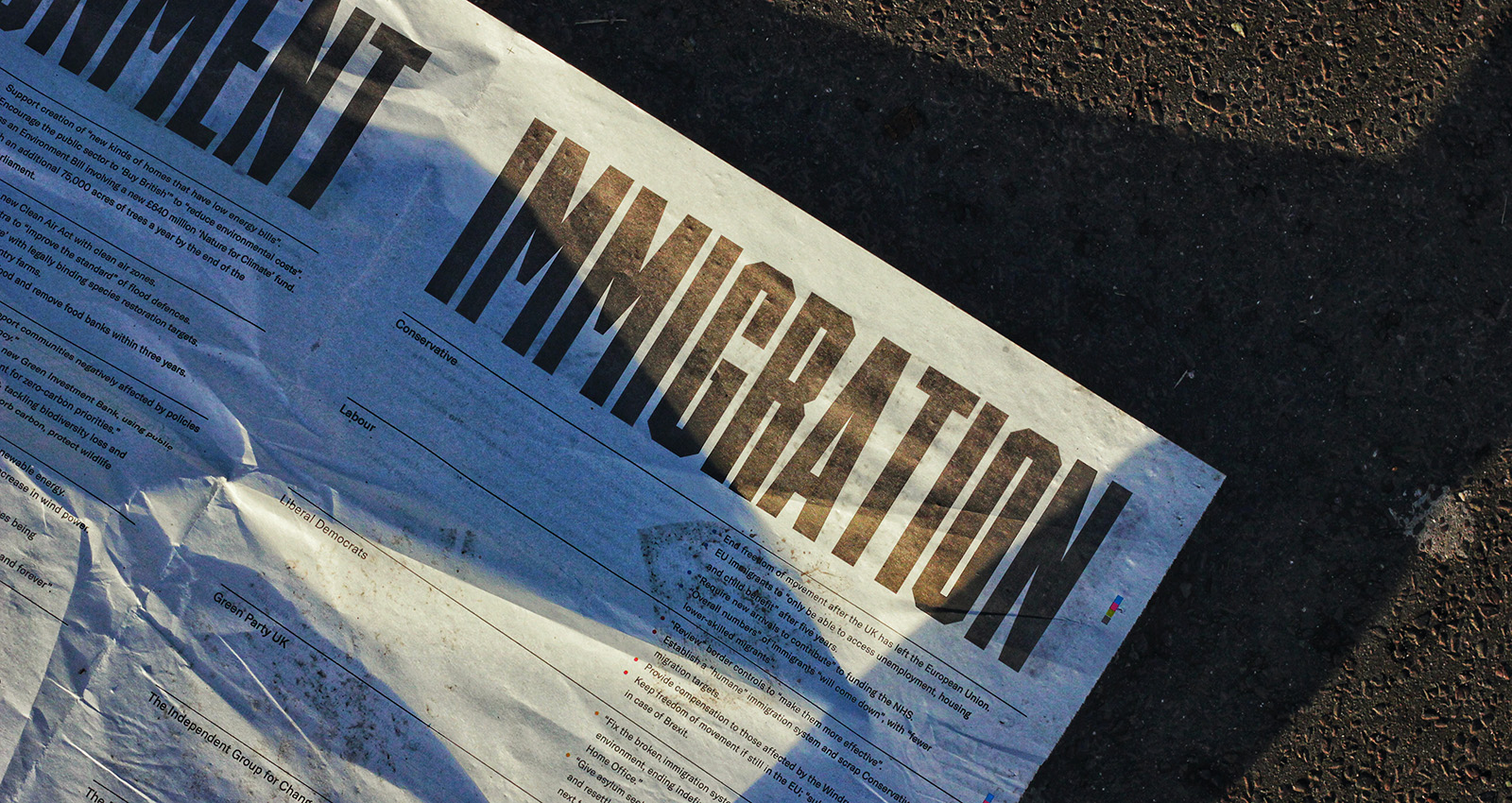
Most people hold deep-seated misperceptions about immigration, painting its nature, effects, and governance in excessively dark colours. This reflects concerns about out-group threat and tends to be resistant to correction efforts. It is also, argue Marco Bitschnau and Philipp Lutz, highly problematic for democracies Read more
Adam Stokes
Québécois politics has been undergoing a dramatic change since 2018. The emergence of the ‘Coalition for Quebec’s Future’ (CAQ) has smashed the existing Liberal/Parti Québécois duopoly in the province and sidelined the issue of Quebec’s sovereignty in favour of cultural issues, writes Adam Stokes Read more
Phi Hong Su
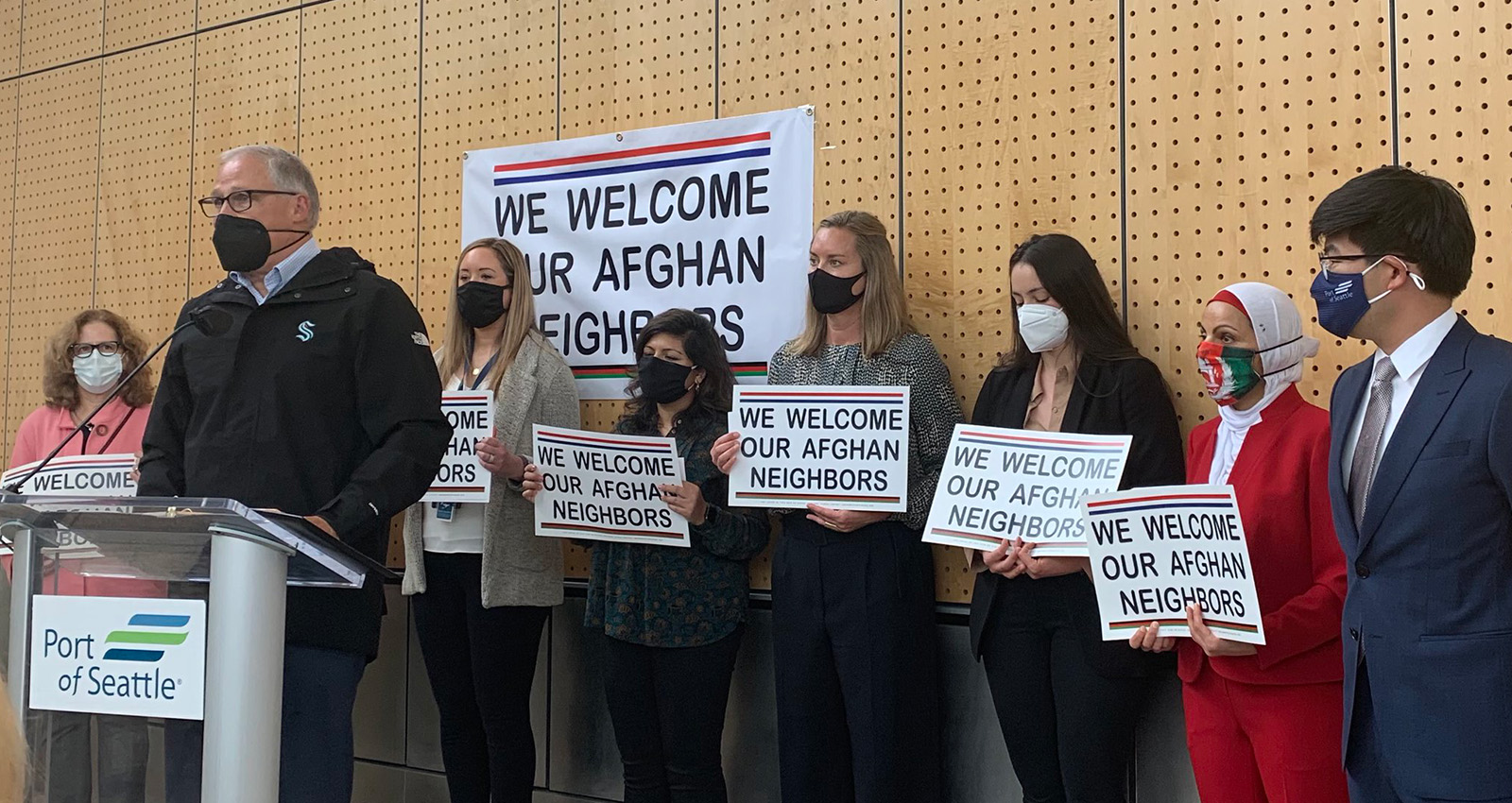
What does it take to welcome evacuees as they rebuild their lives? Phi Hong Su reflects on how governance, labour markets, and ethnic communities can ease new arrivals’ resettlement in the United States —and how gaps in these contexts of reception worsen precarity Read more
Frowin Rausis
The UK’s ‘New Plan for Immigration’ allows the government to send asylum seekers to Rwanda, reflecting the latest aspiration to externalise refugee protection. Frowin Rausis and Konstantin Kreibich show that the idea is not new. Different countries have toyed with it for years – and failed consistently Read more
Fred Paxton
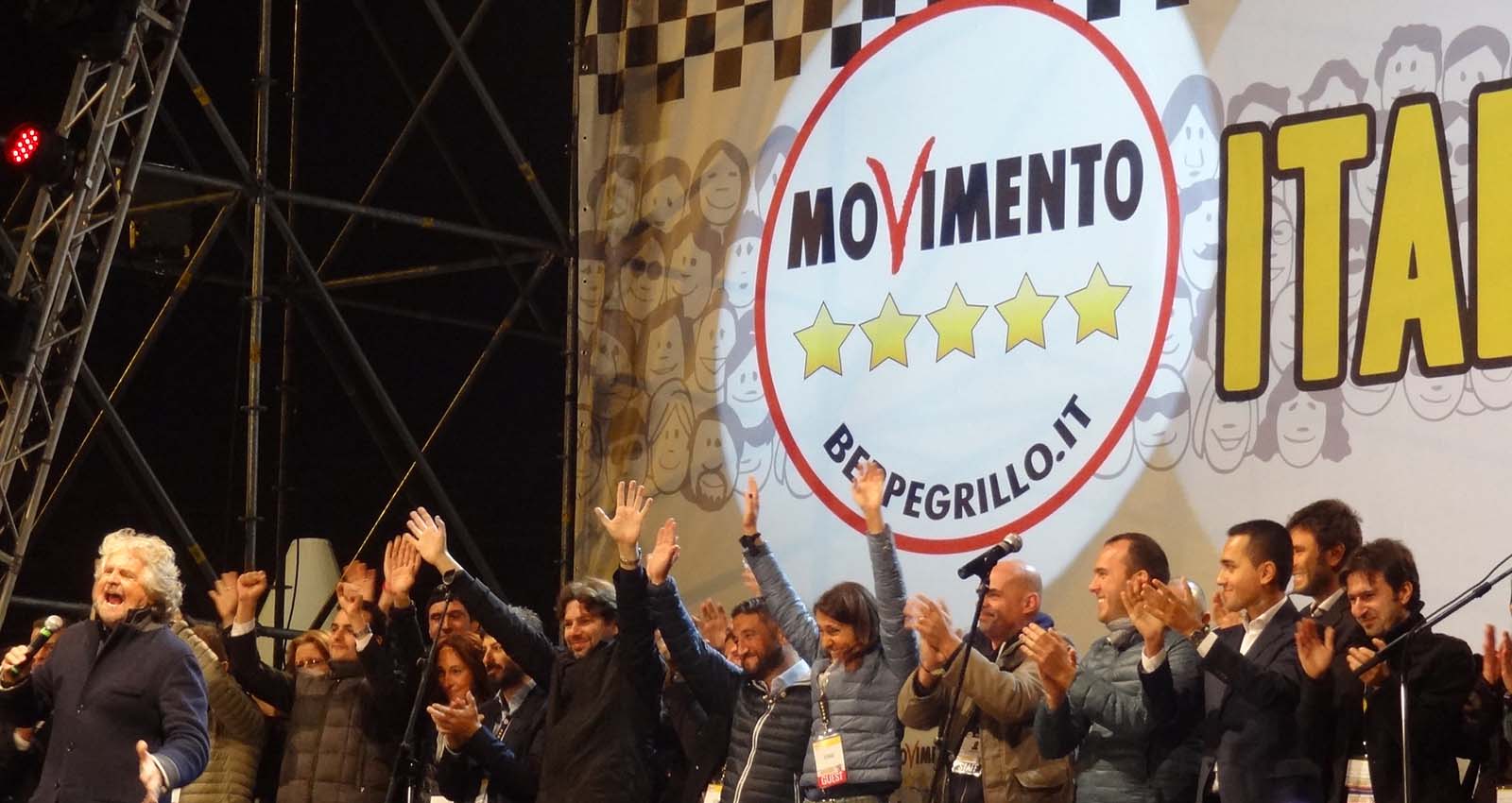
Italian populists’ focus on ‘the will of the people’ has frequently contradicted their ideological priorities towards migration, Fred Paxton and Andrea Pettrachin find. The perception of local attitudes to immigration and issue salience are the determining factors in how populists in local government make their decisions Read more
Philipp Lutz
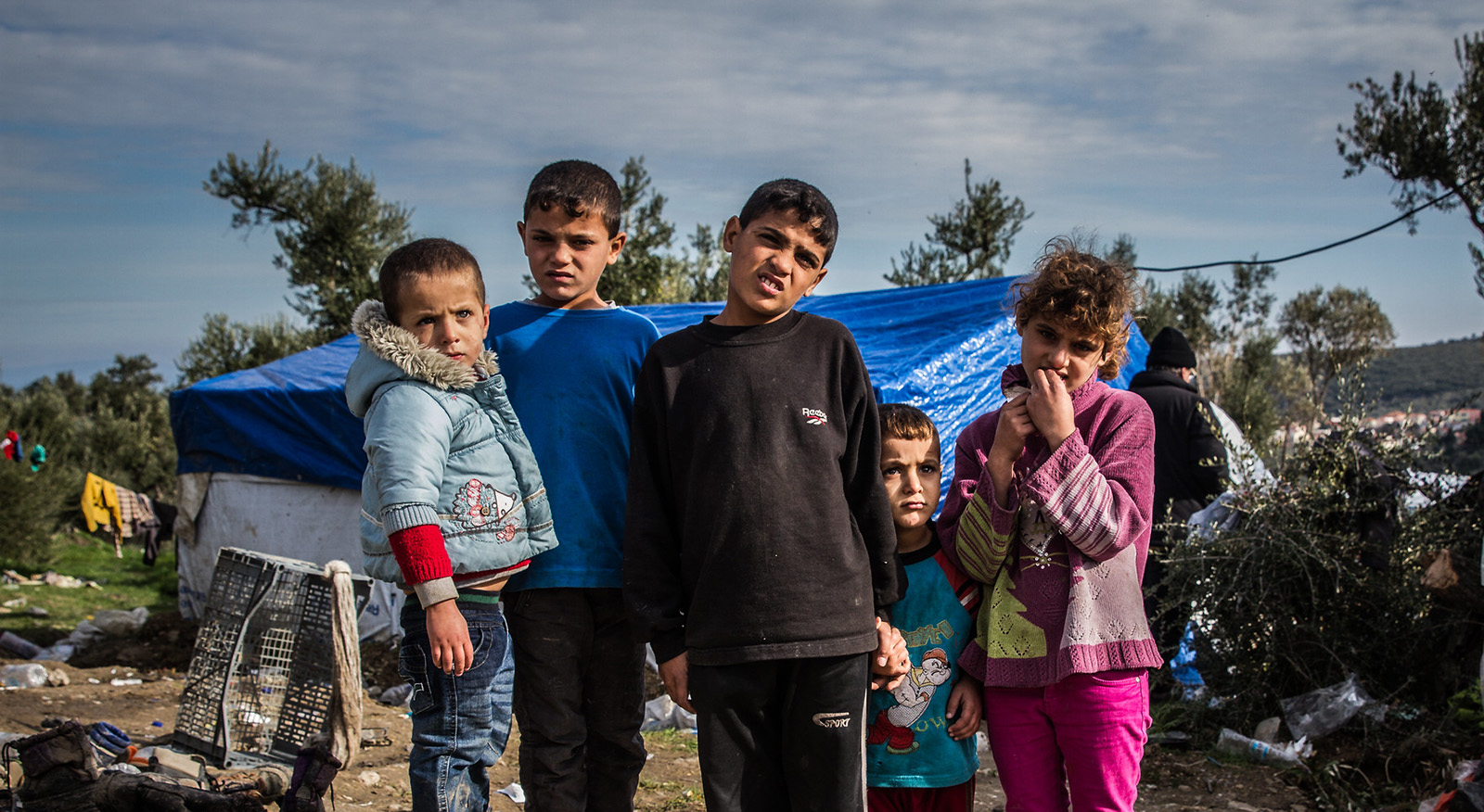
Western countries repeatedly point to resettlement – the organised transfer of refugees to a safe third country – as a solution to persistent humanitarian crises. Yet, Philipp Lutz and Lea Portmann show how such resettlement can, paradoxically, be a way for states to legitimise limiting access to humanitarian protection Read more
Gabriella Gricius
States face not just threats to their physical security, but also to their sense of self and biographical continuity. This is what we call securitisation. Understanding the process of securitisation can uncover taken-for-granted colonial and imperial influences that would otherwise remain hidden, writes Gabriella Gricius Read more
Dionysios Stivas
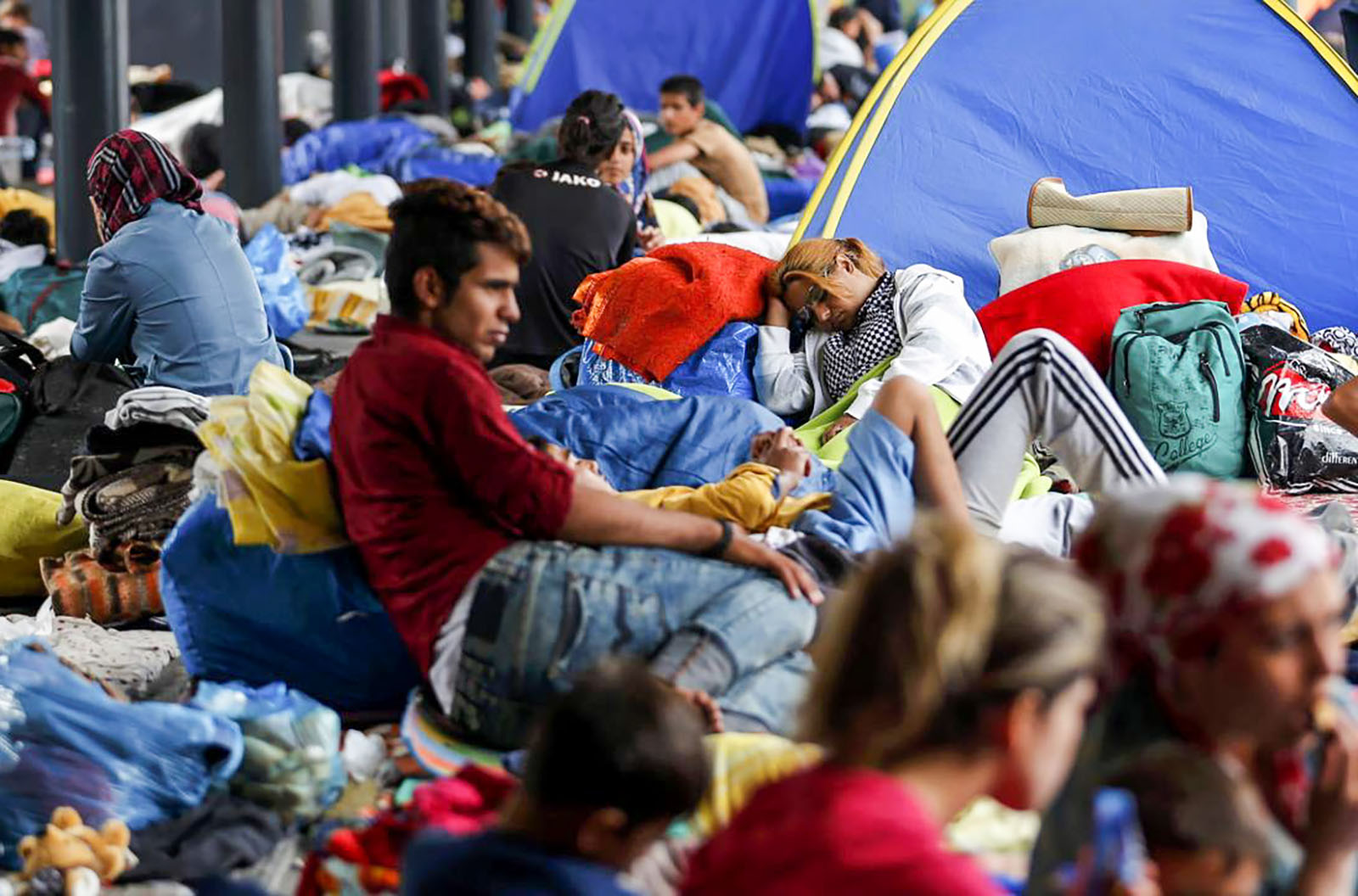
‘Securitising’ an alleged external threat can be a convenient tool for political leaders to justify extreme measures and policies. Dionysios Stivas looks at the case of Hungarian Prime Minister Viktor Orbán’s handling of asylum seekers in 2015 Read more
We use necessary cookies to make our site work. We'd also like to set analytics cookies that help us make improvements by measuring how you use the site. These will be set only if you accept.
▼
Strictly Necessary Cookies
Necessary cookies enable core functionality such as security, network management, and accessibility. You may disable these by changing your browser settings, but this may affect how the website functions.
▼
Analytics Cookies
Google Analytics
We'd like to set Google Analytics cookies to help us improve our website by collecting and reporting information on how you use it. The cookies collect information in a way that does not directly identify anyone. For more information on how these cookies work please see our Privacy Notice.