Emilija Tudzarovska
The EU economic crisis revealed a clash between the EU and national authorities. This clash is, however, only one part of the story. Events in Greece, Italy, Bulgaria and Slovenia, writes Emilija Tudzarovska, also revealed a crisis of party politics. This crisis has triggered appeals to populism and technocracy – technopopulism – which weakens yet further the institutionalisation of politics Read more
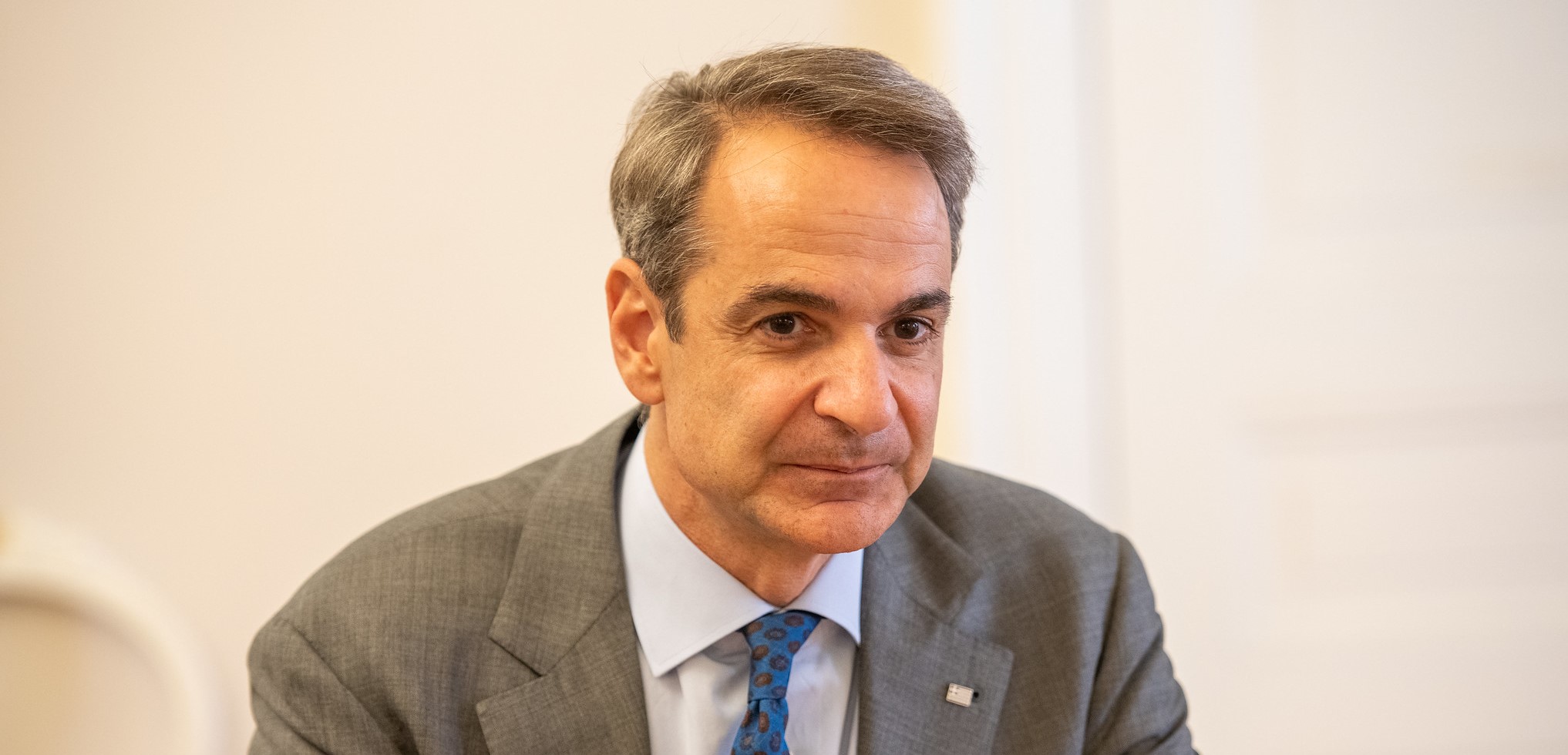
Alexandros Kyriakidis
Alexandros Kyriakidis argues that the era of political and financial crisis in Greece that spanned a decade seems to be coming to a close with the recent elections. This is demonstrated most vividly by the decline of SYRIZA, the party most closely associated with the anti-financial programme agenda Read more
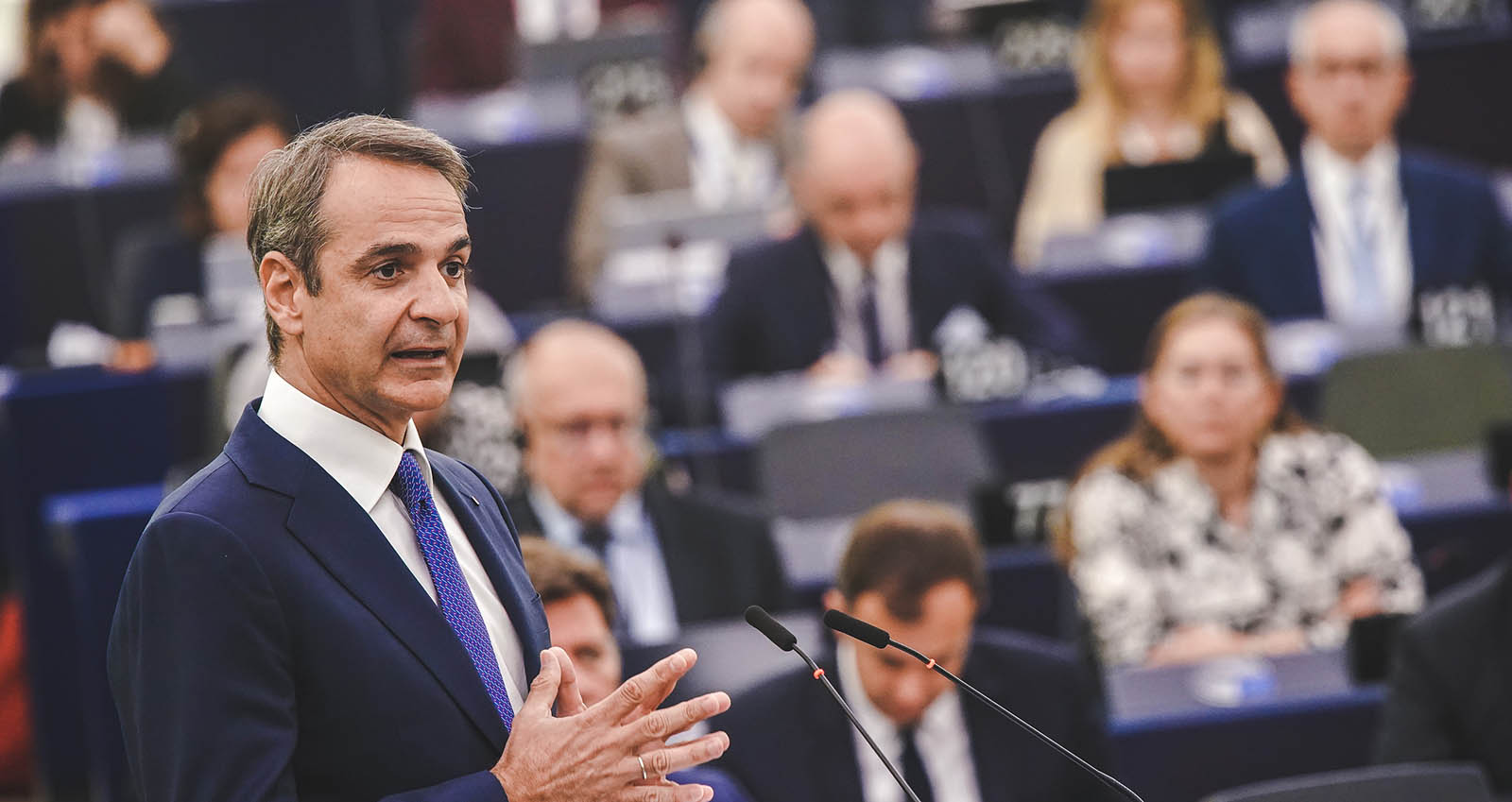
Susannah Verney
The Greek election of May 2023 produced an unexpected destabilisation of the party system, and triggered a repeat election to be held five weeks later. Susannah Verney argues that the poll was variously viewed by voters as a second order election and a ‘system-defining’ choice Read more
Georgios Samaras
With the 21 May election in Greece fast approaching, Georgios Samaras examines the recent surge of ultranationalism in Greek politics. He argues that a process of normalisation of far-right practices is taking place, as echoed in other European countries, including Hungary and Italy Read more
Nikolaos Lampas
The alliance can reverse Turkey’s opposition to Sweden and Finland joining NATO. Turkey's behaviour rests on three needs: to secure economic concessions for its struggling economy, to acquire F-16 and F-35 fighter aircraft, and to reassert itself as a NATO powerbroker, writes Nikolaos Lampas Turkey’s objection to Sweden and Finland joining NATO Sweden and Finland's […] Read more
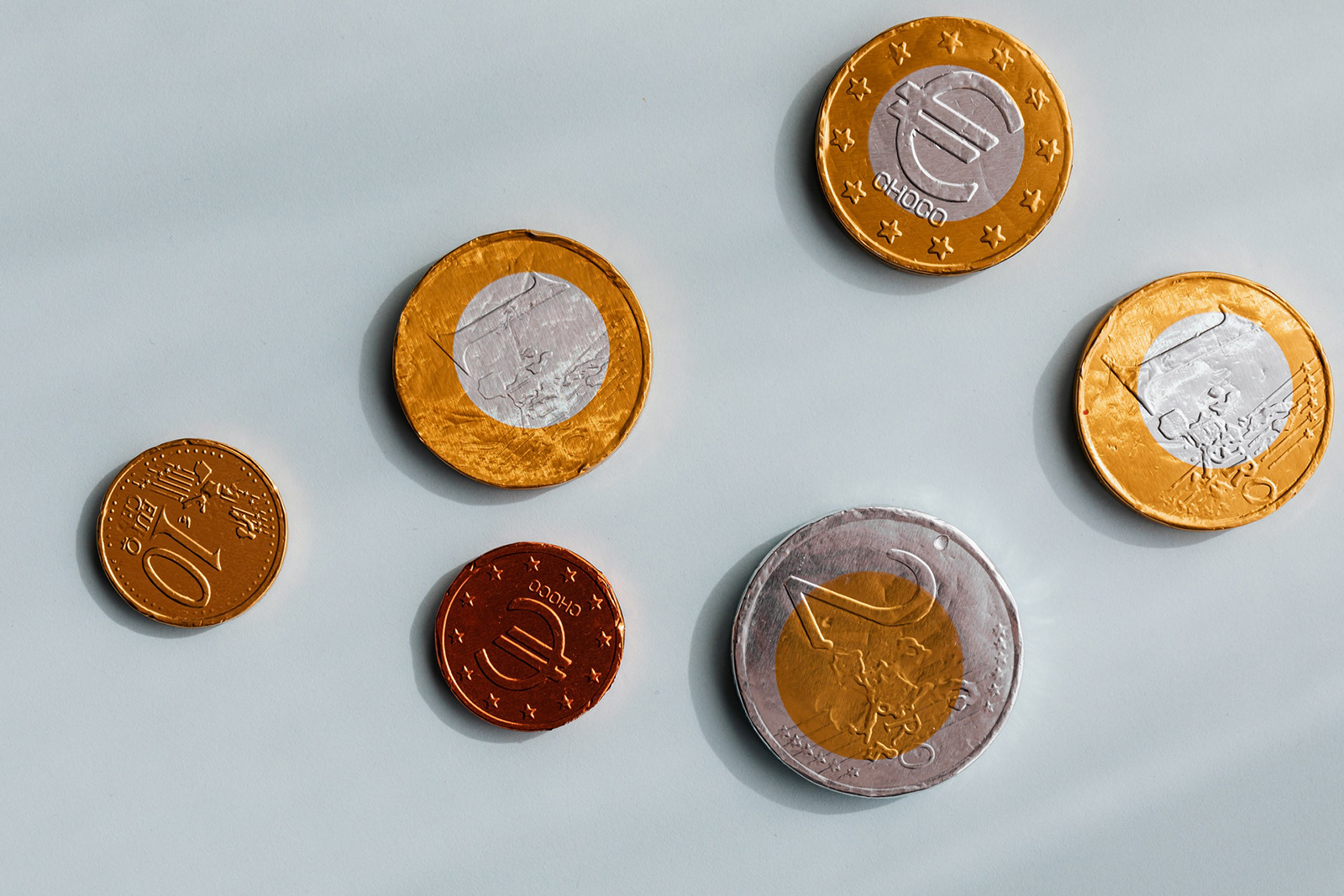
Catherine Moury
Catherine Moury, Stella Ladi, Daniel Cardoso and Angie Gago argue that bailed-out governments during the Eurozone crisis exercised more leverage than assumed. Despite international market pressure and creditors’ conditionality, bailed-out governments were able to advocate, resist, shape or roll back some of the policies demanded by the EU’s Troika Read more
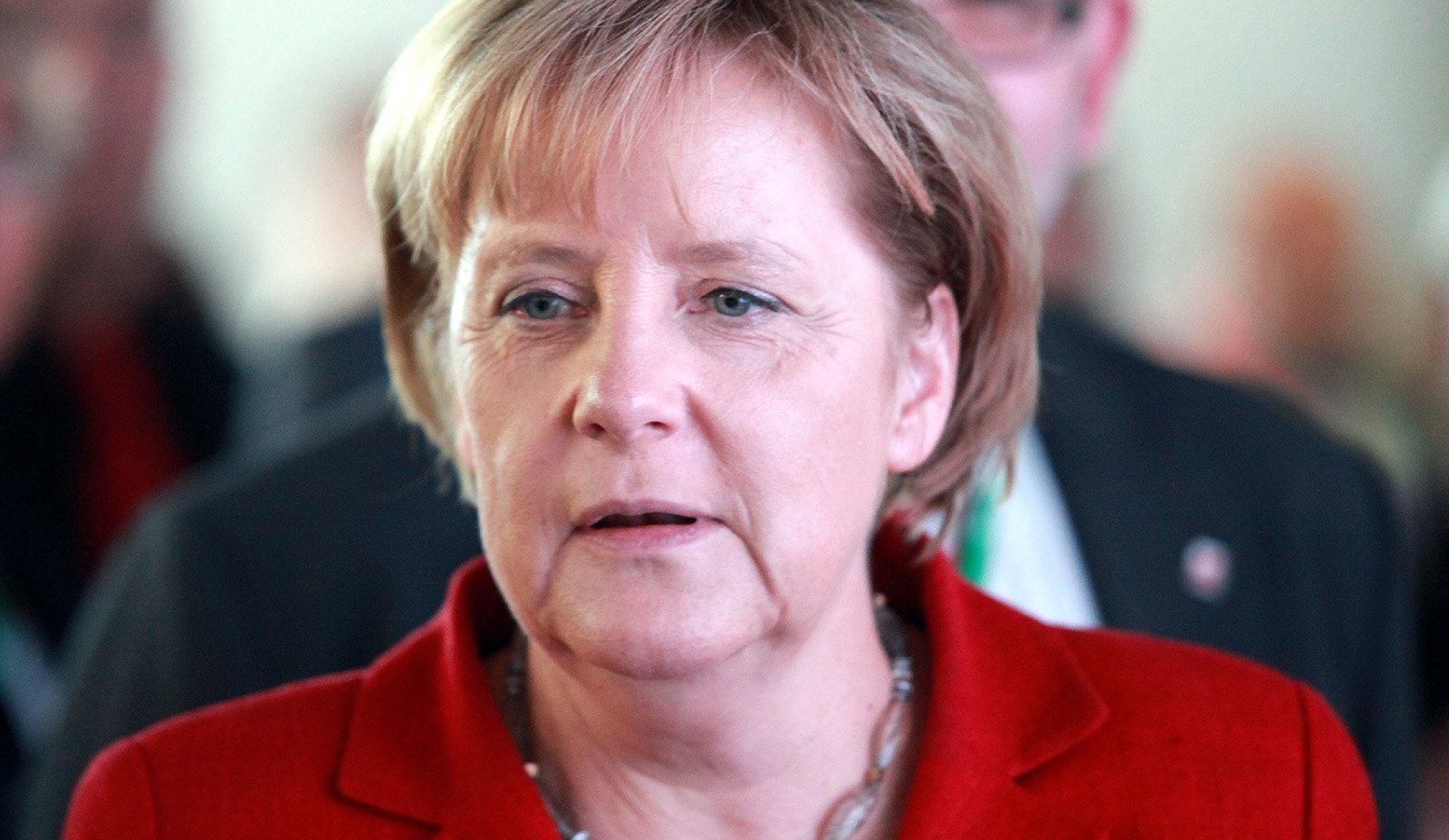
Isabelle Hertner
Germany has developed into a hugely diverse country, but Angela Merkel’s centre-right CDU is still grappling with this reality, writes Isabelle Hertner. Over Merkel's 16-year Chancellorship, her party has been torn between pragmatic immigration policy, and the demand for cultural assimilation Read more
Maciej Górecki
Researchers now have tools to assess the influence of gender quotas on electoral systems. But, write Maciej Górecki and Michał Pierzgalski, the impact of such quotas reveals limited improvement in women’s political representation Read more
We use necessary cookies to make our site work. We'd also like to set analytics cookies that help us make improvements by measuring how you use the site. These will be set only if you accept.
▼
Strictly Necessary Cookies
Necessary cookies enable core functionality such as security, network management, and accessibility. You may disable these by changing your browser settings, but this may affect how the website functions.
▼
Analytics Cookies
Google Analytics
We'd like to set Google Analytics cookies to help us improve our website by collecting and reporting information on how you use it. The cookies collect information in a way that does not directly identify anyone. For more information on how these cookies work please see our Privacy Notice.